InkForge
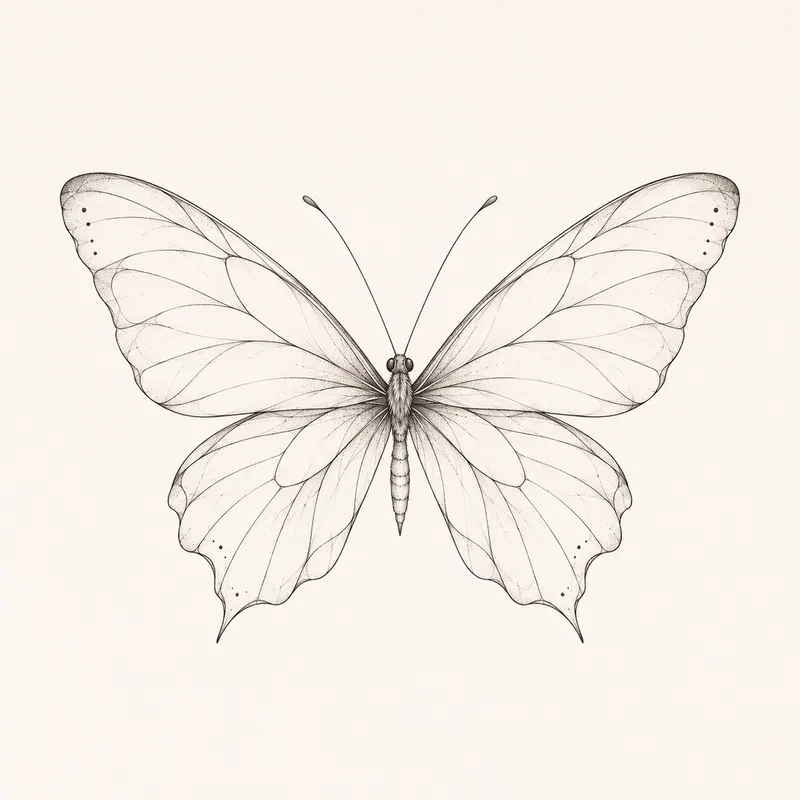
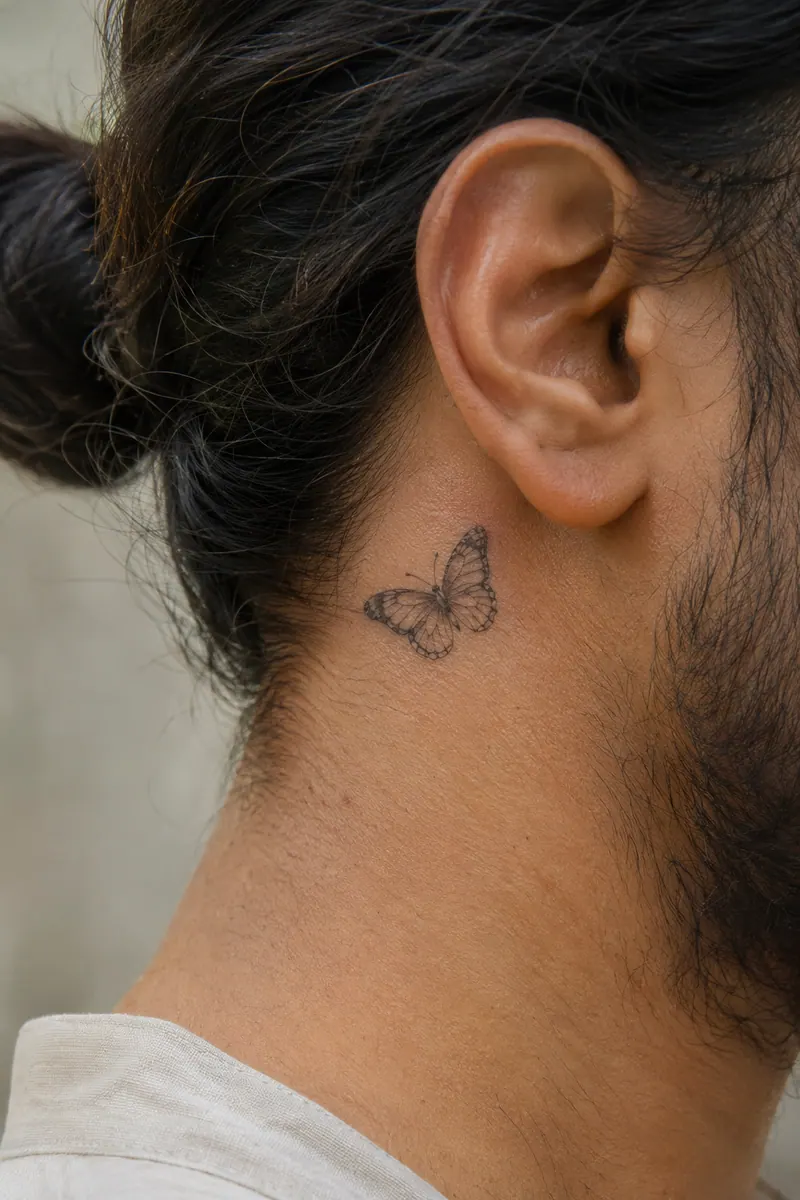
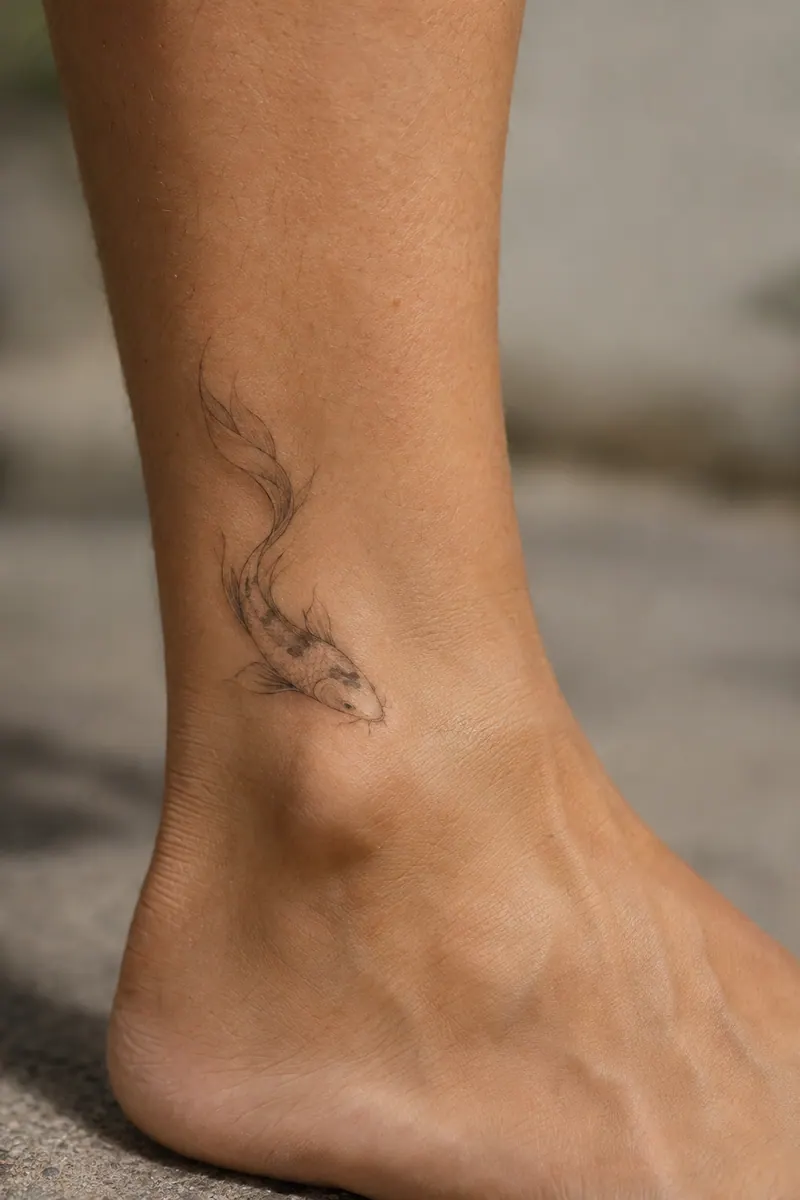

What makes a tattoo “fine line”
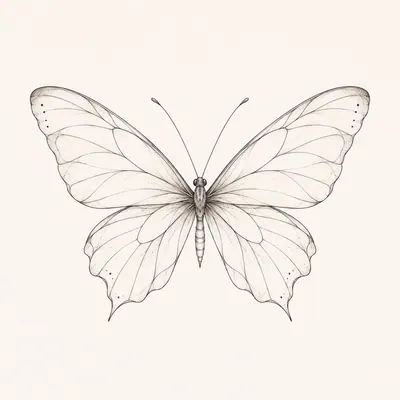
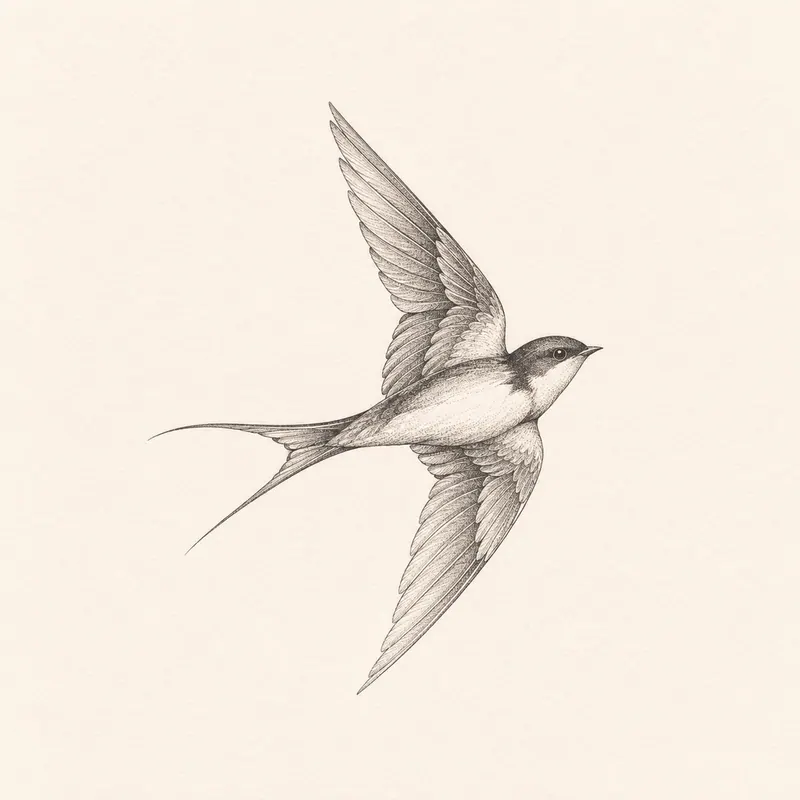
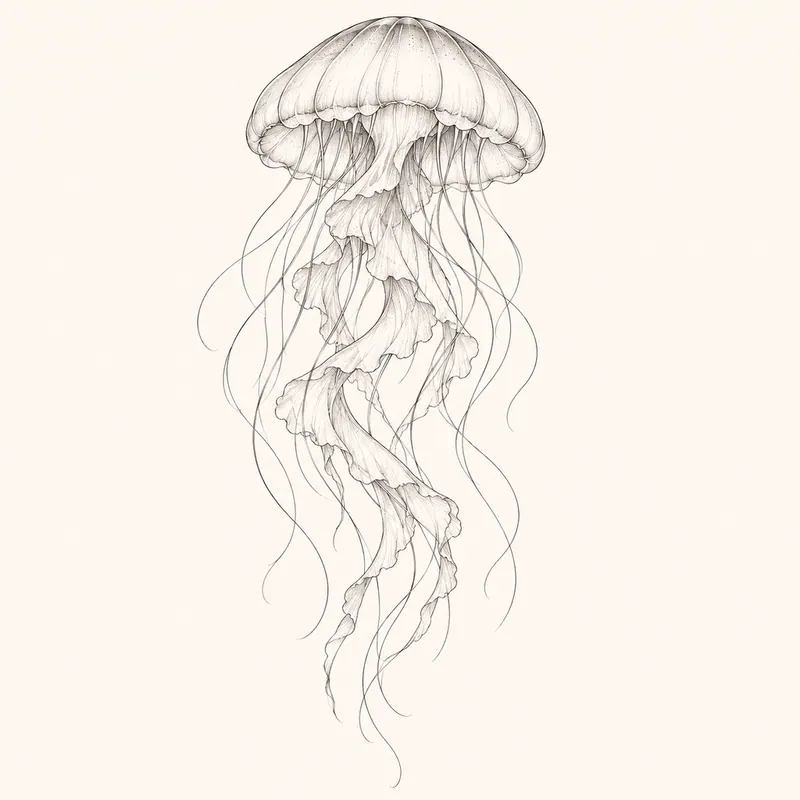
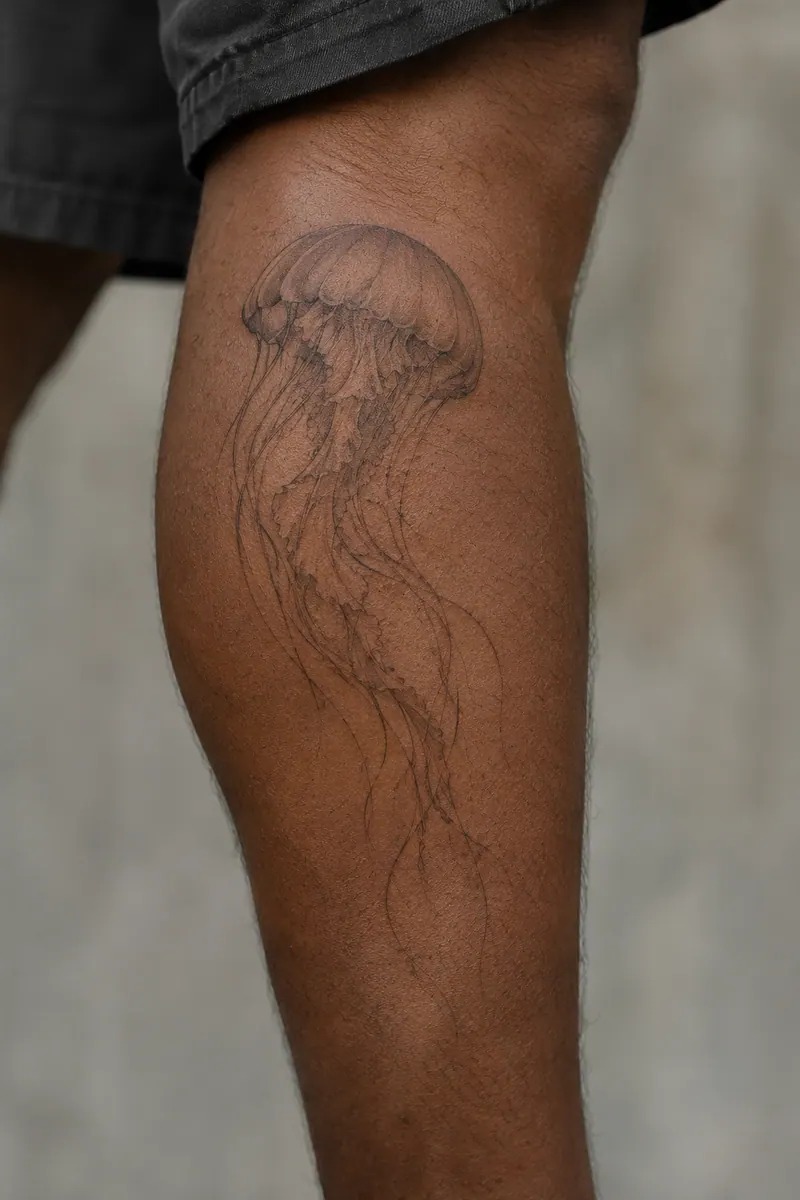
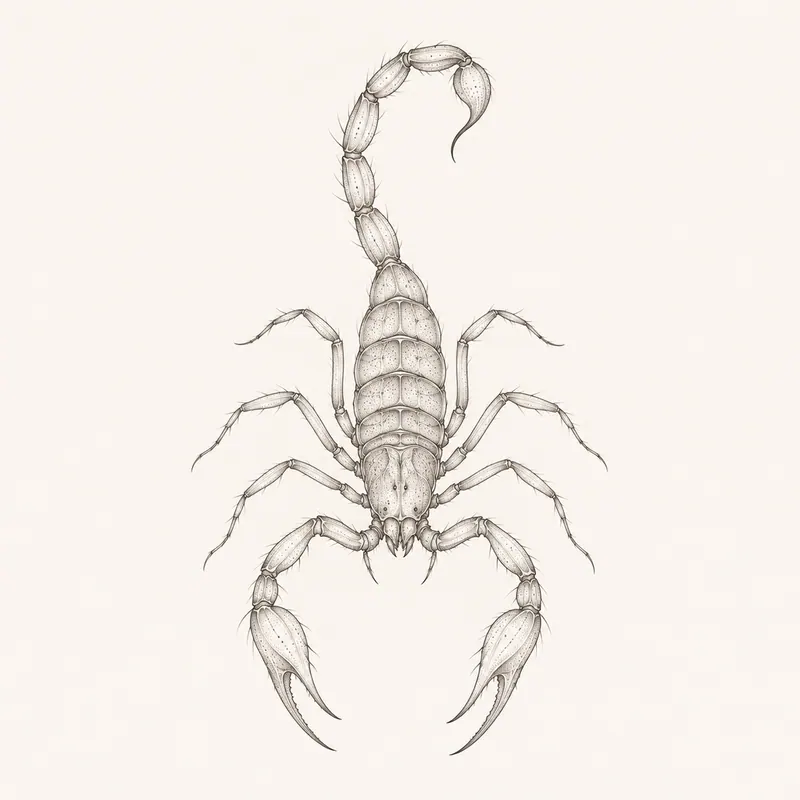
Fine line tattoos use very thin needles to create crisp, delicate lines — closer to a pen drawing than to classic tattoo flash. Shading, if any, is soft and minimal, and the design relies on negative space. The style became hugely popular in the 2010s through studios in Los Angeles and on social media, and is now one of the most requested looks worldwide, especially for first tattoos.
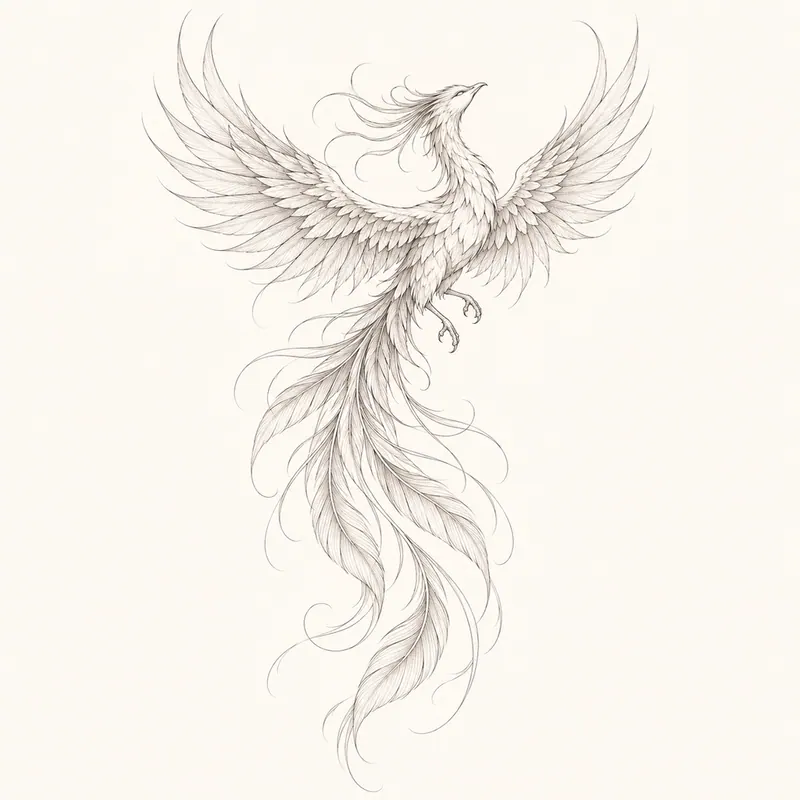
Typical fine line subjects include botanicals, animals in outline, small celestial symbols, script lettering and continuous-line portraits. Because the style is so light, it pairs easily with other tattoos and suits people who want something personal but understated.
Subjects that shine in fine line
Fine line rewards subjects with a clear silhouette and a few elegant details:
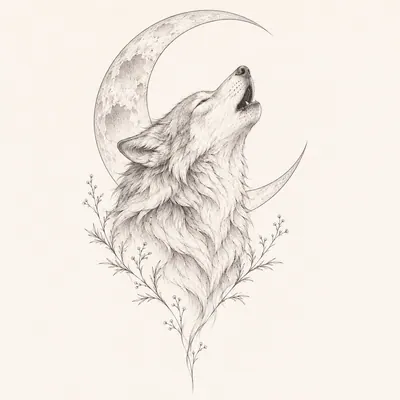
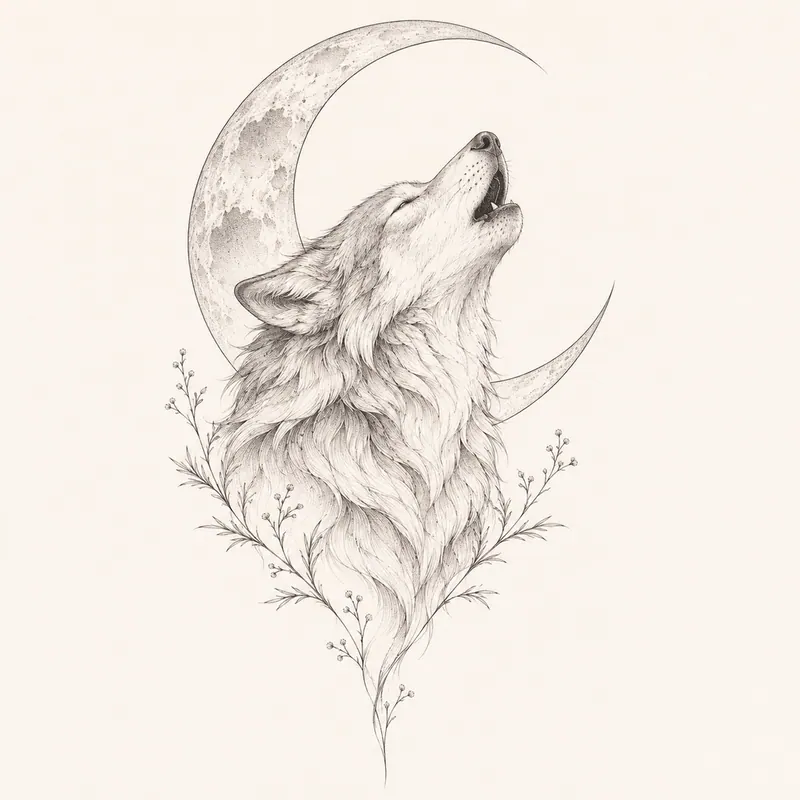
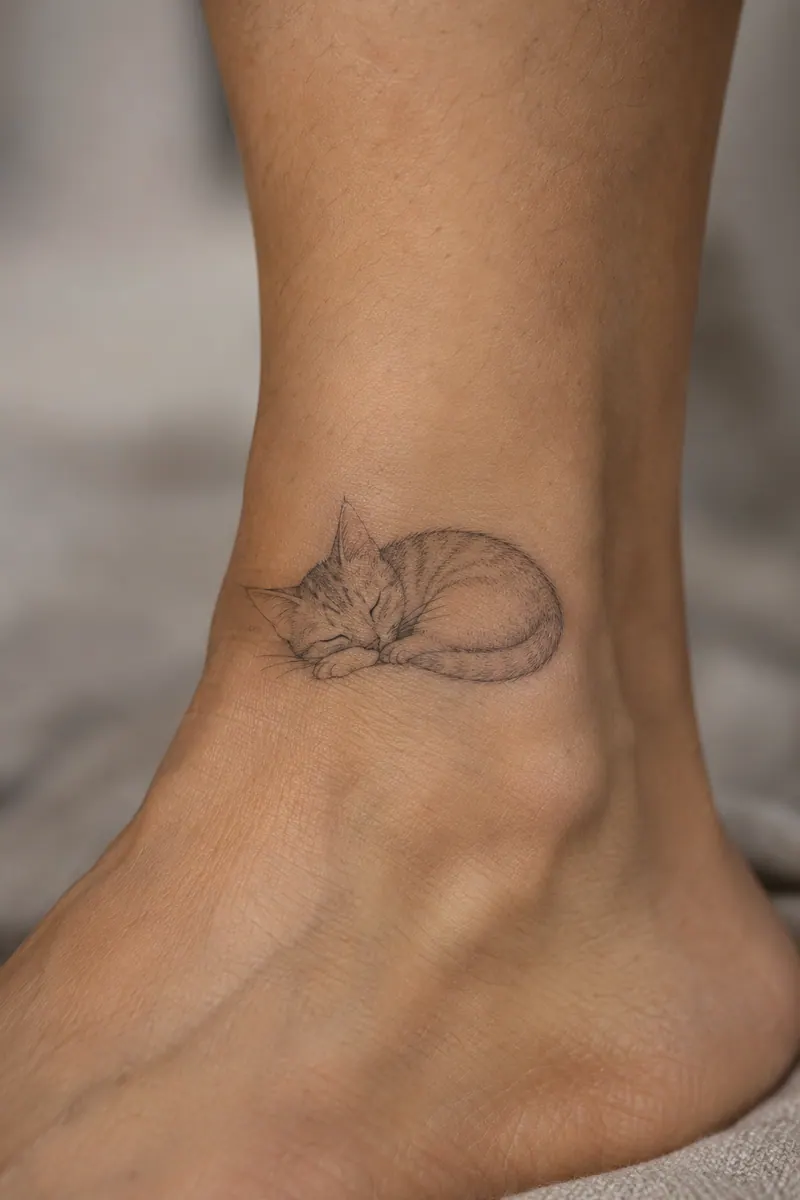
- Animals in motion — a wolf howling at the moon, a swallow mid-flight or a sleeping cat read beautifully with just a few lines.
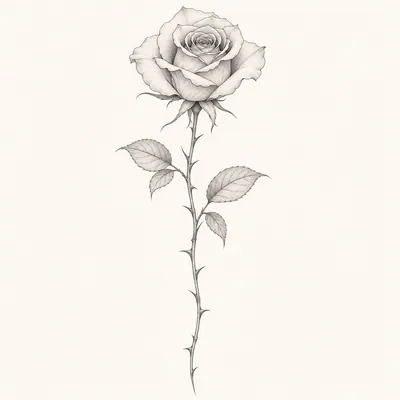
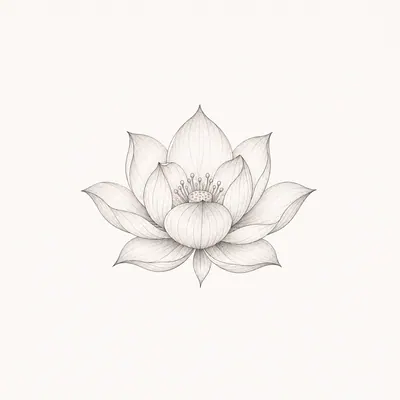
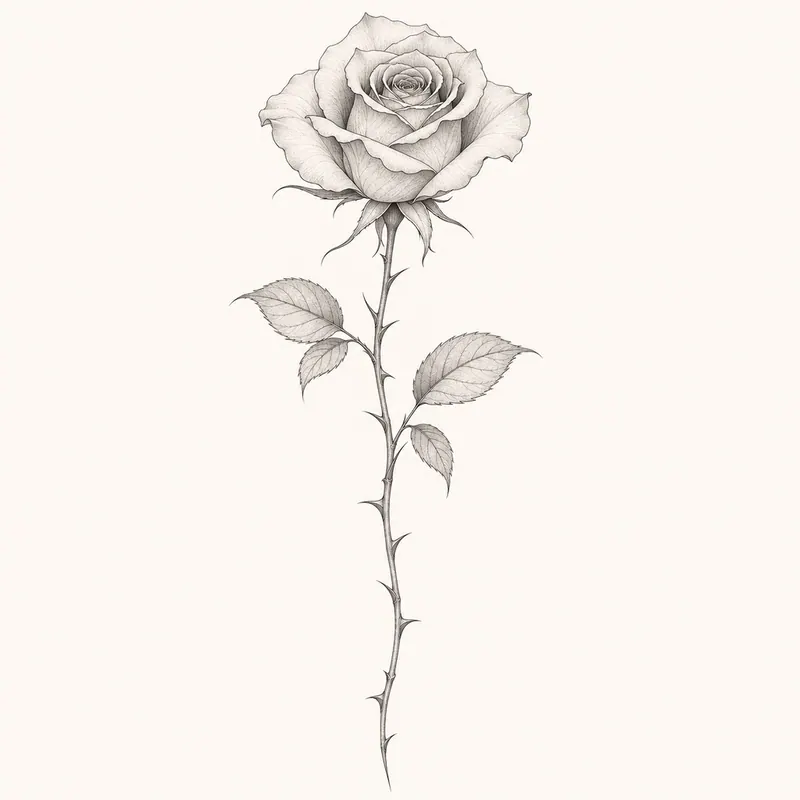
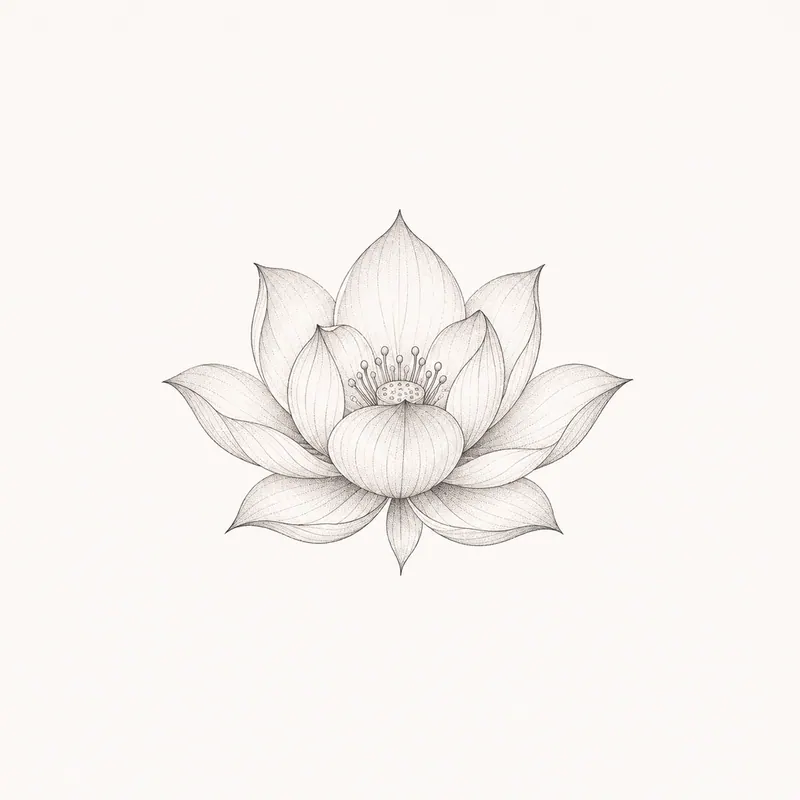
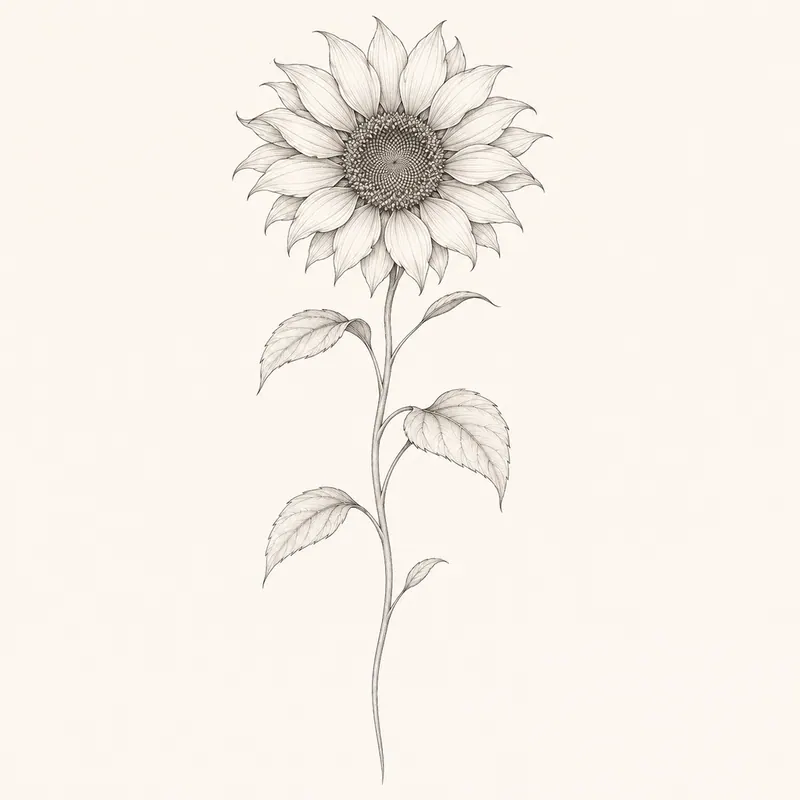
- Flowers and plants — a long-stemmed rose, a small lotus or a sunflower let the thin line describe petals and leaves.
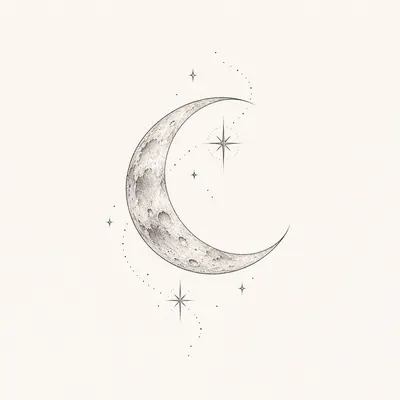
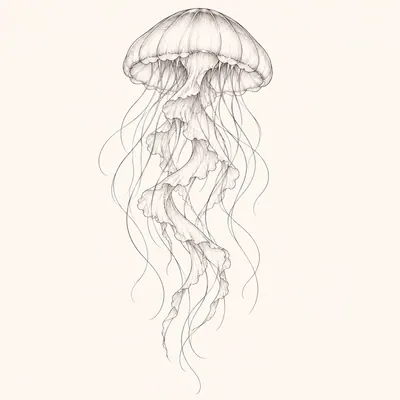
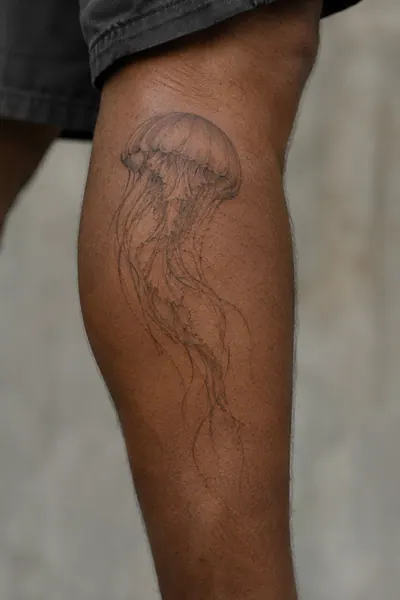
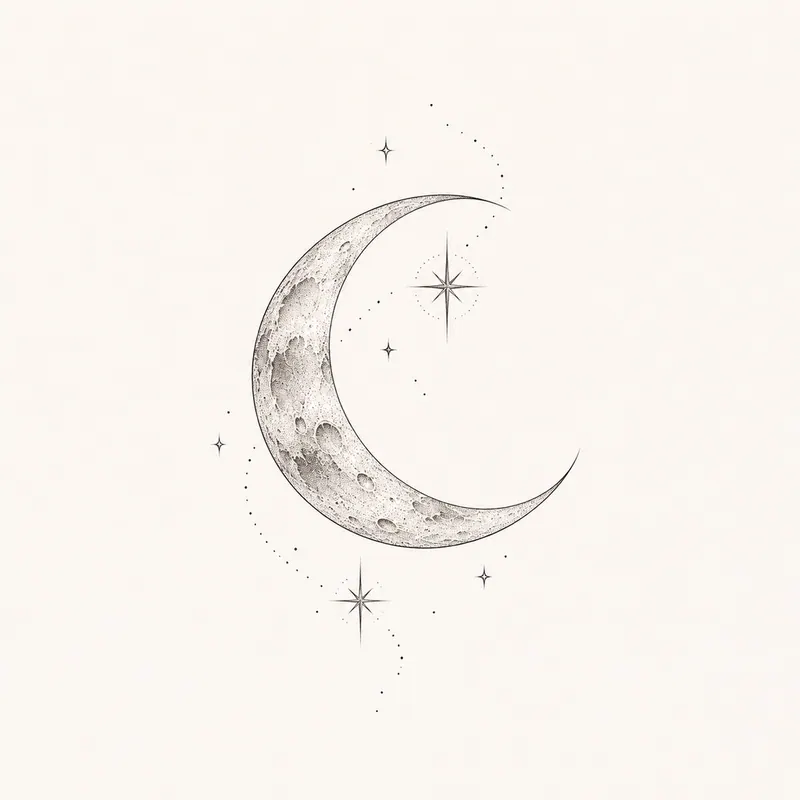
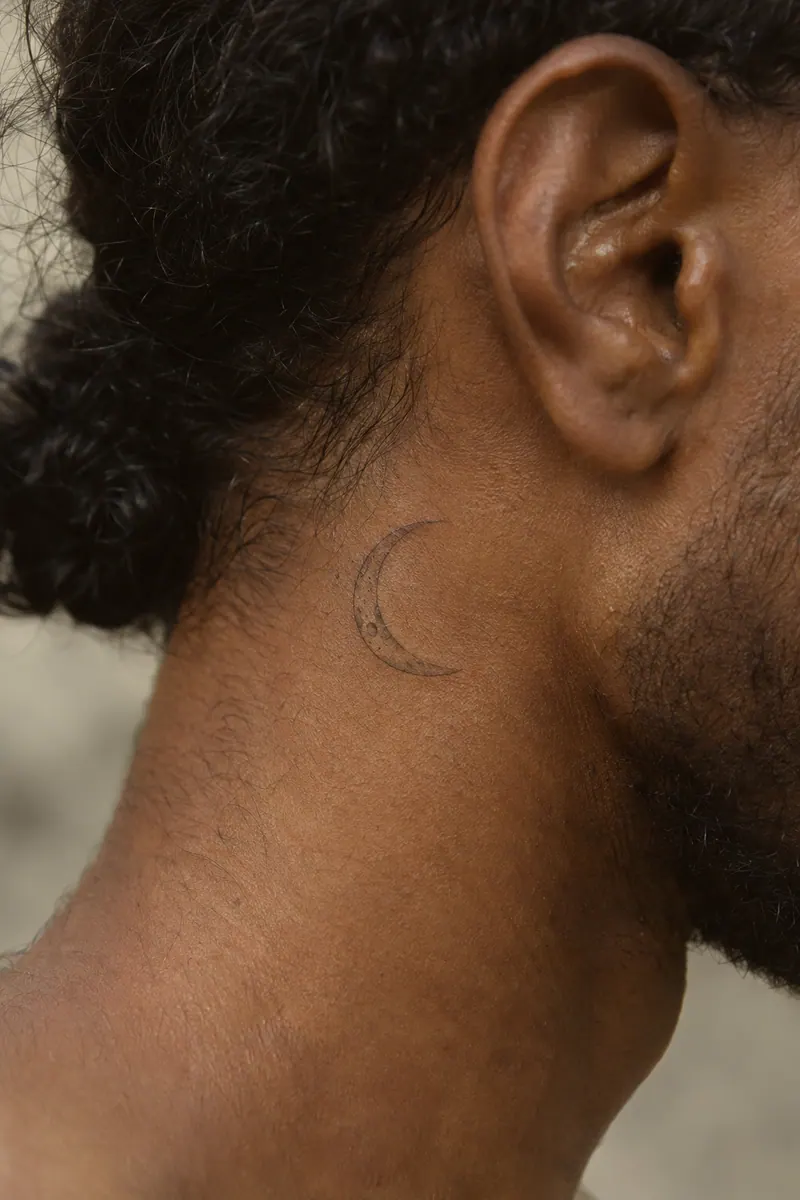
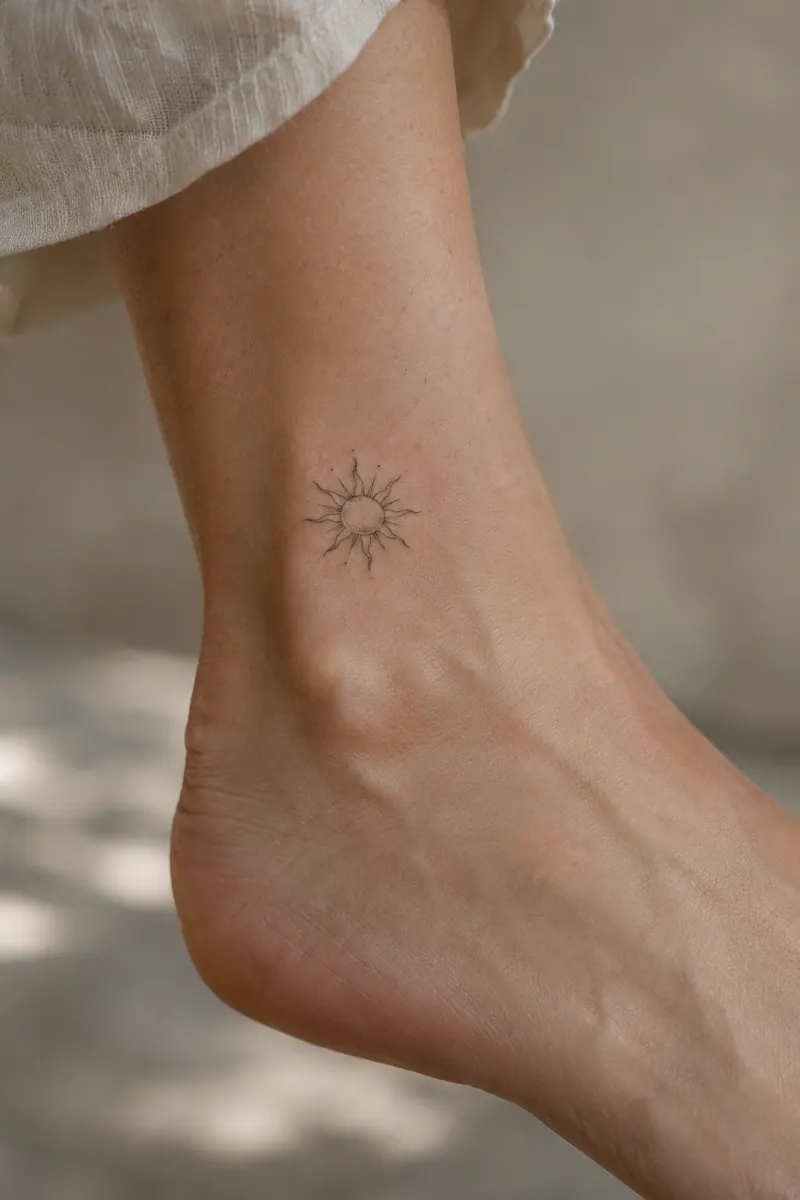
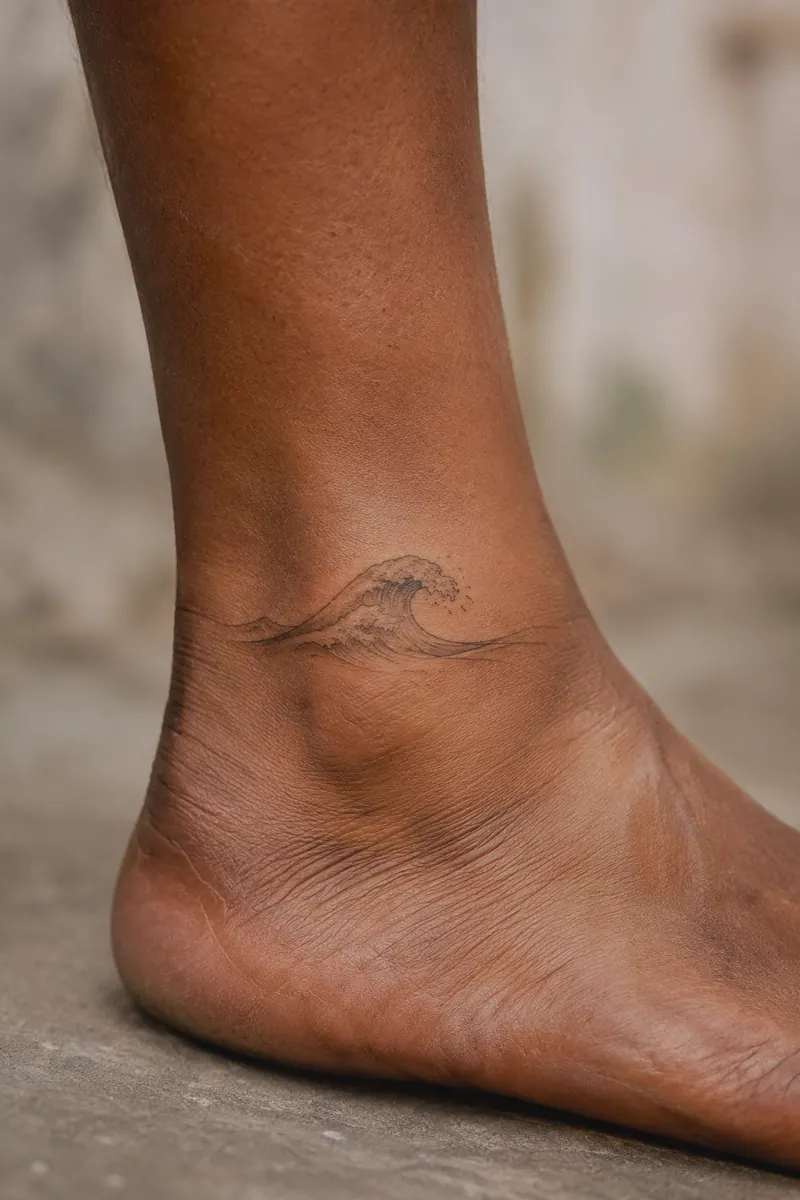
- Sky and sea — crescent moons with stars, tiny suns, small waves and drifting jellyfish with long tentacles.
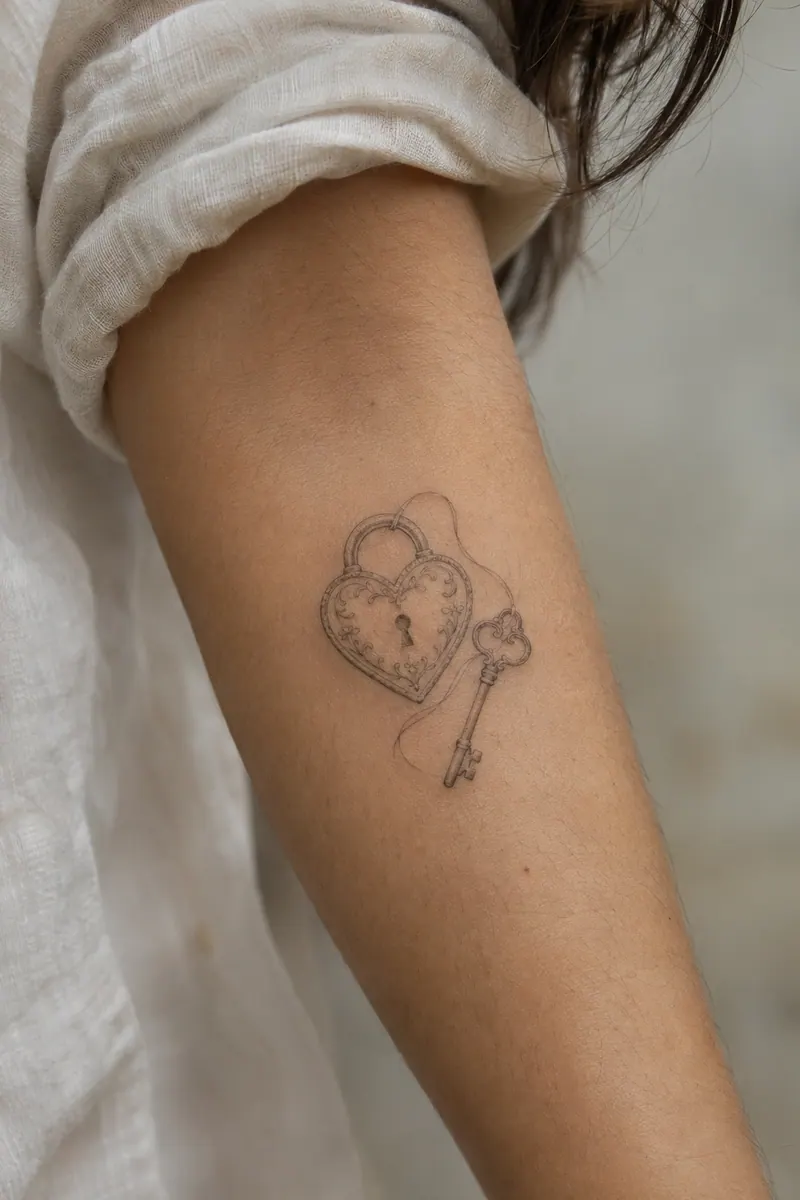
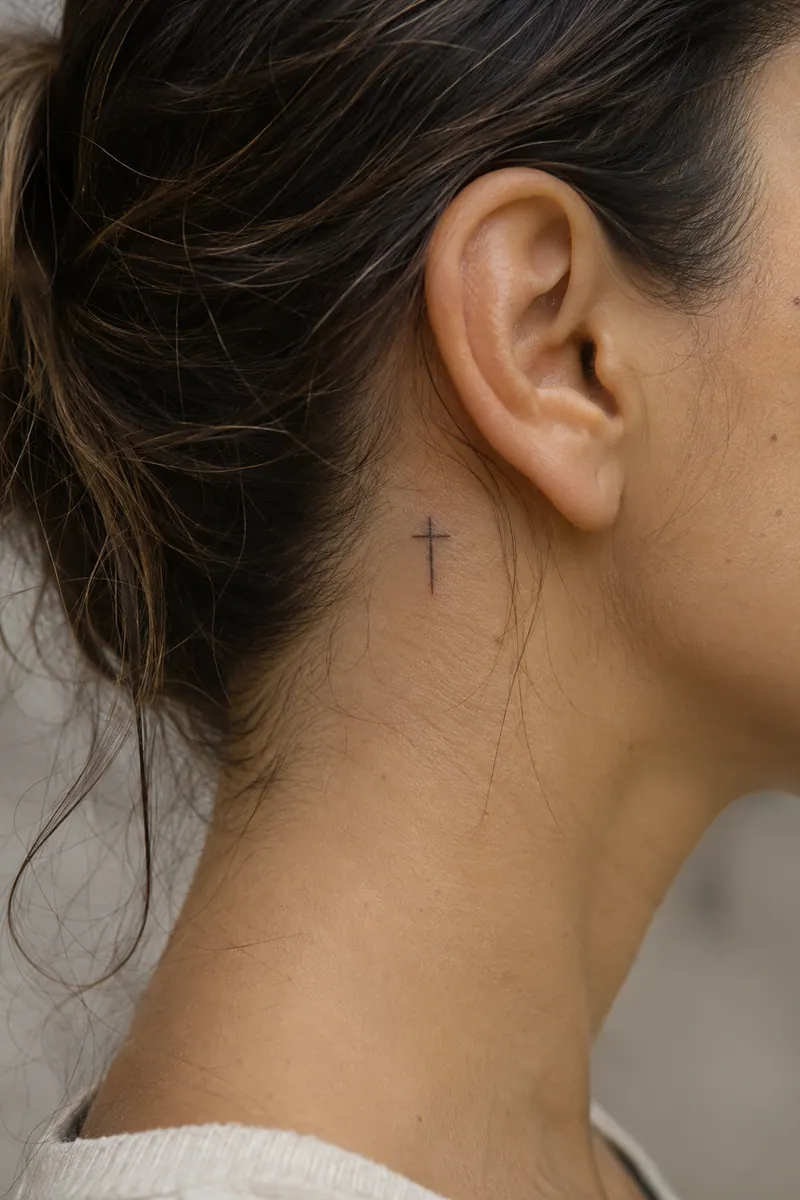
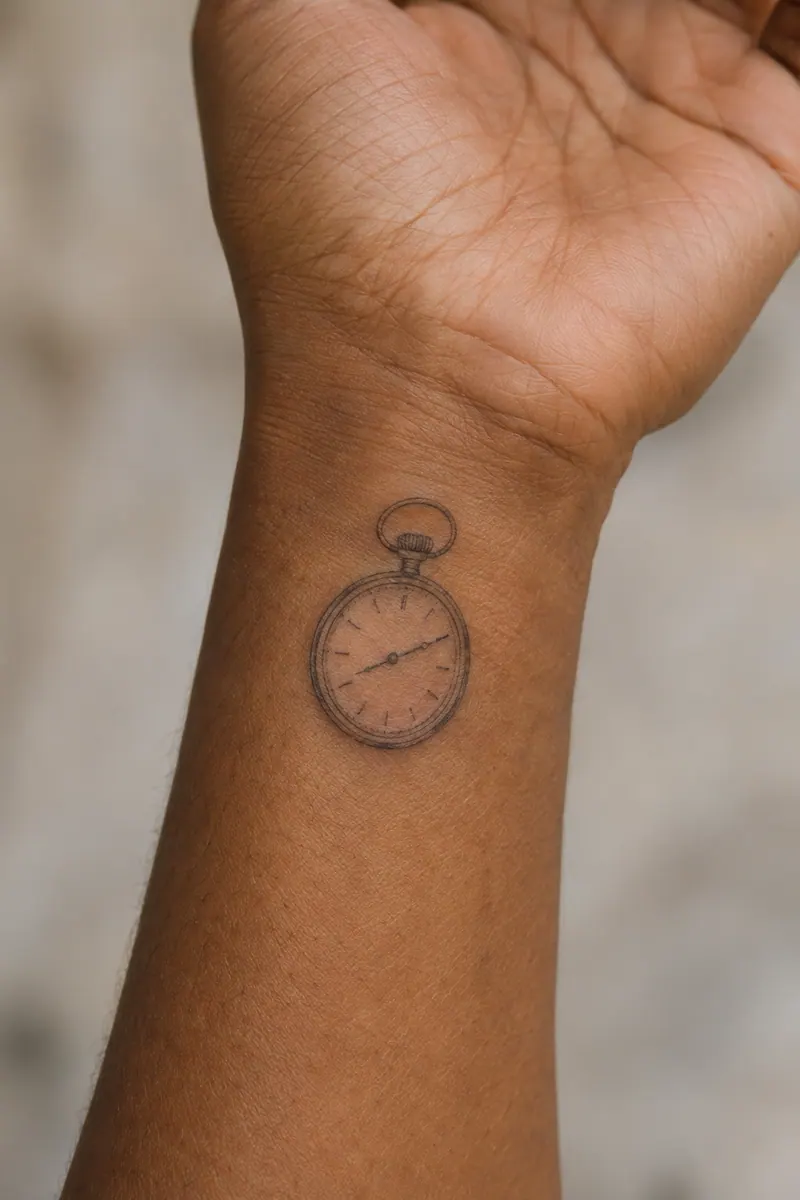
- Small symbols — a tiny cross, a pocket watch, a heart-shaped lock with a key.
What works less well: dense scenes, heavy textures like fur close-ups, and anything that depends on strong contrast to be readable from across a room. Those belong to realism or blackwork.
How fine line tattoos age
Every tattoo softens over time as ink settles in the skin, and thin lines show it first. That doesn’t mean fine line tattoos are a bad idea — it means planning matters:
- Size for the detail. Lines that sit too close together will gradually merge. Give detailed designs enough room, or simplify them for small placements.
- Pick a specialist. Fine line is technically demanding: lines must be placed at the right depth to avoid blowouts or patchy healing. Look at an artist’s healed work, not only fresh photos.
- Protect from the sun. UV exposure is one of the main reasons fine line work fades. Use sunscreen on healed tattoos.
- Expect a touch-up. A light touch-up after healing or within the first year is common and keeps lines sharp.
Best placements for fine line
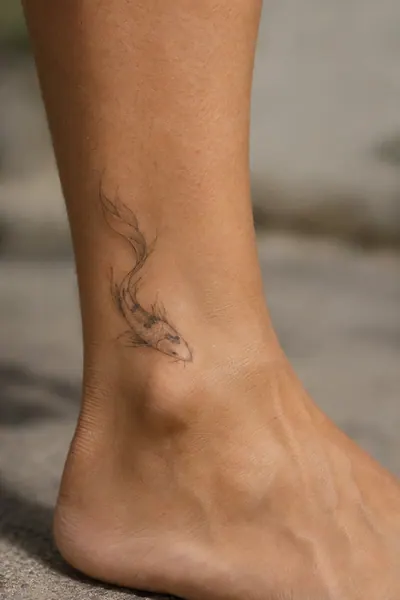
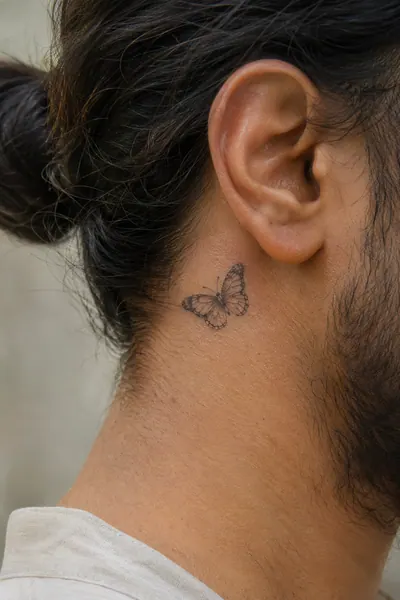
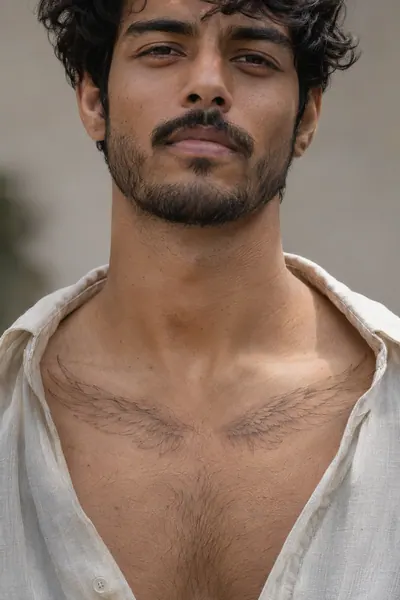
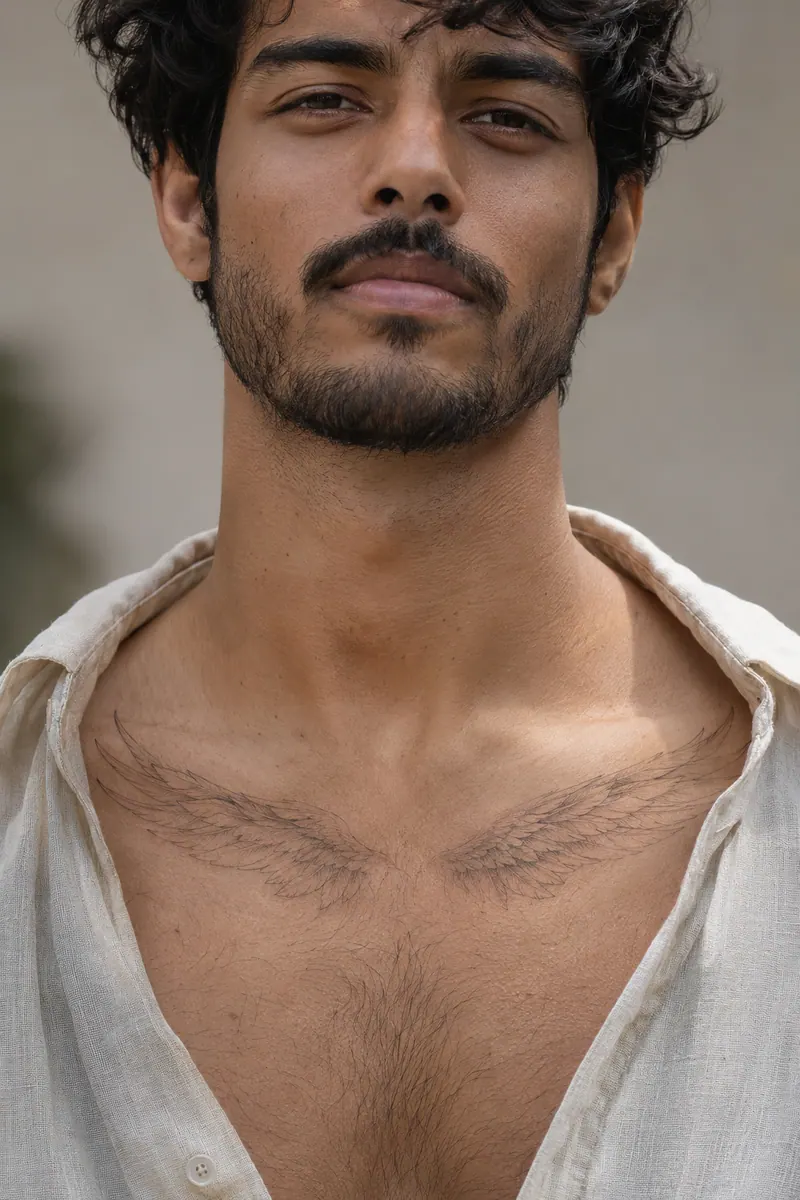
Fine line work looks best on flat areas with relatively stable skin: the inner forearm, upper arm, collarbone, ribs, spine, behind the ear and ankle. Hands, fingers and feet are tempting but fade fastest because of friction and frequent washing.
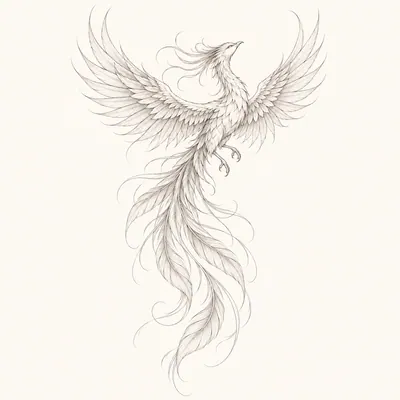
Think about orientation too. Fine line designs are often tall and slim — stems, tails, tentacles — so they suit long areas like the forearm, the spine or the side of the calf.
Fine line vs. minimalist
The two are often confused. Minimalist is about simplicity of design — few elements, lots of empty space — and can be made with bolder lines. Fine line is about the technique: thin needles and delicate execution, even for detailed designs. Many tattoos are both. If you like the look but worry about longevity, a minimalist design done with slightly heavier lines is a good compromise.
Choosing a fine line artist
Look for a portfolio with plenty of healed fine line work, photographed months or years after the session. Lines should still be crisp and evenly saturated, without fuzzy edges. Ask how they would adjust your design for your chosen size — a good fine line artist will often suggest simplifying details or going a little larger.
From concept to stencil
Generate your idea in the Fine Line style in InkForge, compare it with Minimalist and Dotwork versions, and preview it on a photo of your body to check that the details have enough room. Bring the result to a fine line artist as your reference.