 InkForge








Why the forearm is so popular
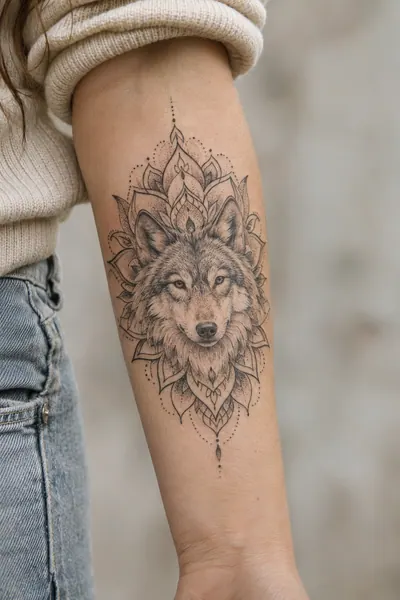
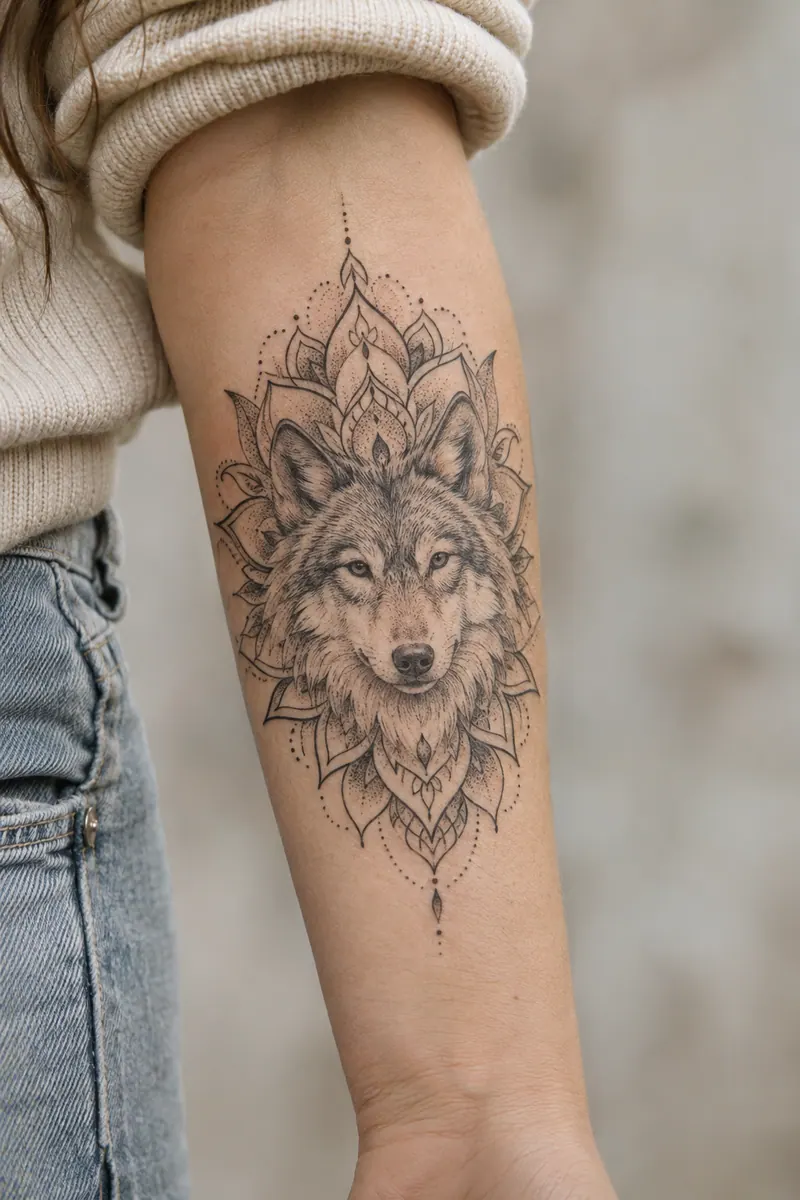
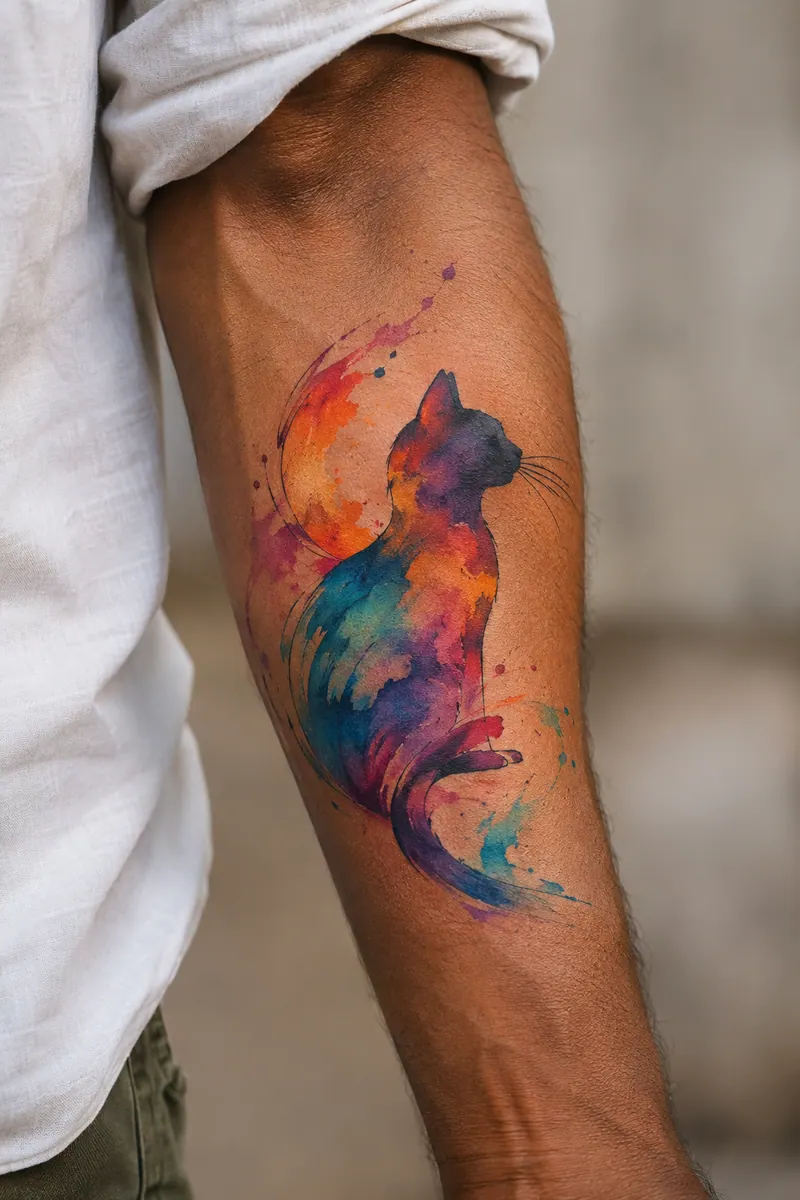
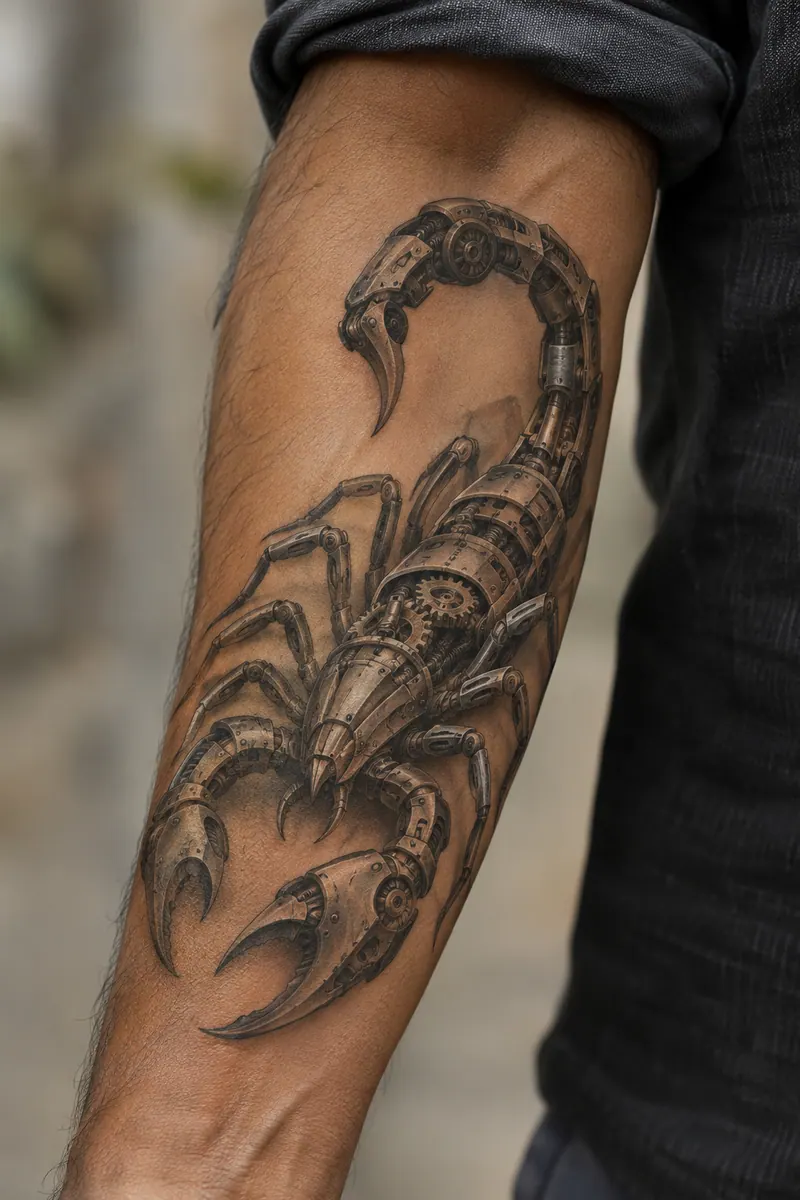
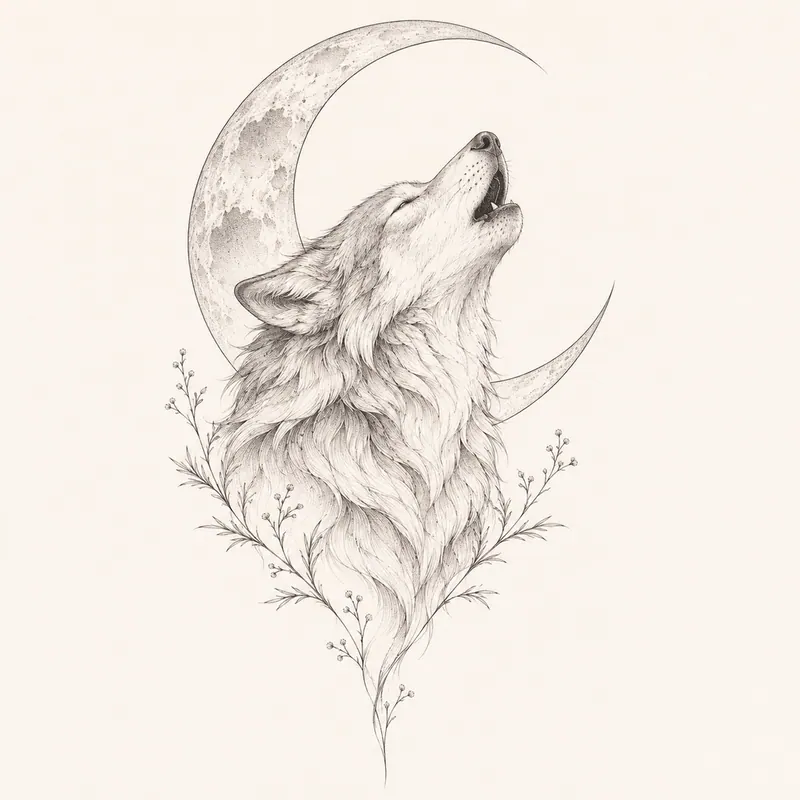
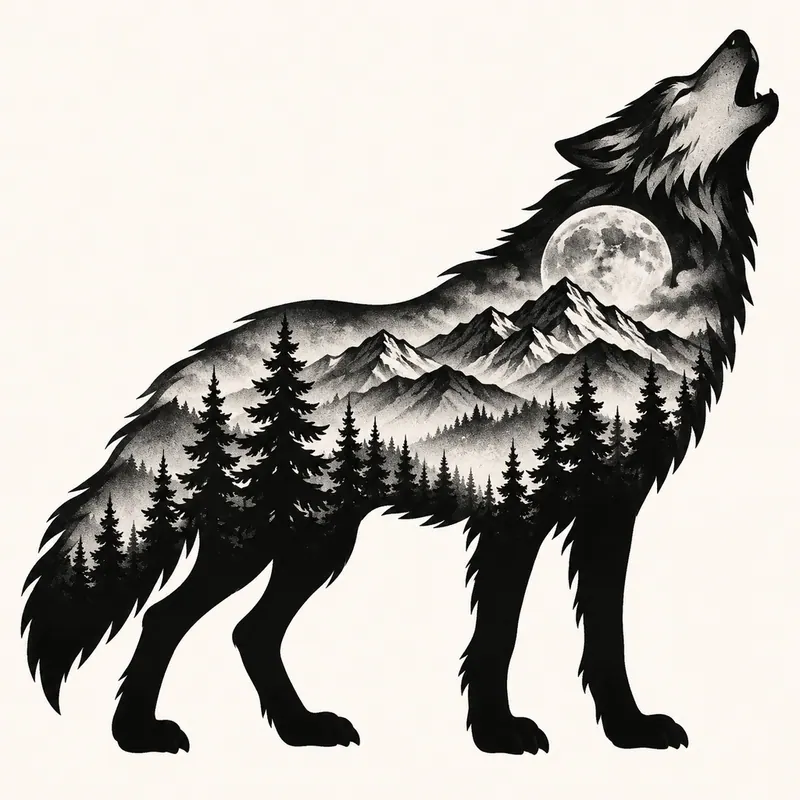
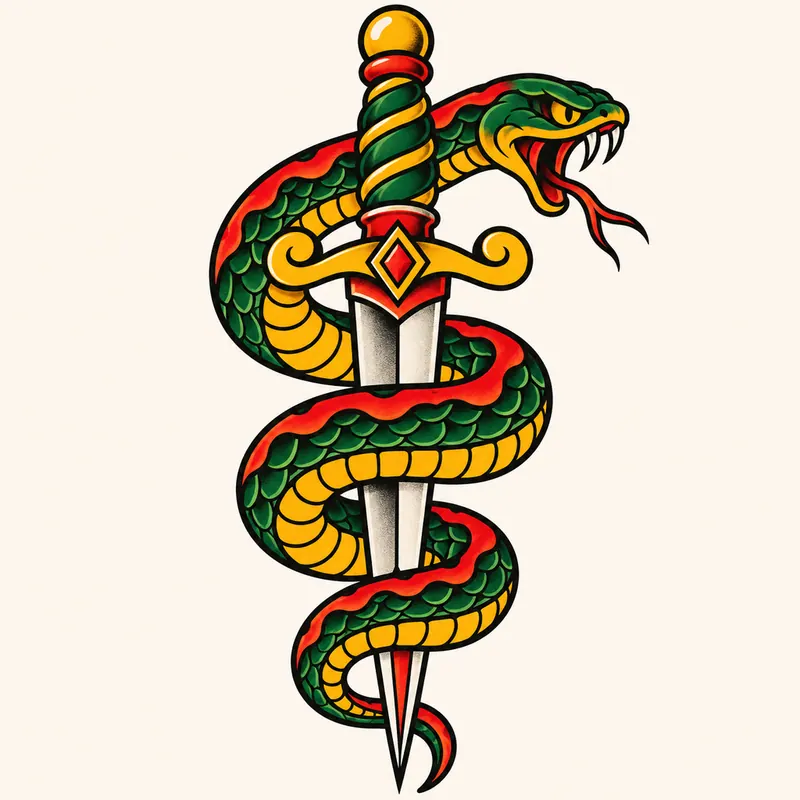
The forearm offers a rare balance: it is visible when you want it to be and easy to cover when you don’t. The skin is fairly flat and firm, the area heals well, and there is enough length for vertical designs like howling wolves, snakes, daggers or flower stems. It is also the natural starting point if you think you might want a sleeve one day.
There is a personal side too: an inner forearm tattoo is one of the few you can see yourself every day without a mirror. That is why so many people choose it for a name, a date or a symbol that carries a story.
Inner vs. outer forearm
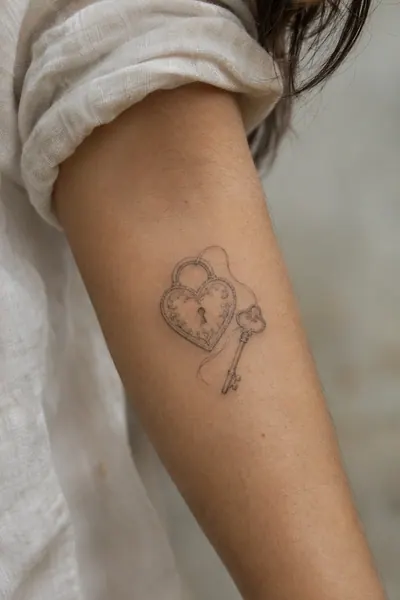
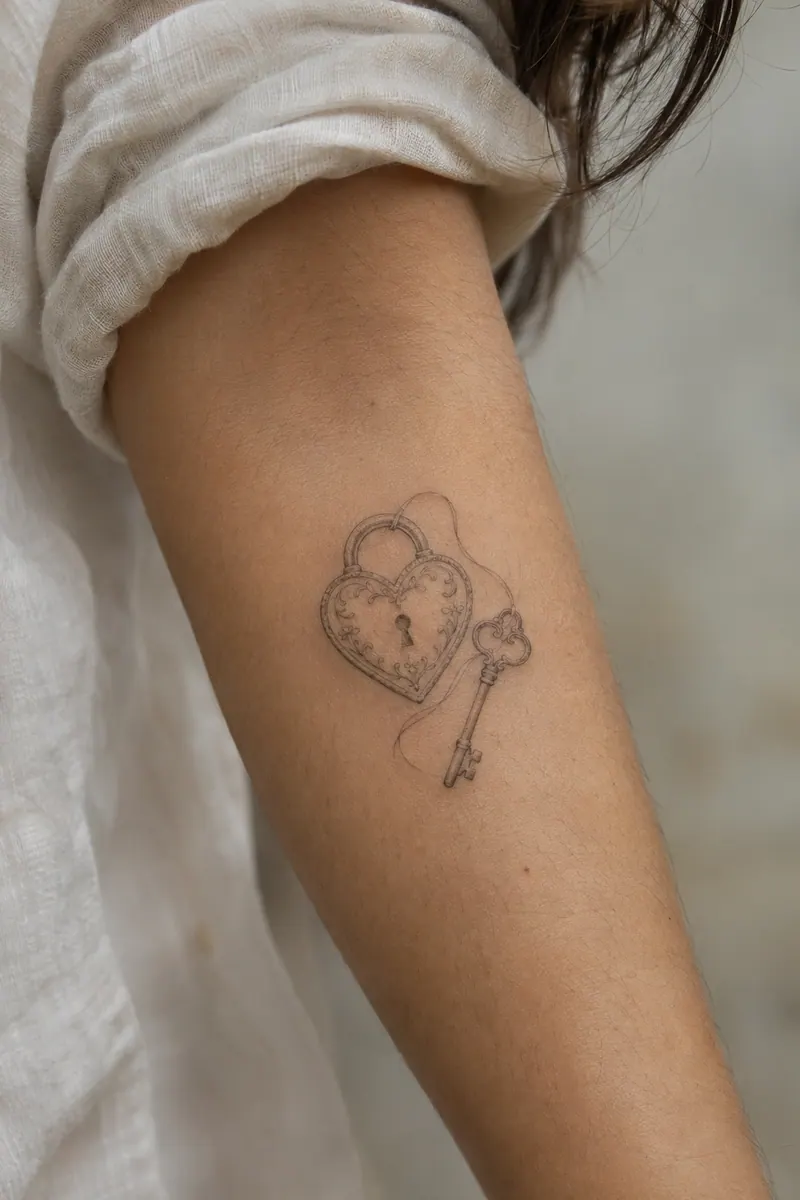
Inner forearm. Softer, paler skin that gets less sun, so tattoos tend to stay crisp. You see the design yourself every day, which makes it a favorite for meaningful symbols, dates and lettering. It is slightly more sensitive to tattoo.
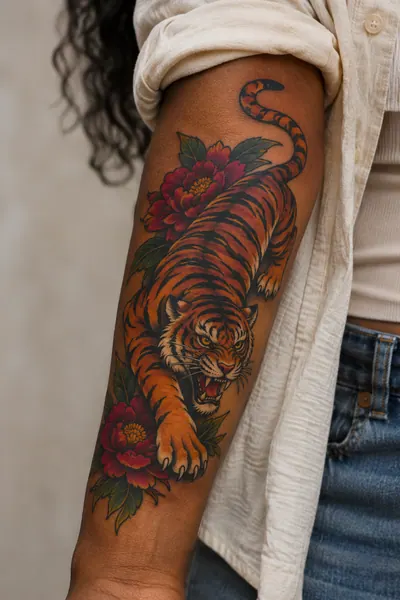
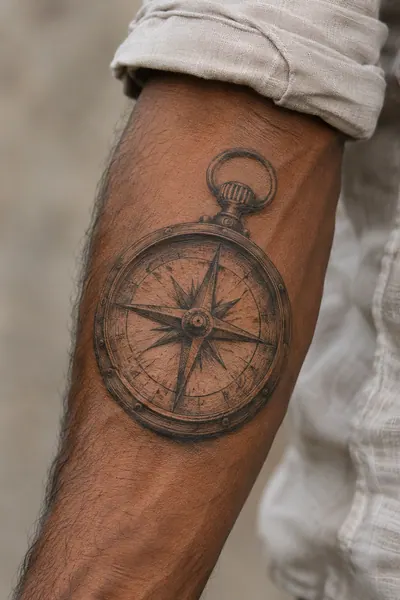
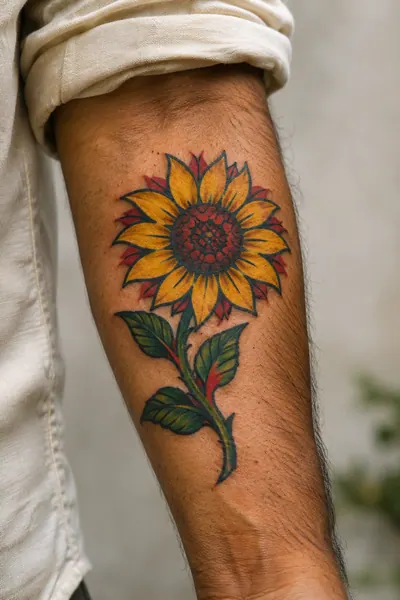
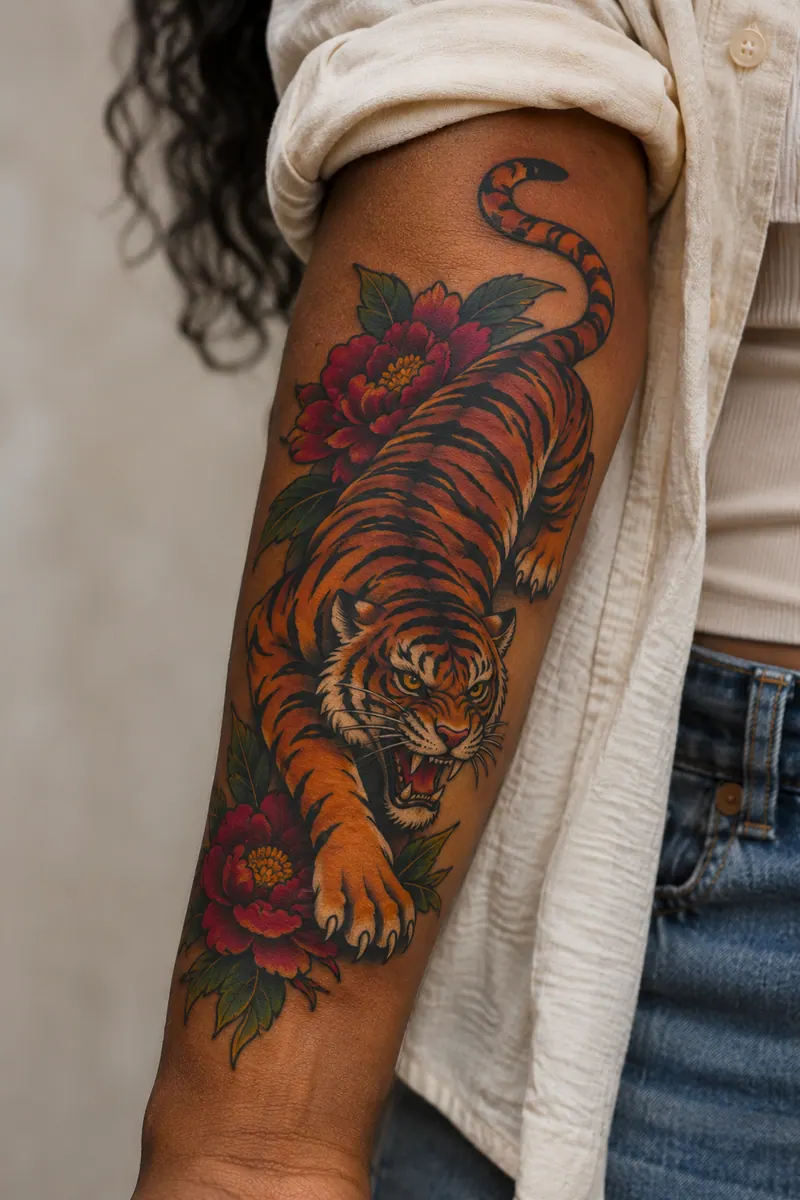
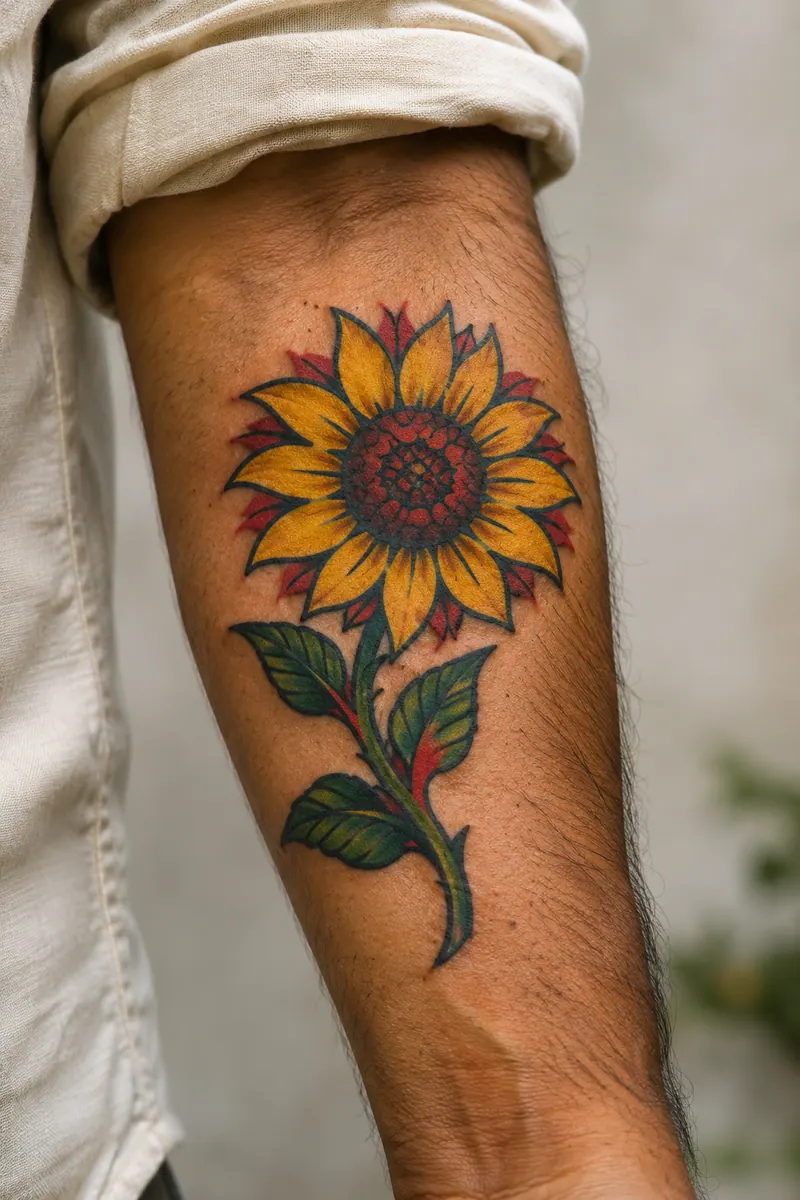
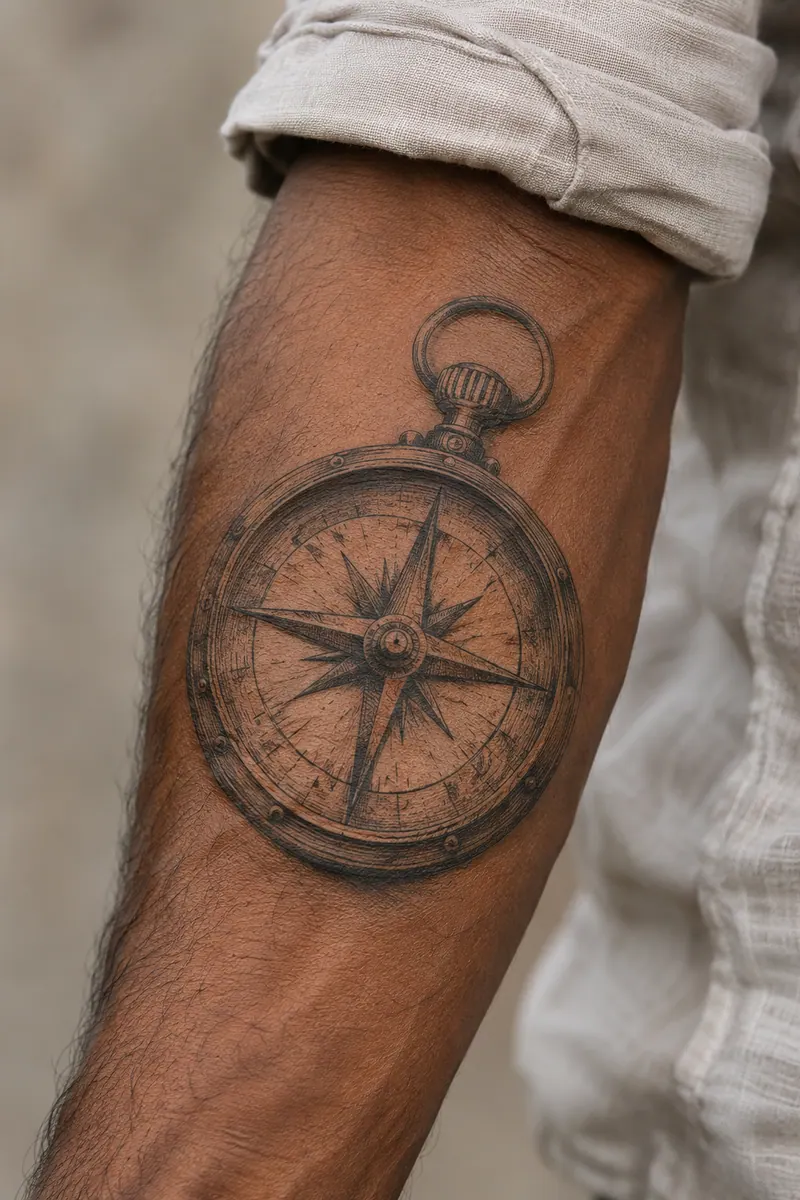
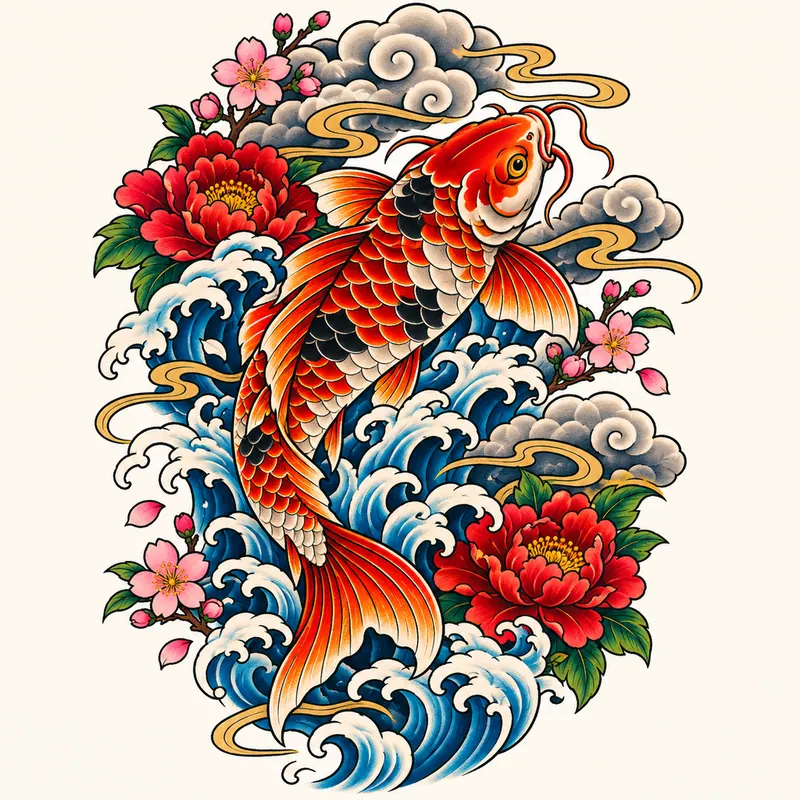
Outer forearm. More visible to others and a little less painful. It gets more sun exposure, so bold styles like traditional, blackwork or Japanese hold up best here. Great for statement pieces.
Designs that work on the forearm
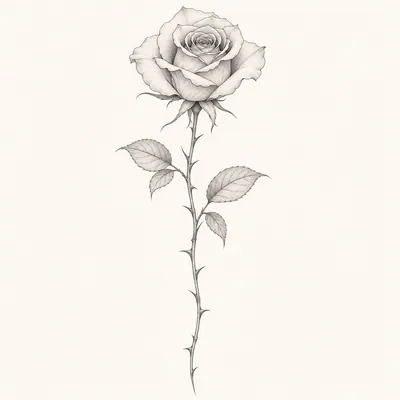
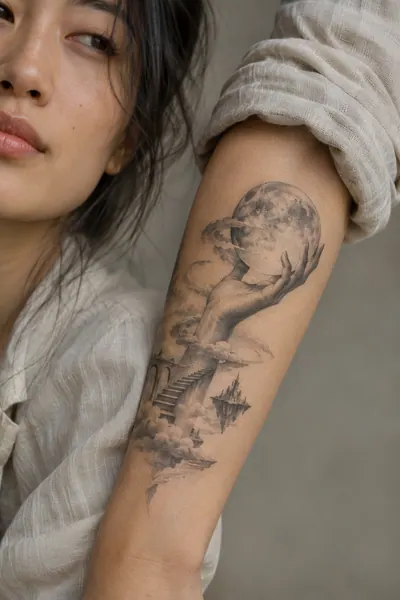
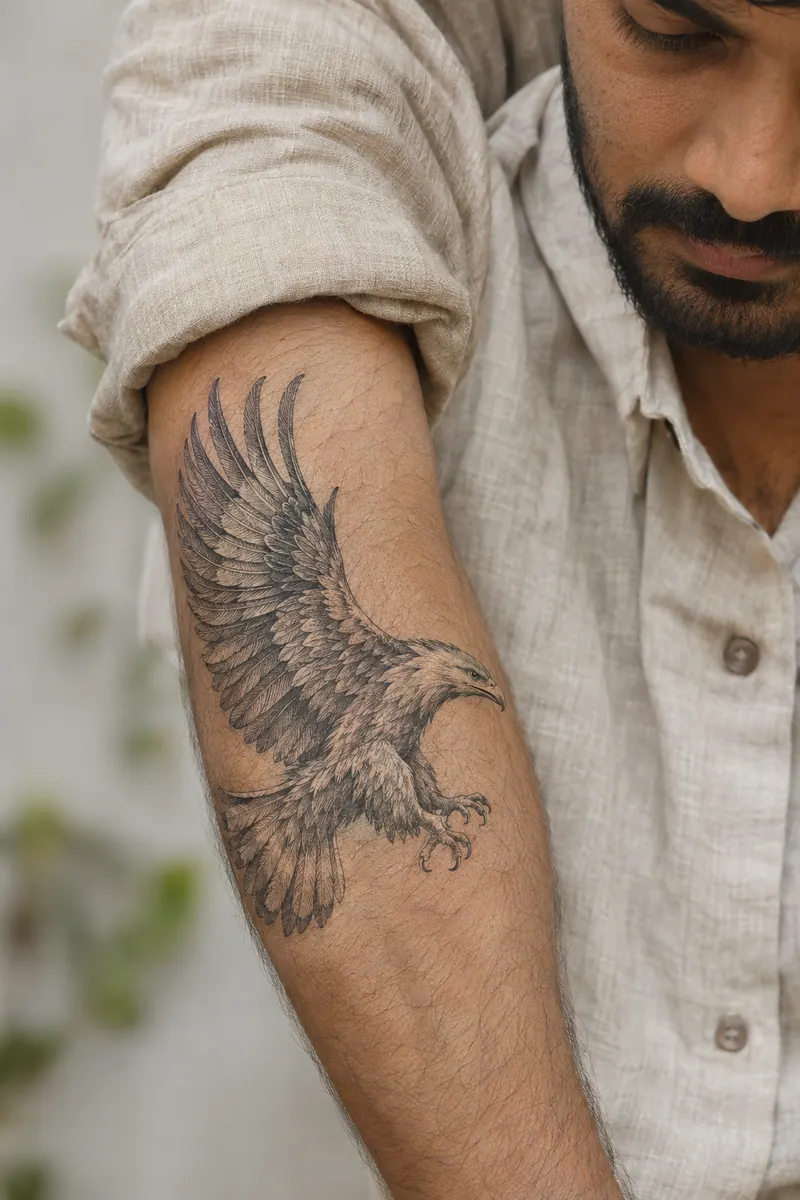
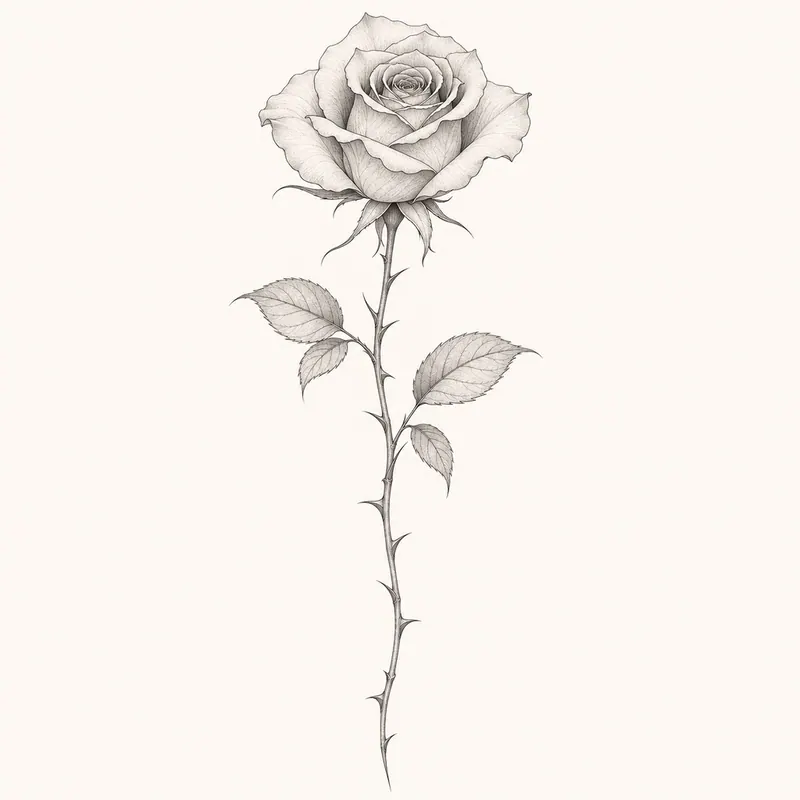
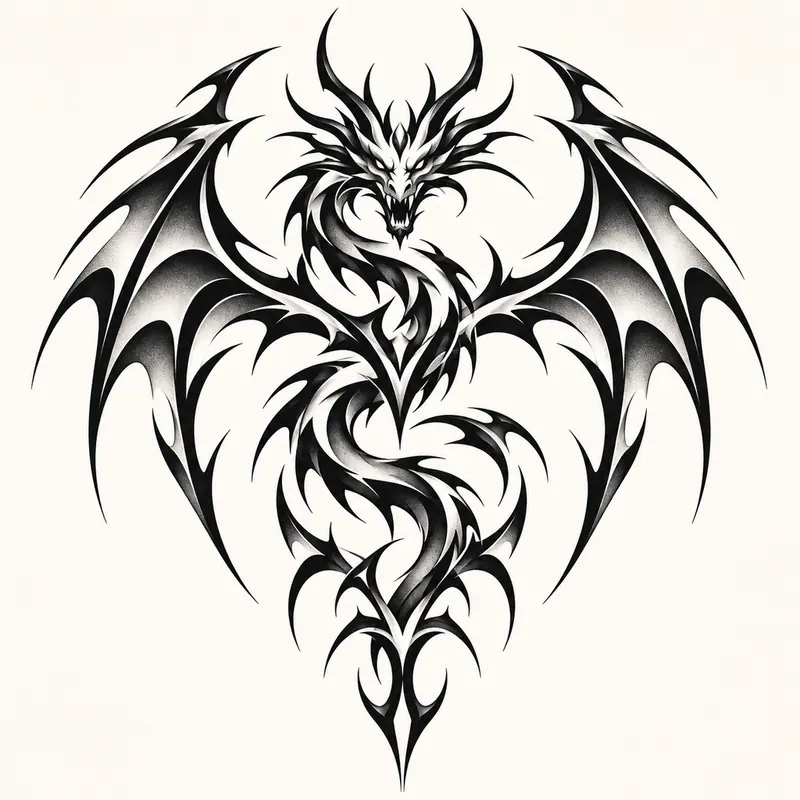
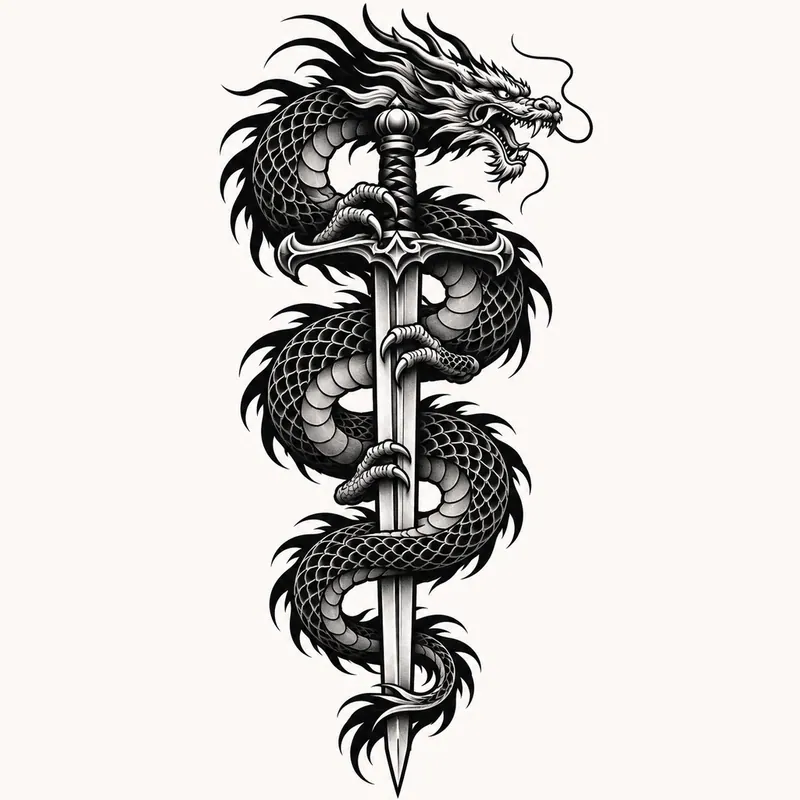
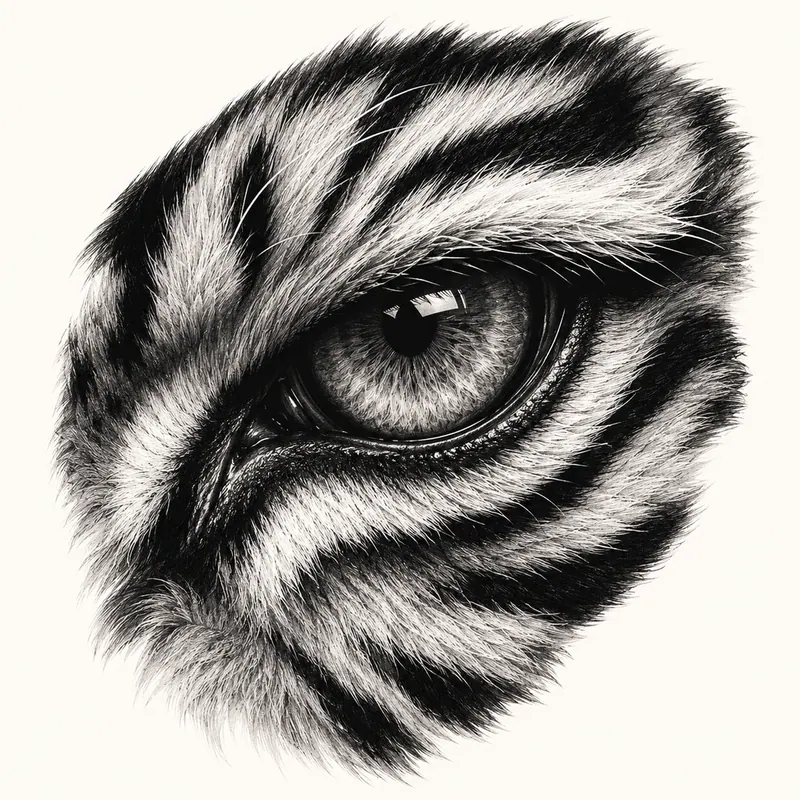
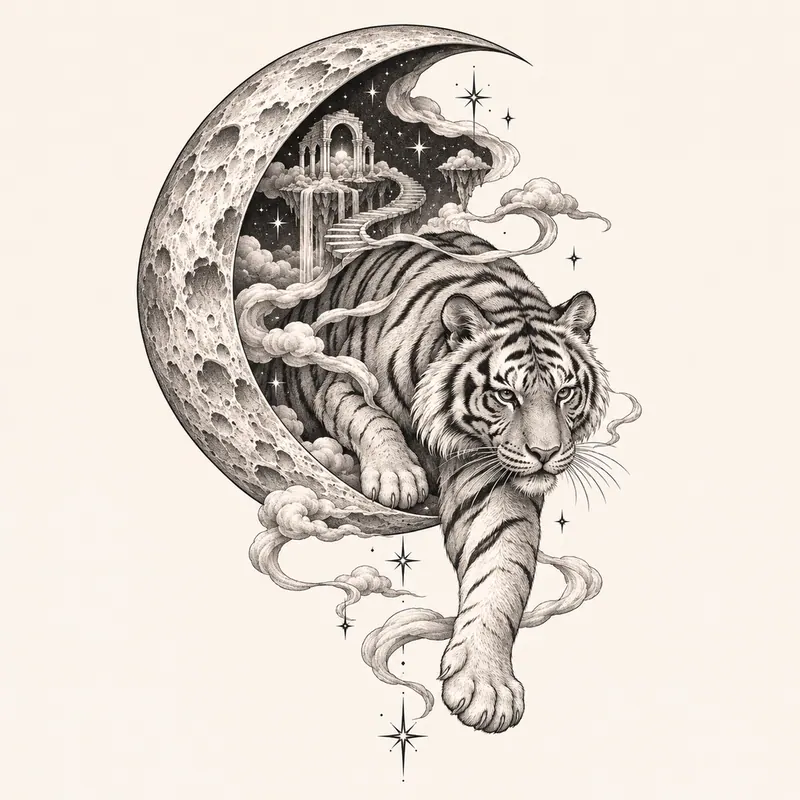
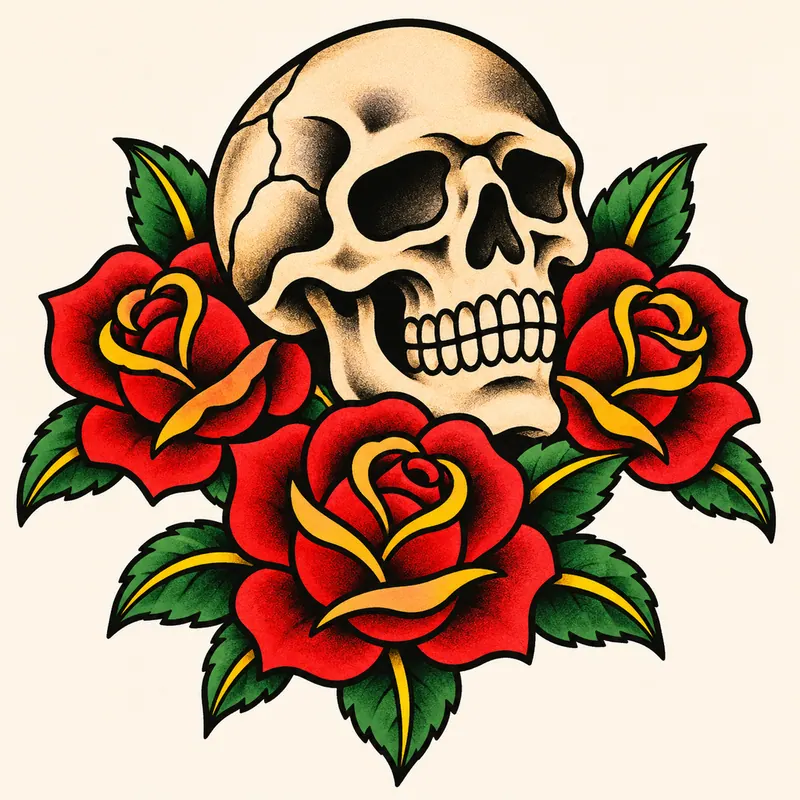
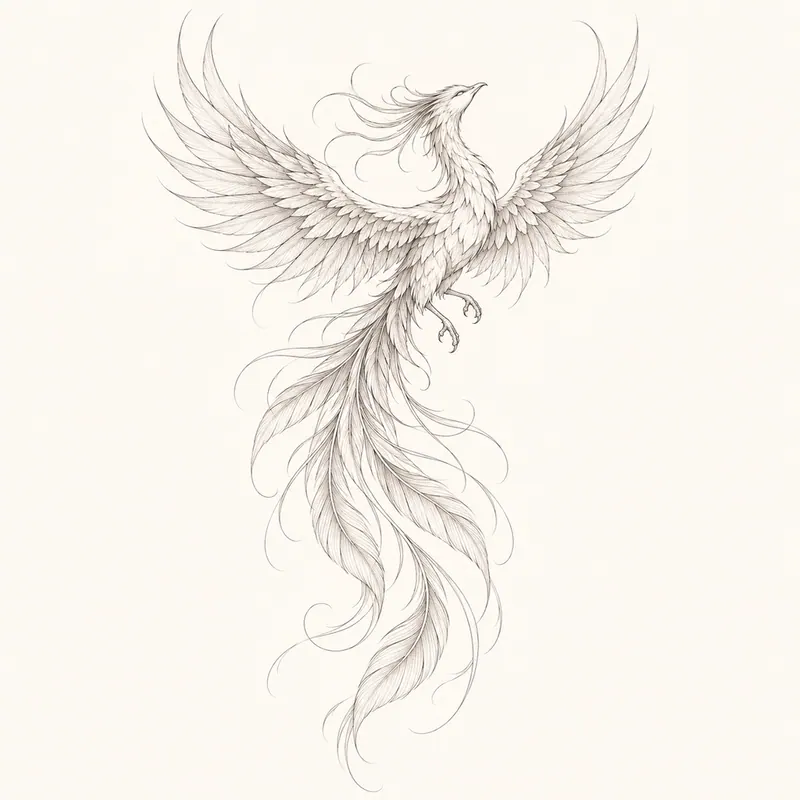
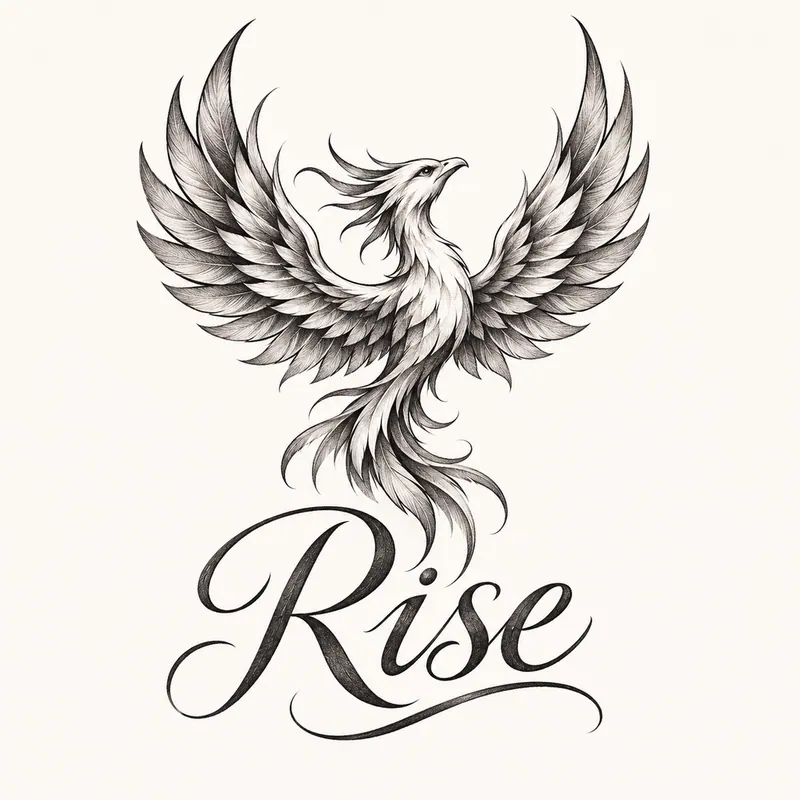
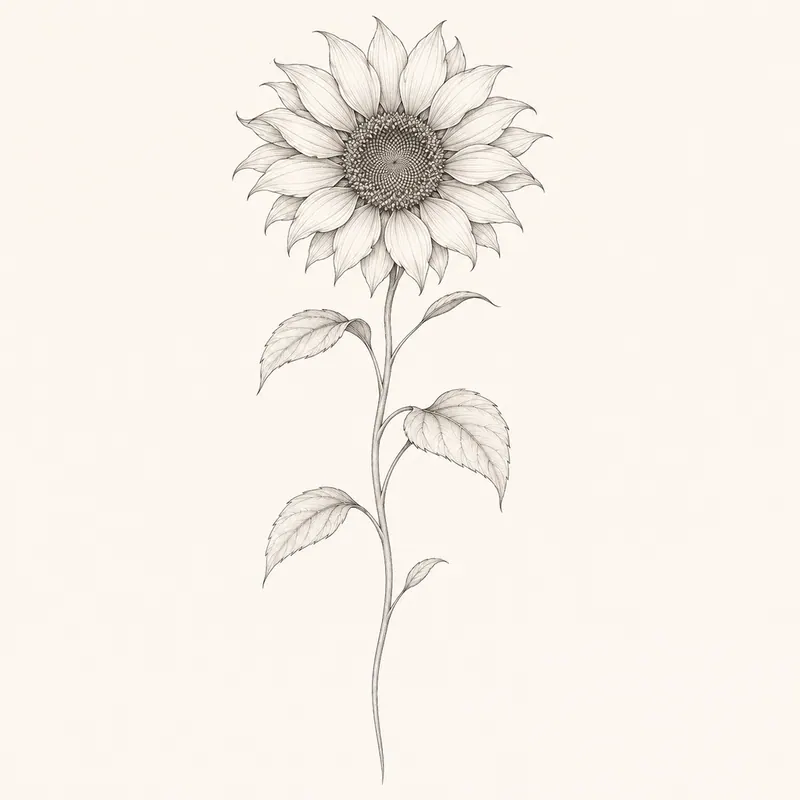
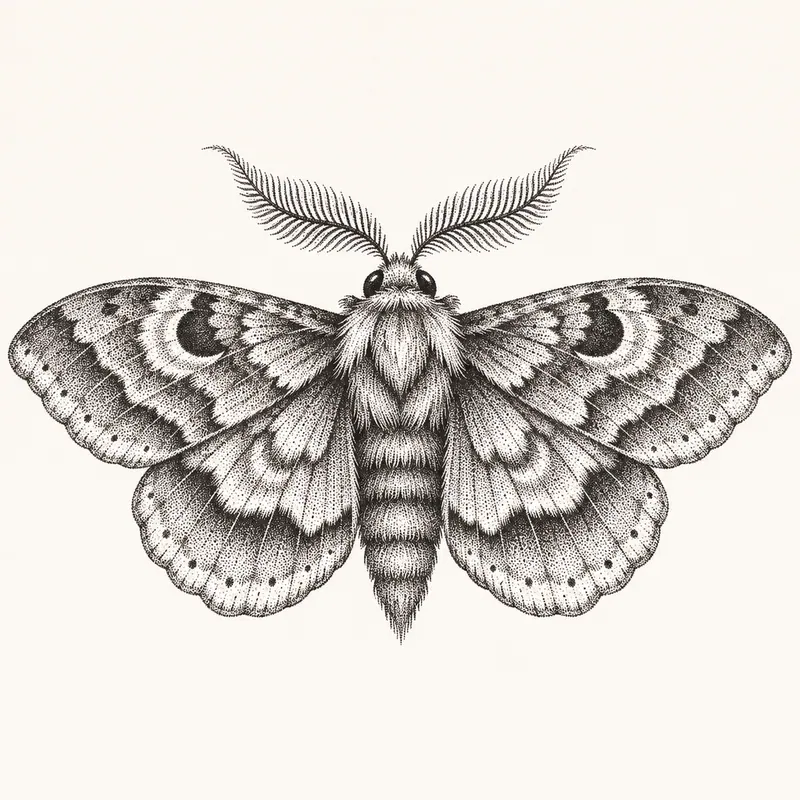
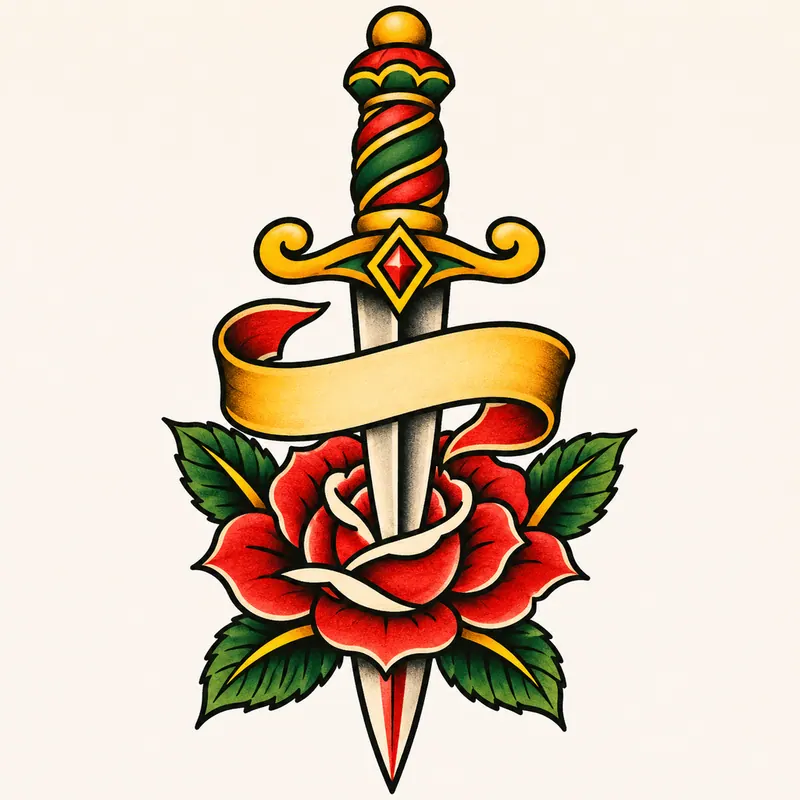
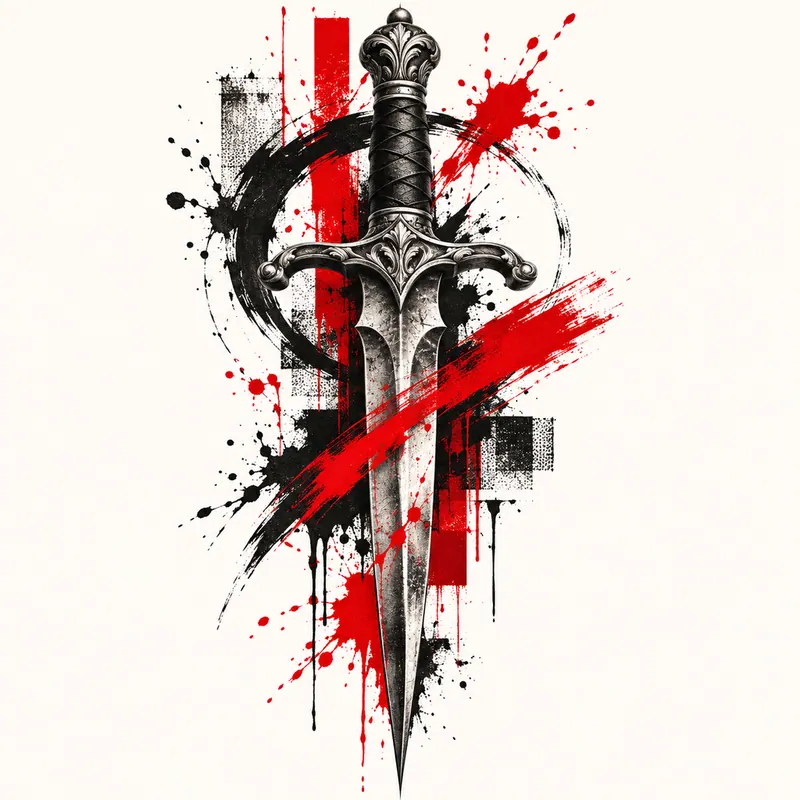
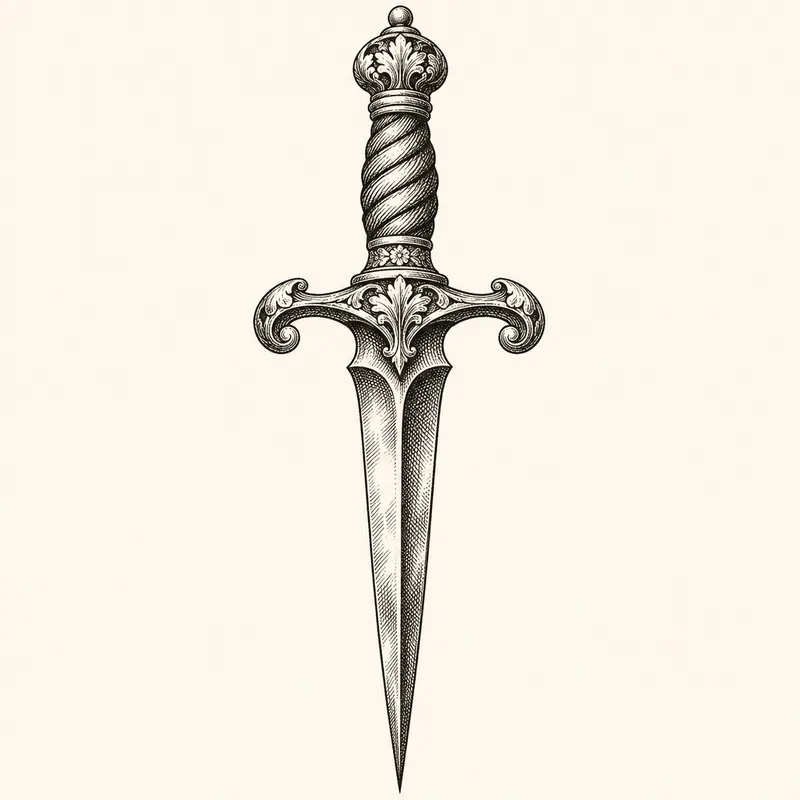
- Vertical subjects follow the shape of the arm: snakes, daggers, roses with long stems, howling wolves, feathers.
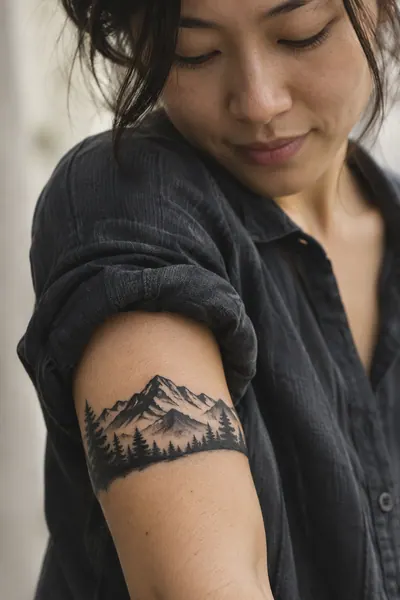
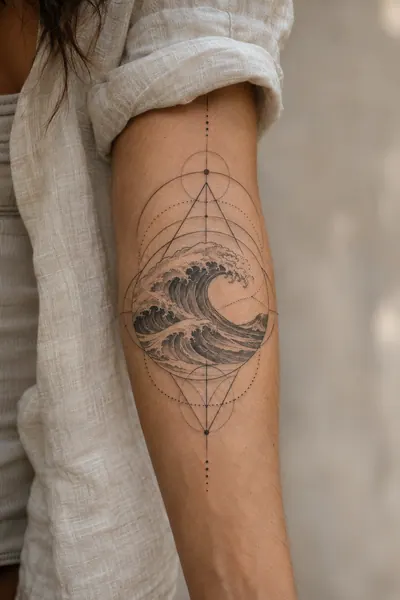
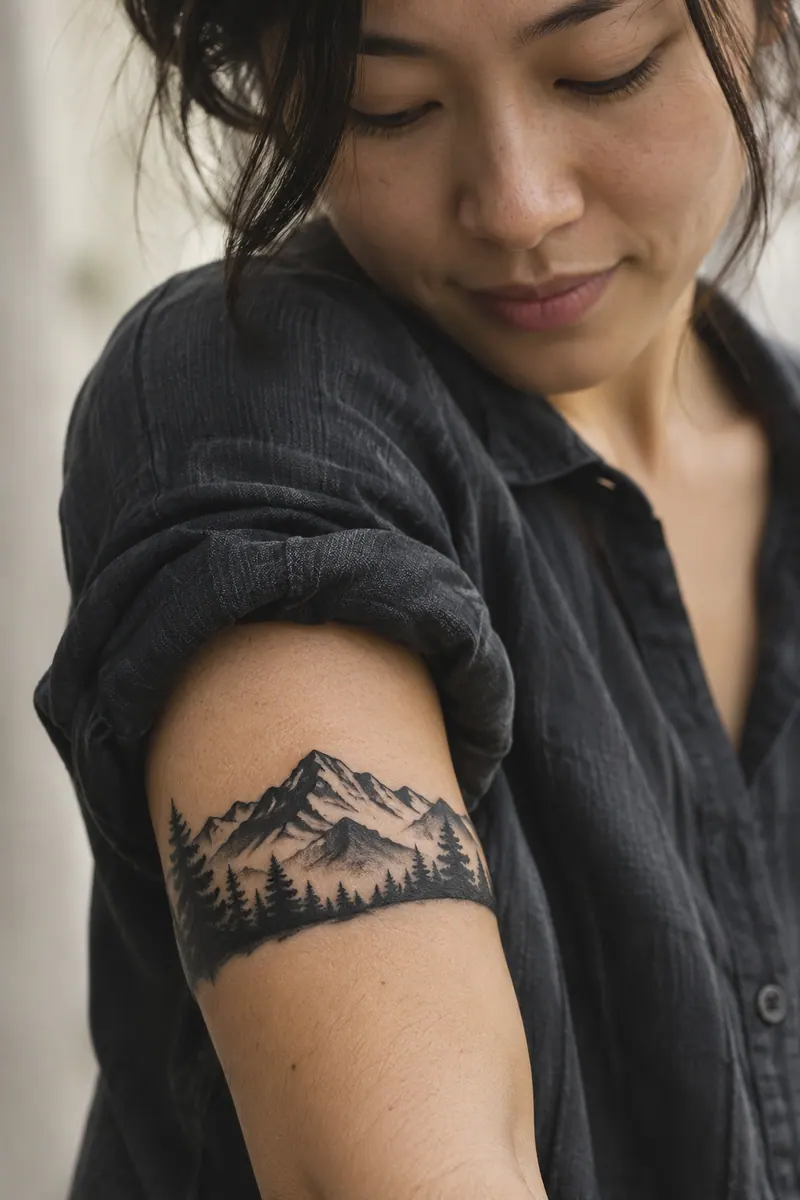
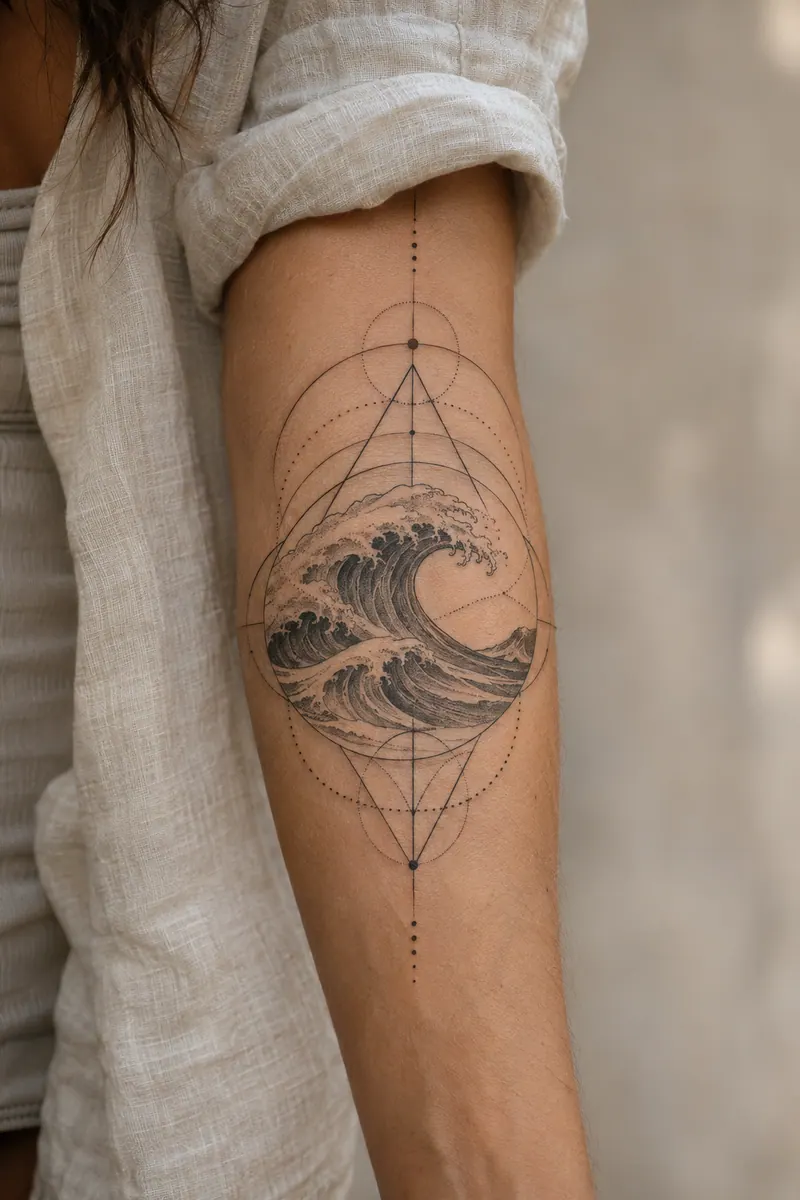
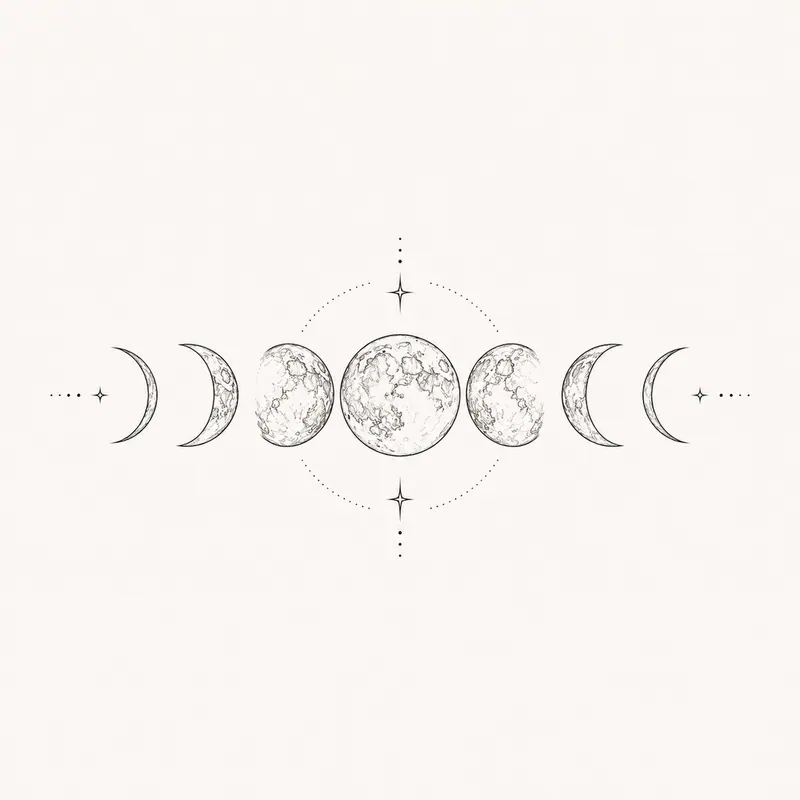
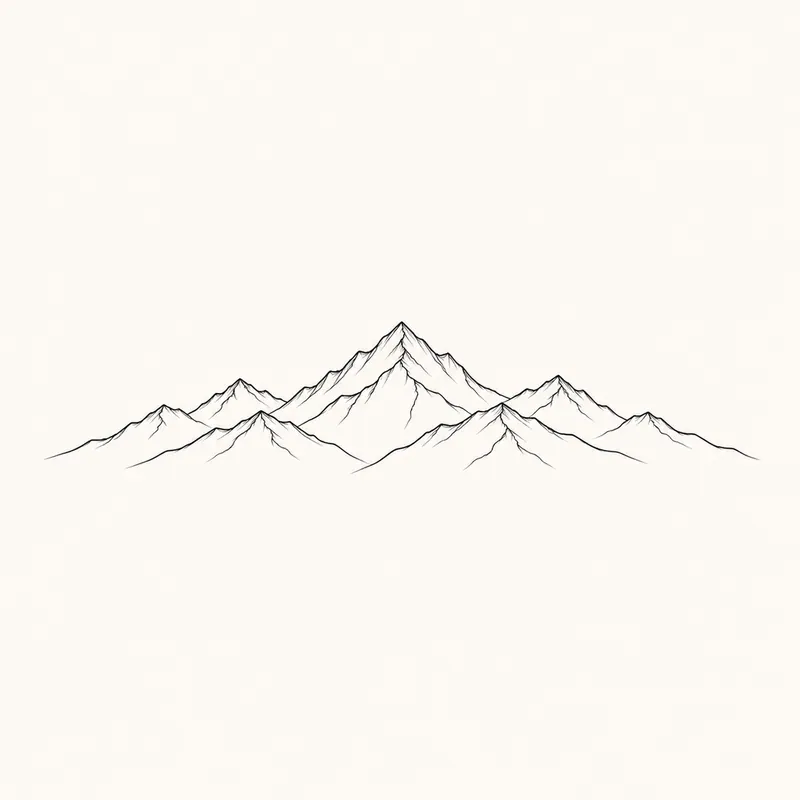
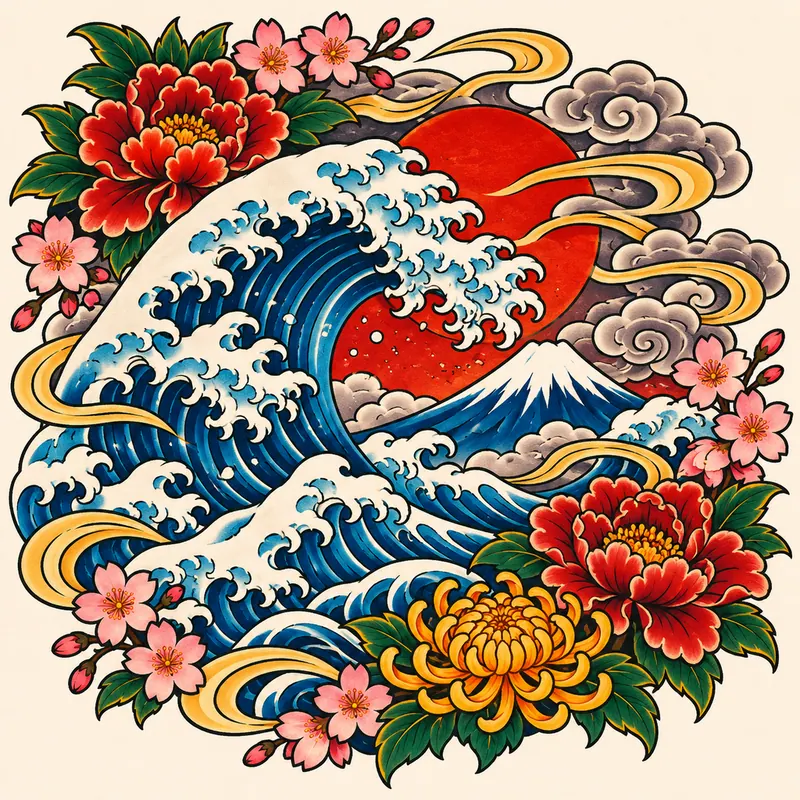
- Bands and wraparounds — mountain ranges, waves, ornamental cuffs — run around the forearm’s circumference.
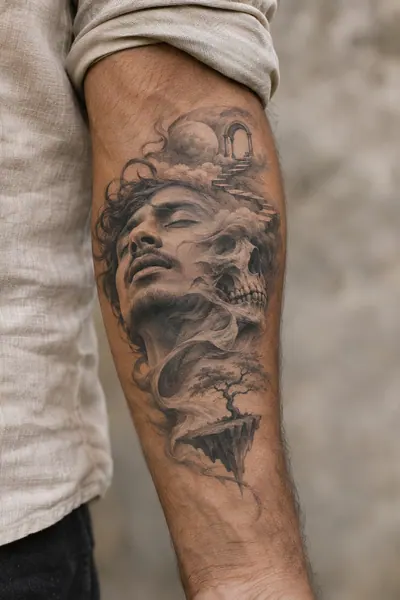
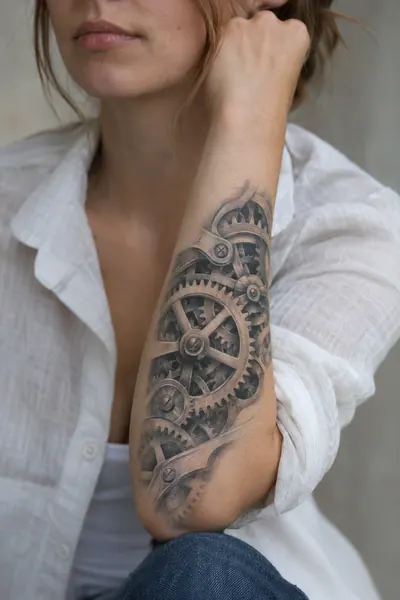
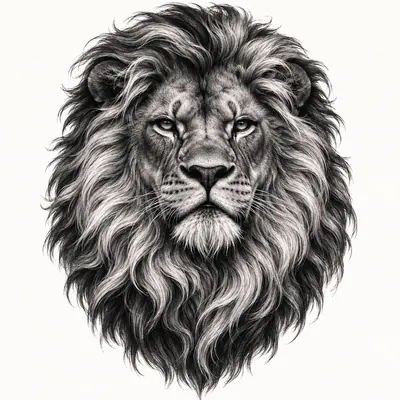
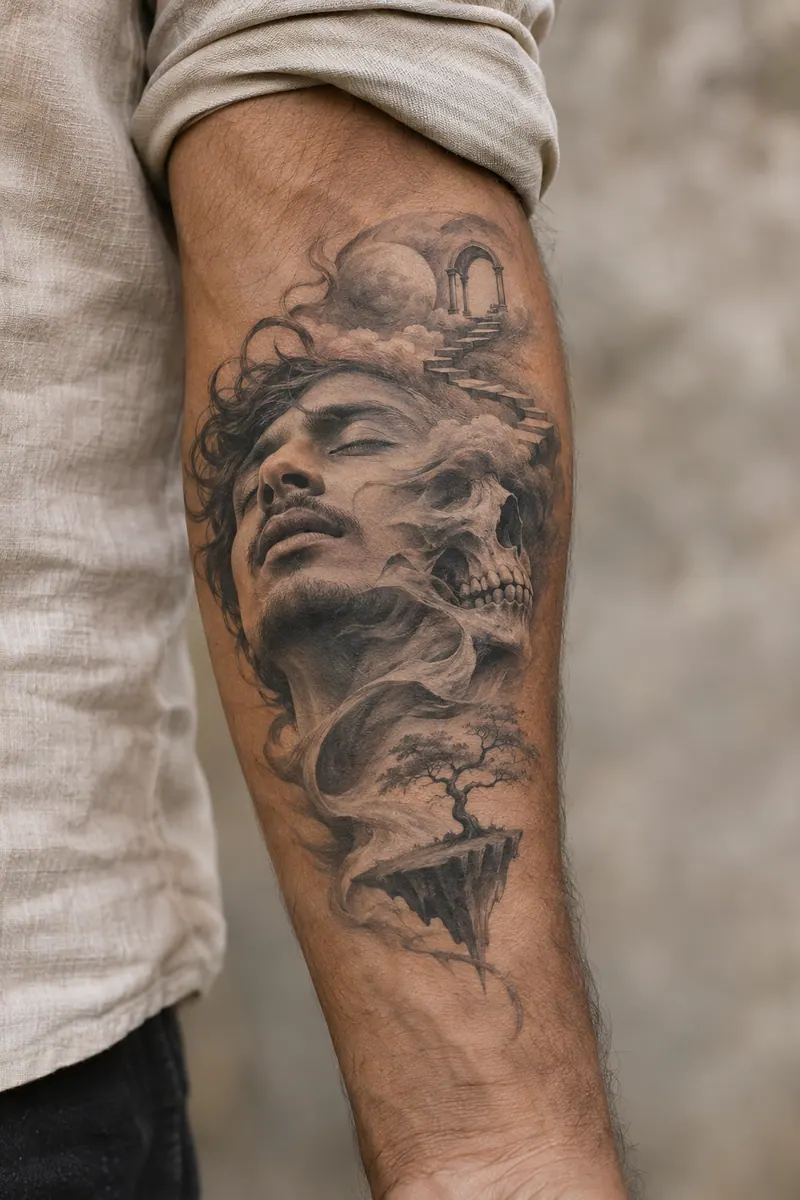
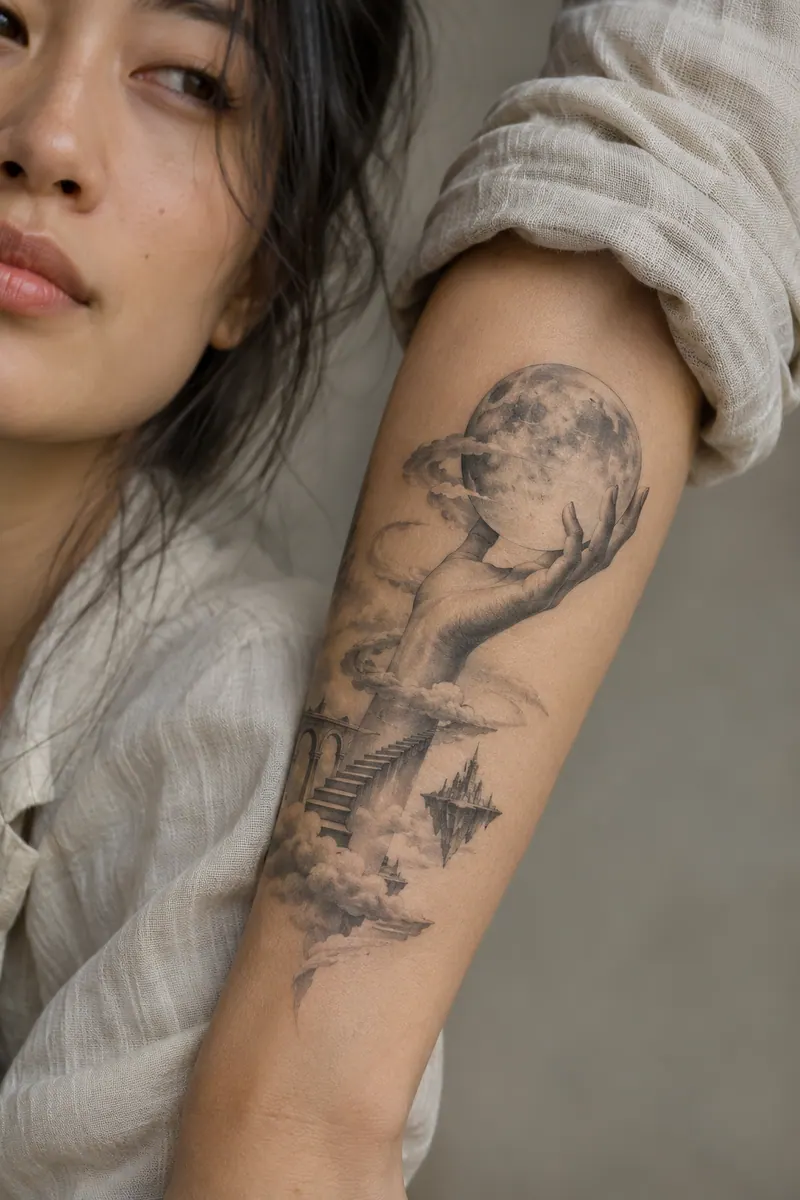
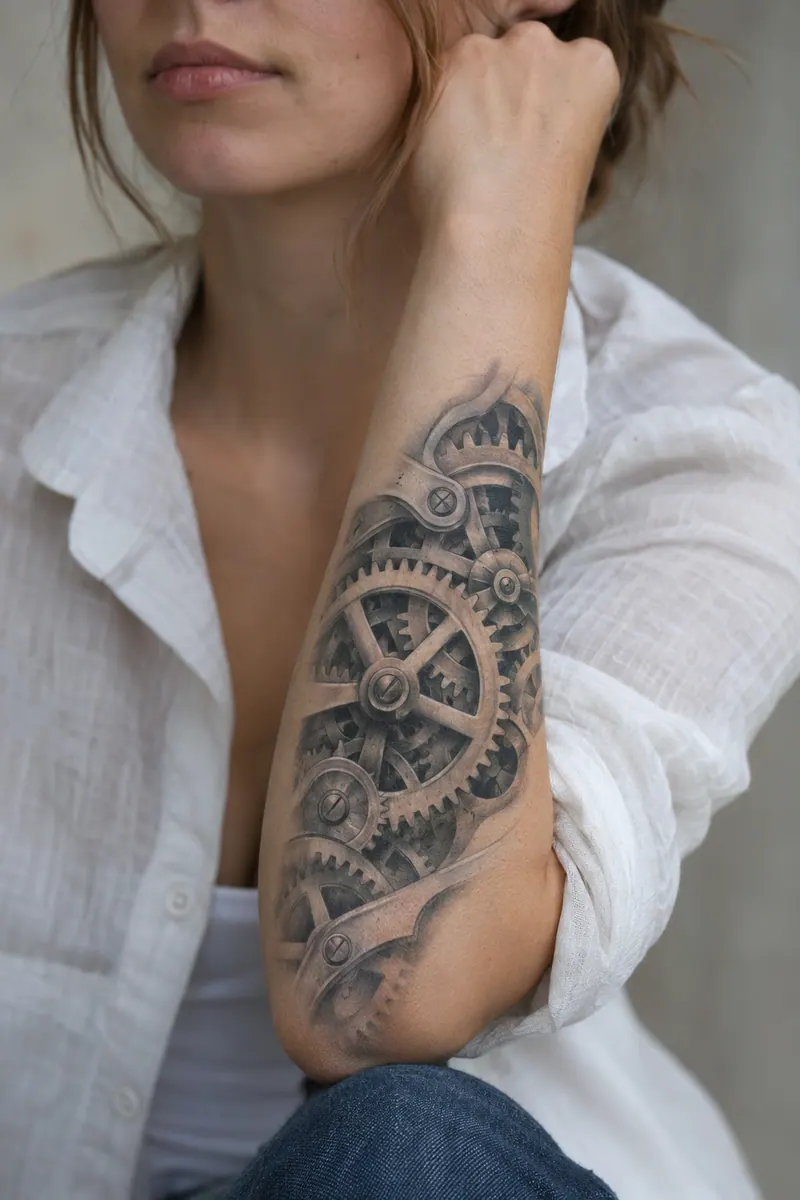
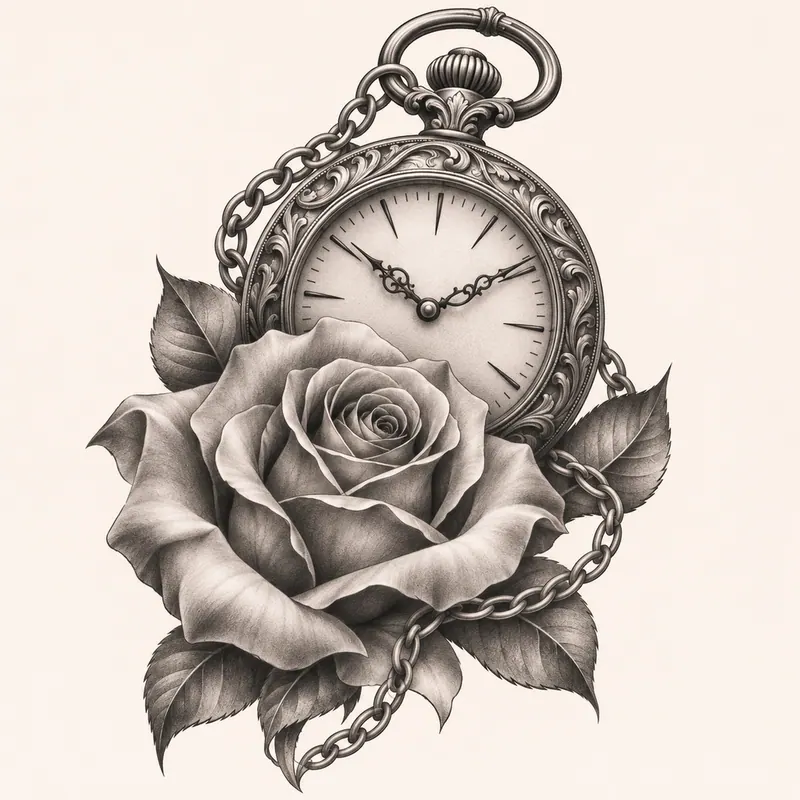
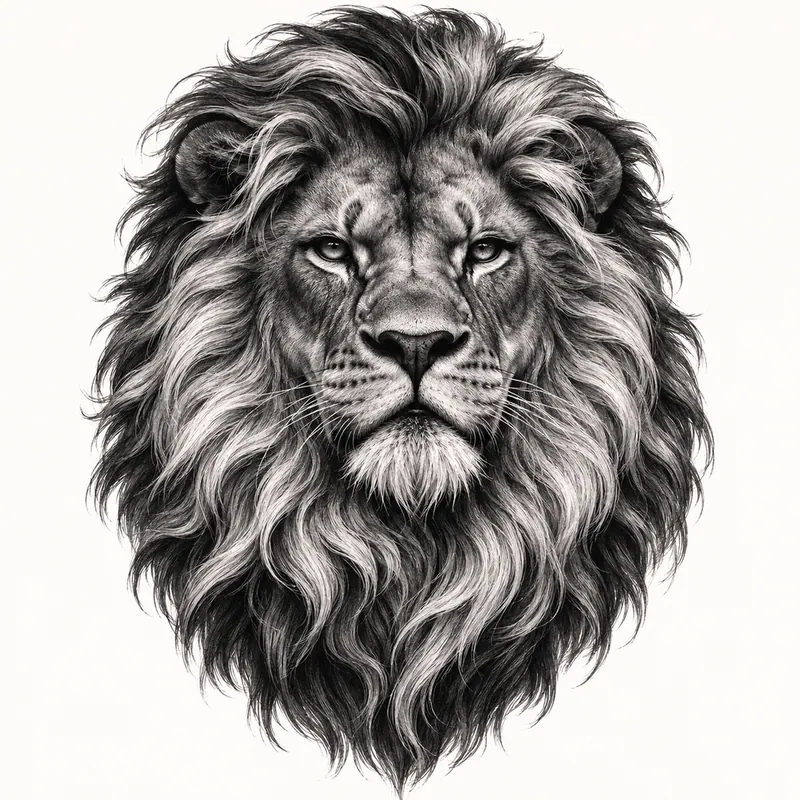
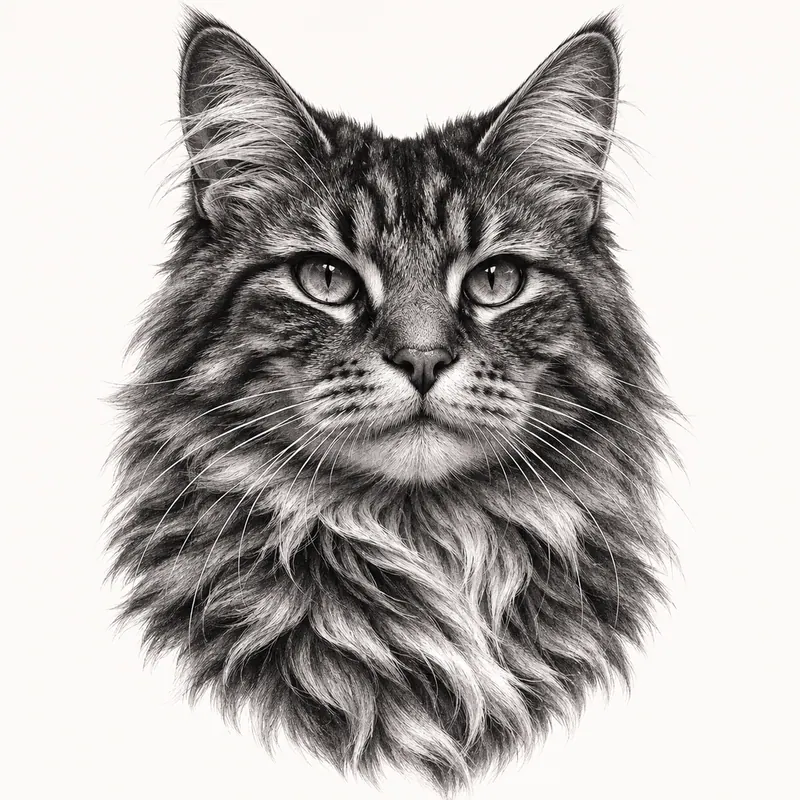
- Portraits and realism need the wider upper part of the forearm, closer to the elbow.
- Small fine line pieces sit well on the inner forearm, where they stay protected.
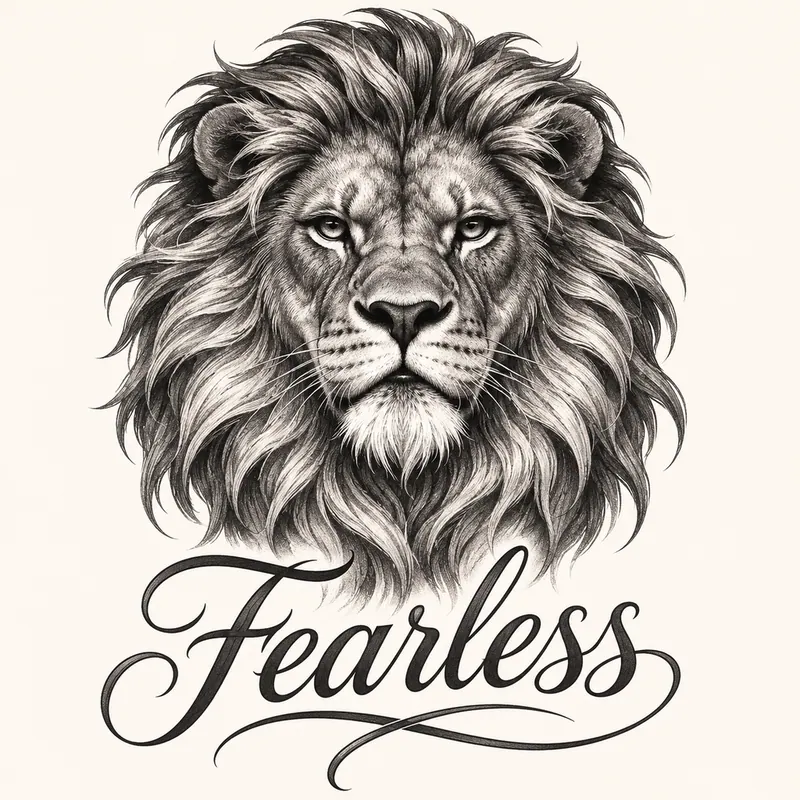
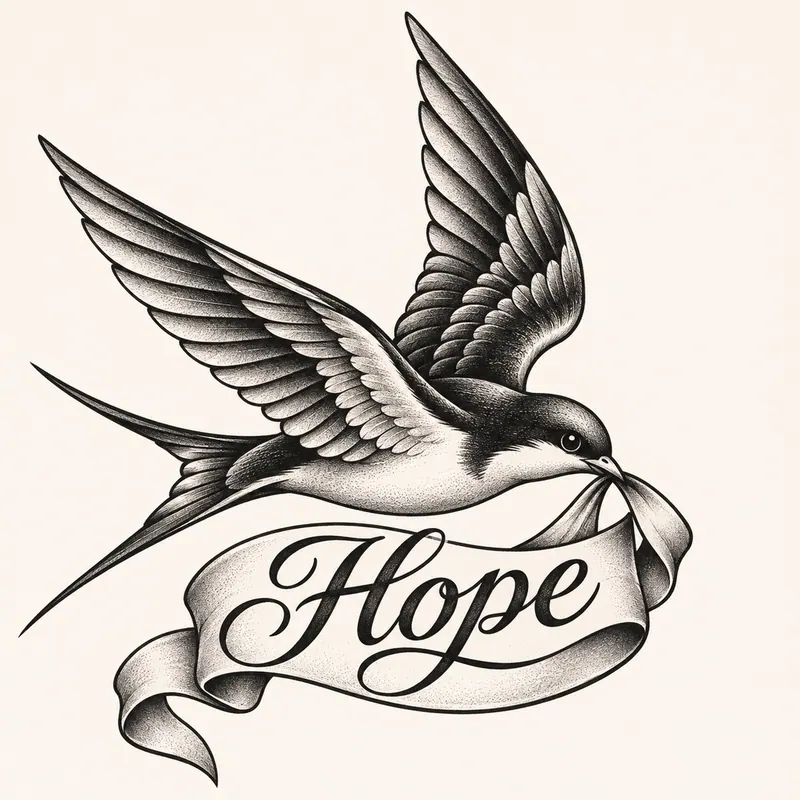
- Script and short quotes read naturally along the length of the inner forearm.
Forearm tattoos by style
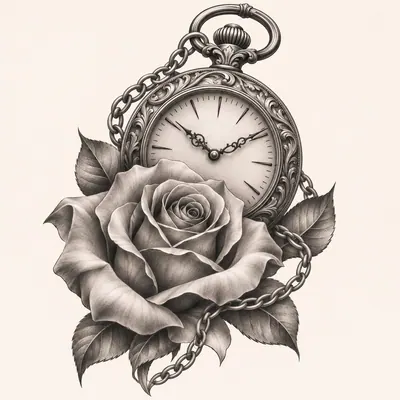
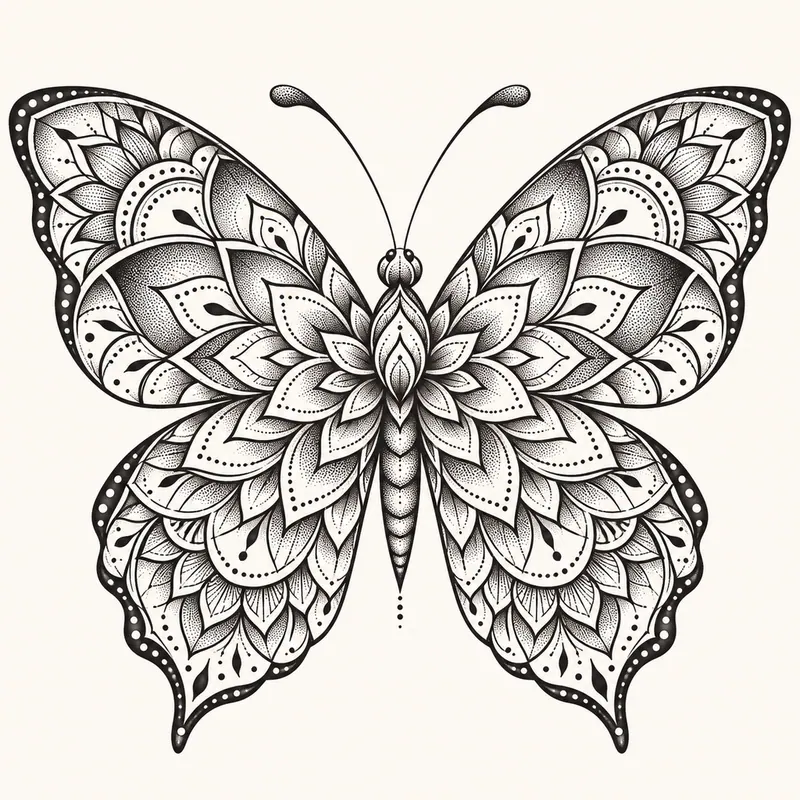
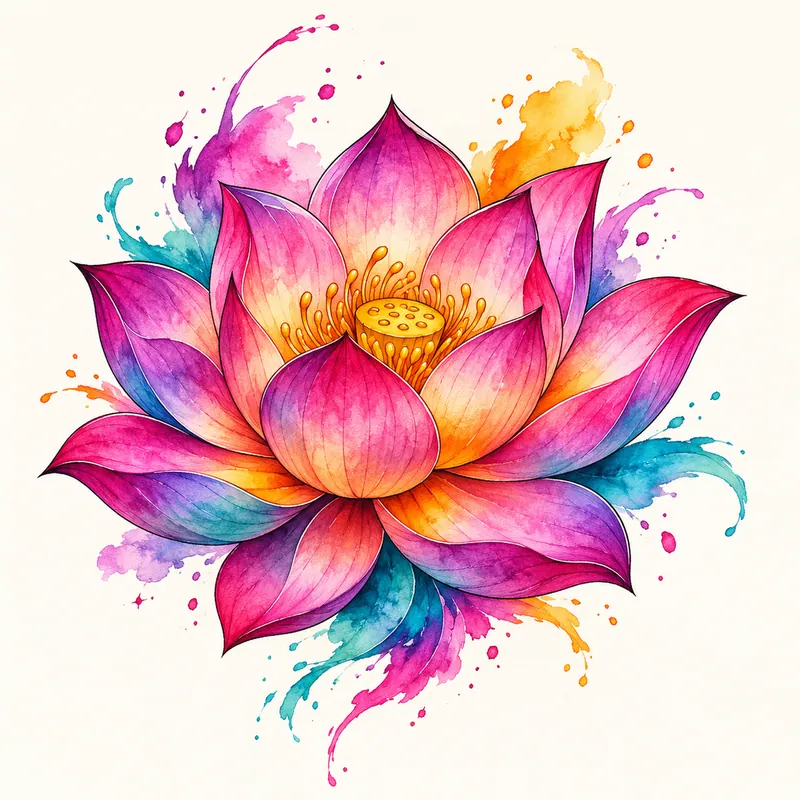
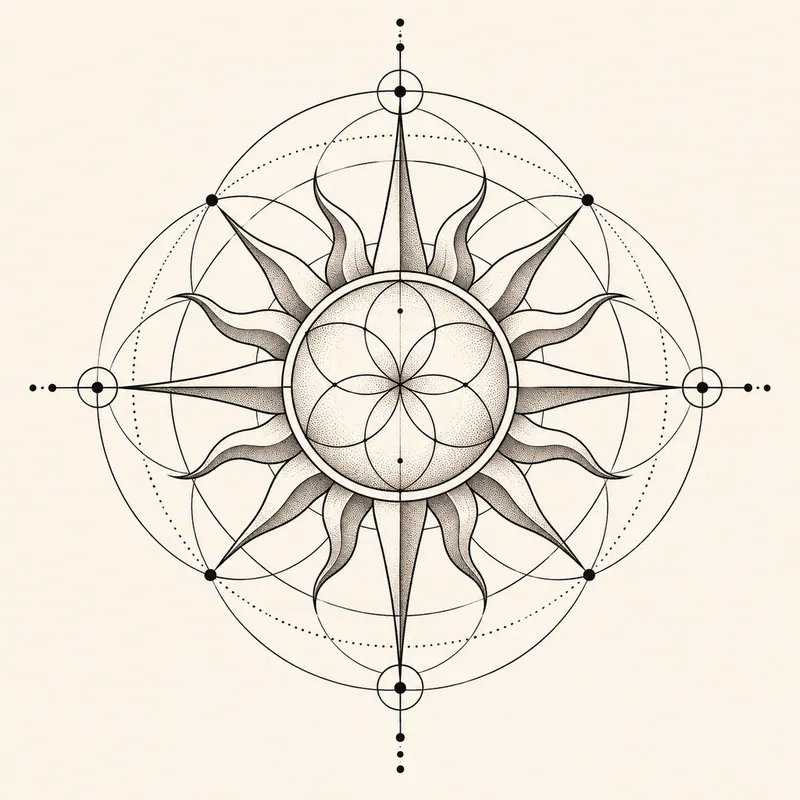
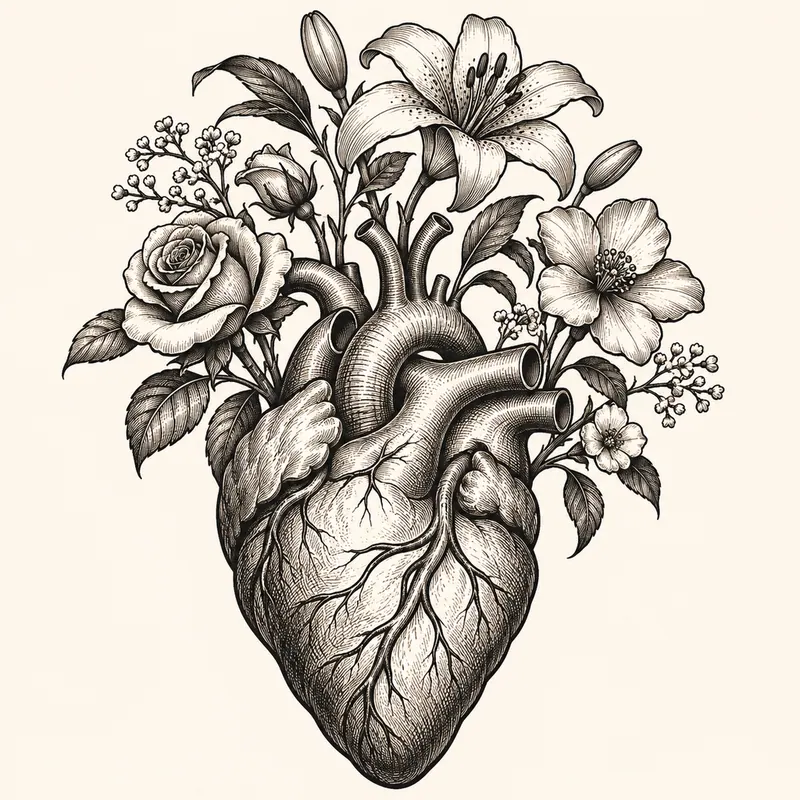
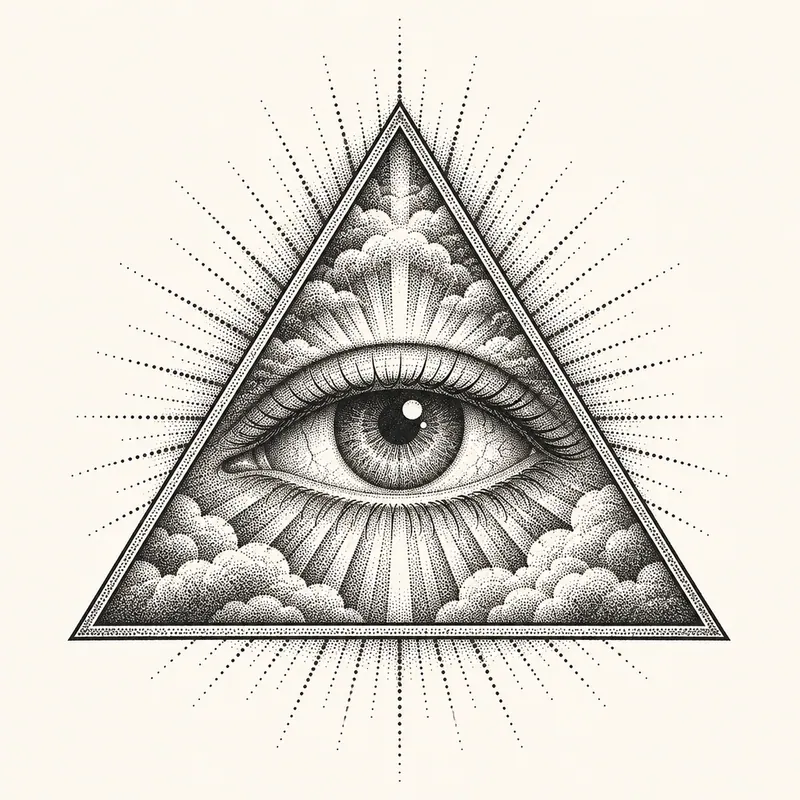
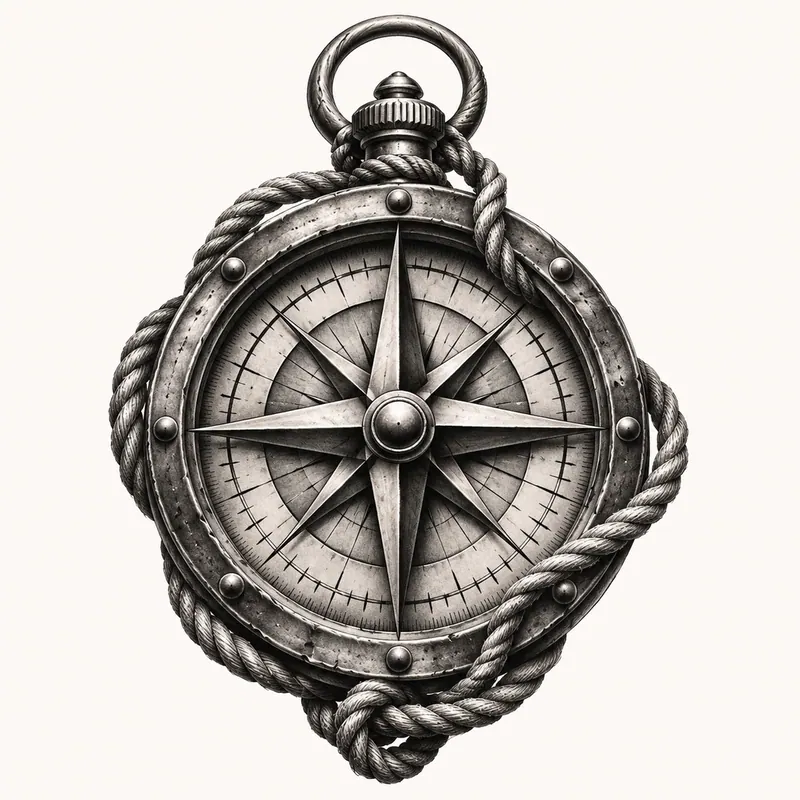
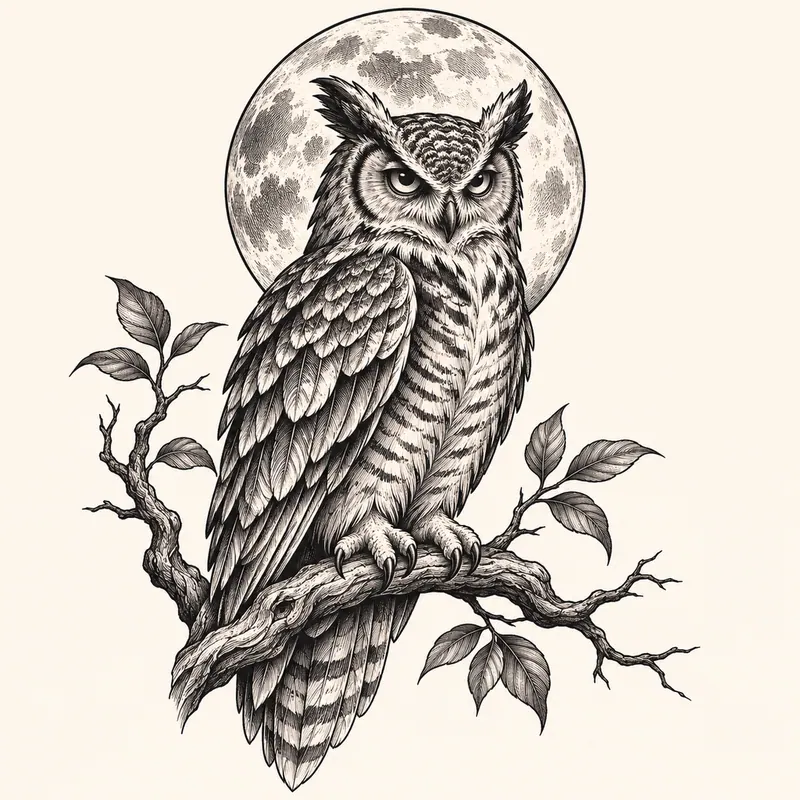
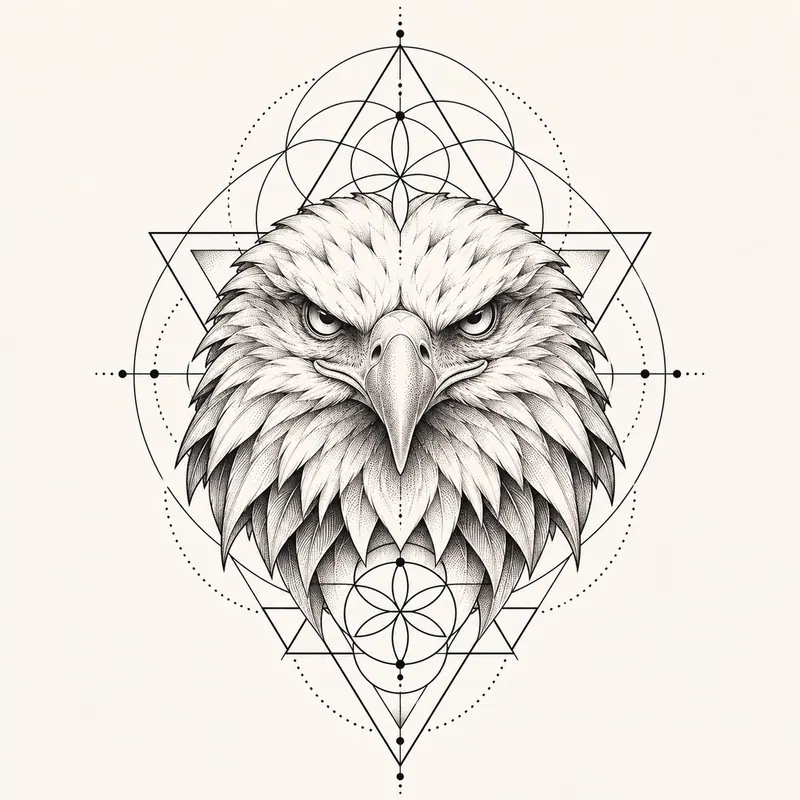
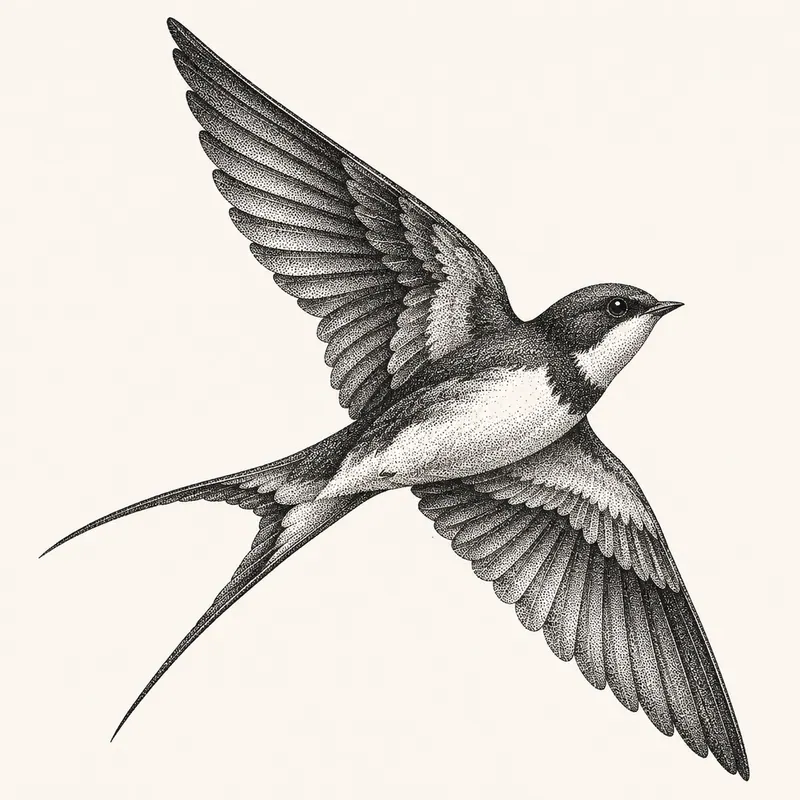
Almost every style works here, but they behave differently. Bold traditional and Japanese pieces read clearly from across a room and age gracefully on the sun-exposed outer side. Fine line, dotwork and minimalist designs feel more personal and suit the inner forearm. Realism and black-and-grey need the widest part of the arm to keep detail. If you’re unsure, generate the same idea in two or three styles and compare them side by side.
Starting a sleeve from the forearm
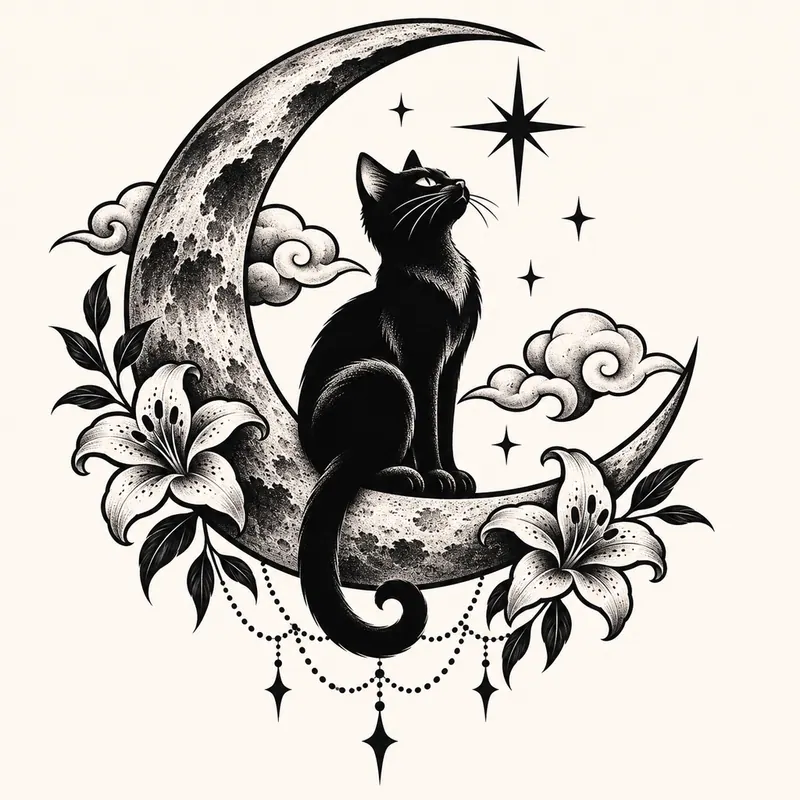
If a full sleeve might be in your future, plan the first forearm piece with that in mind. Leave some breathing room around it, keep the background simple, and choose a style you’d be happy to continue — mixing too many styles on one arm can look busy later. Many artists build sleeves from the forearm upward, adding connecting elements such as clouds, waves, leaves or dotwork shading to tie separate pieces together. Telling your artist early that you’re thinking about a sleeve helps them place the first tattoo so the rest can flow around it.
Visibility and work
A forearm tattoo is visible whenever you wear short sleeves, so it’s worth thinking about your workplace and how you feel about the design being seen by strangers. The good news: a long sleeve covers it completely, and the inner forearm is less noticeable than the outer side. Many people choose a smaller inner-forearm piece first and expand later.
Pain and healing
On a typical pain scale the forearm is low to moderate for most people. Expect more sensitivity close to the wrist bone and the inner elbow. Healing is usually straightforward; the main enemies are friction from sleeves and watches while it heals, and sun exposure once healed. Follow your artist’s aftercare instructions.
Size and planning
Forearms vary a lot in length and width, so a design that looks perfect on screen can end up cramped or lost. Place your design on a photo of your own forearm with InkForge Try-On, resize and rotate it along the arm, and check how much space the details need. Then you can walk into your appointment with a clear idea of size and position.