 InkForge

Why people choose the chest
The chest sits close to the heart, and many people choose it for exactly that reason: it feels like the right place for something meaningful. It is also easy to keep private. Most everyday clothing covers it completely, so you can wear a large, bold tattoo without it showing at work.
The chest is one of the most flexible placements on the body. It works for a tiny design below the collarbone and for a piece that spans both pecs and shoulders. It also works on every body type: designs can follow the collarbones, sit in the center over the sternum, or frame the chest from shoulder to shoulder.
Collarbone, sternum or full chest piece
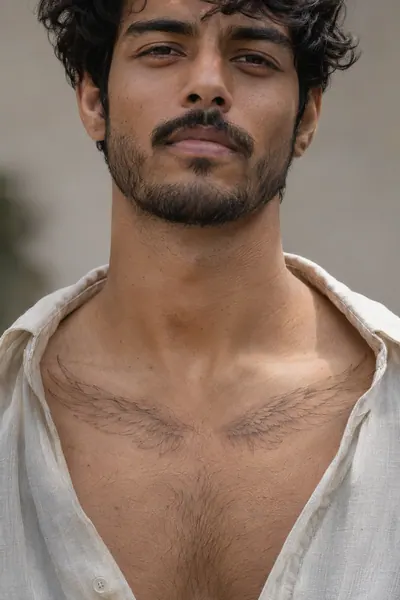
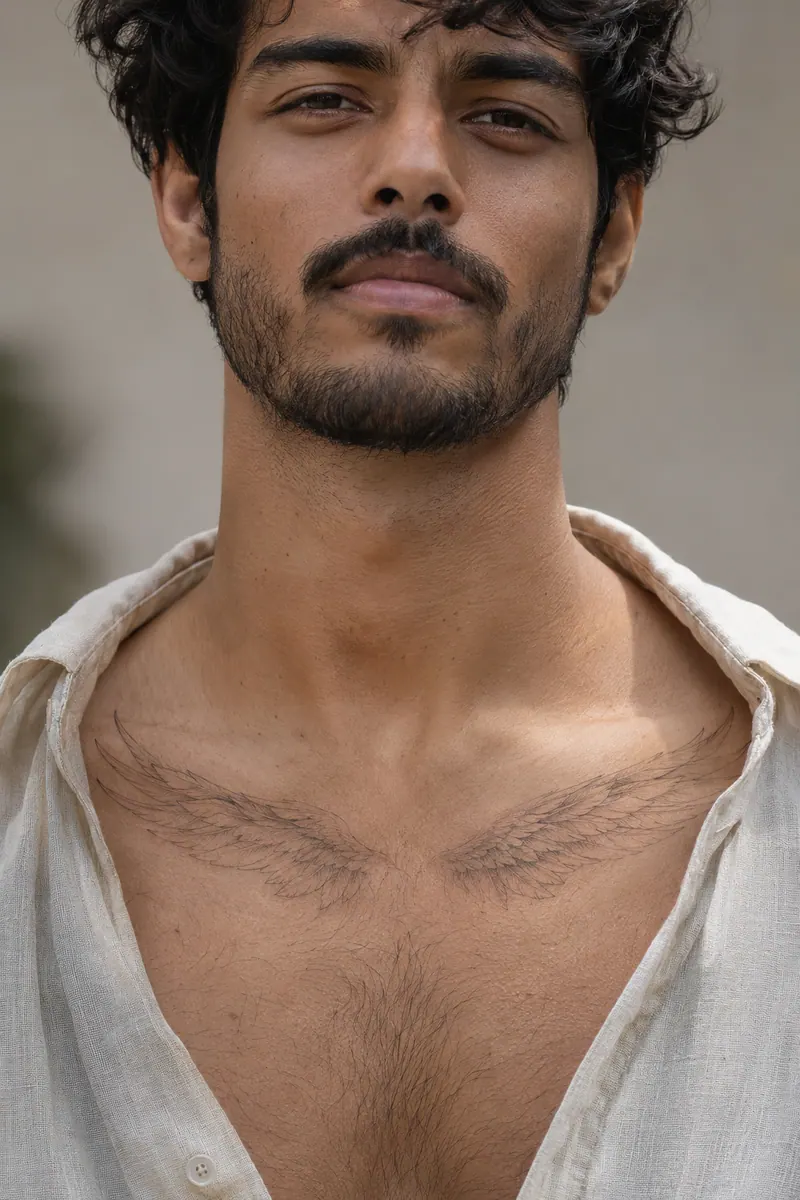
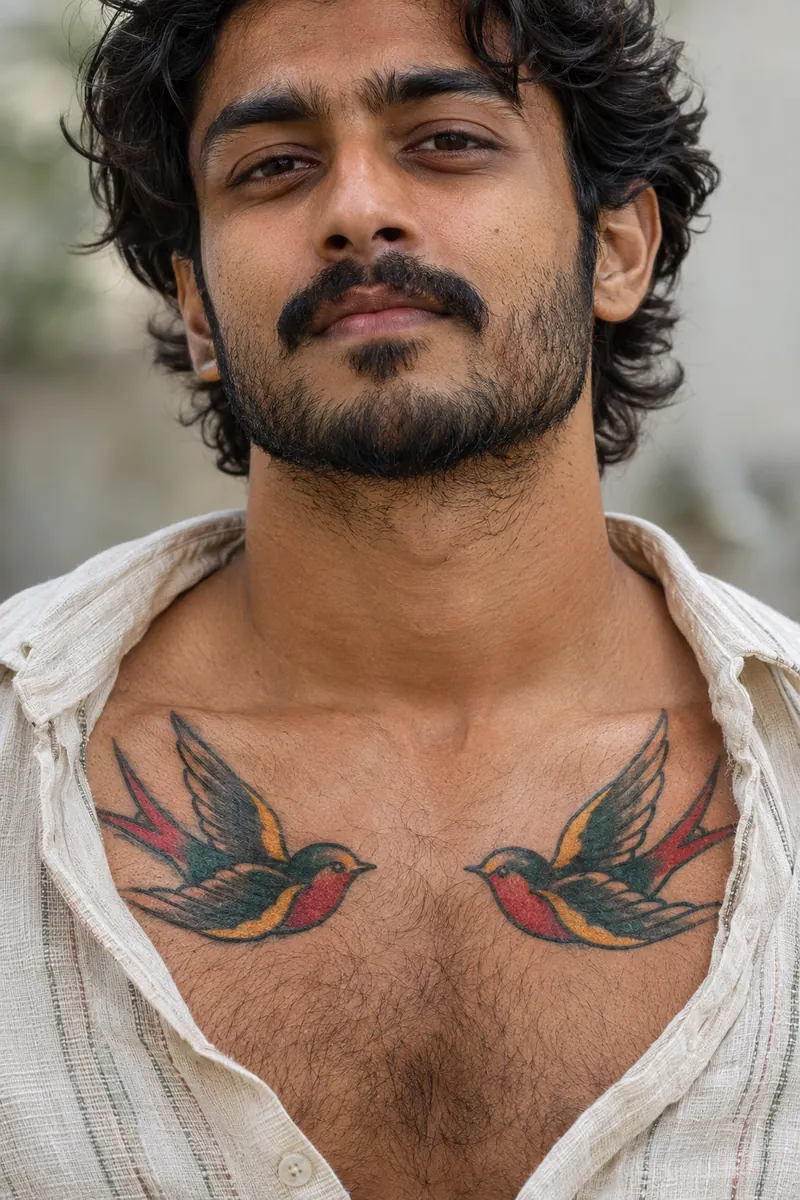
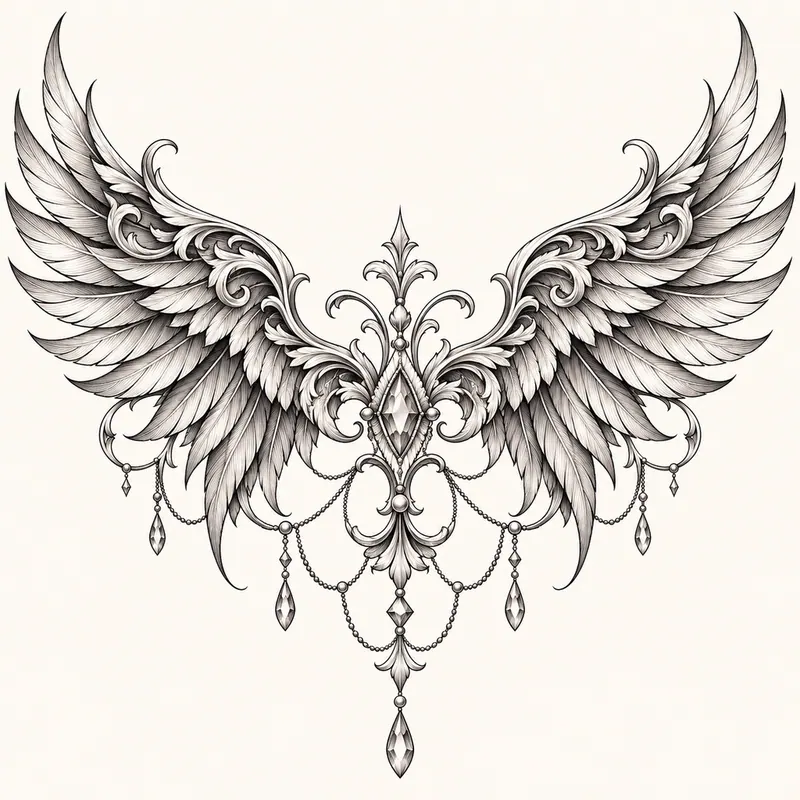
Collarbone. A delicate area for fine line work, short script or small symbols. Designs often follow the line of the bone, like wings spreading across both collarbones or a row of birds. Shows with open collars and scoop necks.
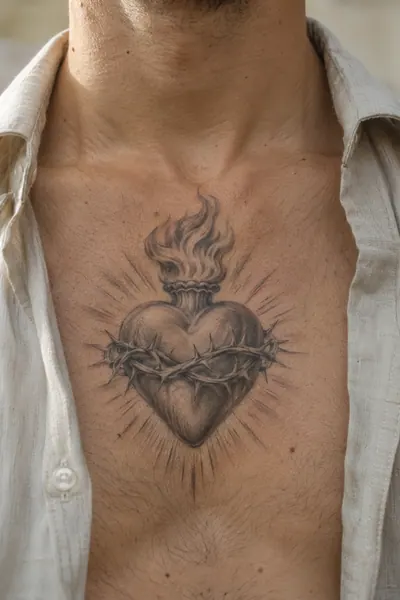
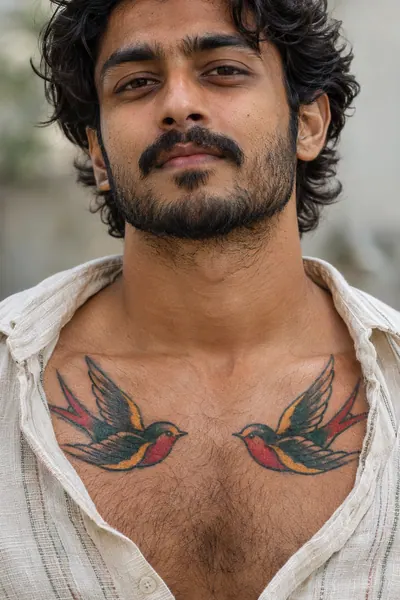
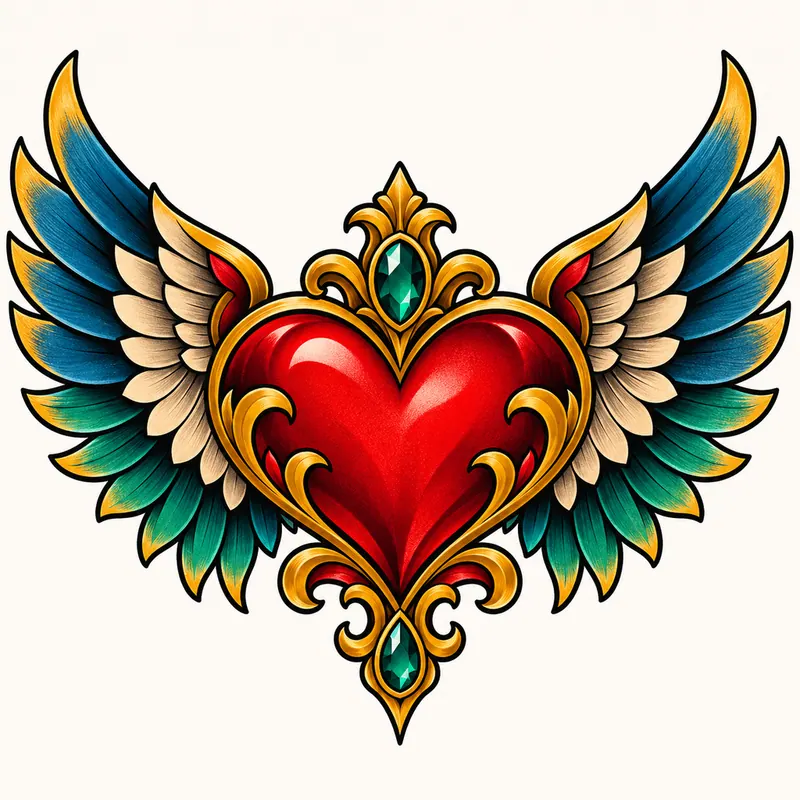
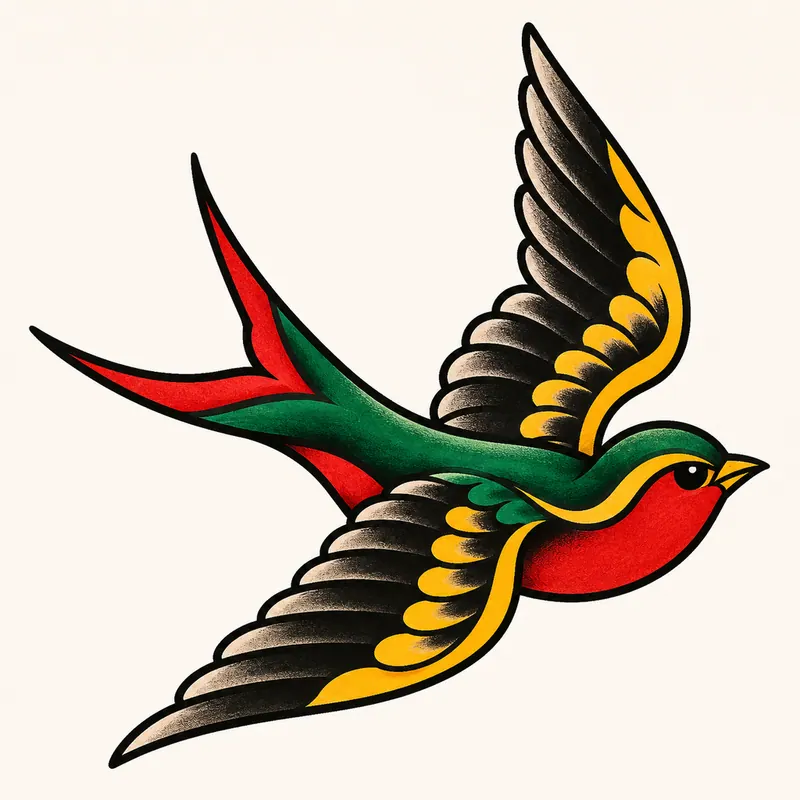
Upper chest. The fleshier area just below the collarbones. Good for single pieces such as a swallow, a rose or a small heart. Because the skin is softer here, it is often more comfortable than bony areas.
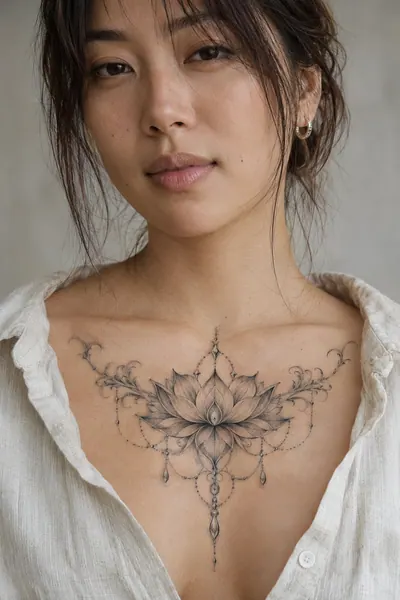
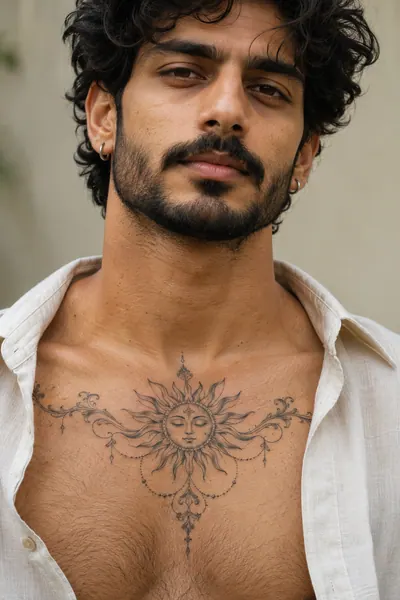
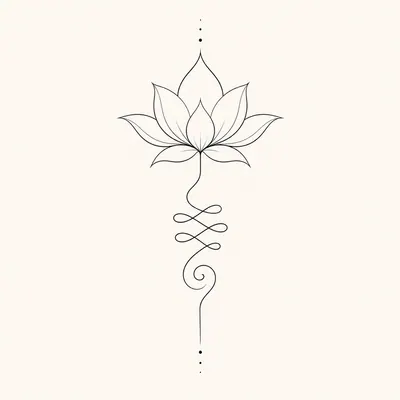
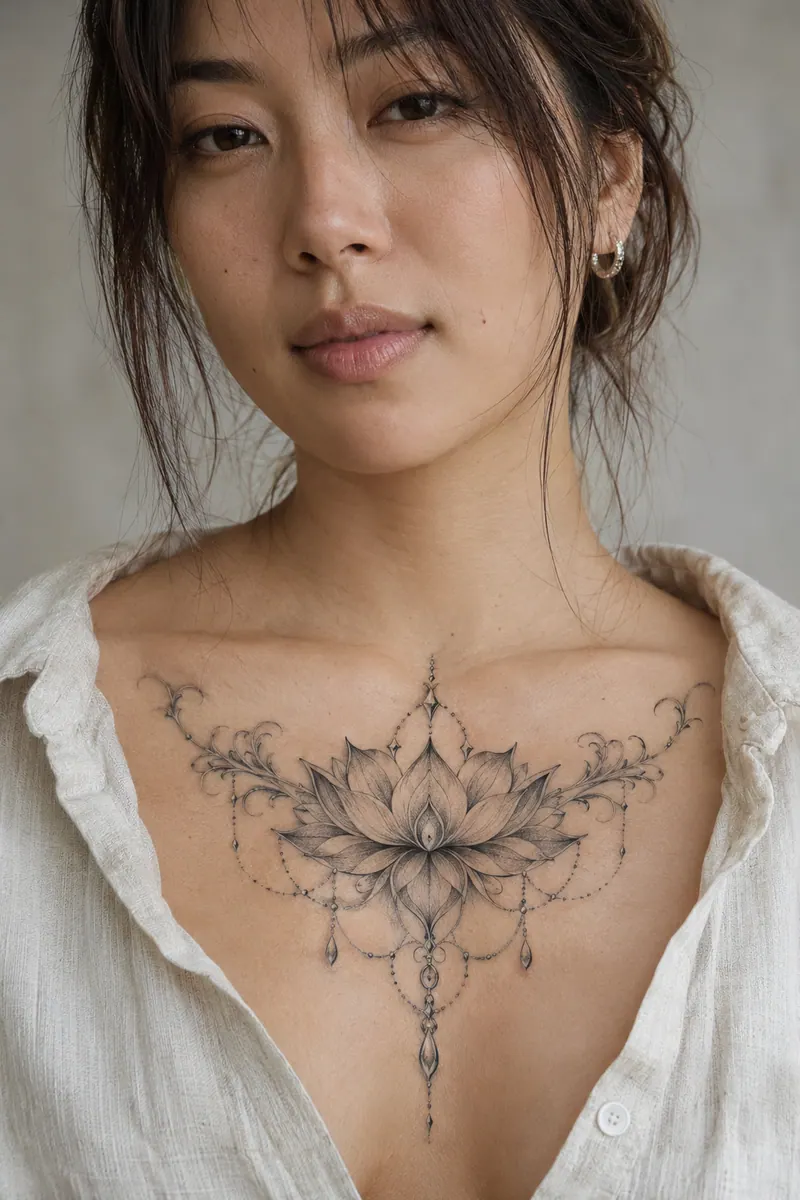
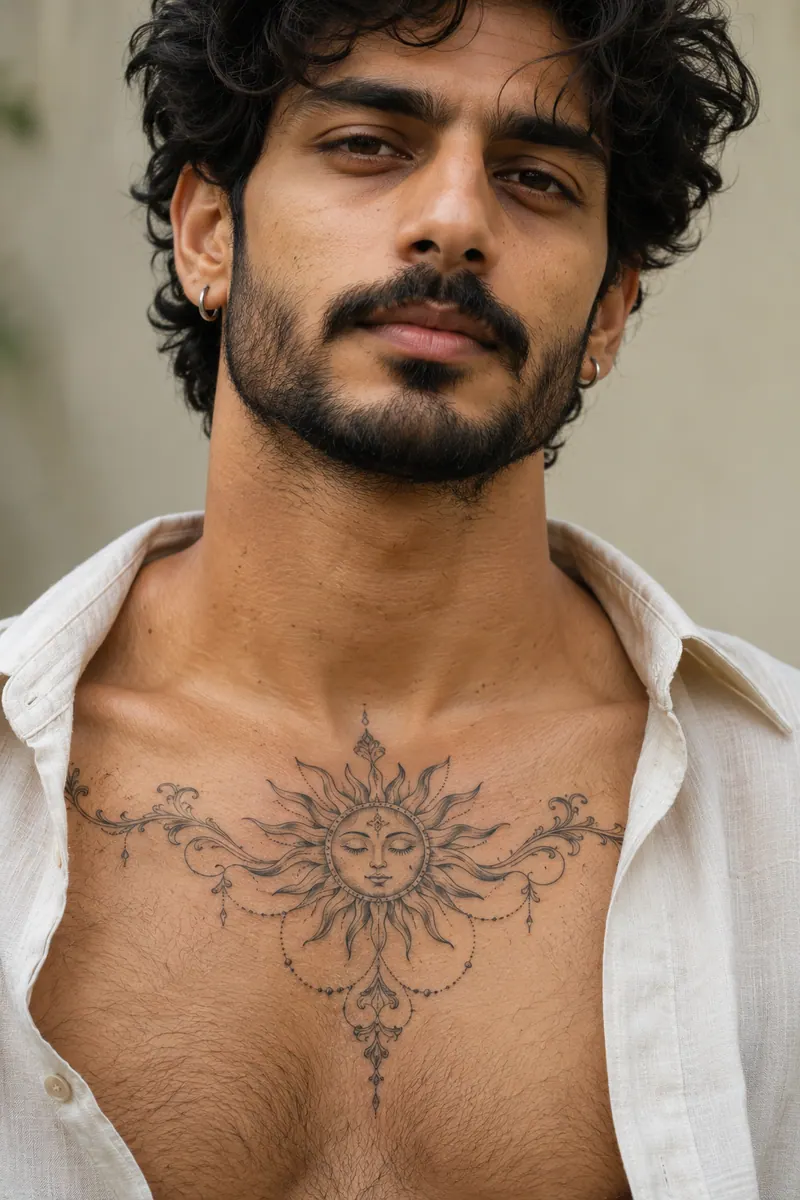
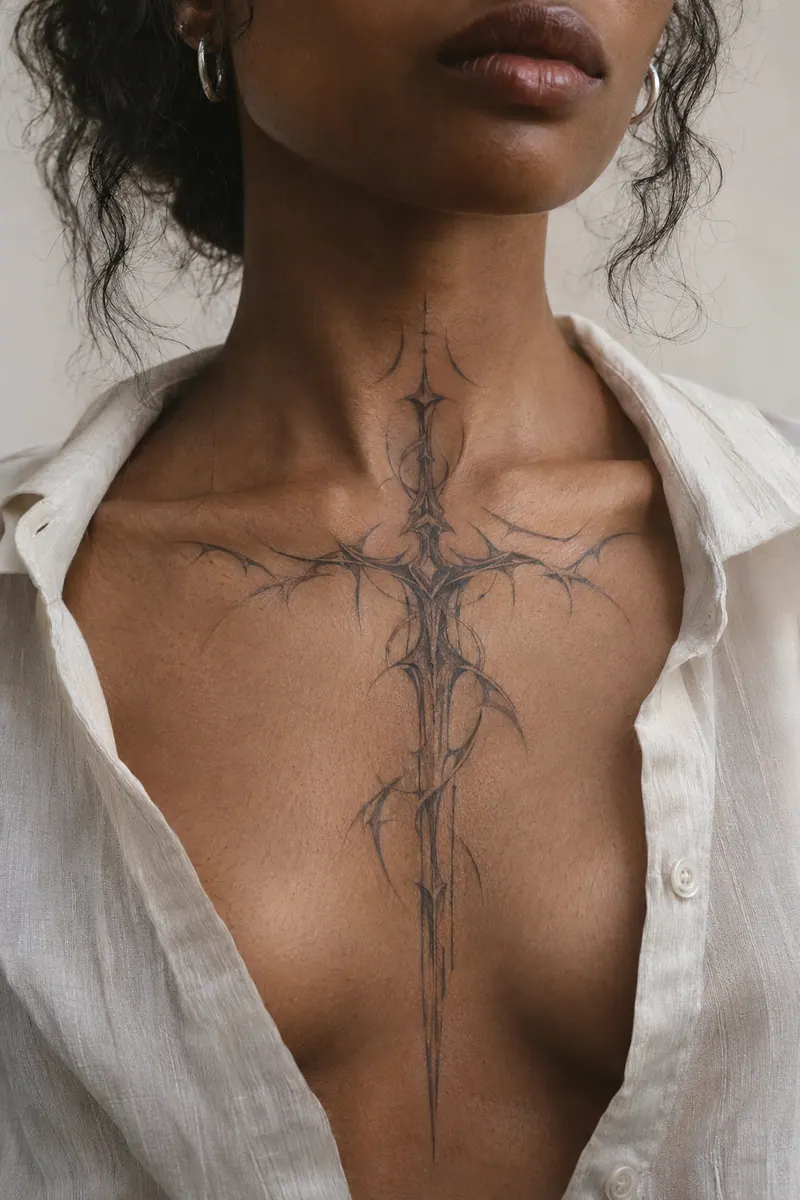
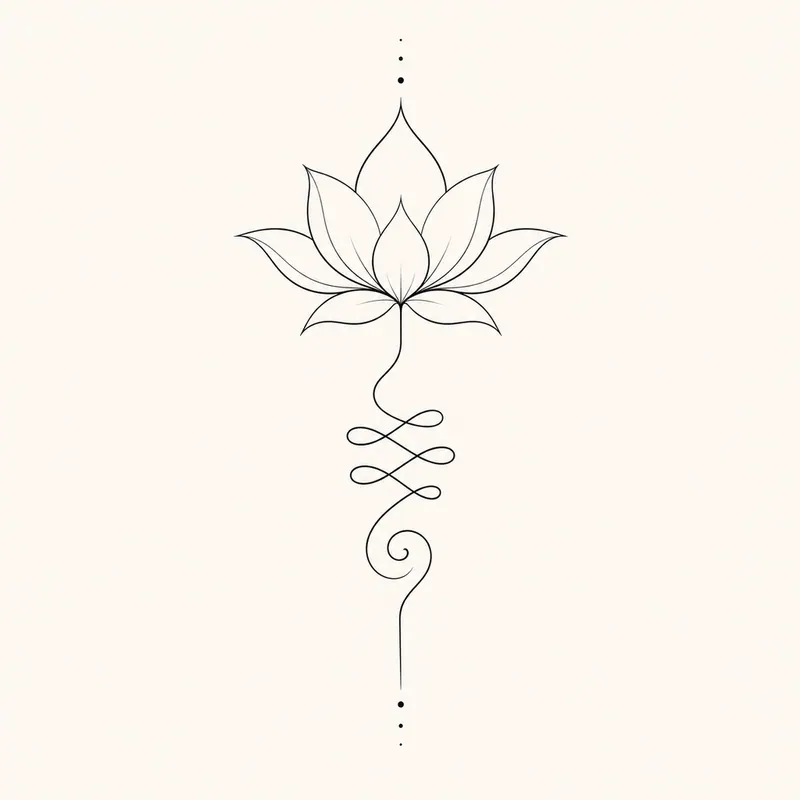
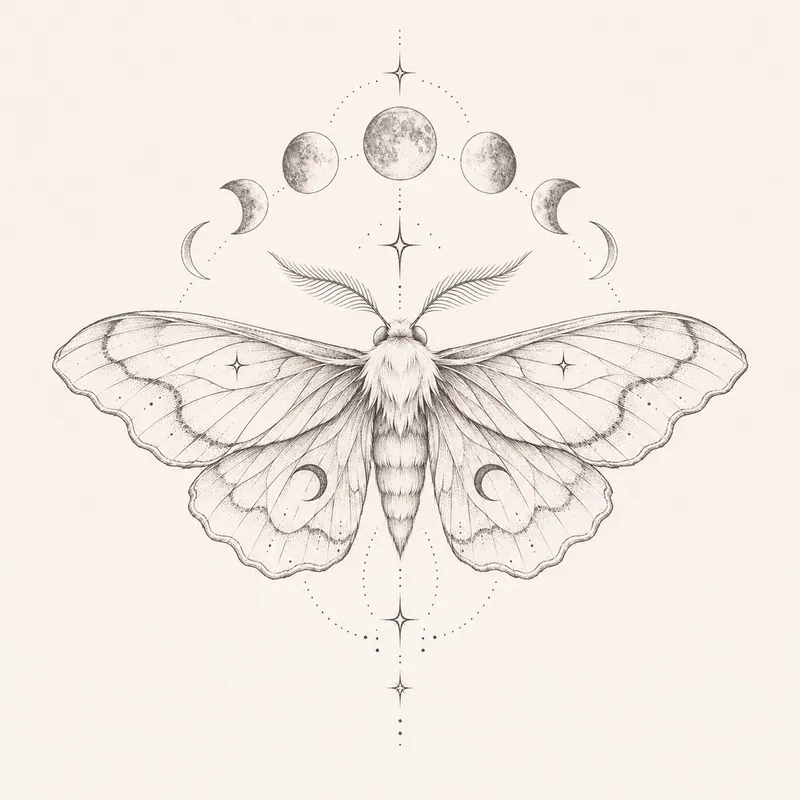
Sternum. The center of the chest, often running down between or below the chest toward the ribs. Vertical, symmetrical designs shine here: an ornamental sun, a lotus with hanging jewel ornaments, a long dagger made of glyph lines, or a moth with moon phases.
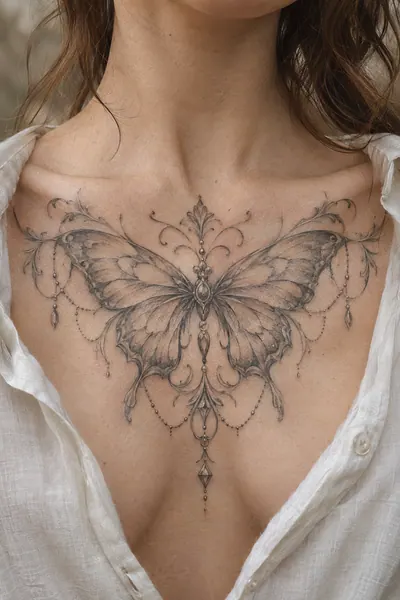
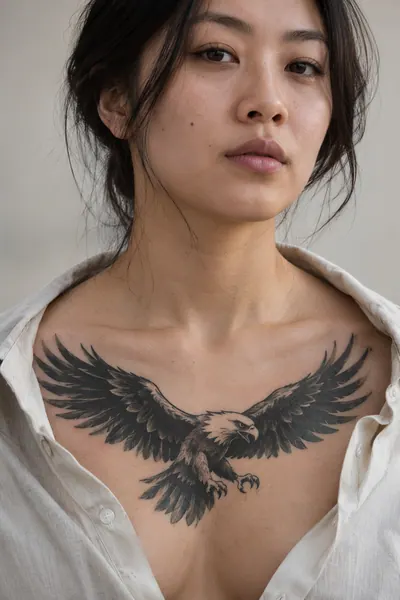
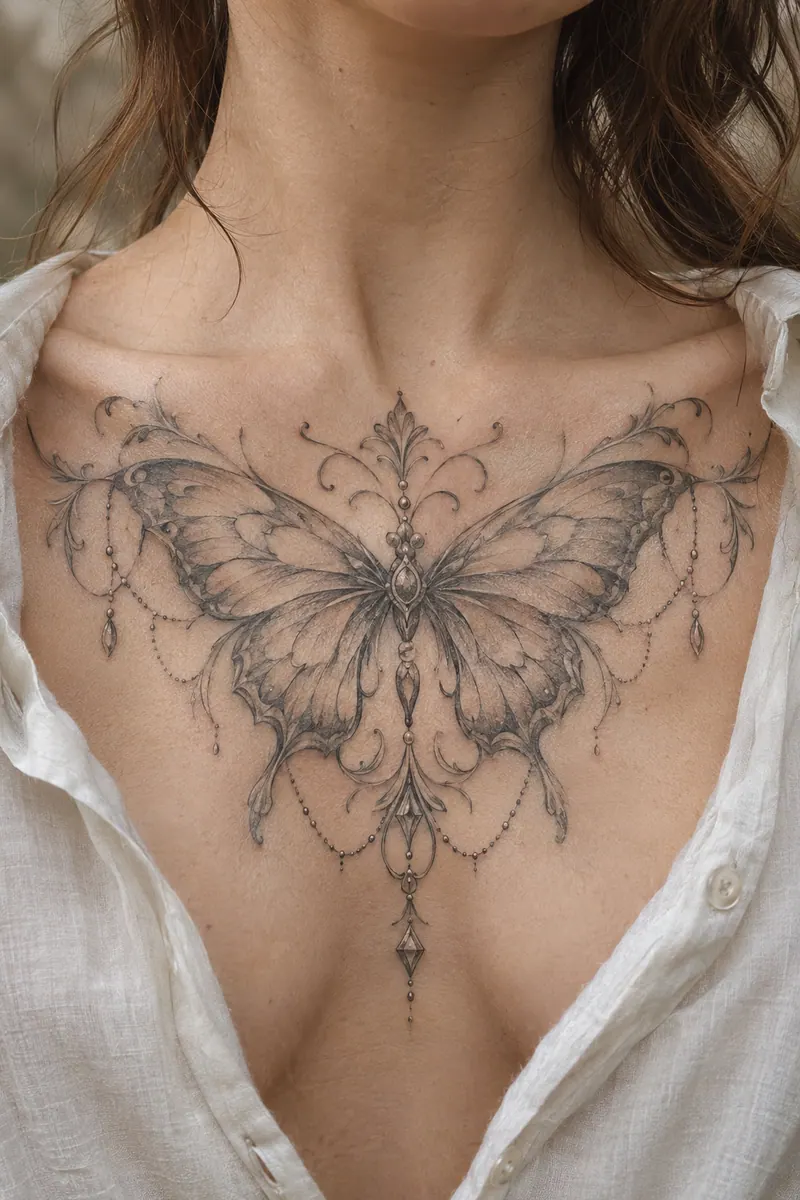
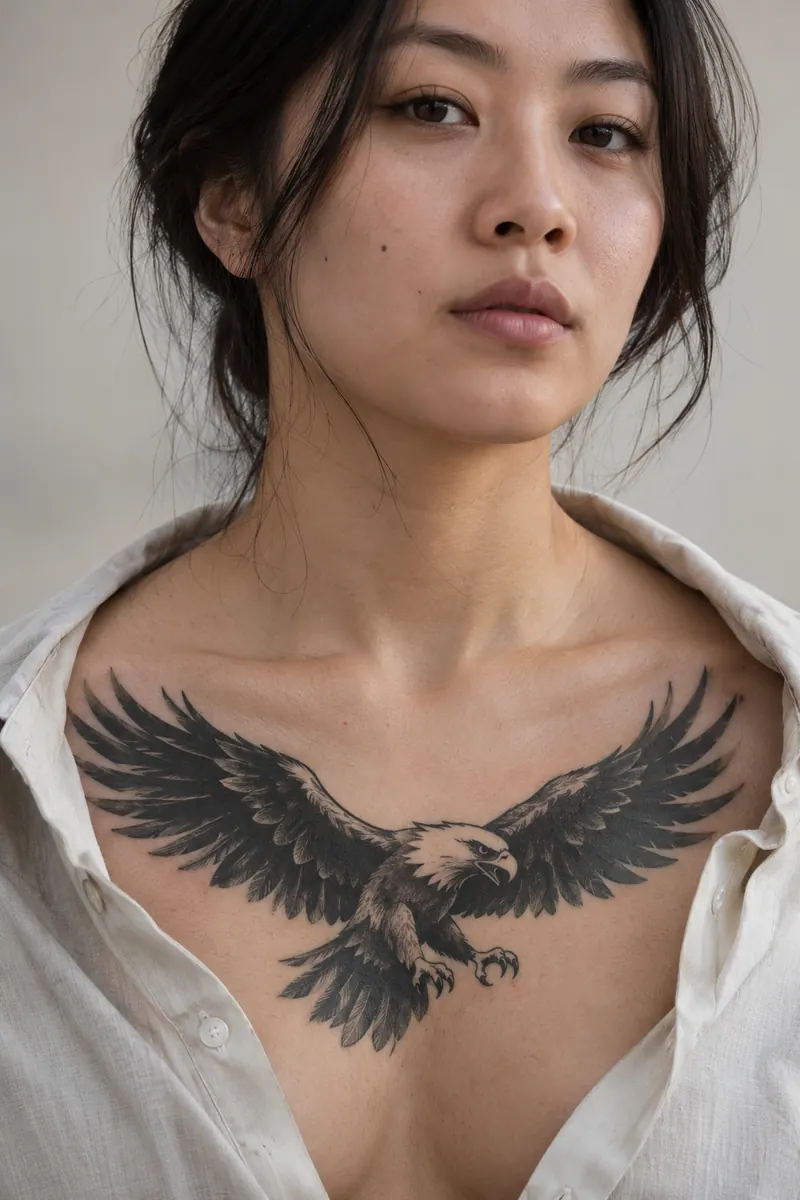
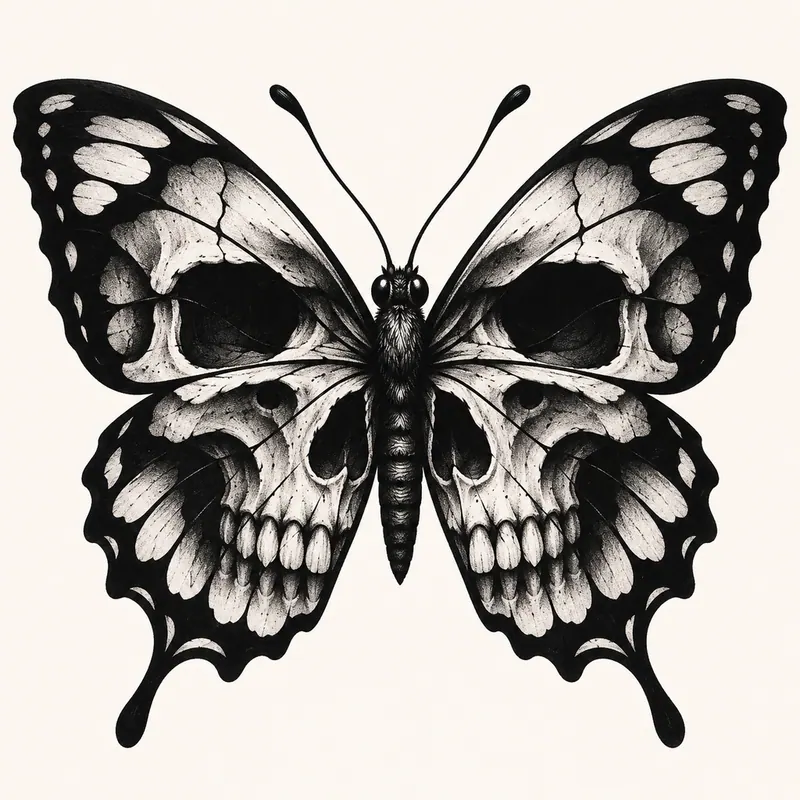
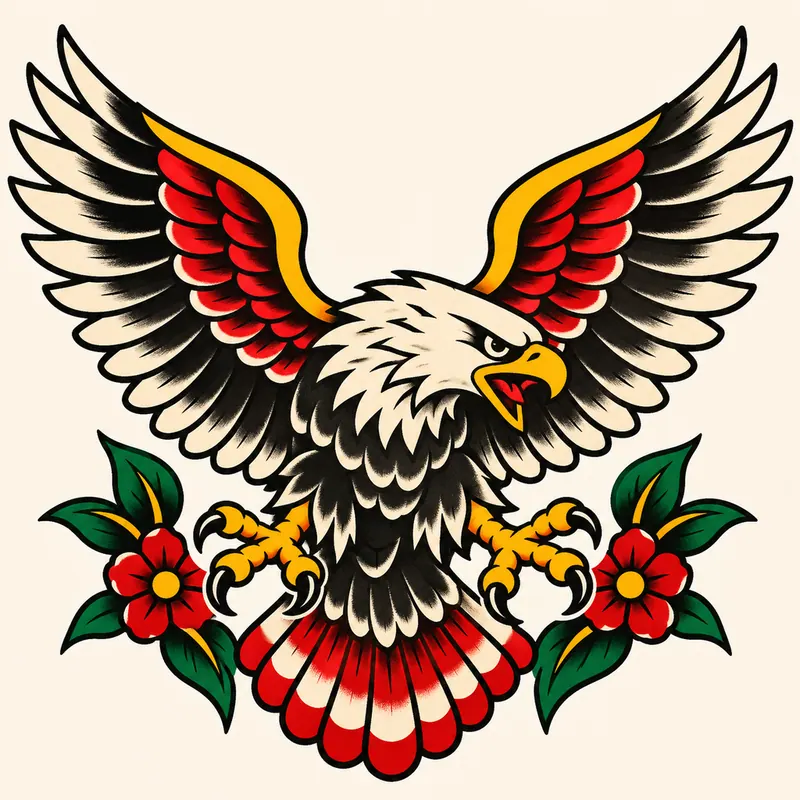
Full chest piece. A design that spans the whole chest, from one shoulder to the other. Eagles with spread wings, large butterflies and symmetrical wings are the classic choices. These often connect to the shoulders or a sleeve later.
Pain and visibility
Expect the chest to be more sensitive than the arms. For most people:
- The sternum and collarbones are the most intense, because the skin sits directly over bone.
- The upper chest over muscle or soft tissue is usually easier.
- Skin closer to the armpit and ribs gets more sensitive again.
Breathing moves the chest throughout the session, and some people find the vibration over the sternum unusual. Shorter sessions or splitting a large piece into several appointments can help.
On visibility, the chest is one of the most discreet placements. Only collarbone and upper sternum work is likely to show with everyday necklines.
Designs and styles that fit
The chest’s natural symmetry rewards centered or mirrored compositions:
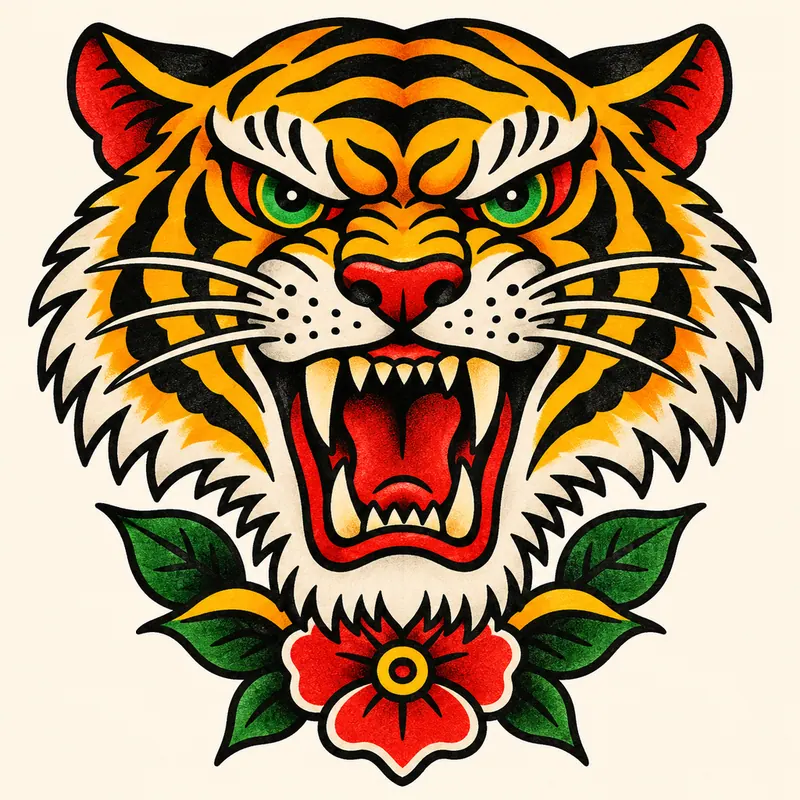
- Wings and birds. Traditional eagles and paired swallows are long-standing chest designs in classic flash. Blackwork eagles give a bolder, modern version.
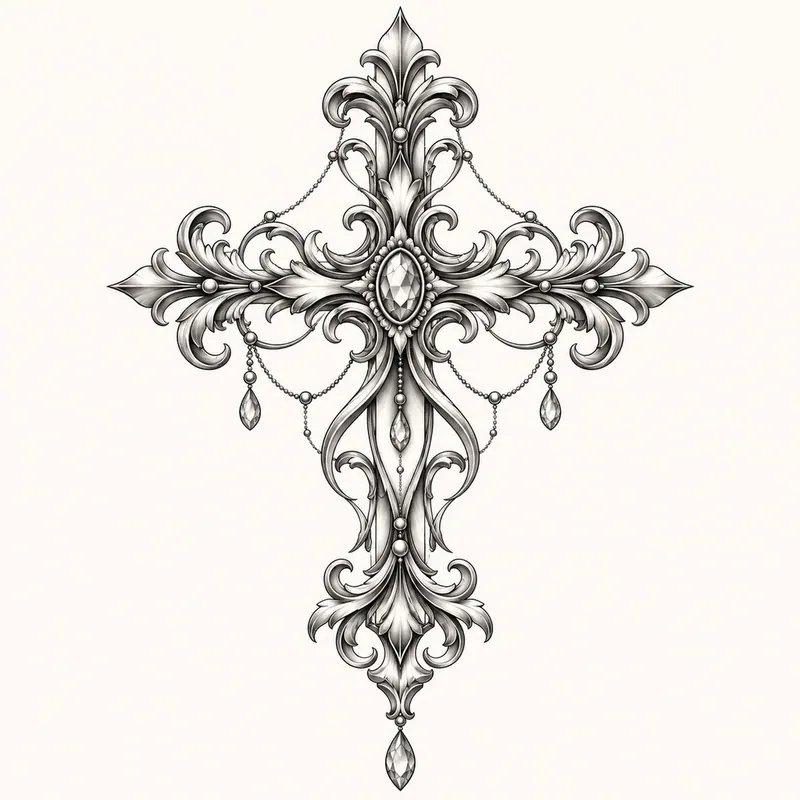
- Ornamental pieces. Filigree crosses, jewel-like sternum designs and a large symmetrical butterfly chest piece work with the body’s center line.
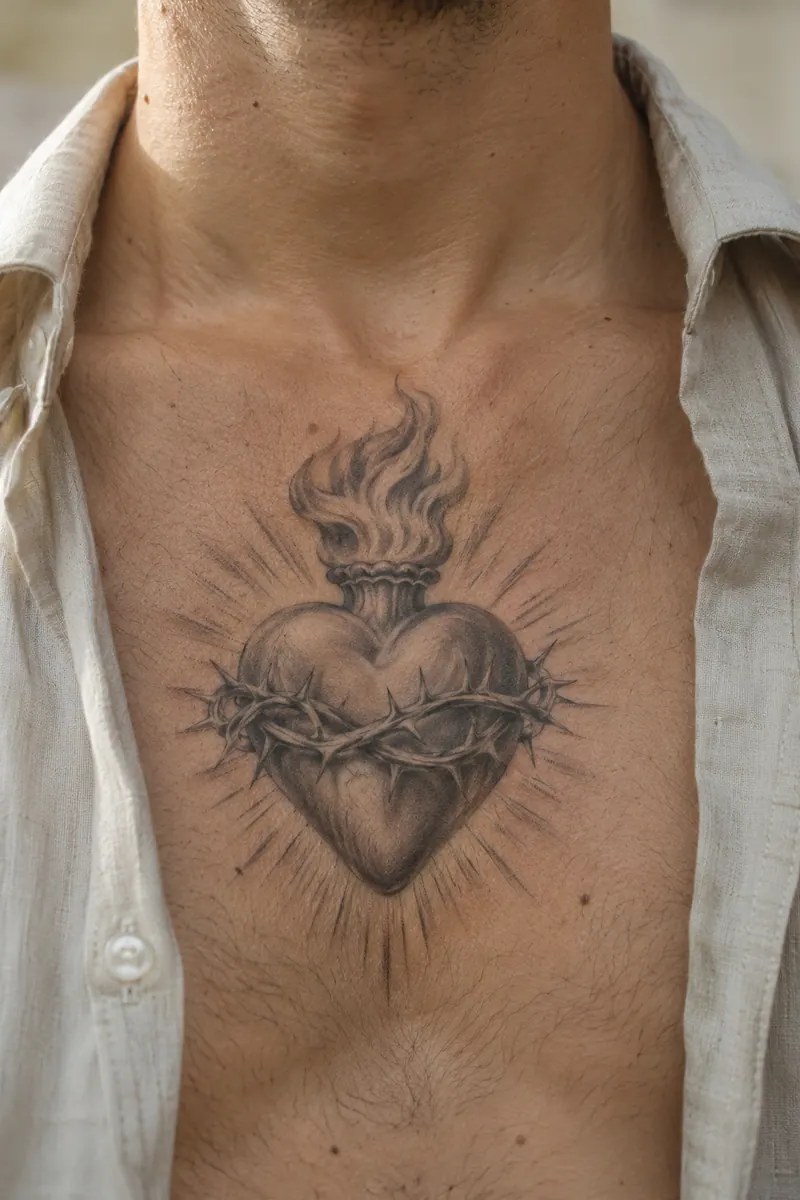
- Sacred and spiritual symbols. A sacred heart with flames and a crown of thorns comes from Catholic devotional imagery and is closely tied to Chicano tattooing; a lotus with an unalome line draws on Buddhist symbolism. Both carry real meaning for many people, so learn about their background before choosing them.
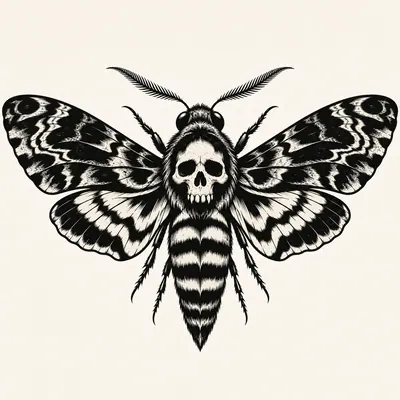
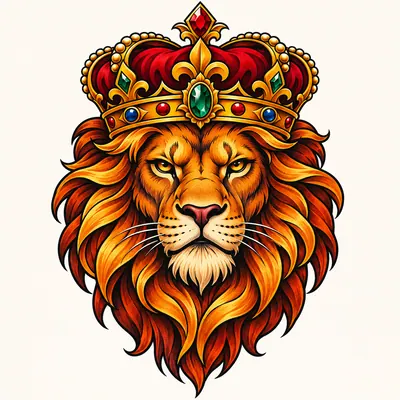
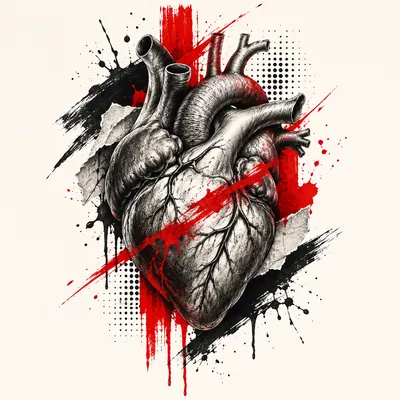
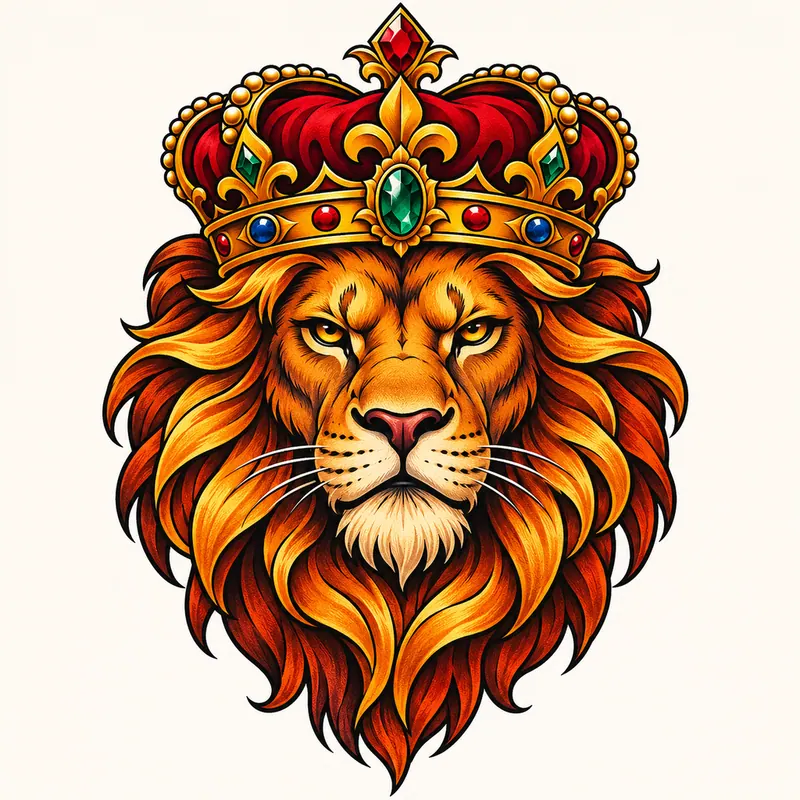
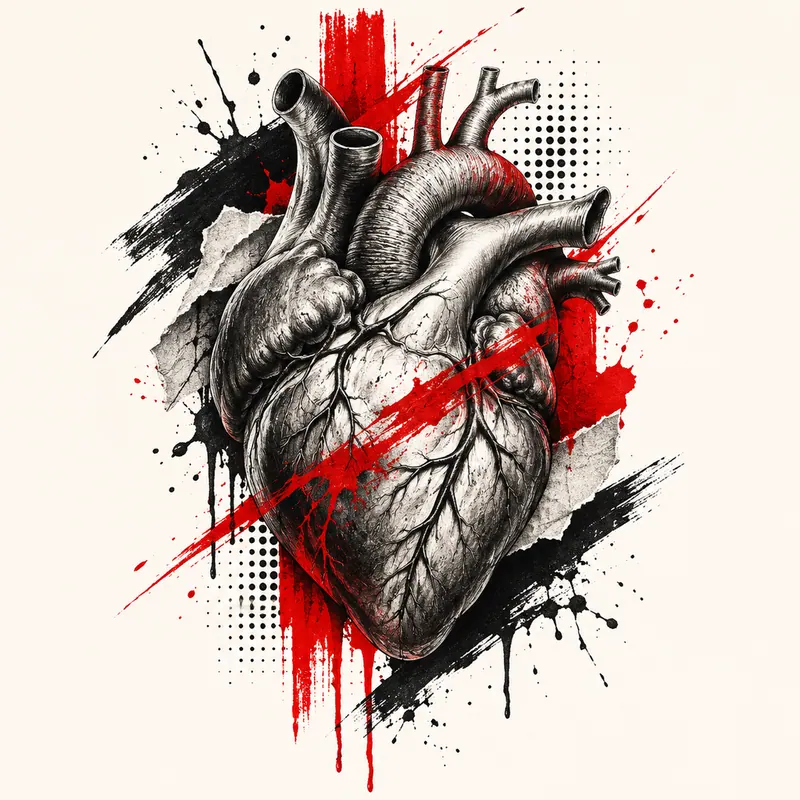
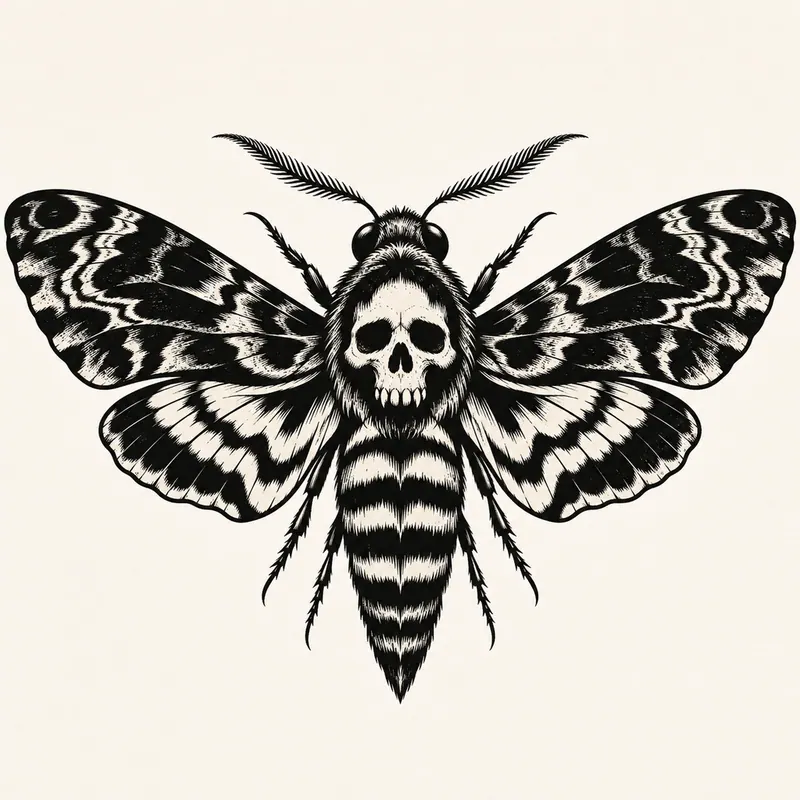
- Bold statement pieces. A roaring tiger, a lion with a crown, an anatomical heart in trash polka, or a blackwork death’s-head moth.
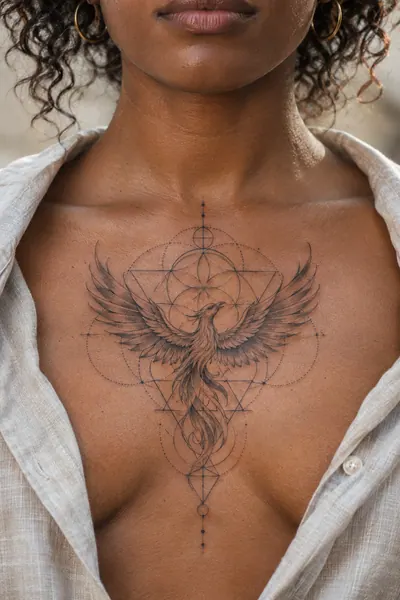
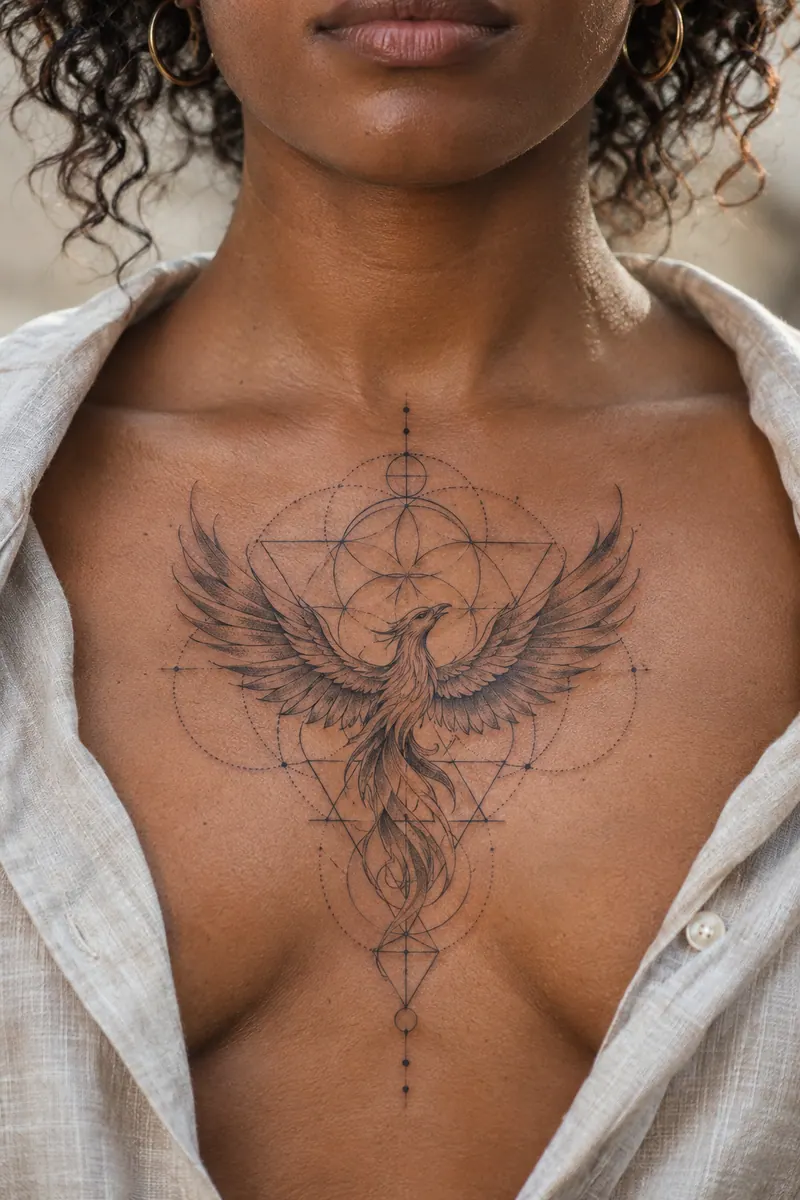
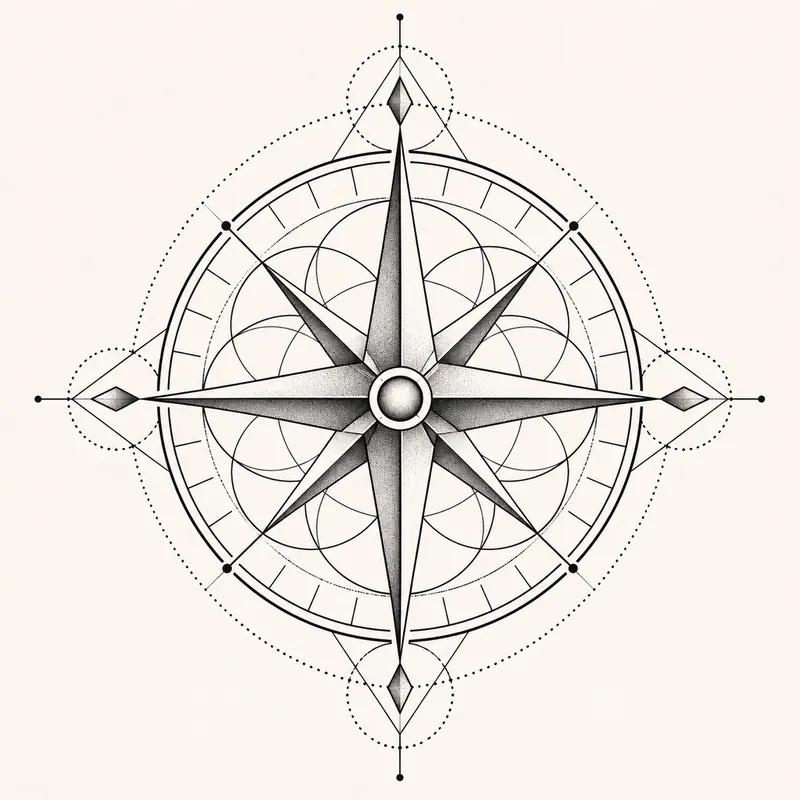
- Fine line and geometric work. Delicate wings across the collarbones, a compass made of clean lines, or a phoenix built from sacred geometry.
Symmetry is the hardest part of chest work. A design that looks perfectly balanced on paper must still sit evenly on a body that is rarely perfectly symmetrical. A good artist will place the stencil while you stand naturally and adjust it until it looks centered.
Chest tattoo healing and aftercare
The chest moves with every breath and is in constant contact with clothing, so healing needs a little attention:
- Loose, soft tops reduce friction. Tight shirts, sports bras, bra bands and straps can rub a fresh tattoo, depending on where it sits.
- Seatbelts cross the chest and collarbone; a soft pad between the belt and the tattoo can help.
- Sleep on your back if you can, so the tattoo isn’t pressed against sheets.
- Avoid heavy chest workouts and heavy sweating for the period your artist recommends.
- Sun protection matters for collarbone tattoos once healed, since necklines leave them exposed.
As always, your artist’s aftercare instructions come first.
Checking size on your body
Because the chest is so visible to you and so central to the body, it is worth trying different scales before deciding. In InkForge you can generate a chest design in the style you like, then open Try-On and position it on a photo of your own chest or collarbone and adjust its size, rotation and opacity by hand. Comparing a small collarbone version with a full chest piece side by side makes the conversation with your artist much easier.