 InkForge
The meaning behind butterfly tattoos
At its heart a butterfly tattoo is about change. A caterpillar dissolves inside its chrysalis and comes out as something entirely different, so the butterfly has become a shorthand for growth, recovery and starting over. People often get one after a breakup, a move, a recovery or any chapter they want to mark as finished.
The butterfly also has deep roots as a symbol of the soul:
- In ancient Greek, the word psyche meant both “soul” and “butterfly,” and the mythological Psyche is sometimes shown with butterfly wings.
- In Mexico, the arrival of migrating monarch butterflies in late autumn coincides with Día de los Muertos, and in some communities they are traditionally associated with the returning souls of the dead.
- In Chinese culture, a pair of butterflies is a familiar symbol of love, connected to the folk tale of the Butterfly Lovers.
That is why butterflies are among the most common memorial tattoos, while still working as a light, joyful symbol of freedom.
Butterfly tattoo designs to consider
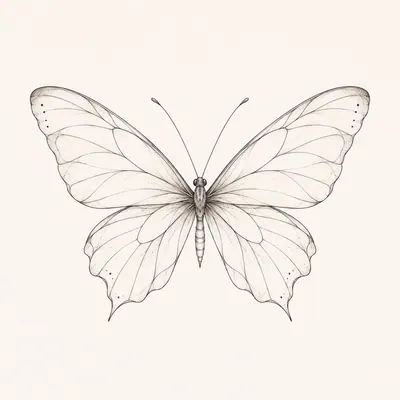
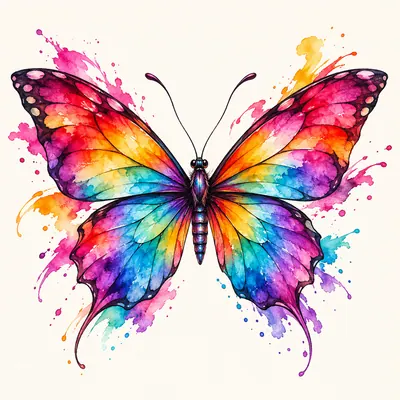
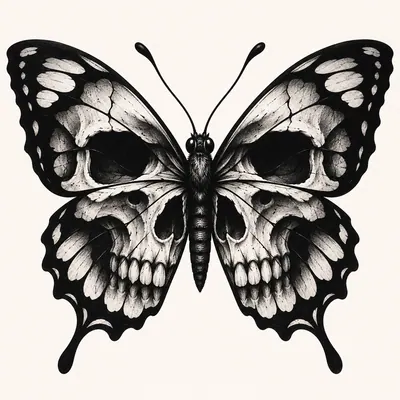
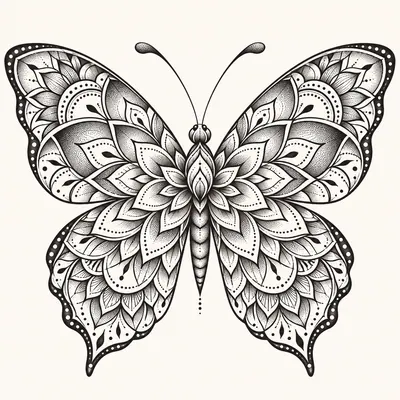
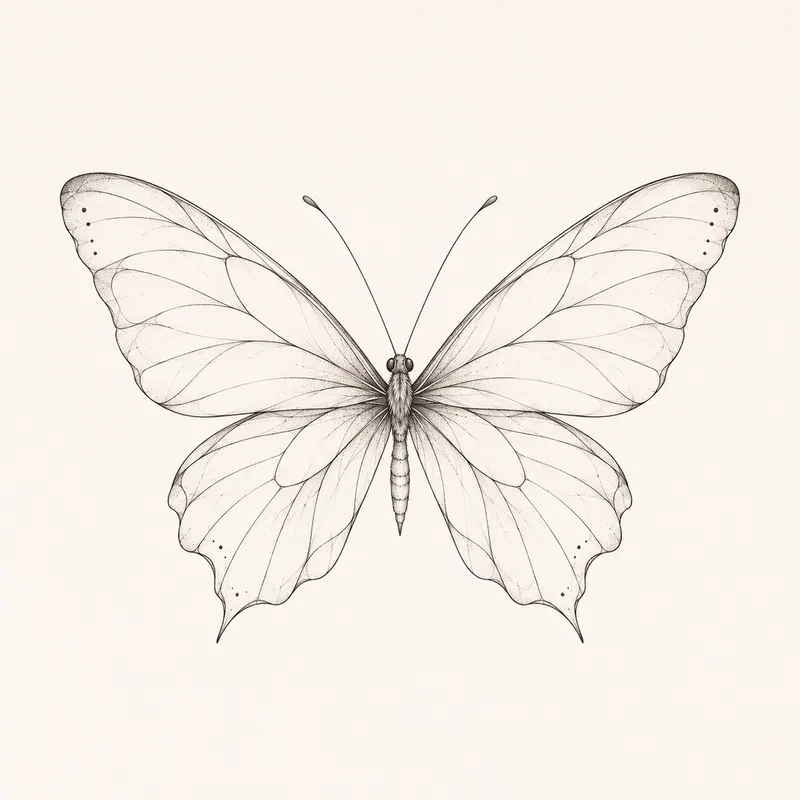
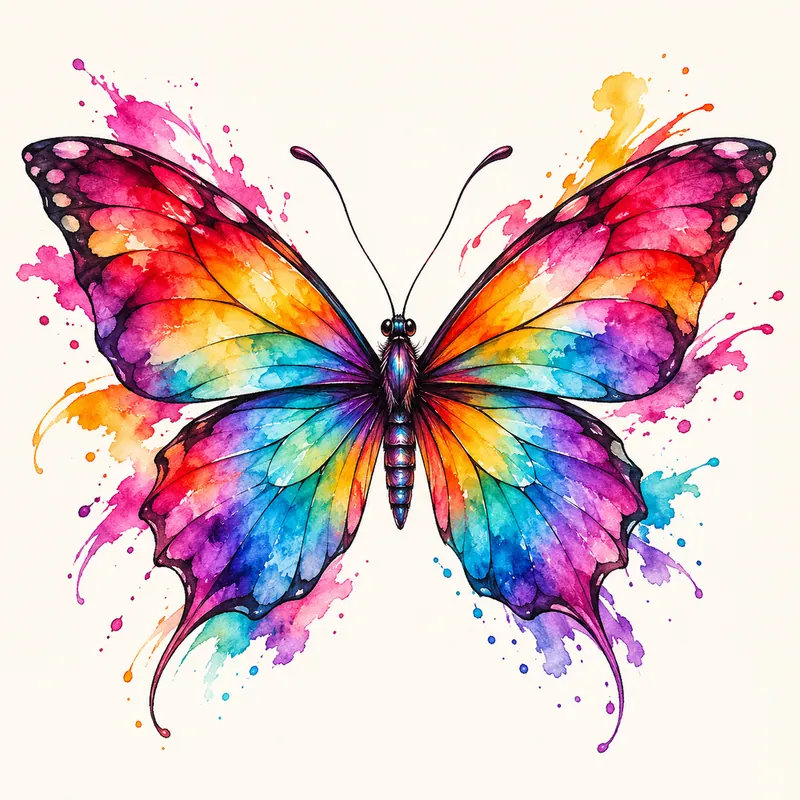
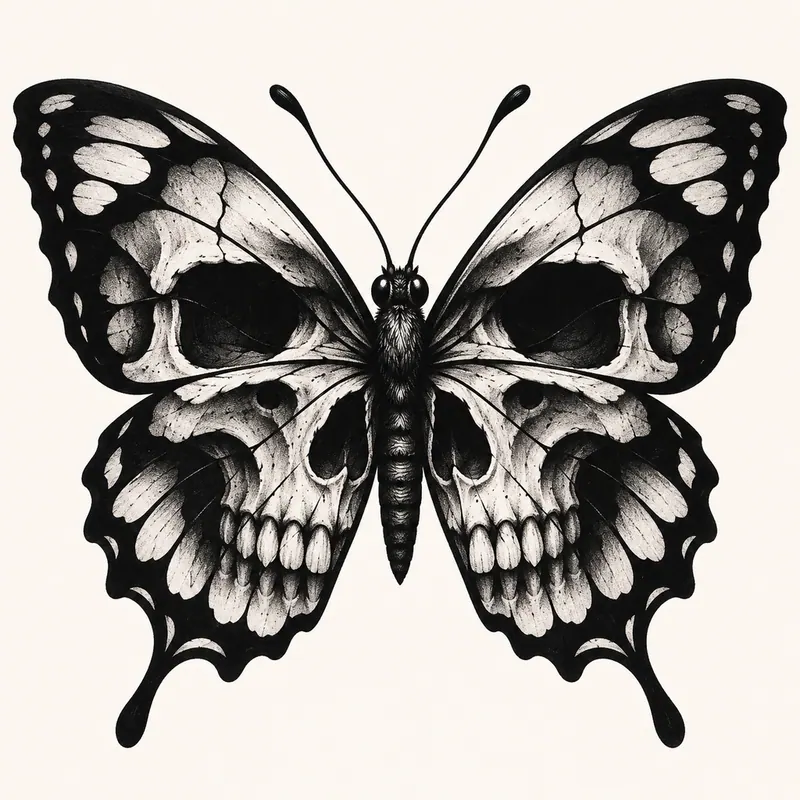
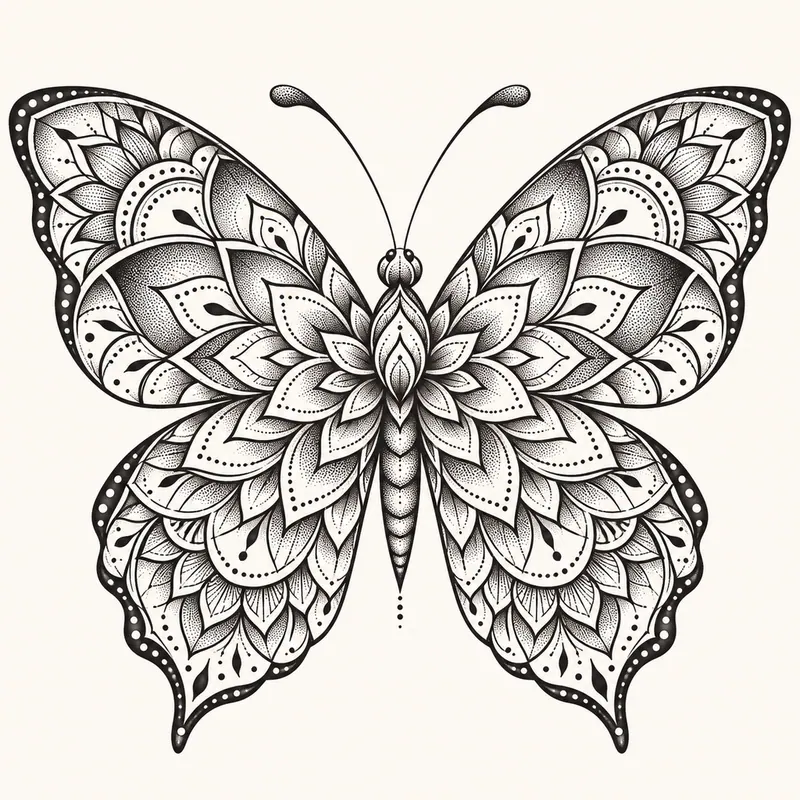
The gallery above shows how much one subject can change:
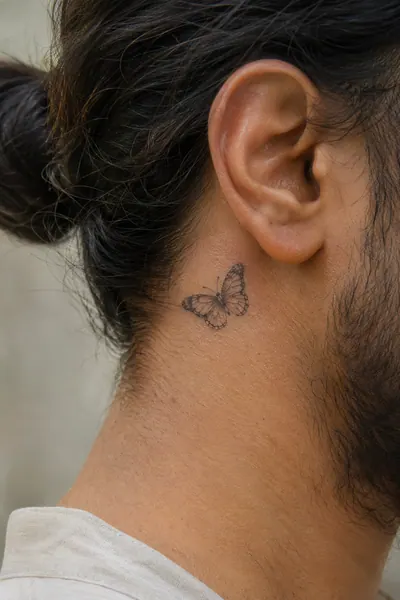
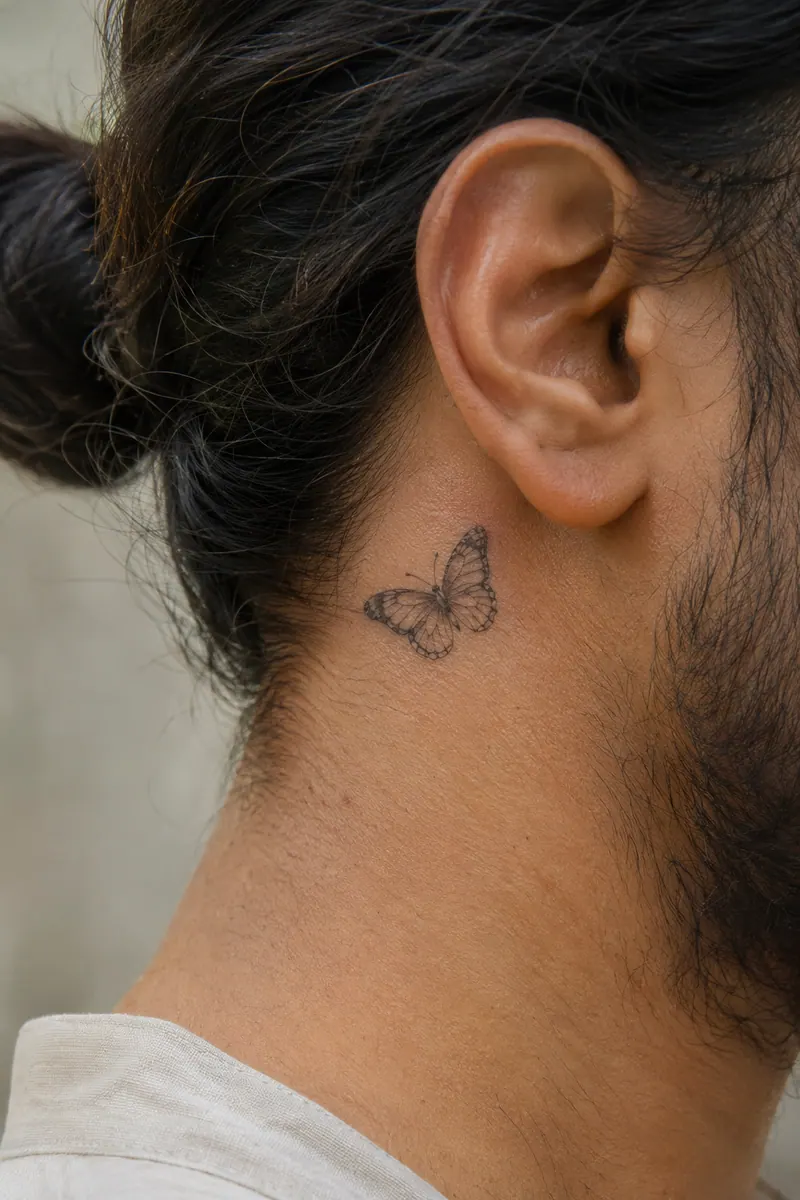
- Fine line outline. A delicate butterfly with thin outlined wings on the wrist, or a small one tucked behind the ear. Quiet, elegant and easy to hide.
- Watercolor splash wings. Soft washes of color spill beyond the outline on the shoulder for a painterly, free feel.
- Skull-patterned wings. A blackwork butterfly with a skull on its wings mixes beauty with mortality, a darker take on the transformation theme.
- Mandala wings. Radial patterns fill each wing on the forearm, turning the insect into an almost meditative, symmetrical design.
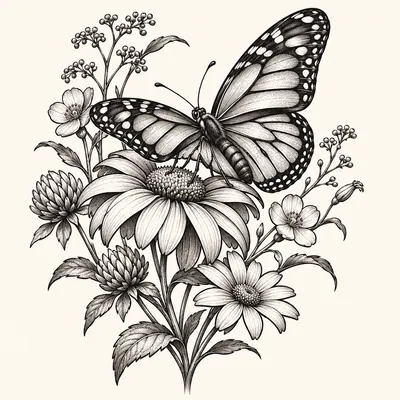
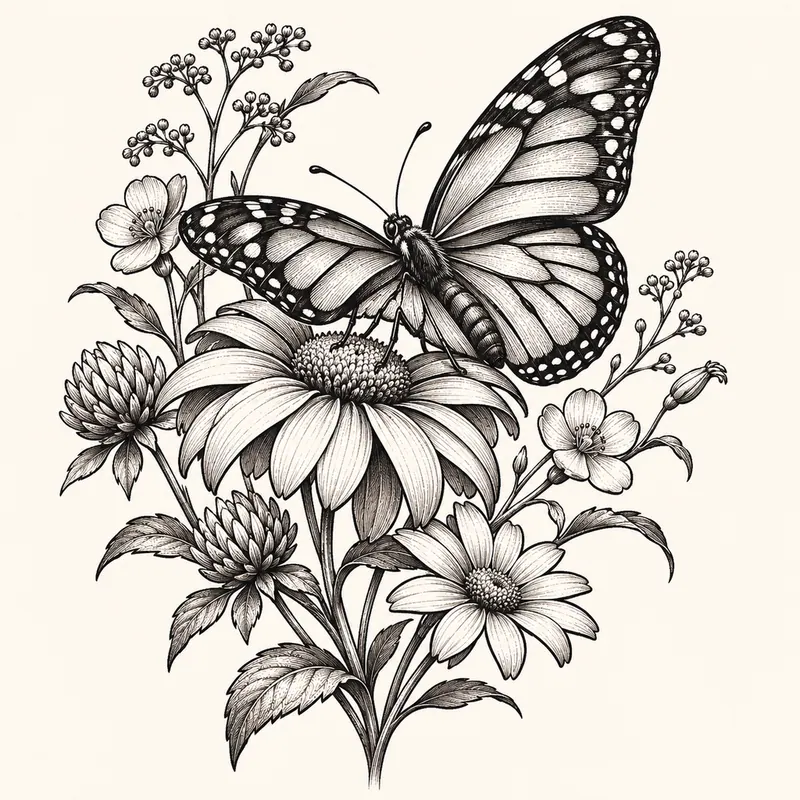
- Butterfly on wildflowers. An illustrative thigh piece that places the butterfly in a scene rather than isolating it.
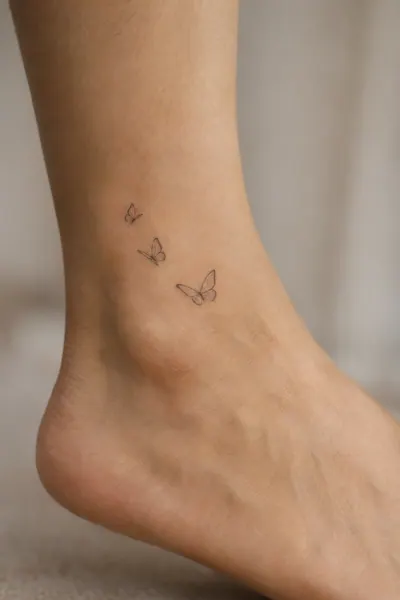
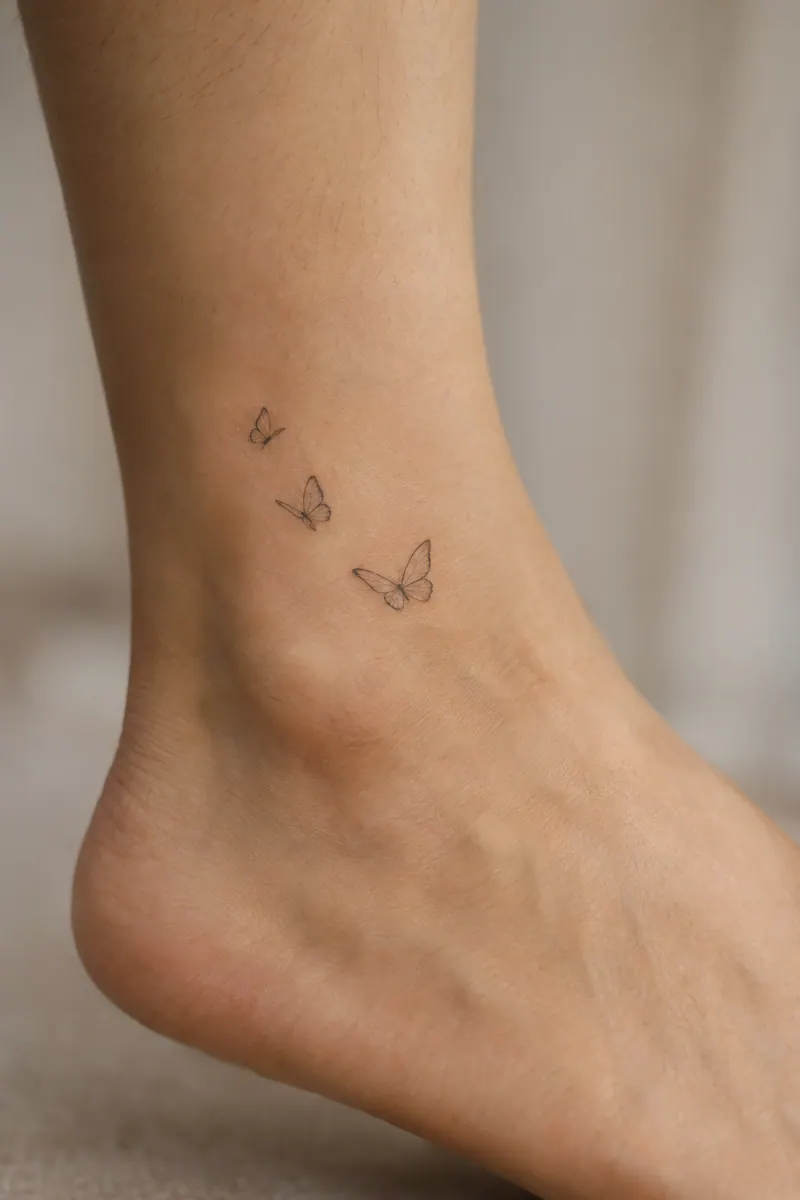
- Three tiny butterflies. Minimalist butterflies in flight up the ankle suggest movement and a story in sequence.
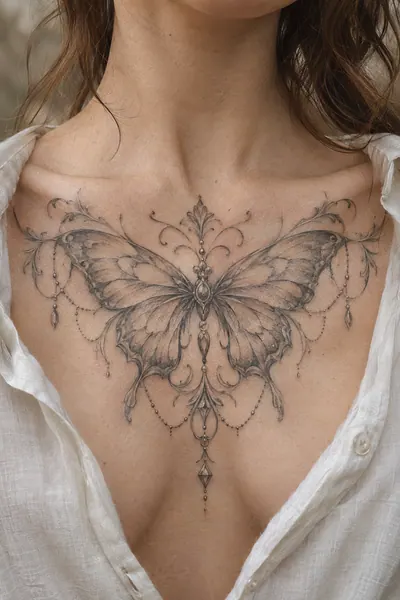
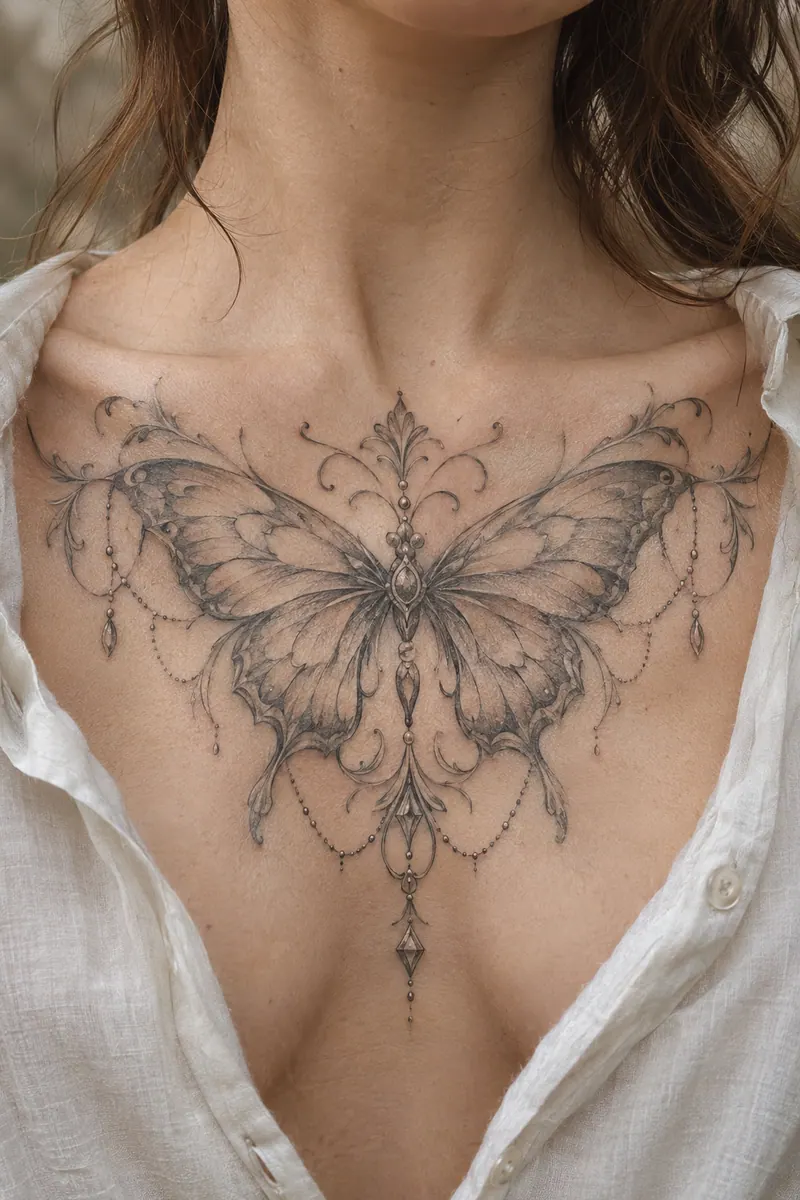
- Symmetrical chest piece. A large ornamental butterfly spread across the chest is bold and statement-making, with wings that frame the sternum.
Choosing a style
Because the shape is so recognizable, the butterfly lets you push style further than most subjects:
- Fine line and minimalist for small, subtle pieces and first tattoos.
- Watercolor if color is the point. Ask your artist about a black outline or accents to help the shape hold as the color softens over the years.
- Blackwork for a striking, high-contrast butterfly that stays readable at any distance.
- Ornamental and mandala when you want the wings to become pattern, lace or jewelry.
Realistic butterflies modeled on a specific species, such as a monarch or a blue morpho, are also popular when the species itself means something to you.
Placement and symmetry
Butterflies are naturally symmetrical, so they look best centered on a part of the body that is symmetrical too, or deliberately angled as if in flight.
- Centered placements: the sternum and chest, the middle of the upper back, the back of the neck.
- Angled placements: the wrist, the side of the neck, the shoulder and the ankle, where a slightly tilted butterfly looks like it just landed.
- Scenes: the thigh or upper arm, where there is room for flowers and stems.
For tiny butterflies, keep the wing pattern simple. Spots and veins that look crisp at 2 cm on a screen may merge on the skin within a few years.
Combinations that add meaning
Butterflies pair easily with other elements: a rose for love, a skull for mortality, a moon for cycles, a birth flower for a specific person, or a name worked into a line of flight. A trail of small butterflies can also link two separate tattoos into one story.
Think about what the change behind your butterfly really was, then let that guide the details: the species, the flowers, how many butterflies, which direction they fly. In InkForge you can describe that idea, try it in fine line, watercolor and ornamental styles side by side, and use the Edit brush to rework just the wings until they feel right. Save your favorite and share it with your artist.