InkForge
What makes a tattoo minimalist
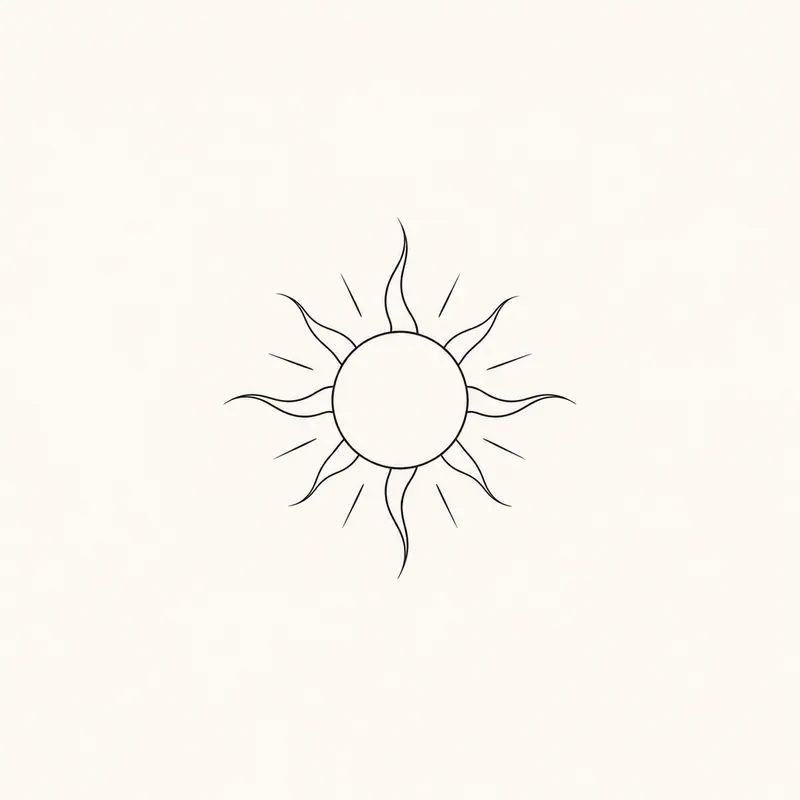
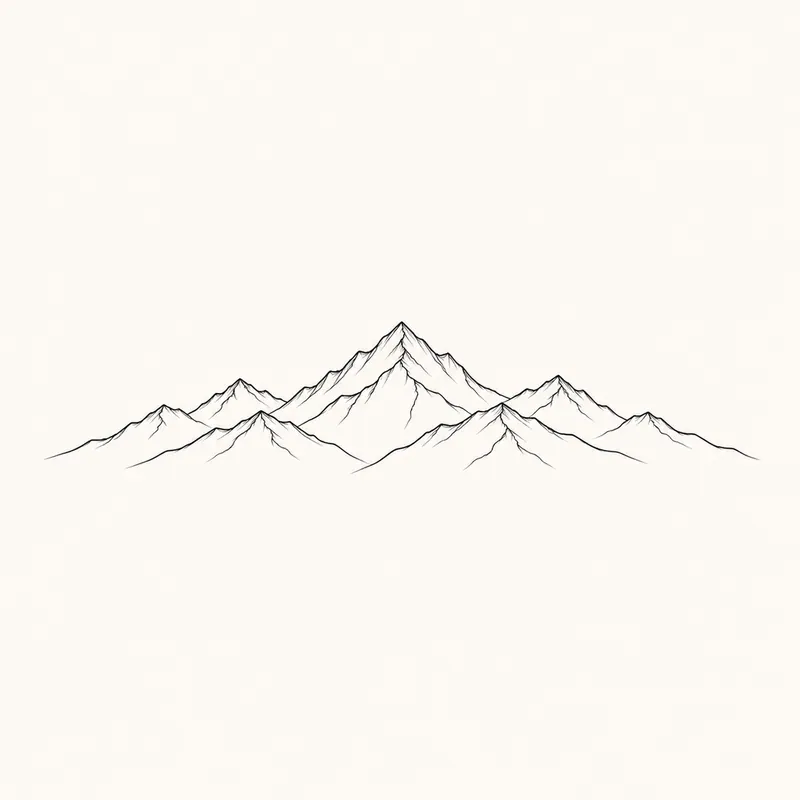
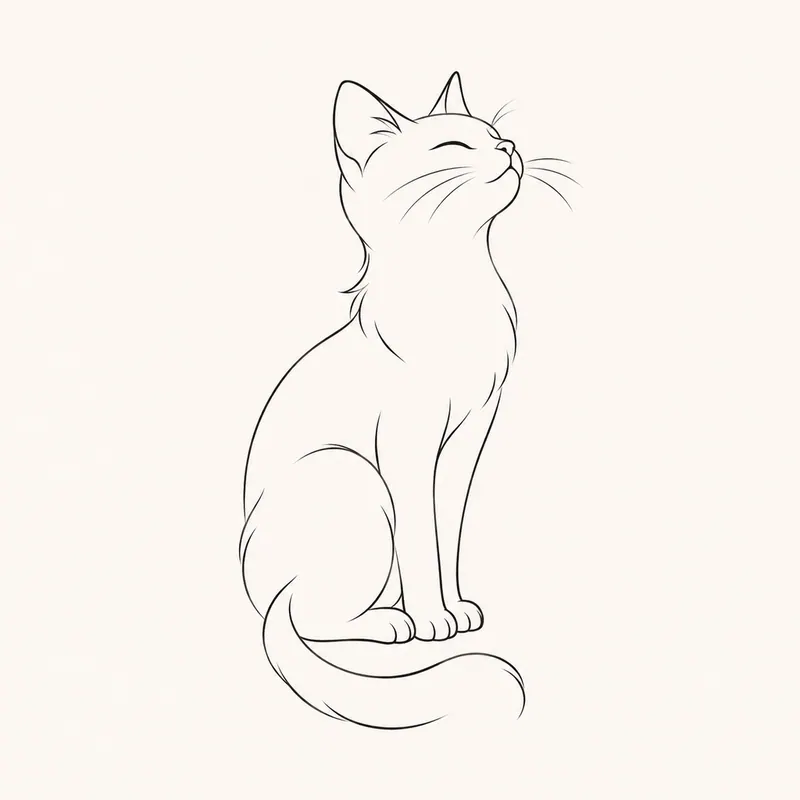
A minimalist tattoo is defined by restraint. The artist removes everything that isn’t essential until only the shape that tells the story is left: one line for a mountain range, an outline for a cat, a circle and a few rays for the sun. There is usually no shading, no background and no color, and the bare skin around the design is part of the composition.
The appeal is clear. Minimal pieces are quiet, personal and easy to live with, they fit almost any placement, and they rarely clash with other tattoos you may get later.
Where the style comes from
People have worn simple marks for as long as tattooing has existed, so minimalism is not new in itself. As a named trend, though, minimalist tattoos took off in the 2010s, echoing minimalism in graphic design, fashion and interiors and spreading quickly through social media. Small, single-session pieces also made tattoos approachable for many people getting their first one.
Visual characteristics
- Clean, even lines — usually one line weight throughout.
- Simple geometry and outlines rather than textures or tonal shading.
- Negative space doing a lot of the work.
- Small to medium sizes, often a few centimeters across.
- Symbolic subjects that read instantly from a distance.
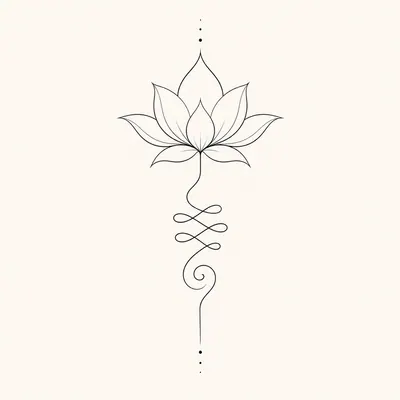
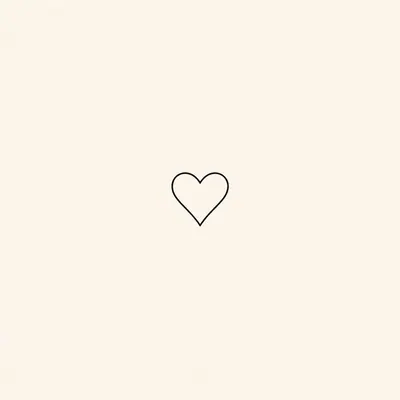
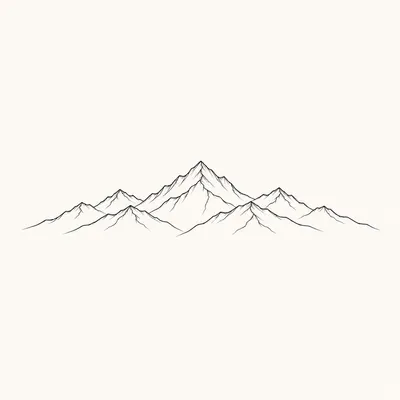
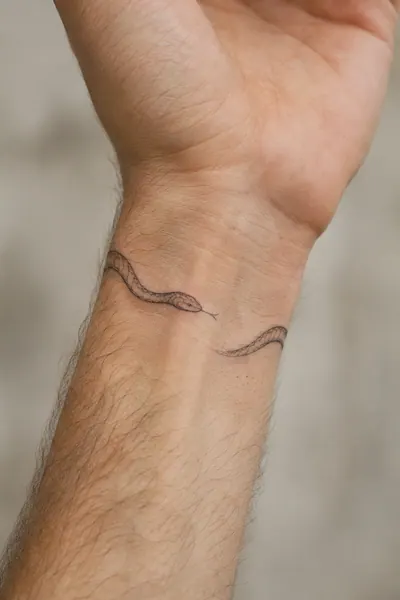
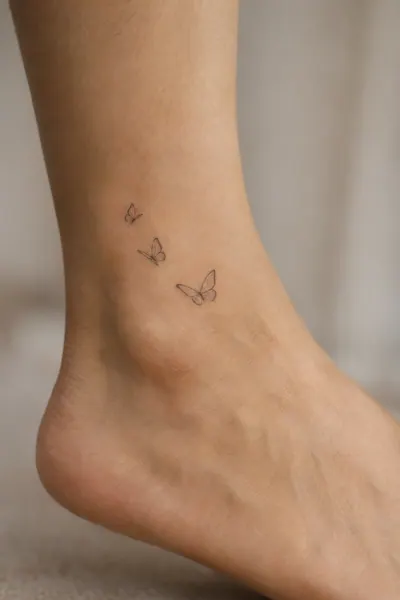
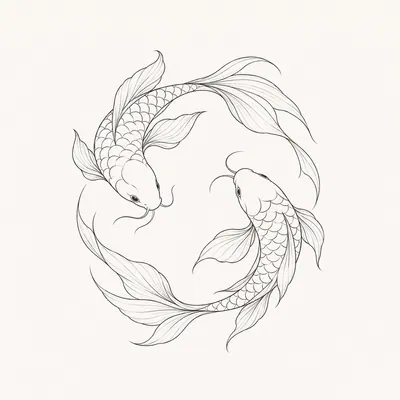
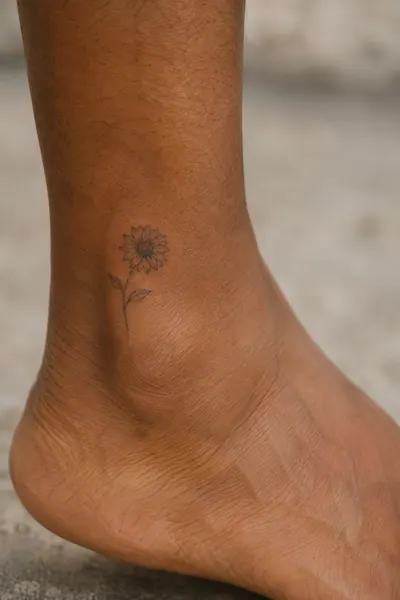
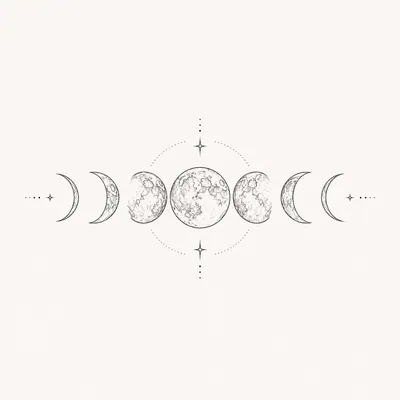
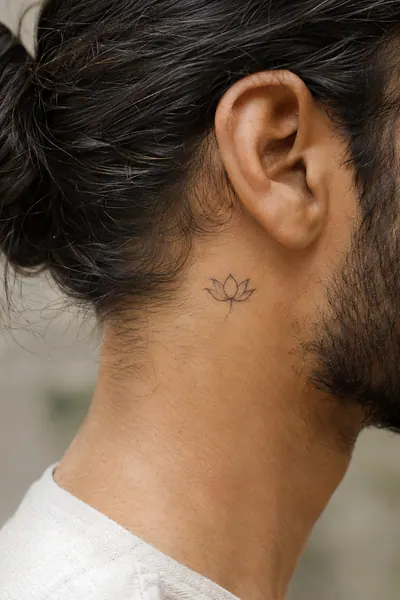
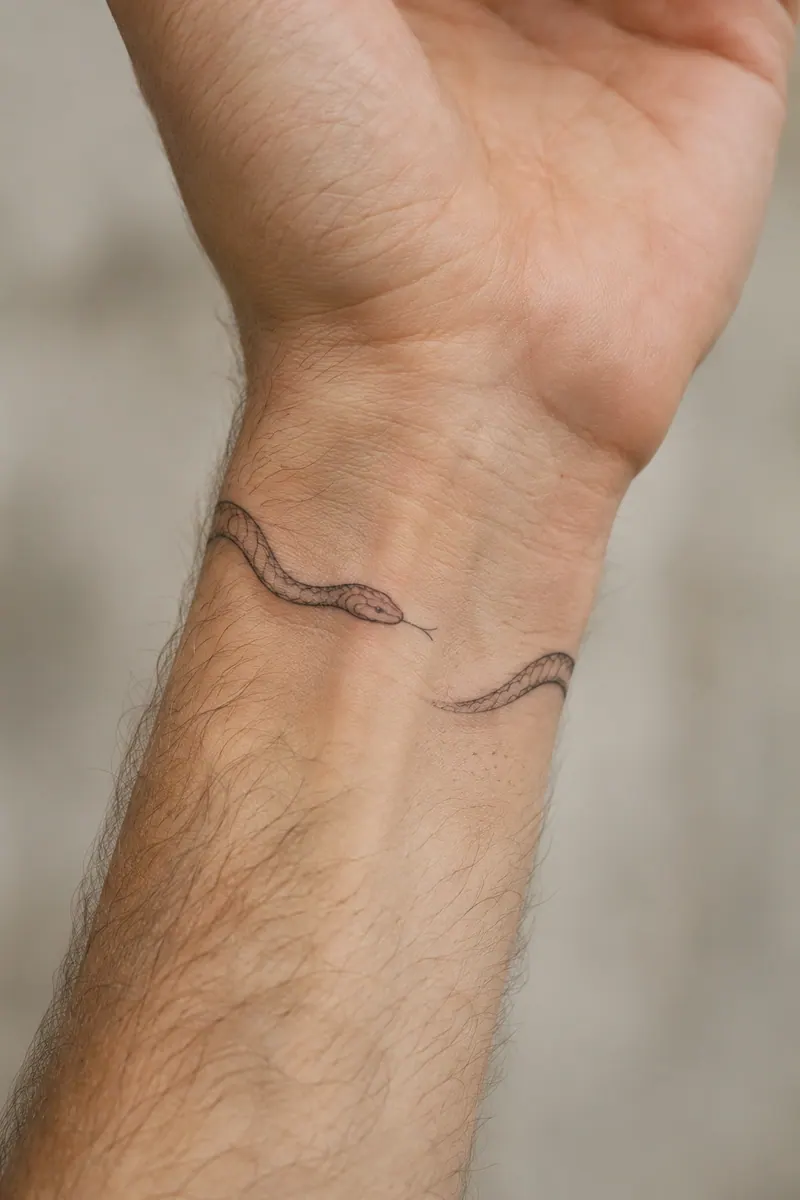
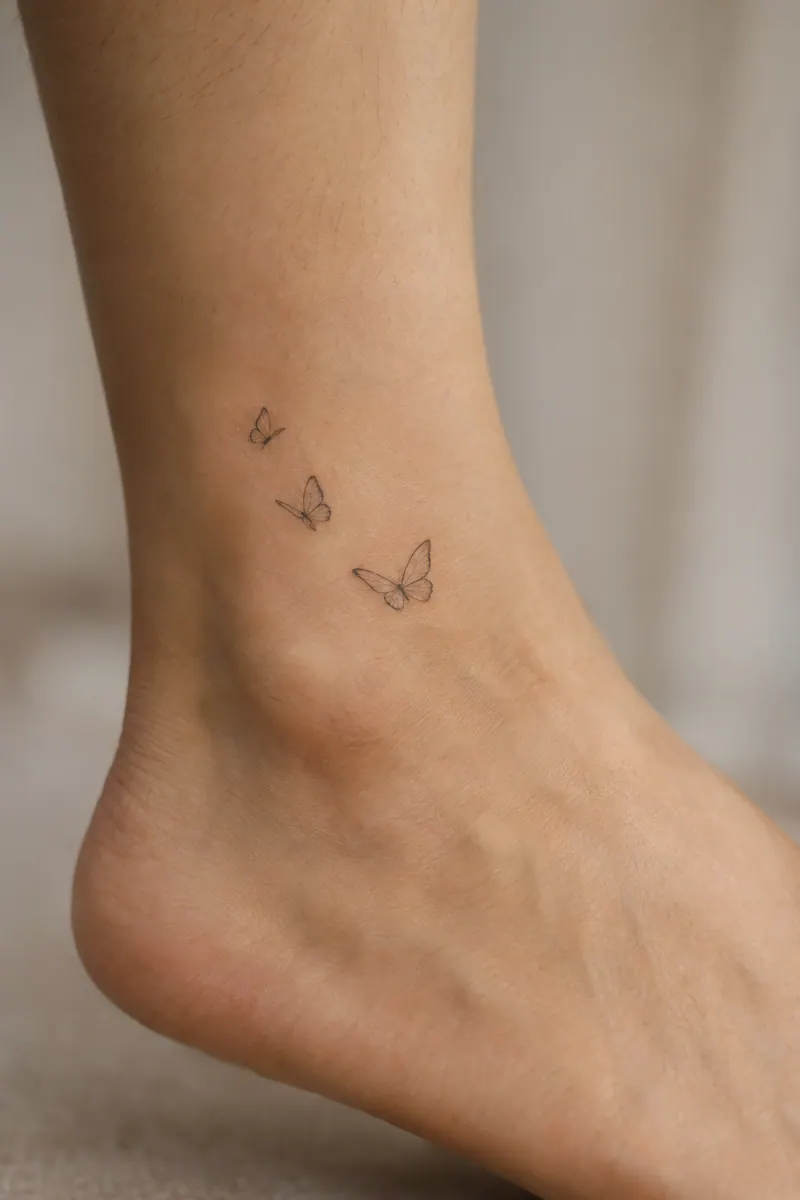
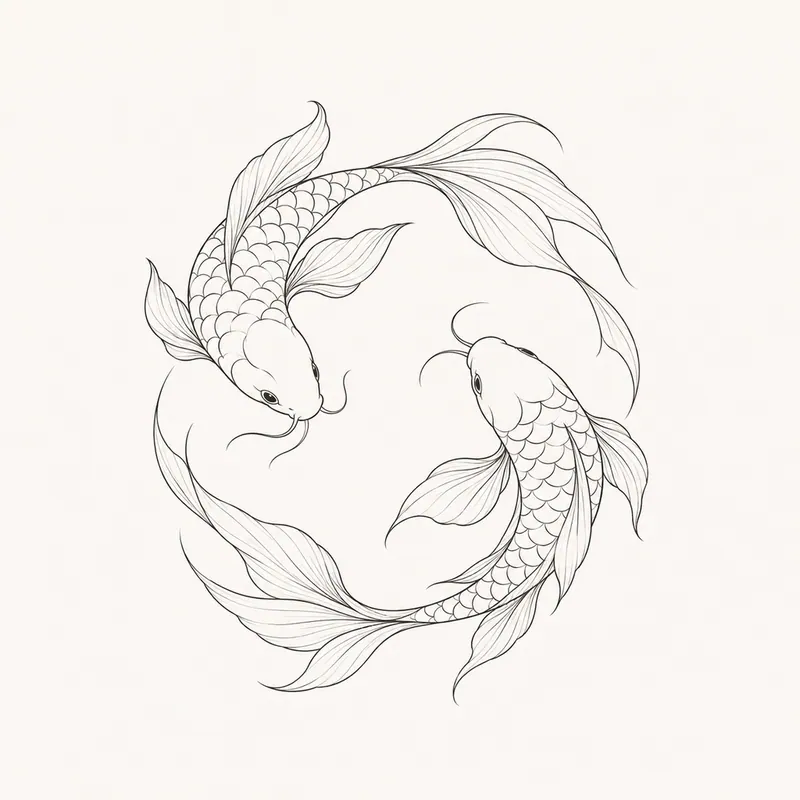
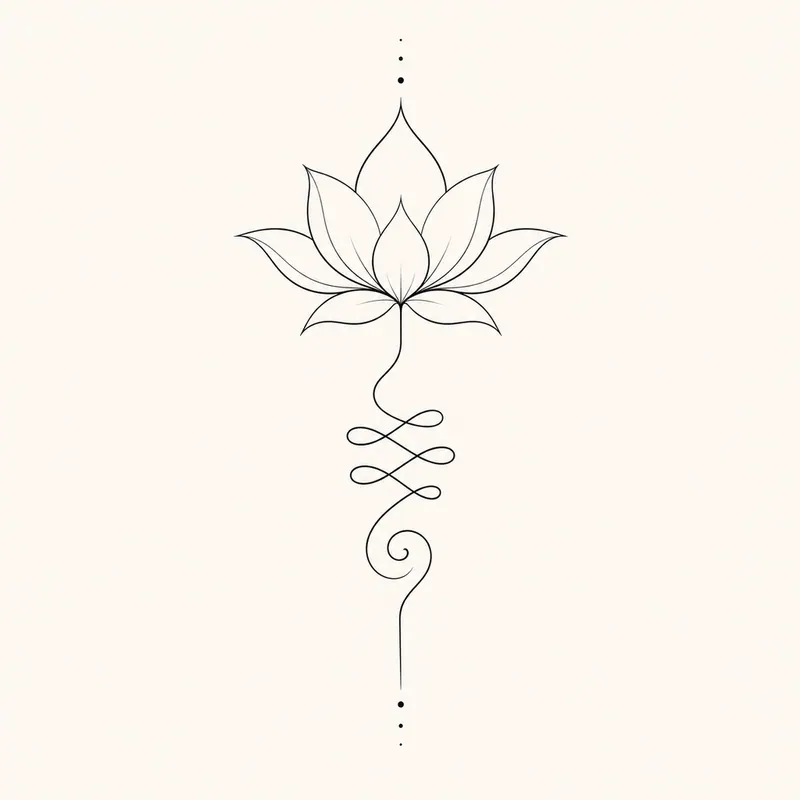
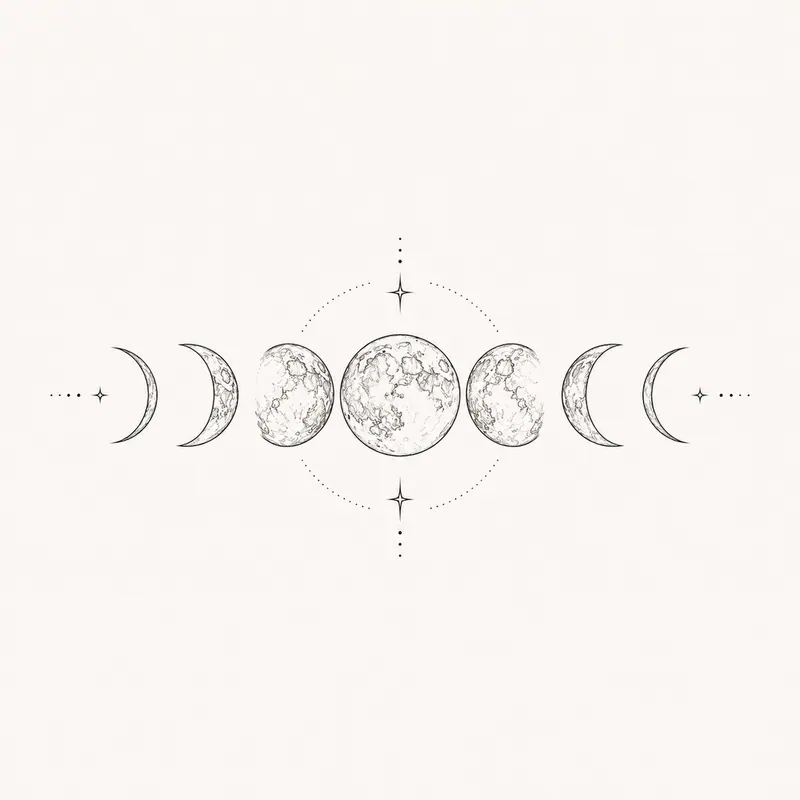
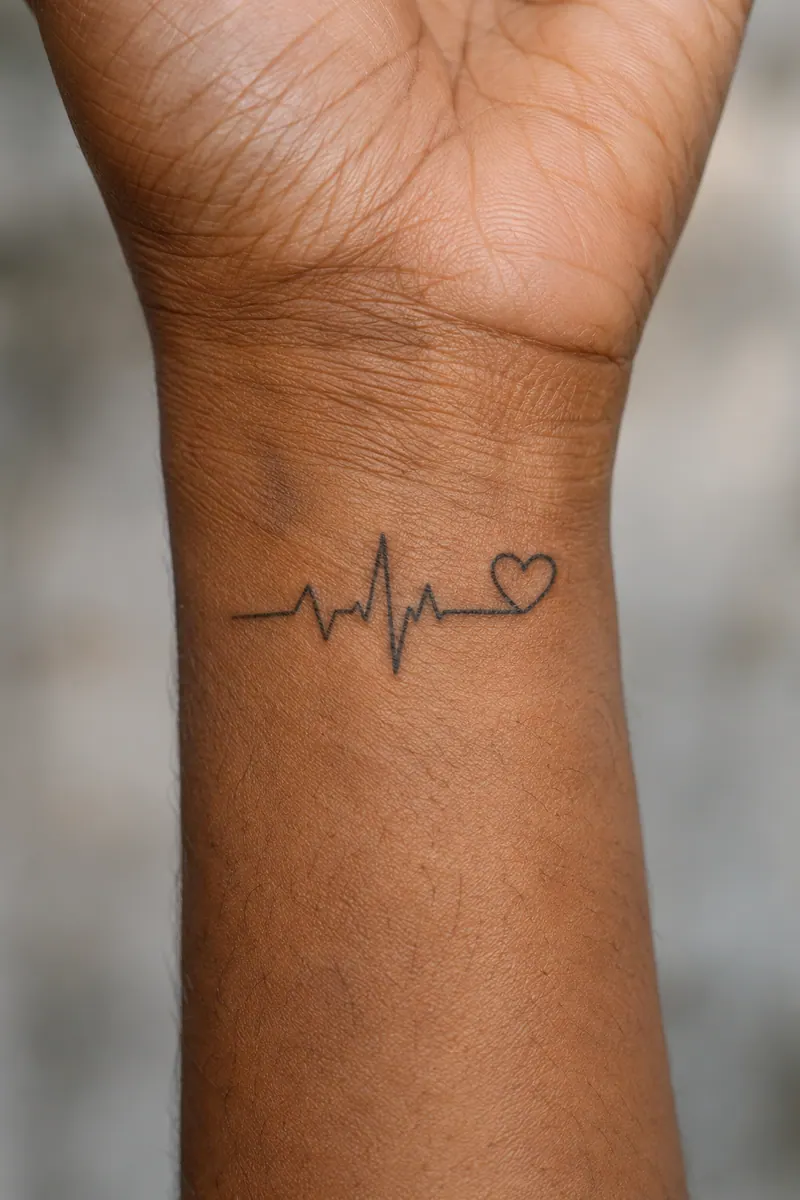
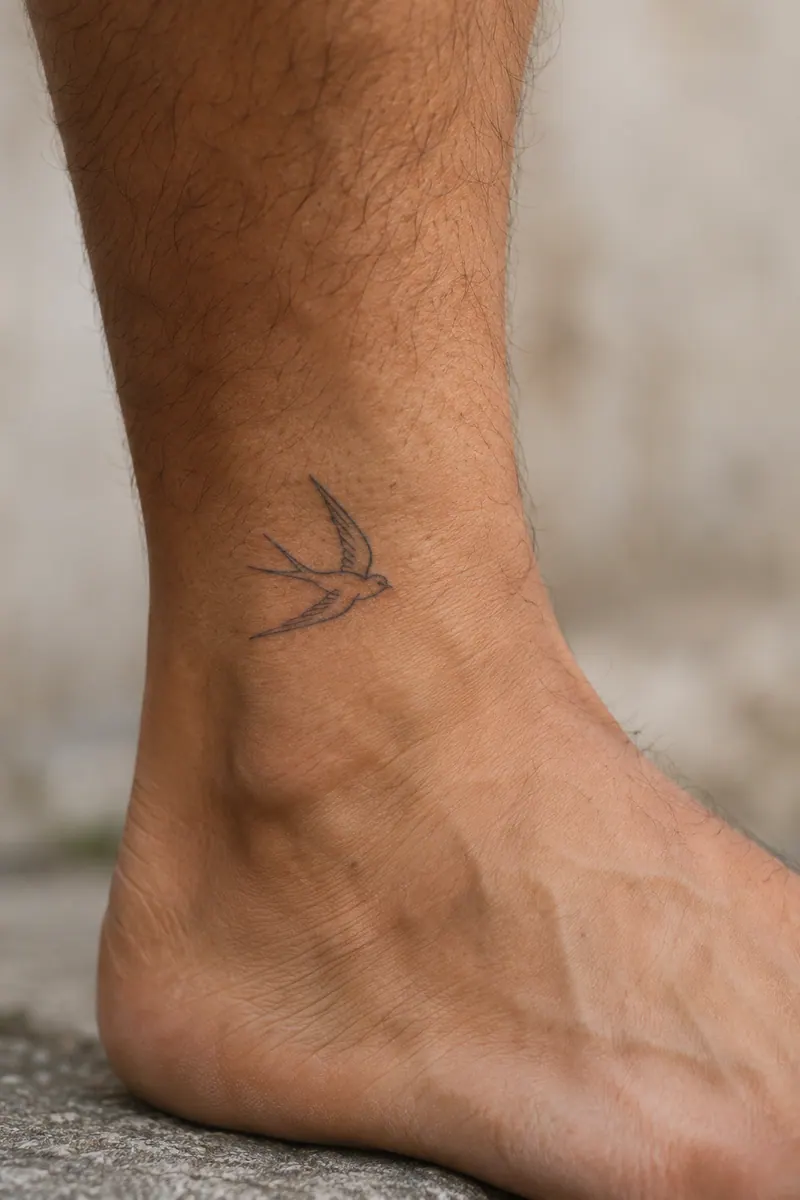
The gallery above shows how far a few lines can go: a small snake wrapping around the wrist, three tiny butterflies and a tiny swallow at the ankle, two koi circling as a yin yang on the upper arm, a lotus with an unalome line on the chest, a row of moon phases and a mountain range line on the forearm, and a heartbeat line ending in a small heart on the wrist.
How minimalist tattoos age
Simplicity is an advantage over time. With fewer details there is less to blur, and an open design can absorb the gradual softening of ink without losing its meaning. A few things still matter:
- Line spacing. Lines that nearly touch, like tiny lettering or a detailed symbol shrunk too far, can merge. Leave gaps of a few millimeters.
- Placement. Fingers, palms, the sides of the hands and the soles of the feet fade fastest because of friction and frequent washing.
- Line weight. A slightly bolder line usually holds better than the thinnest possible one, especially on very small pieces.
- Sun. UV exposure fades any tattoo; sunscreen keeps light linework crisp.
Best subjects and placements for minimalist
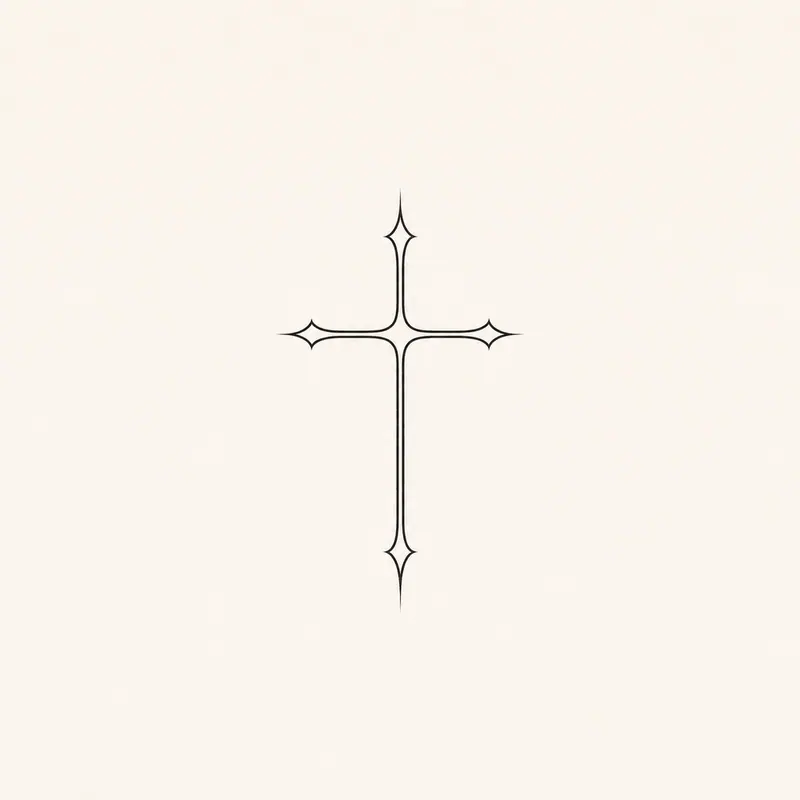
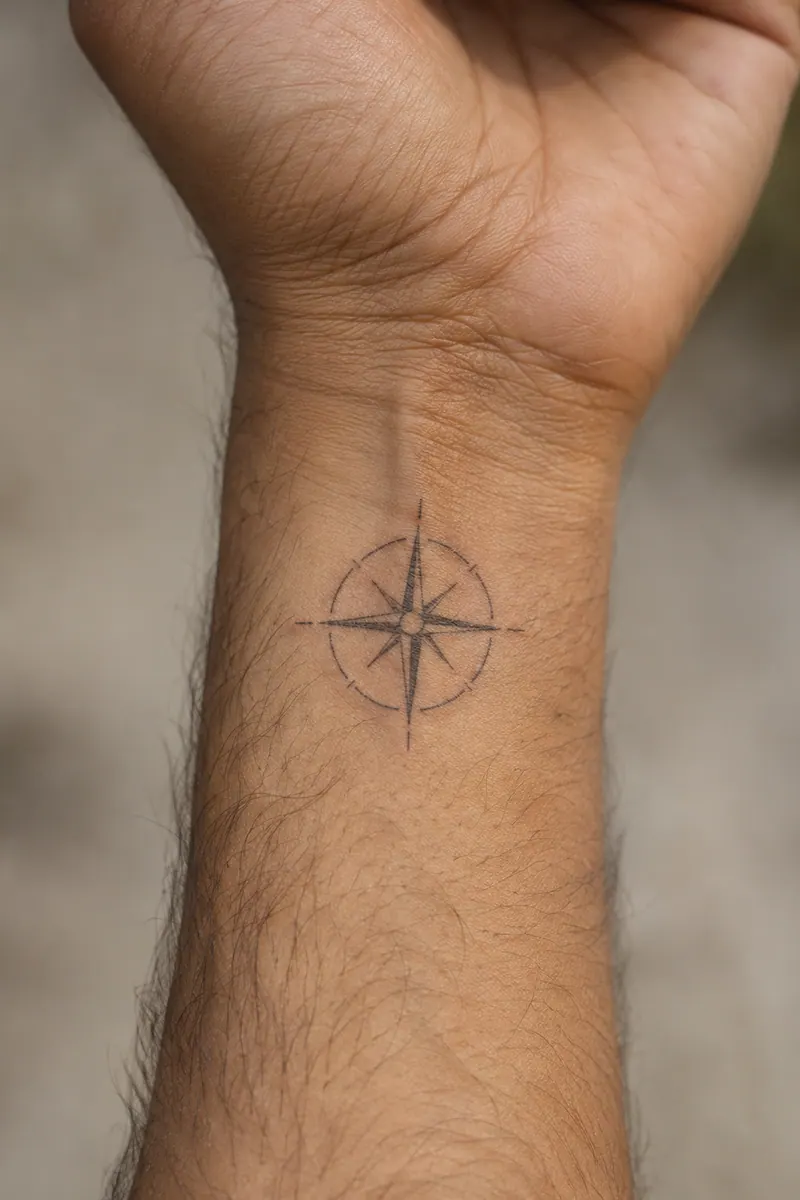
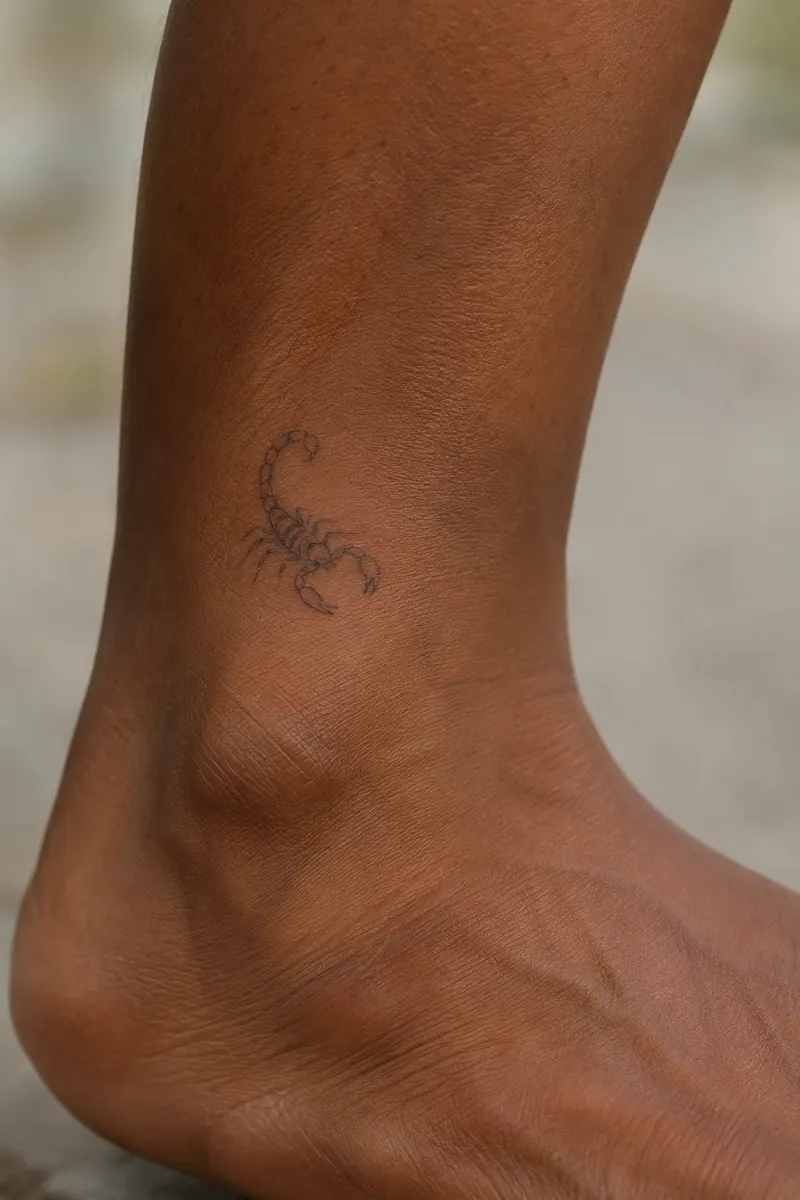
Minimalism suits subjects with a strong, simple silhouette: hearts, moons and suns, mountains, waves, small animals like cats, swallows and scorpions, crosses, compasses and simple flowers like a sunflower or lotus. Some of the most popular minimal designs are sacred symbols — the unalome, for example, comes from Buddhist tradition and represents the path toward enlightenment — so it’s worth learning what a symbol means before reducing it to a few lines.
Because the pieces are small, they fit the places where bigger tattoos struggle:
- Wrist — the classic spot for a tiny heart, sun or cross.
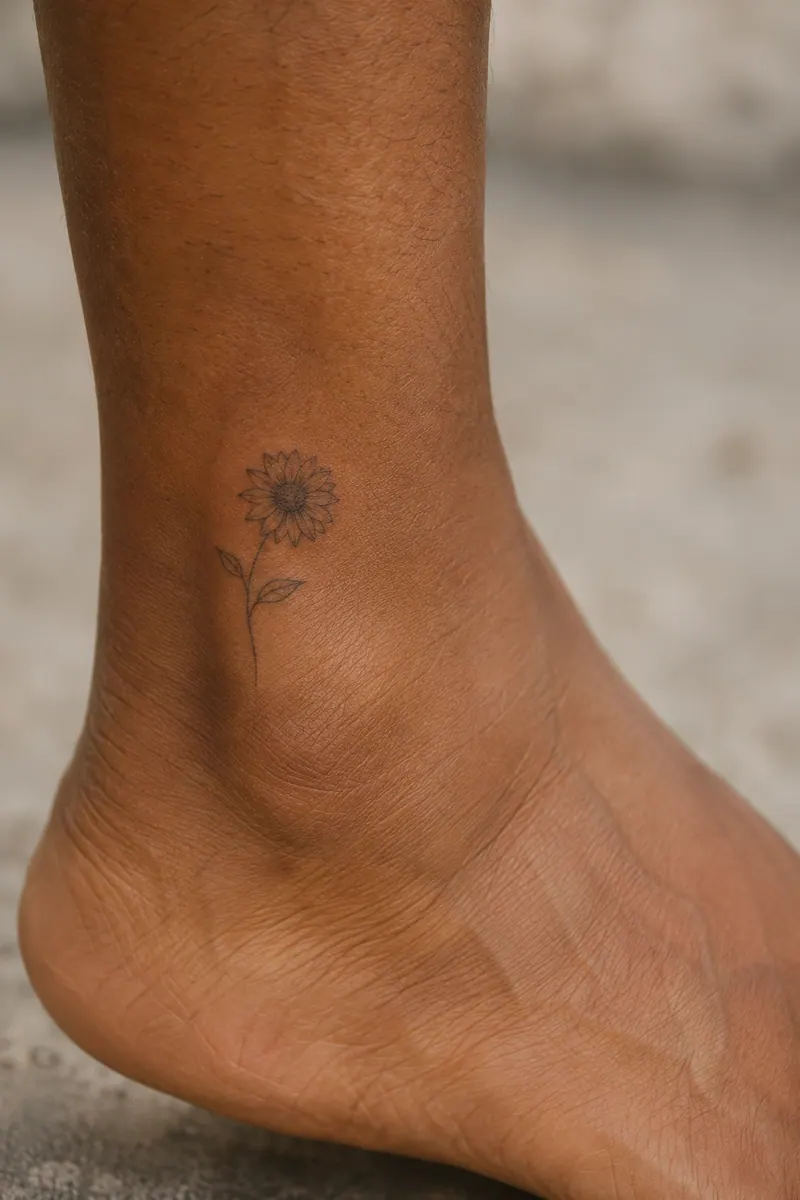
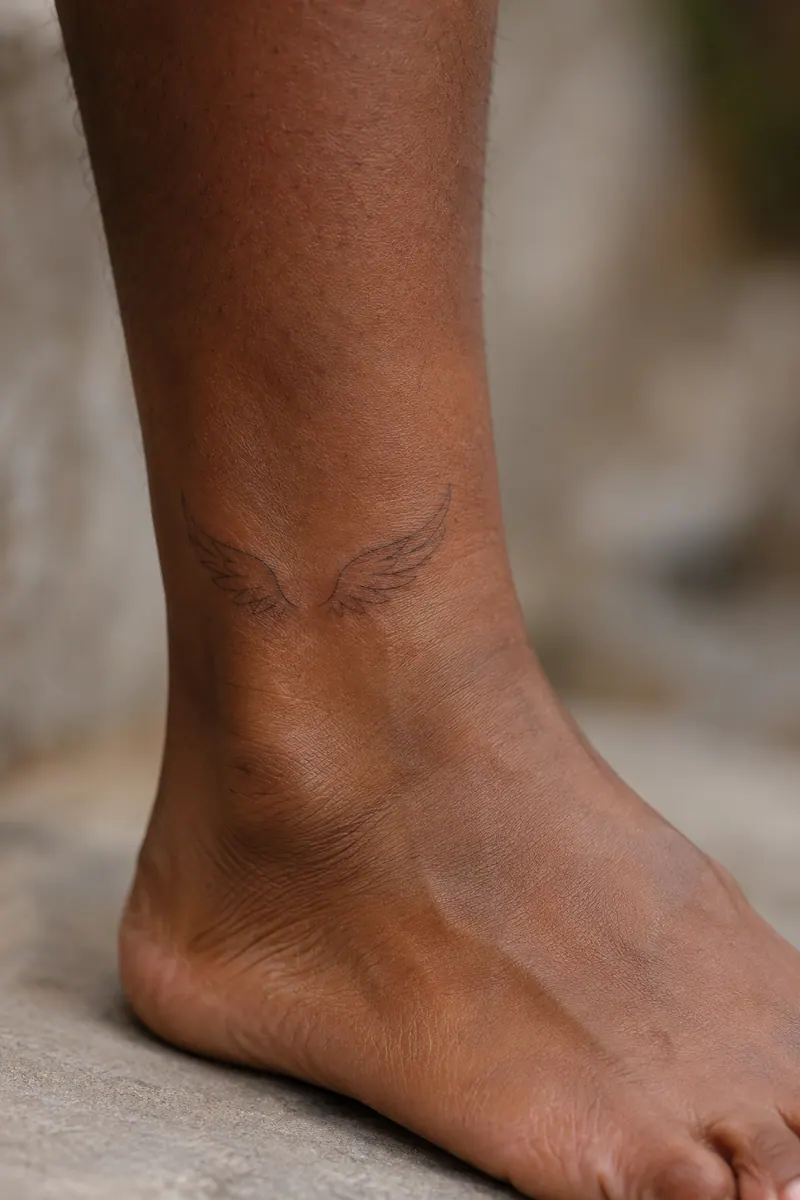
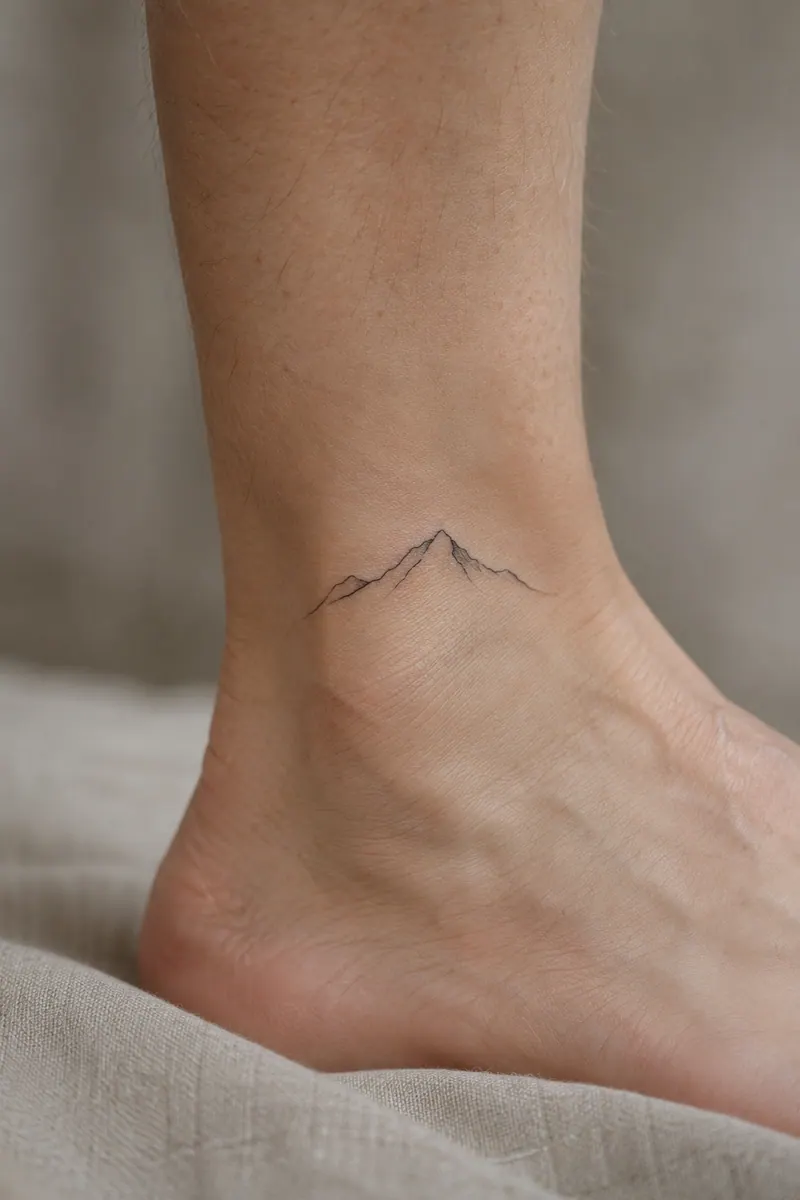
- Ankle — small wings, a tiny mountain or a swallow.
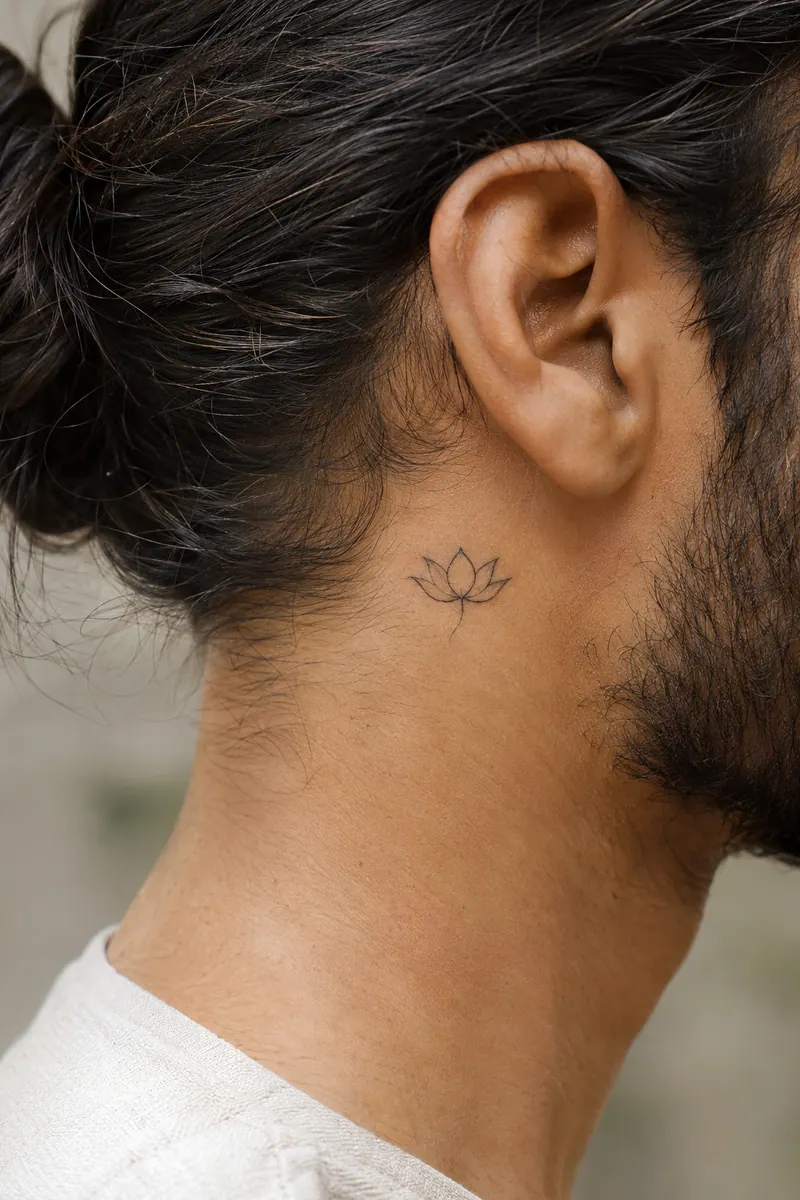
- Behind the ear and side of the neck — a tiny lotus or moon.
- Inner forearm and collarbone — moon phases, a mountain range line or a short word.
If you’re thinking about a group of small tattoos, plan how they will sit together; scattered minimal pieces look more intentional when they share a line weight.
Minimalist vs. neighboring styles
- Minimalist vs. fine line. Minimalist is about how little is in the design; fine line is about how thin the needle is. A detailed botanical in thin lines is fine line but not minimalist.
- Minimalist vs. geometric. Geometric tattoos can be simple, but they focus on precise shapes, symmetry and patterns, often at larger sizes.
- Minimalist vs. blackwork. Both can be graphic, but blackwork relies on solid black fills, while minimalism uses outlines and bare skin.
Choosing an artist for minimalist work
Simple does not mean easy. With so few lines, every wobble, uneven line weight or blowout is visible. Look for an artist whose portfolio shows straight lines that stay straight, smooth curves and closed circles, and ask to see healed small pieces. A good artist will also tell you honestly when a design is too small for its details.
Testing it before you commit
The hard part of minimalism is choosing what to leave out. In InkForge you can describe your idea, generate it in the Minimalist style, and compare it with fine line or dotwork versions side by side. Then use Try-On to place it on a photo of your wrist or ankle and adjust the size, so you know it stays readable before you book.