InkForge
Why people choose the wrist
A wrist tattoo is one of the most personal placements you can pick. It sits where you naturally look many times a day, so it works as a quiet reminder: a loved one’s initial, a symbol that got you through something, a small sign of who you are. It is also a classic first tattoo, because the designs are small, the sessions are short and the commitment feels manageable.
The trade-off is space. The wrist is narrow and curved, with bone and tendons close under the skin. That shapes everything else on this page: which designs fit, how they age and how they heal.
Do wrist tattoos hurt?
Pain is personal, but most people rank the wrist as moderate, sharper than the outer forearm and gentler than ribs or feet. A few patterns are common:
- The inner wrist has thin, soft skin and can feel more intense, especially over the tendons.
- The wrist bone on the outside tends to buzz or vibrate as the needle passes over it.
- The outer wrist is often the most comfortable part.
Because most wrist designs take well under an hour, many people find the session over before the discomfort really builds.
Visibility and everyday life
The wrist is hard to hide completely. Your hands are in view when you shake hands, type, cook or hold a cup. If you need to cover a tattoo for work, an inner wrist design that a watch strap or bracelet can hide is the safest choice. If you want people to see it, the outer wrist or the side of the wrist toward the thumb reads clearly.
Think about orientation too. Do you want the design to face you when you look down, or face others when your arm hangs at your side? Lettering in particular should be placed so it reads the way you intend.
Sizes and shapes that fit
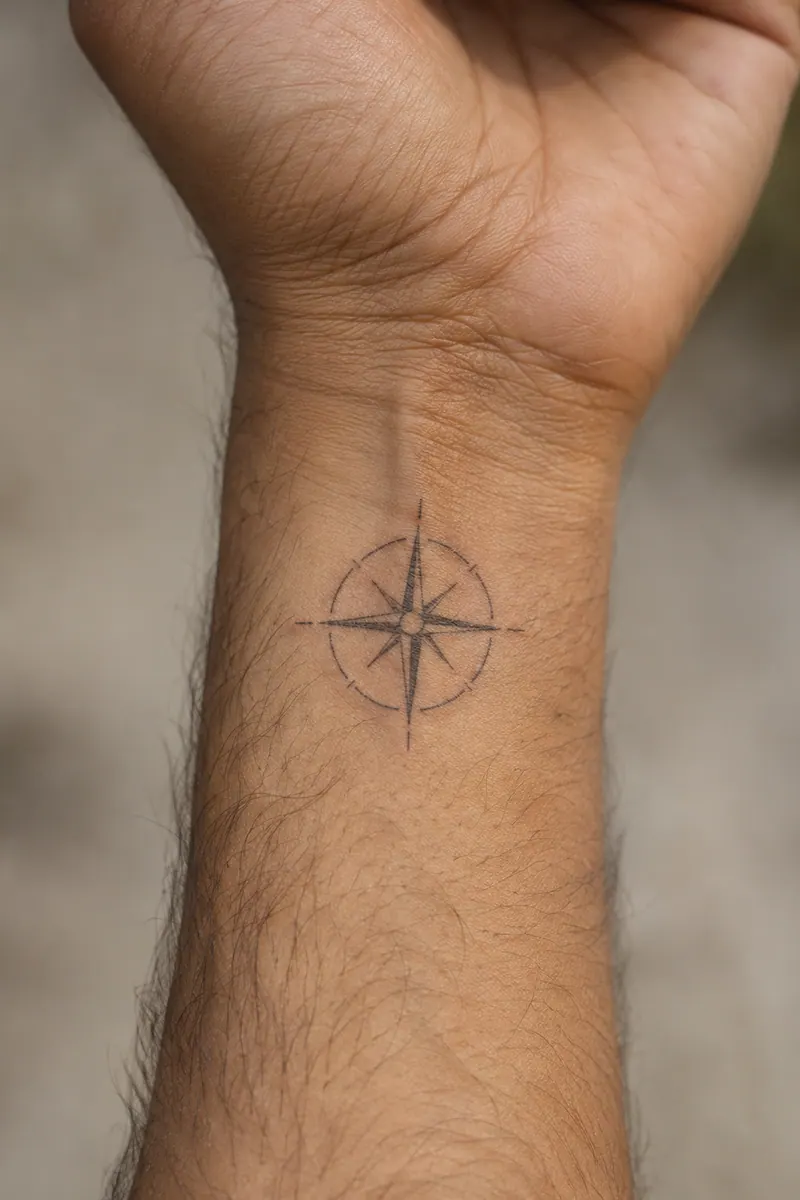
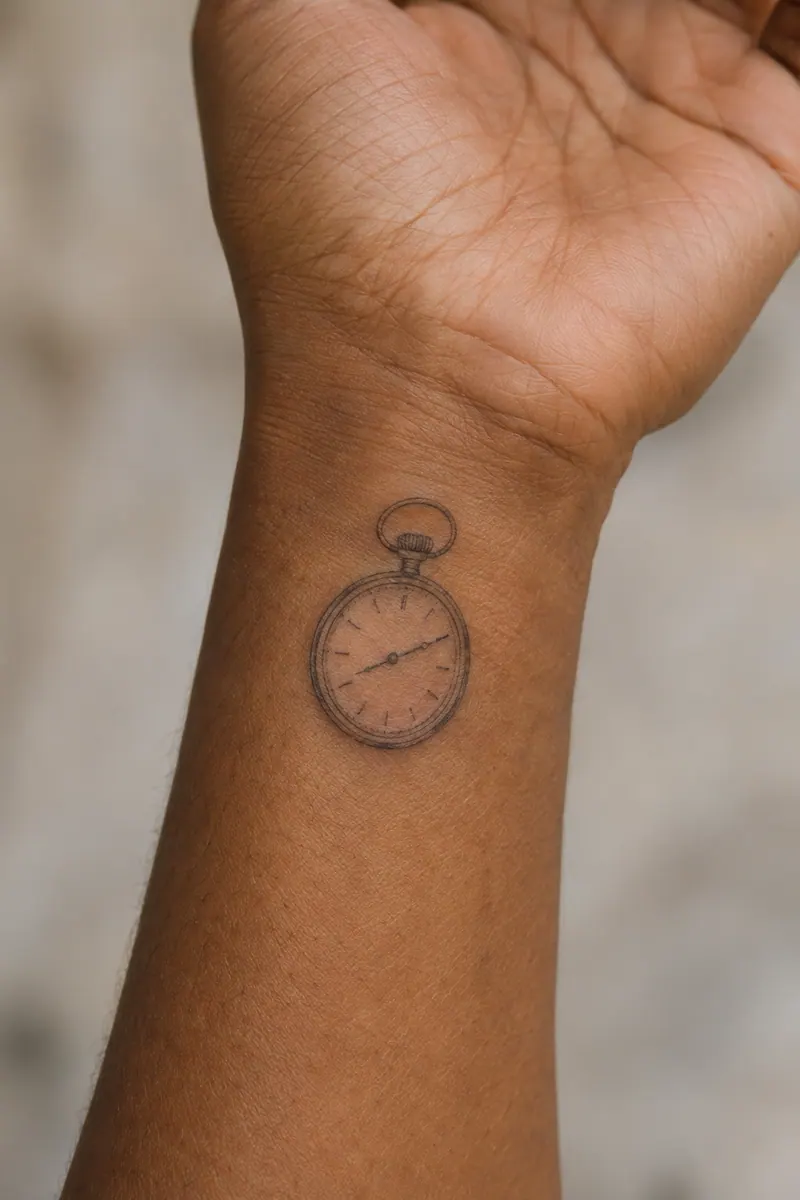
Most wrist tattoos fall between 2 and 6 cm. The space rewards simple, compact shapes:
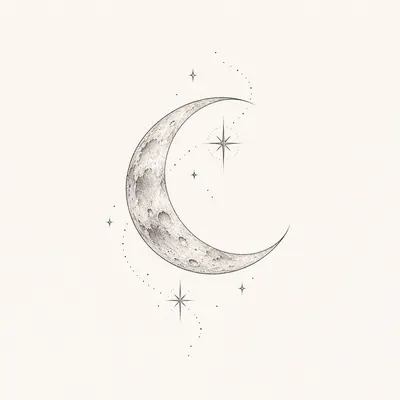
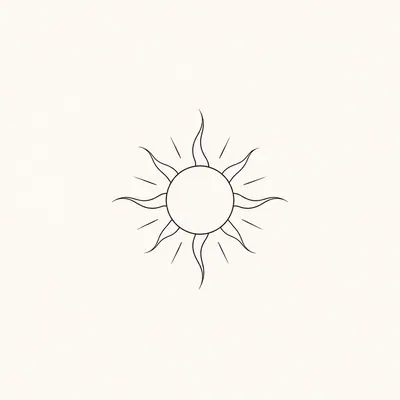
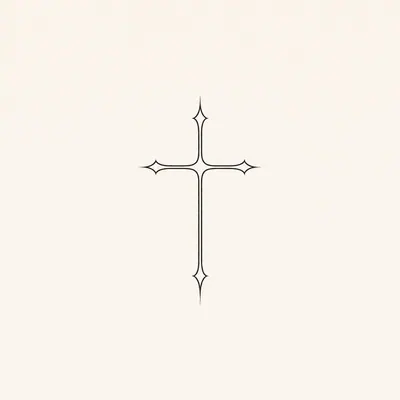
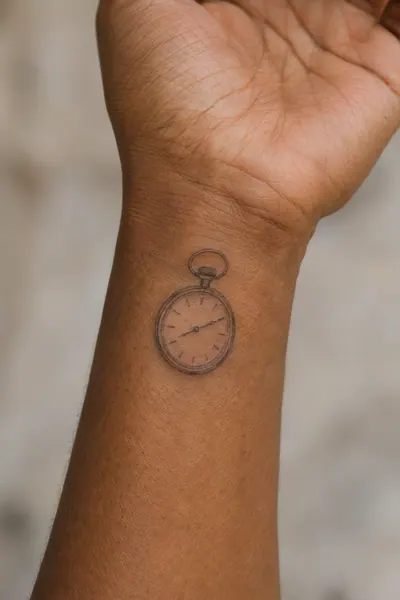
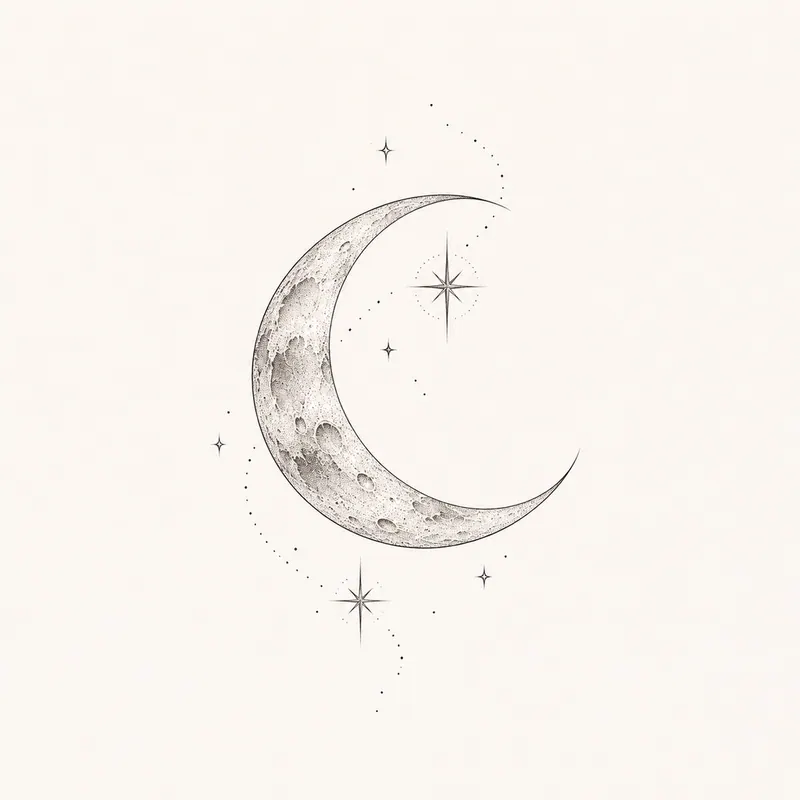
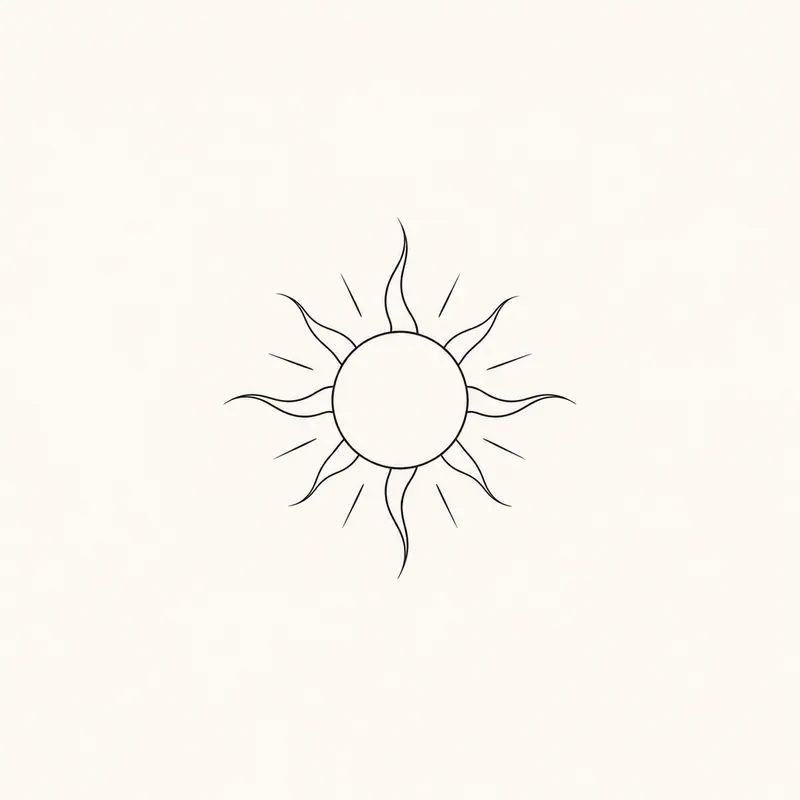
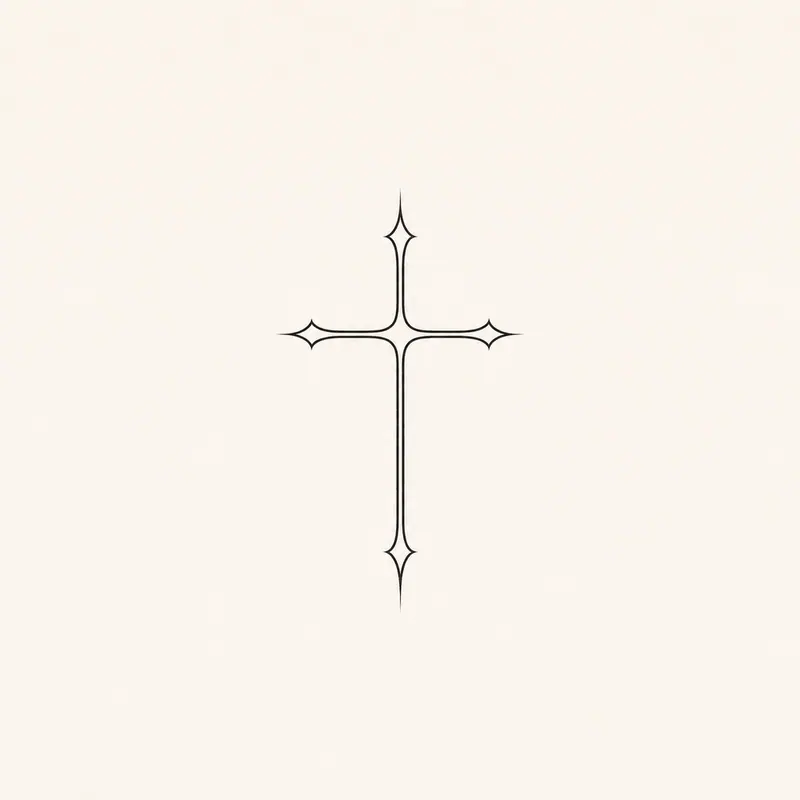
- Single symbols: a crescent moon with small stars, a tiny heart outline, a small sun or a simple cross.
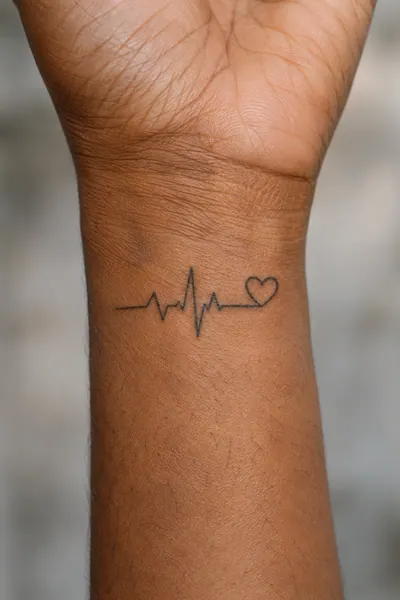
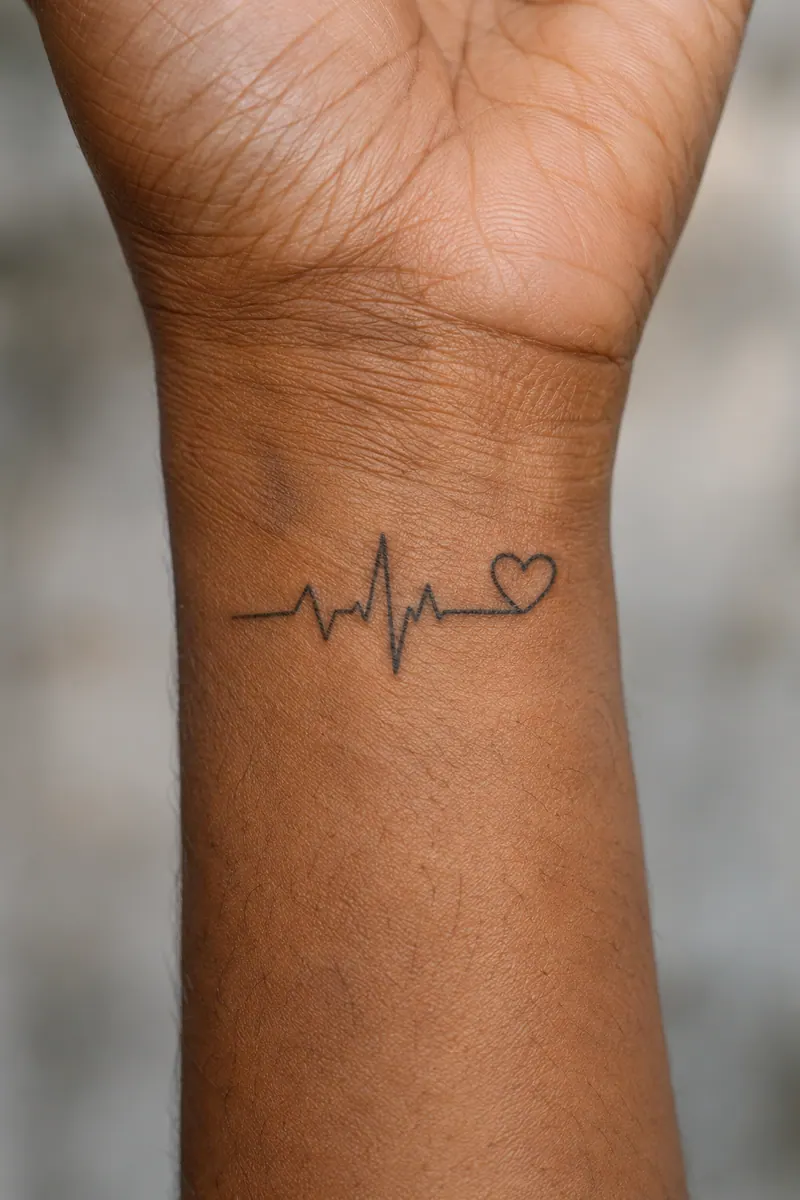
- Horizontal lines that follow the crease: a heartbeat line, a short word, a row of dots.
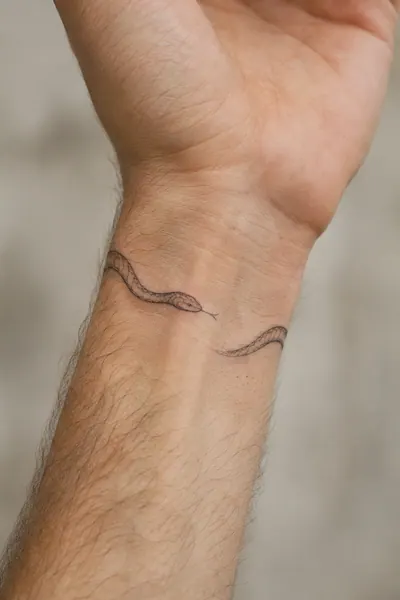
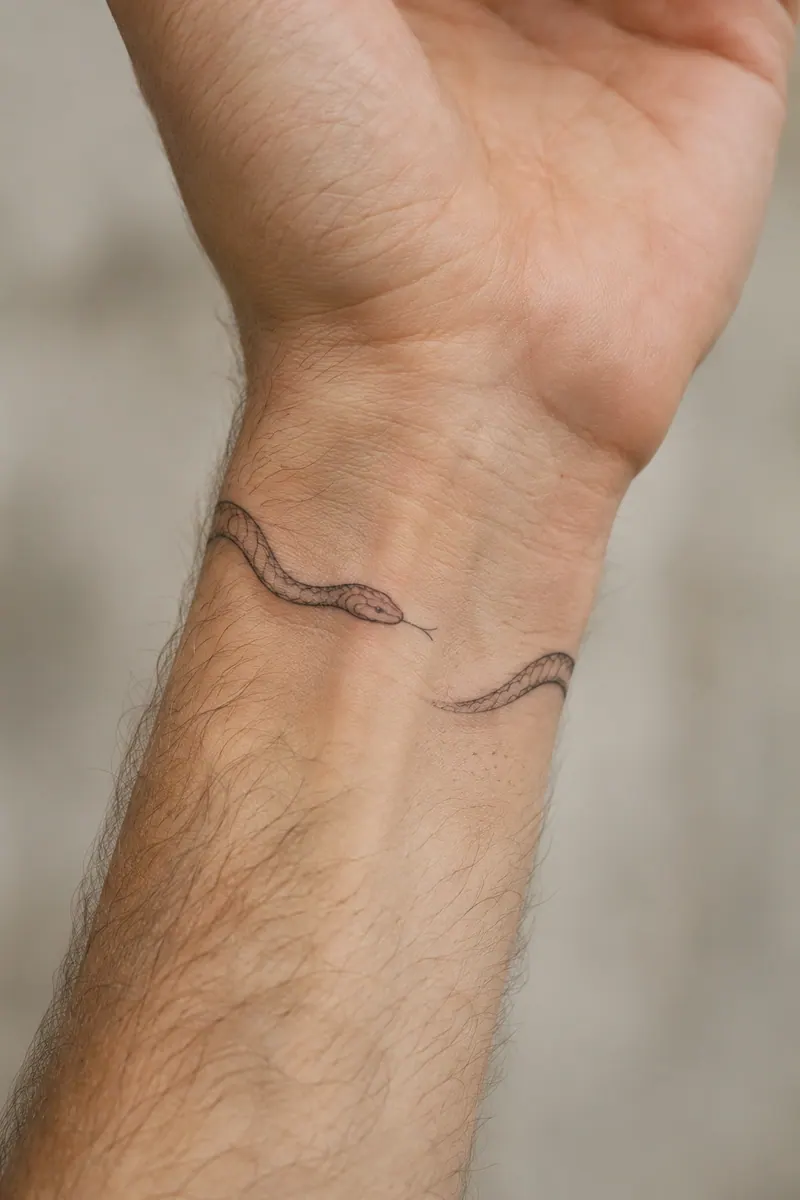
- Wraparound designs, such as a small snake circling the wrist like a bracelet. These look striking but take longer and cross more sensitive areas.
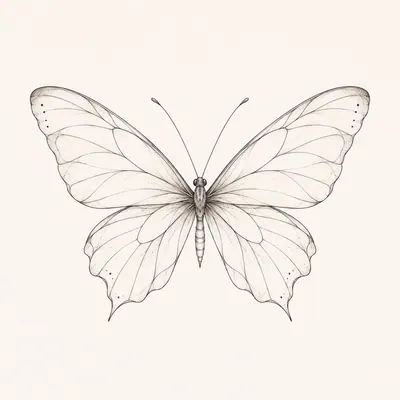
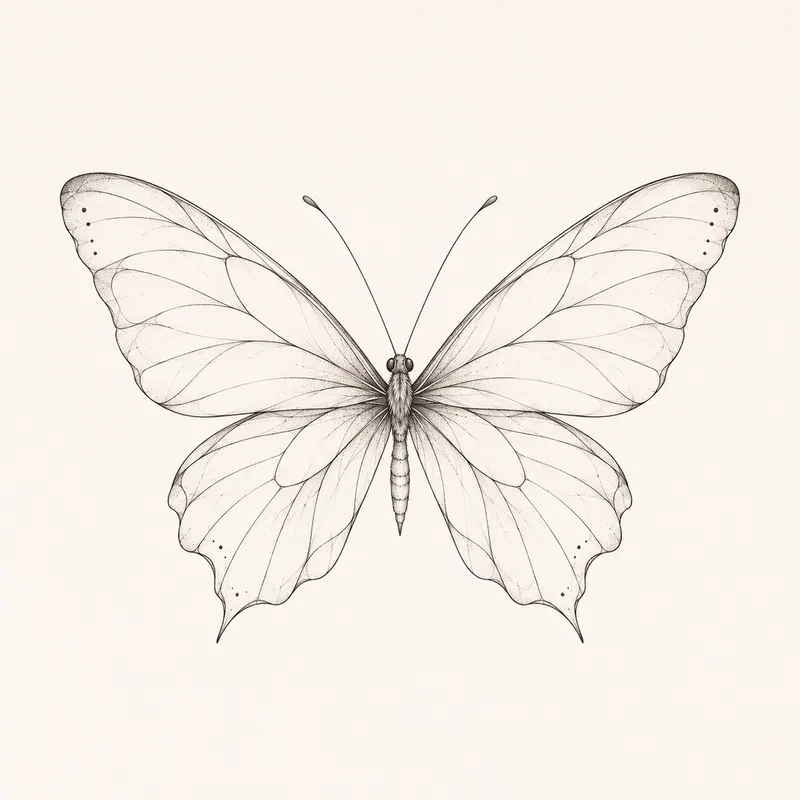
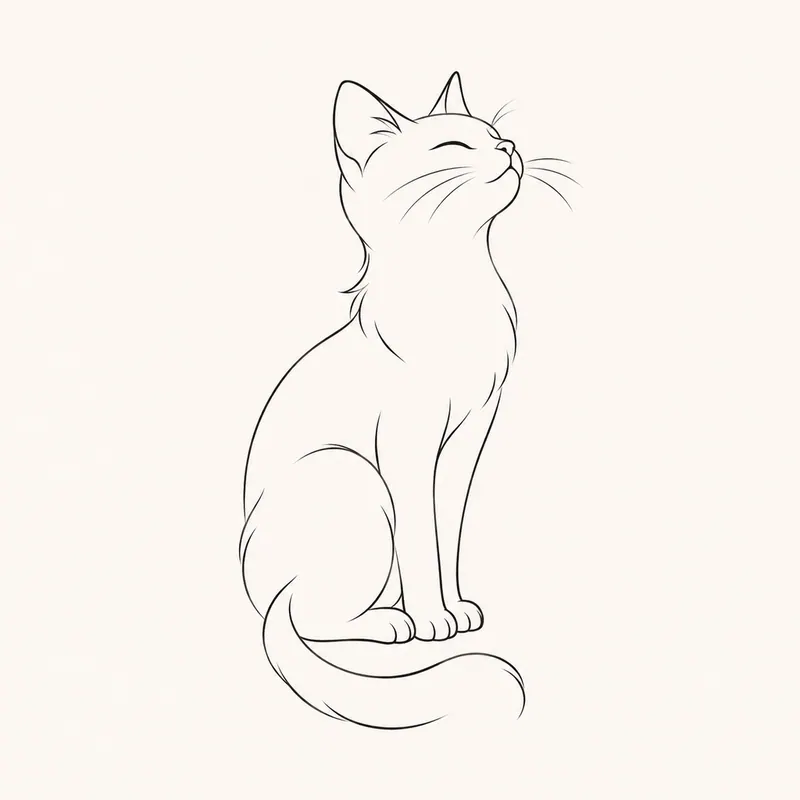
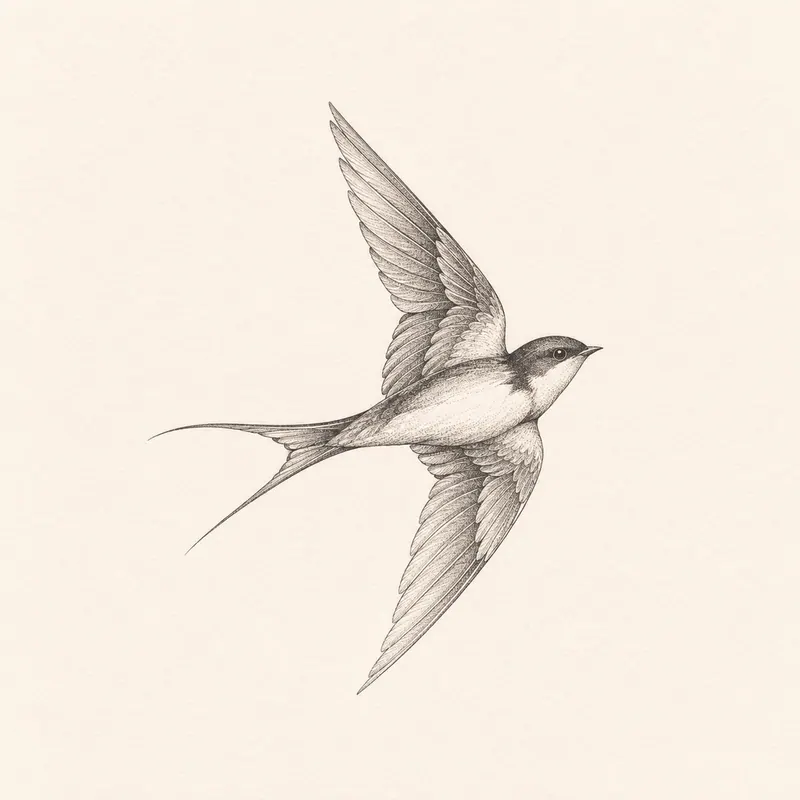
- Small outlines of animals: a butterfly with thin wings, a cat silhouette, a swallow in flight.
Avoid packing in detail. Lines placed very close together on a small, high-movement area tend to blur into each other over time. If your idea has shading, texture or several elements, consider the forearm instead and keep a simplified version for the wrist.
Styles that suit the wrist
Fine line and minimalist styles dominate wrist tattoos for a reason: they stay delicate at small sizes and look good with jewelry. A few tips:
- Fine line looks elegant but is the most vulnerable to fading here. Ask your artist about a line weight that will hold up on a frequently washed area.
- Minimalist designs with slightly bolder lines and lots of empty space usually age best.
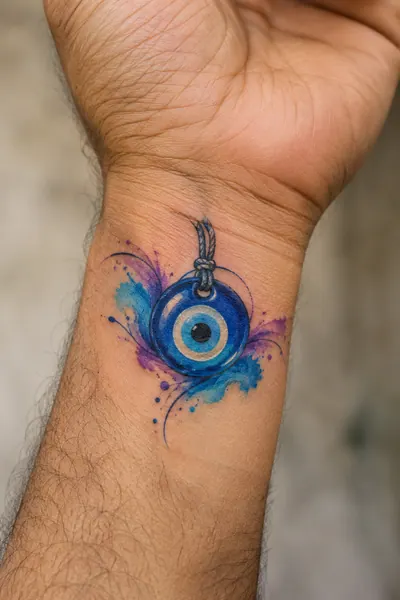
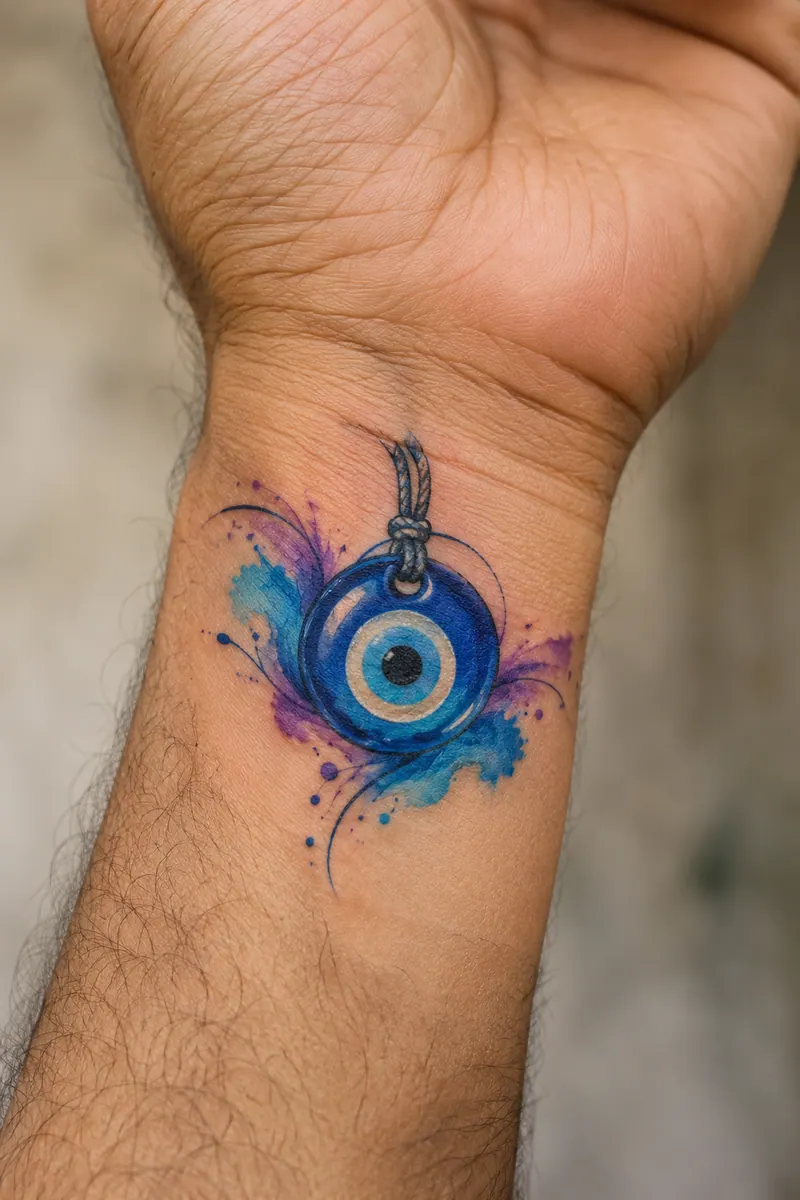
- Small color accents, like a watercolor evil eye or a single red heart, can work well, though color on the outer wrist needs good sun protection.
- Lettering should be short and spaced generously so the letters don’t close up.
Wrist tattoo healing and aftercare
Wrists heal fairly quickly for most people, but they move constantly, which brings a few specific challenges:
- Leave off watches, bracelets and tight cuffs until the tattoo has healed, so nothing rubs the fresh ink.
- Hand washing is unavoidable. Pat the area dry gently and follow your artist’s instructions about washing and moisturizing.
- Bending can make the skin crack or flake more along the crease. Try to avoid heavy gripping or wrist-strain workouts for the first days.
- Sun is the long-term enemy. Once healed, sunscreen keeps lines crisp, especially on the outer wrist.
Always follow your artist’s aftercare, and ask them if anything looks unusual while it heals.
Small does not have to mean generic. The best wrist tattoos usually have one detail that is yours alone: a birth flower, the moon phase from an important night, a loved one’s handwriting, a symbol drawn with a thinner or bolder line than the usual flash version.
In InkForge you can describe that idea, generate it in Fine Line or Minimalist, and then use Try-On to place it on a photo of your own wrist, adjusting position, size and rotation by hand to see how it sits before you show it to your artist.