InkForge

What defines the illustrative style
“Illustrative” is less a strict rulebook than a look: a tattoo that reads like an illustration in a book, a print or a sketchbook. Two things usually define it:
- Strong, confident linework that holds the design together.
- Graphic shading such as hatching, stippling, whip shading or solid black accents, instead of photographic gradients.
The result is clear from a distance and rewarding up close. Illustrative tattoos can be playful, botanical, dark or mythological; what they share is the sense that someone drew this, line by line.
Where it comes from
Illustrative tattooing has no single birthplace. It grew as tattooers borrowed from book illustration, printmaking, pen-and-ink drawing and comics, while keeping the readability lessons of traditional tattooing. As custom work replaced flash for many clients, artists with drawing and illustration backgrounds brought their own visual language into the studio.
Because the term is so broad, you’ll see it used for work ranging from almost-traditional bold pieces to delicate etched drawings. When browsing artists, judge by the portfolio rather than the label.
What illustrative tattoos look like
- Defined outlines, often with varied line weight to suggest depth.
- Texture through marks: hatching for shadows, dots for gradients, short strokes for fur or petals.
- Composed scenes rather than isolated objects: an animal with flowers, a creature in its environment.
- Mostly black and grey, with color used selectively when it appears.
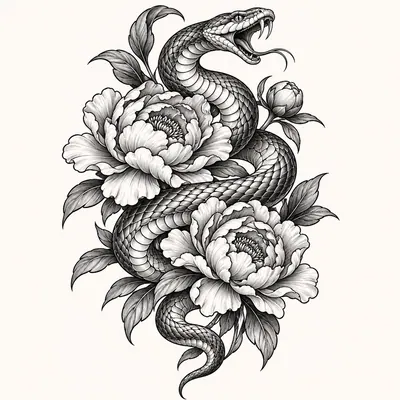
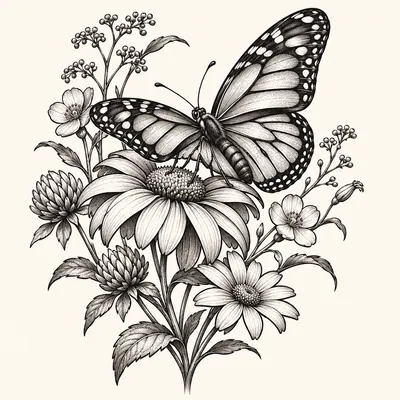
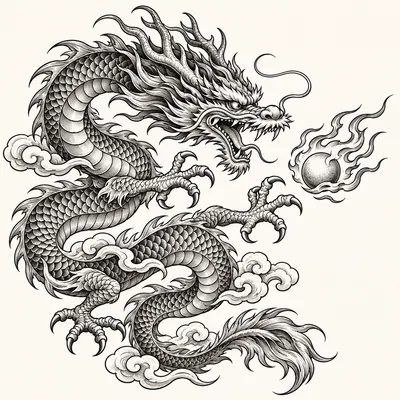
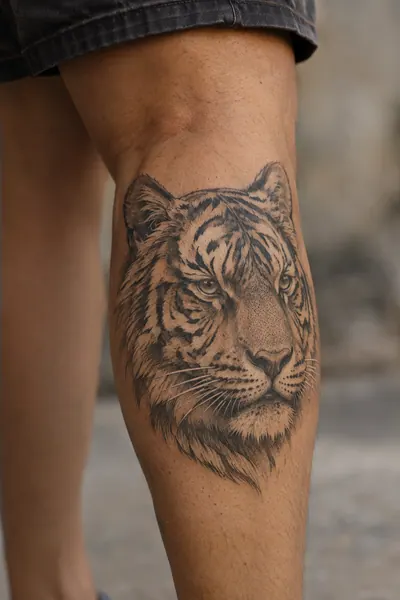
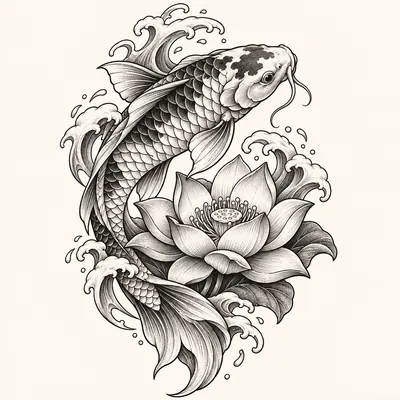
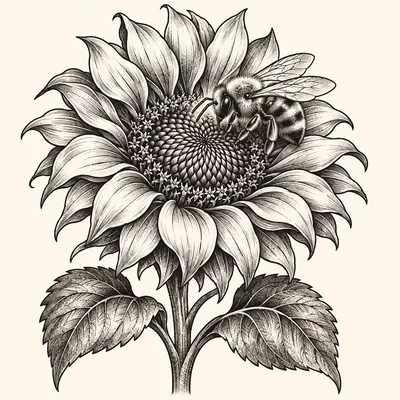
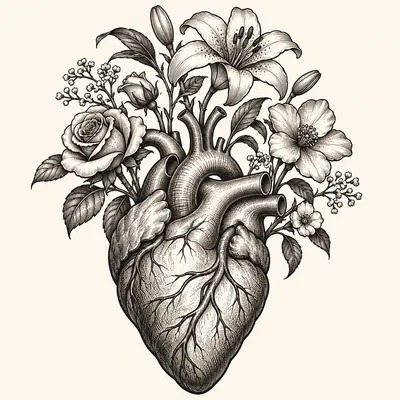
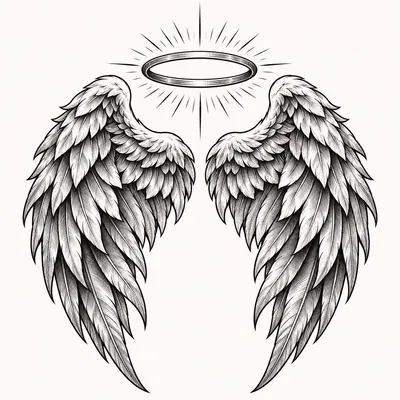
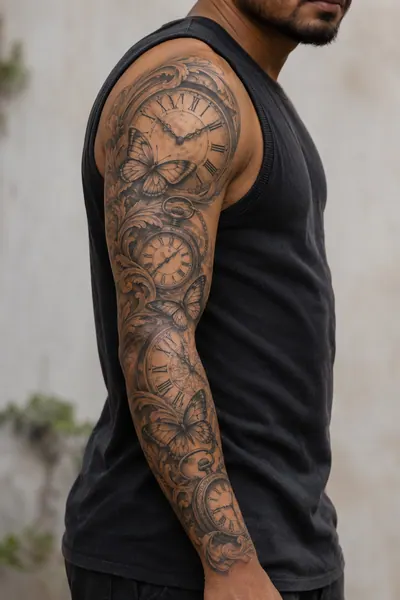
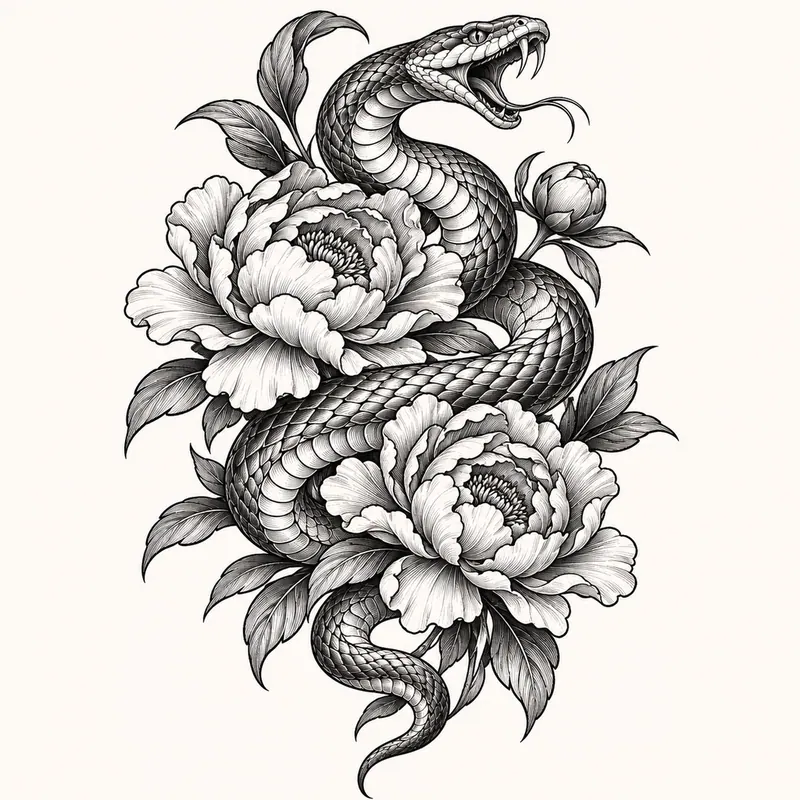
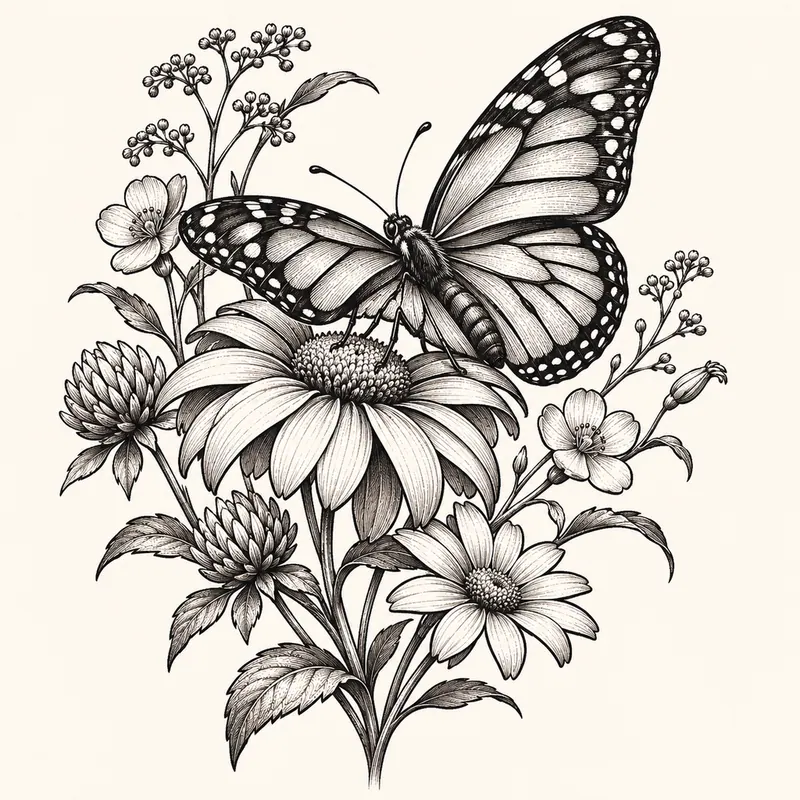
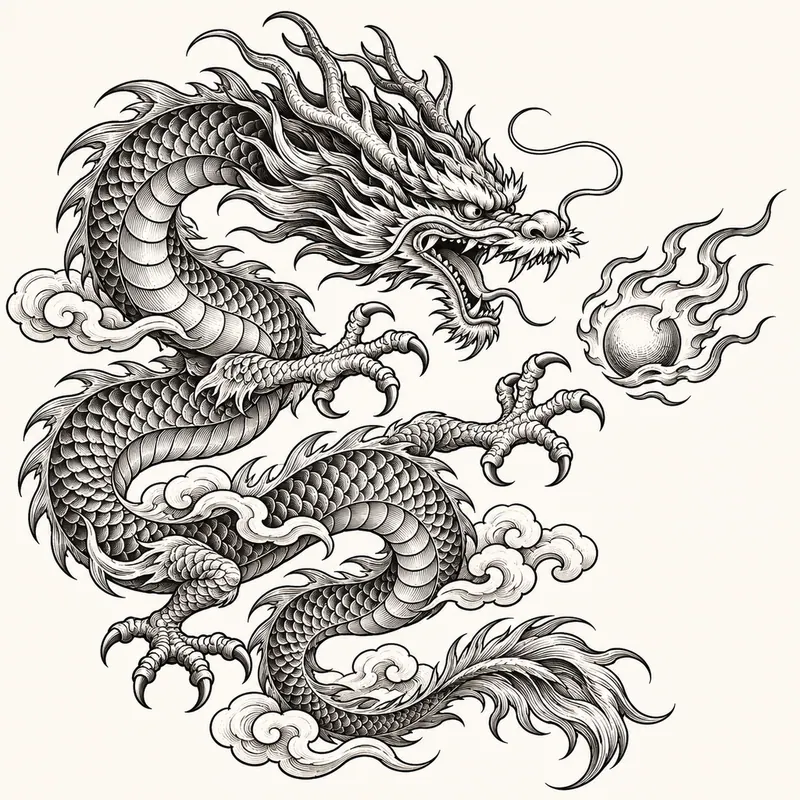
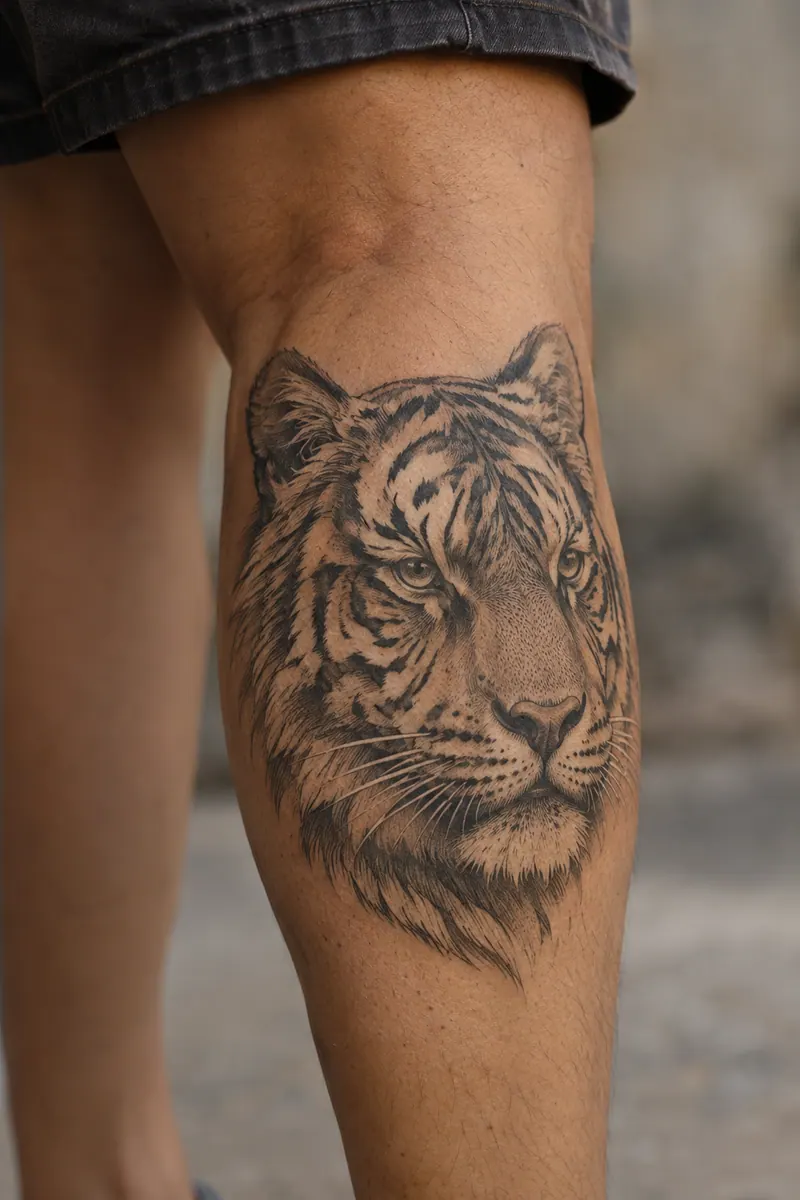
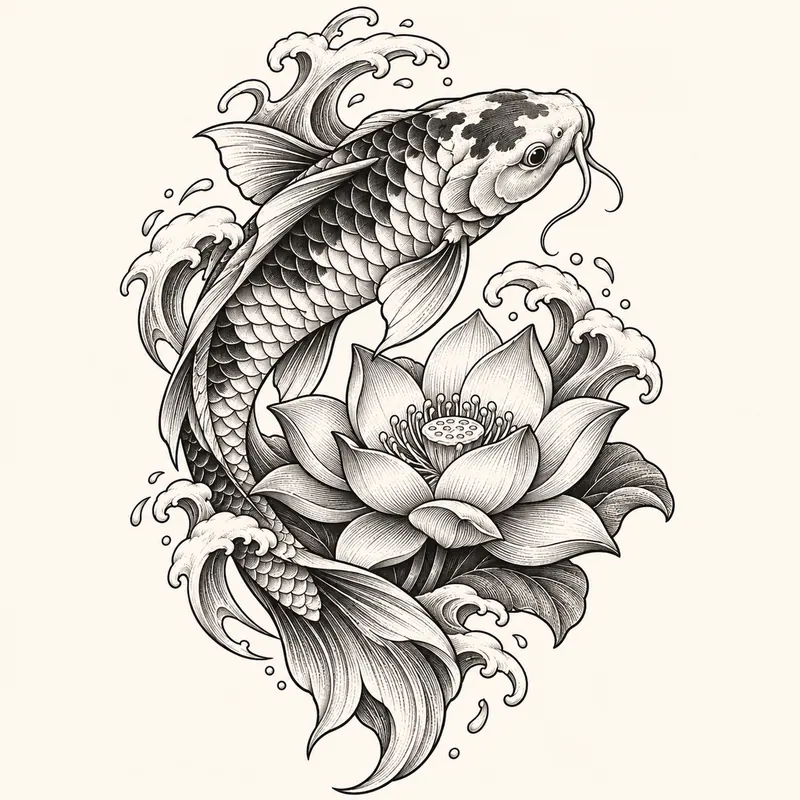
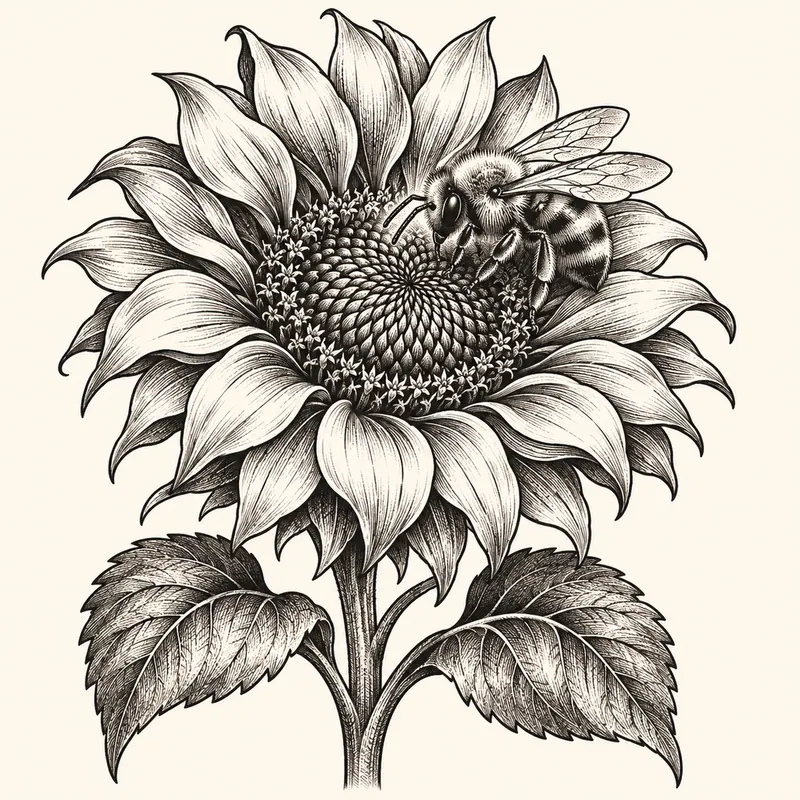
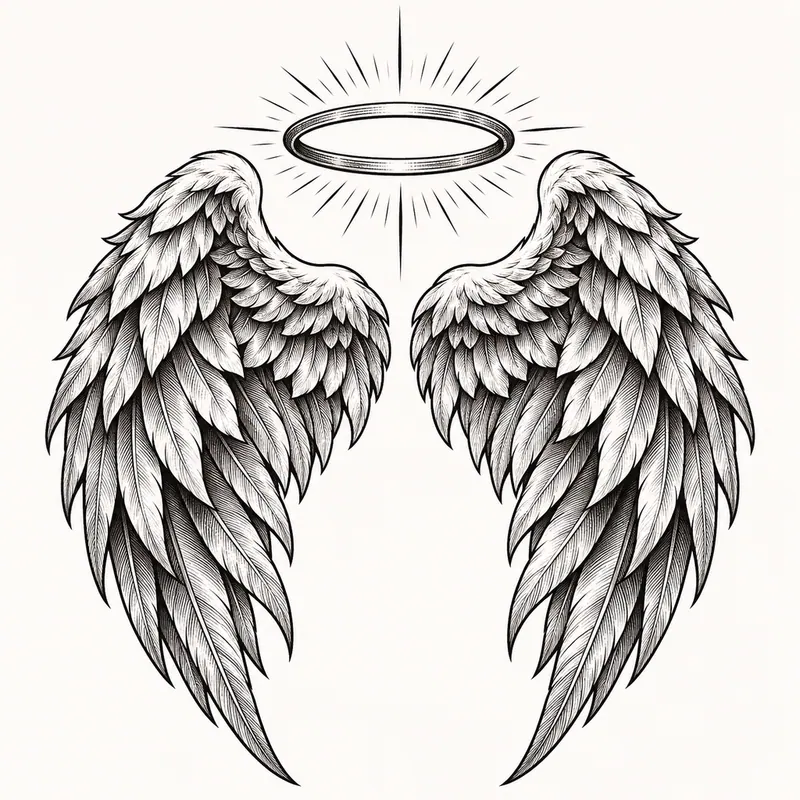
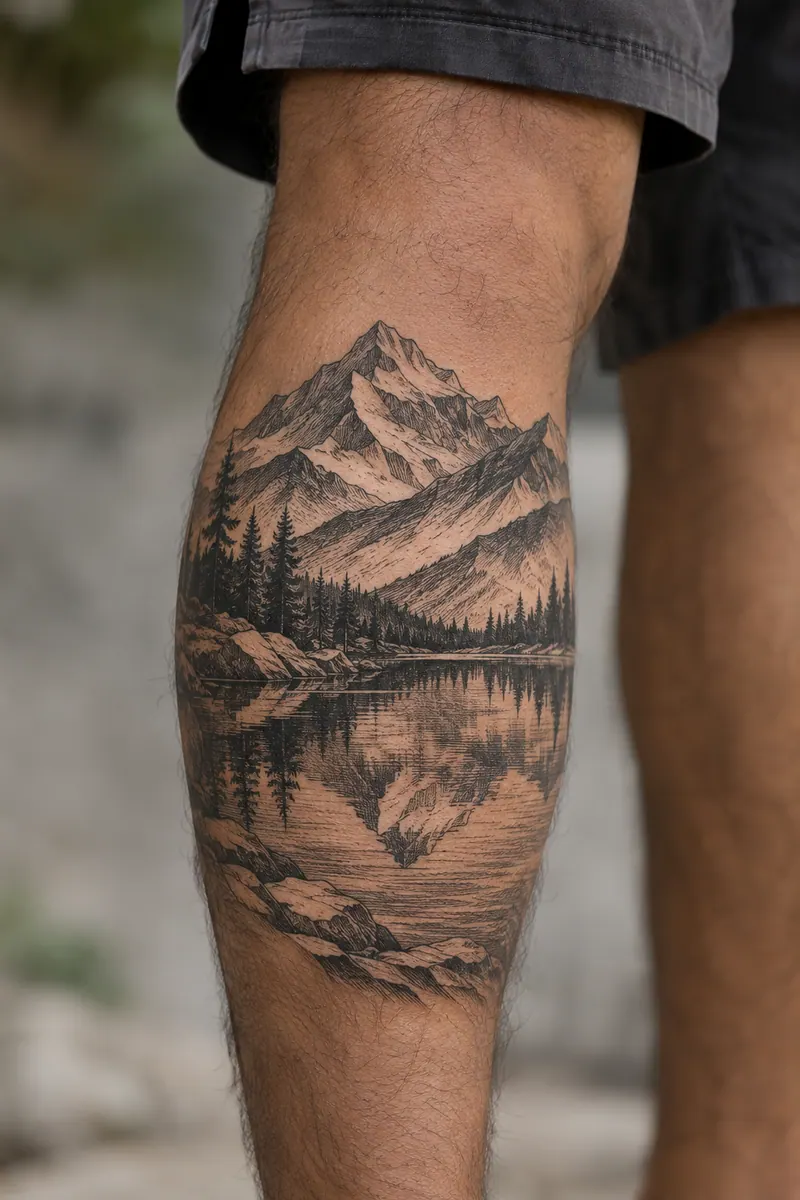
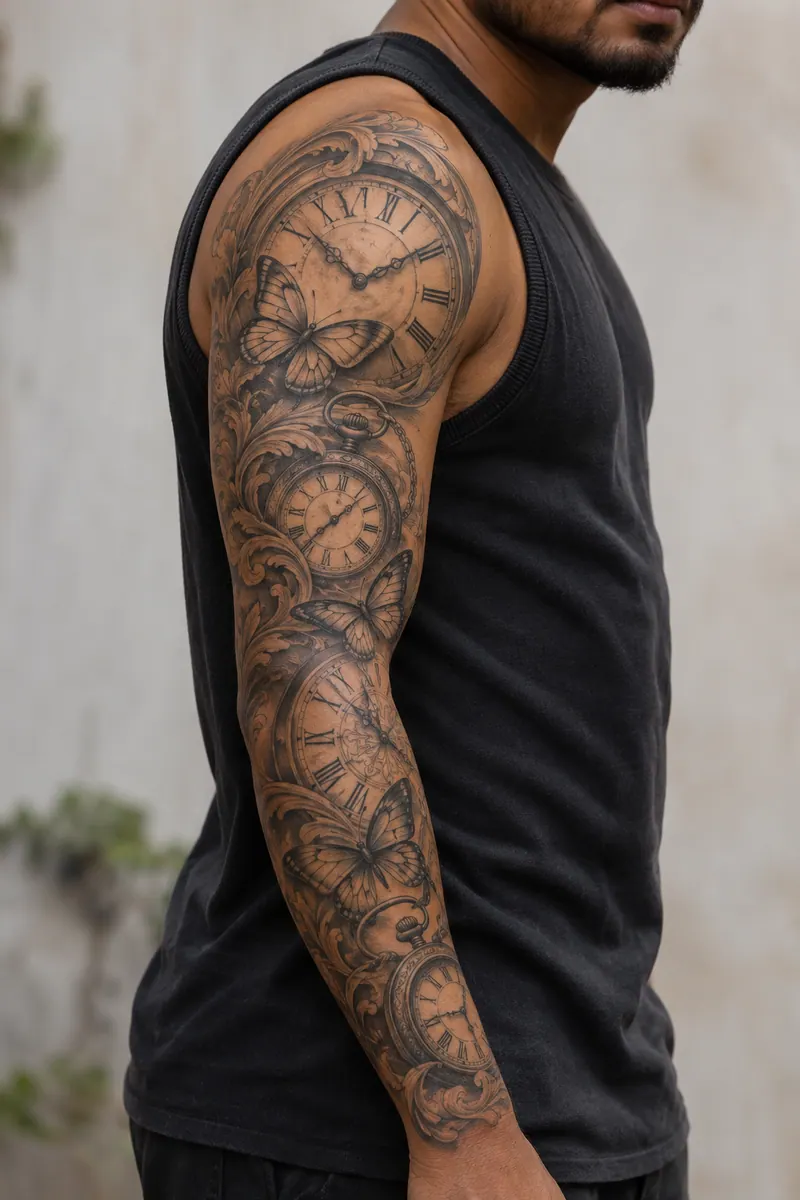
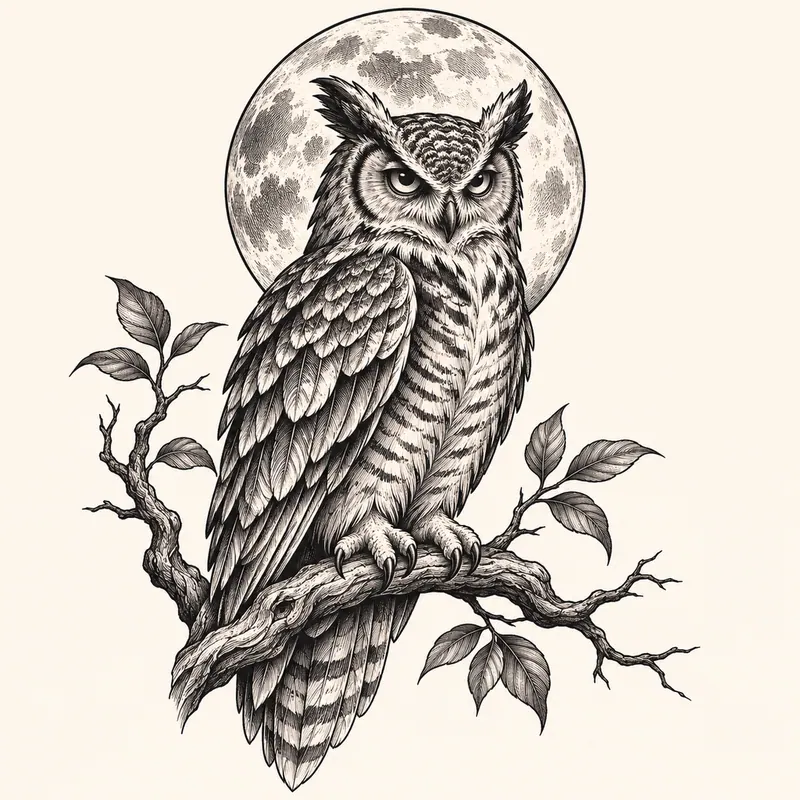
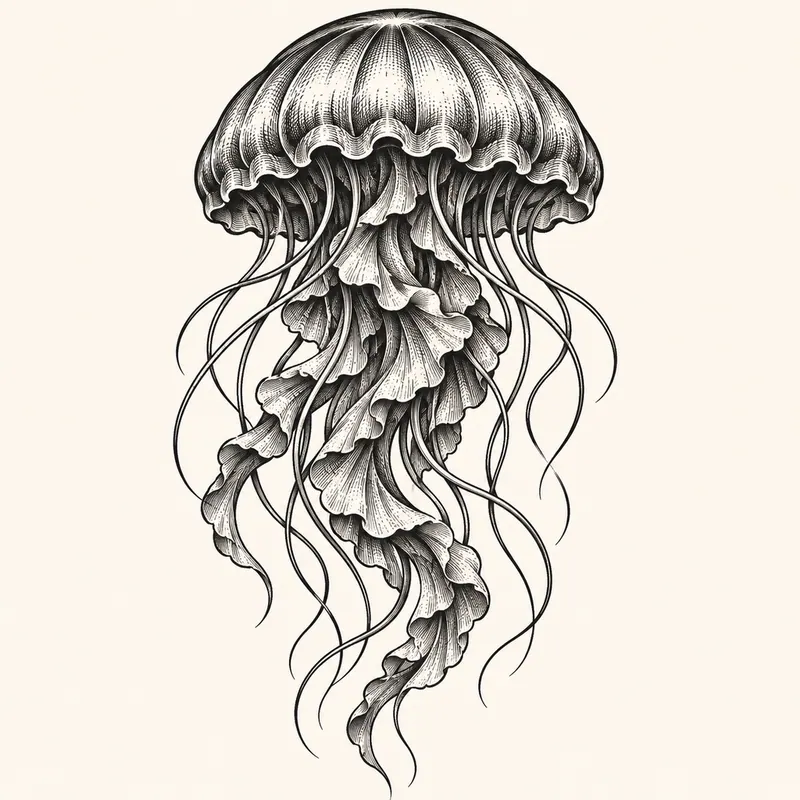
In the gallery you can see how flexible it is: a snake winding through peonies, a butterfly on wildflowers, a dragon chasing a flaming pearl, a tiger head on the calf, a koi fish with a lotus, a sunflower with a bee, an anatomical heart with flowers growing from it, wings with a halo, a mountain lake reflection, a clock with butterflies, an owl on a branch under the moon and a jellyfish.
How illustrative tattoos age
This is one of the more forgiving styles over time. Outlines act as a skeleton: even when fine shading softens, the shape still reads. The weak point is density. If hatching lines are packed too tightly in a small space, they can merge into a grey blur. A good illustrative artist scales line spacing to the size of the tattoo and leaves some skin breaks for contrast.
Best placements for illustrative tattoos
Illustrative designs adapt to almost any area, but they shine where there is room for a little scene:
- Thigh: a large, flat canvas for floral compositions and animals in their environment.
- Calf: great for vertical scenes like a mountain lake or a tiger head.
- Forearm and upper arm: single subjects with a few supporting elements.
- Sleeve: multiple illustrative pieces can be linked into a cohesive, storybook-like sleeve.
Palm size and up gives most illustrative designs enough space for their texture.
Illustrative vs. neighboring styles
- Neo traditional shares the bold outlines but typically adds saturated jewel-tone color and ornate framing.
- Engraving is a narrower, stricter cousin that imitates antique etchings with dense parallel lines.
- Sketch keeps construction lines and loose strokes on purpose; illustrative work is more finished.
- Realism hides the linework entirely and relies on smooth tonal gradients.
Choosing an illustrative artist
Because the label covers so much, look for an artist whose personal drawing style you love. Check:
- Healed work in which outlines are still crisp after a year or more.
- How they shade: hatching, dots or soft black, and whether it fits your taste.
- Whether they compose scenes well, with a clear focal point and balanced negative space.
Expect most illustrative artists to redraw your idea in their own hand, which is usually a good thing.
Bringing it to your artist
Write a short scene (“a fox sleeping under ferns, moon above”) in InkForge, choose the Illustrative style and generate a few versions in black and grey or color. Compare them with Neo Traditional and Engraving versions of the same idea, then bring your favorite to an illustrative artist as reference for their drawing.