 InkForge
Why people choose the thigh
The thigh is the placement for people who want a big tattoo that stays private. It is one of the largest, smoothest areas of skin on the body, so it can take detailed artwork that would feel cramped on an arm. And because clothing covers most of it, you decide when it’s seen.
It is also a placement you see easily yourself. Sitting down, the front of the thigh is right in view, which makes it a favorite for tattoos with personal meaning that you want to enjoy rather than display.
Outer, front, inner and hip-to-thigh
The thigh offers several distinct zones:
Front thigh. A broad, relatively flat surface, ideal for symmetrical pieces such as mandalas, compasses and animal portraits. It is the area you’ll see most often yourself.
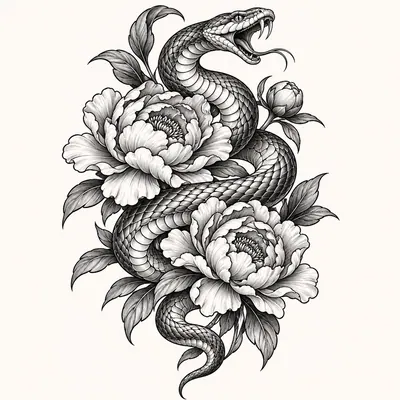
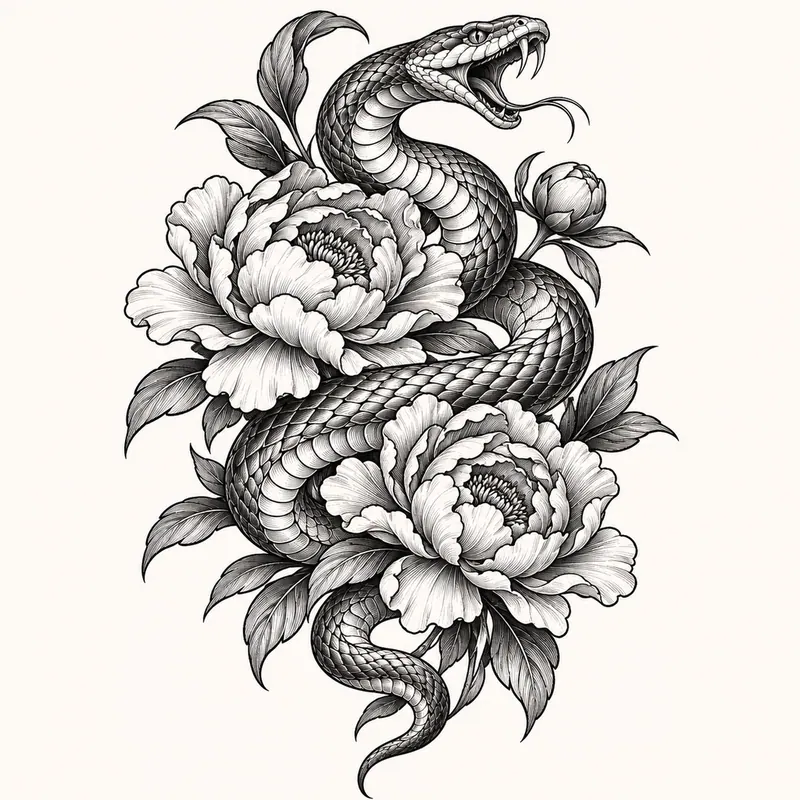
Outer thigh. Tall and gently curved, it suits designs that flow along the leg, such as a snake winding through flowers or a dragon in motion.
Inner thigh. Softer and more private, but usually more sensitive. Smaller or more personal designs often go here.
Hip to thigh. Some designs start on the hip and sweep down the outer thigh. This flowing placement suits florals, snakes and dragons and can later connect to the ribs or back.
Pain and comfort
For many people the outer and front thigh are among the easier places to sit for a long session, which is part of why large pieces end up here. Expect more intensity in these areas:
- The inner thigh, where skin is thinner and more sensitive.
- Near the knee, especially the back of the knee.
- The upper thigh near the hip and groin.
Large thigh pieces often take several sessions. Spacing them out gives your skin time to heal and keeps each session manageable.
Going big on the thigh
How much space to use
The thigh rewards ambition:
- Large single pieces — an animal portrait, a mandala or a full scene — can fill the front or outer thigh without feeling crowded.
- Tall, flowing designs follow the length of the leg on the outer thigh.
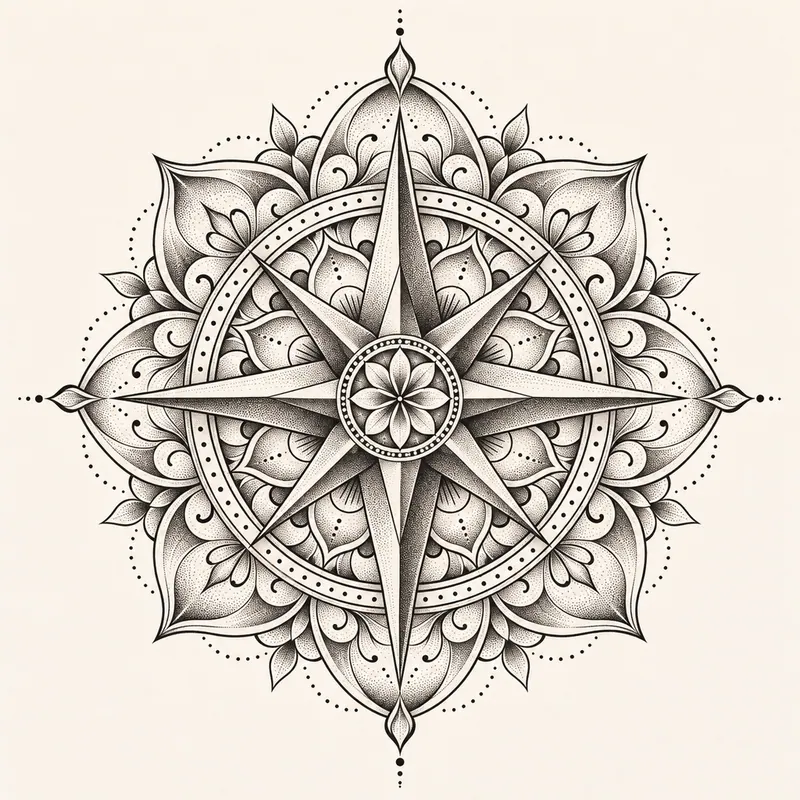
- Round compositions such as a compass rose shaped like a mandala sit centered on the front of the thigh.
- Small tattoos can look lost in the middle of such a large area. If you want something small, place it near the hip or just above the knee, or plan it as the first element of a bigger piece.
Remember that the thigh changes shape when you sit, stand and move. Check your design in a few positions, both standing and seated, before the stencil goes on.
Design ideas for the thigh
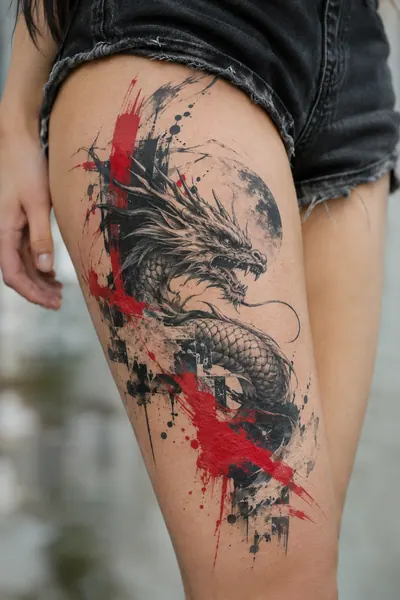
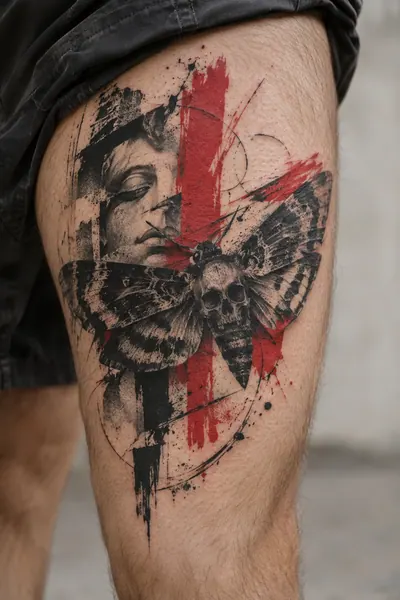
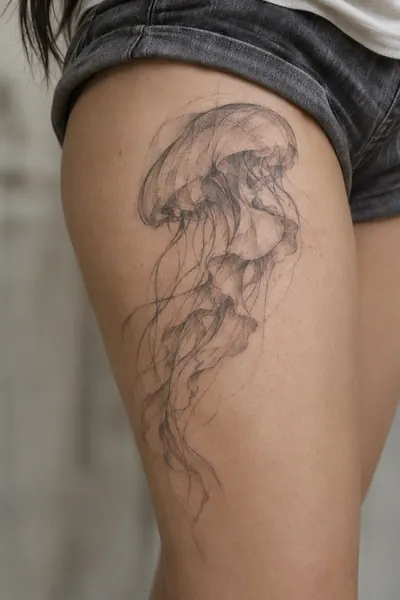
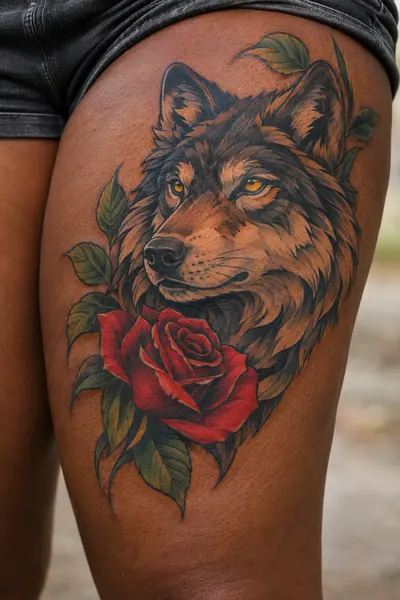
The gallery above shows the thigh’s range:
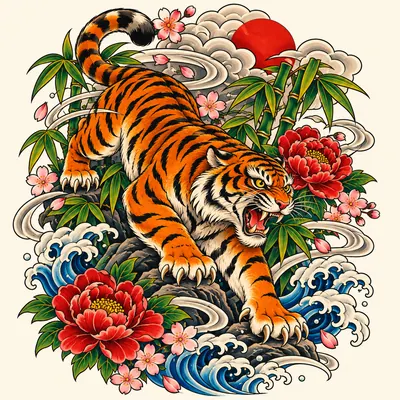
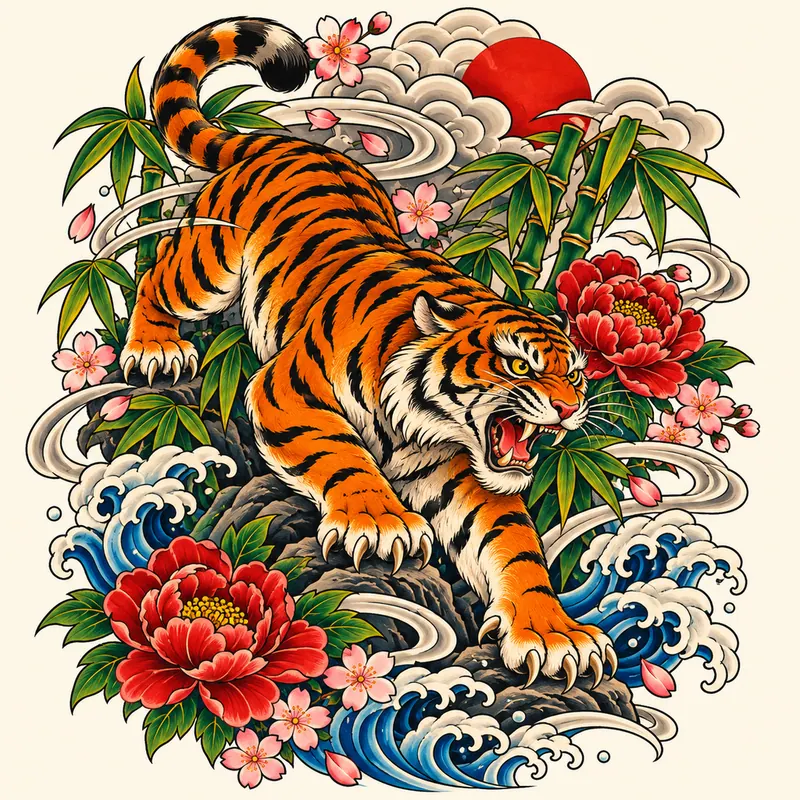
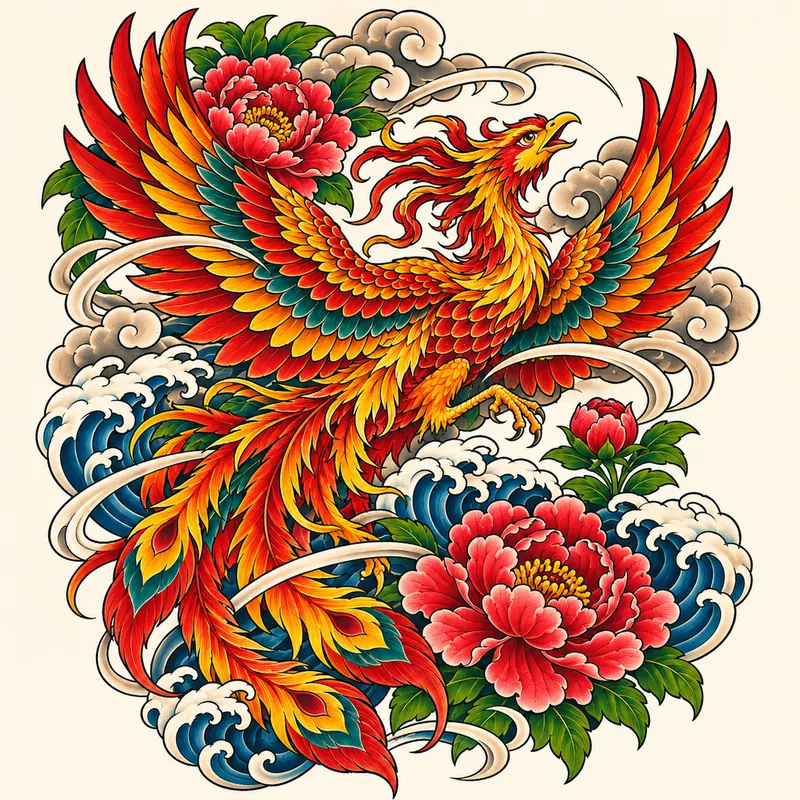
- Japanese. Japanese designs love the thigh: a tiger among bamboo leaves or a phoenix with peonies flows naturally along the leg.
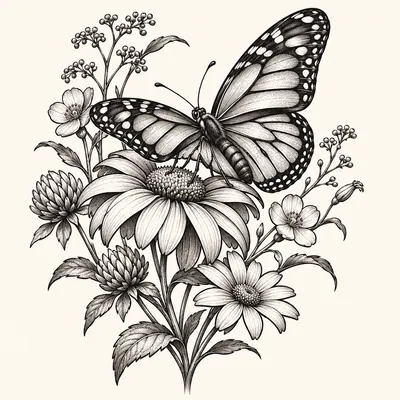
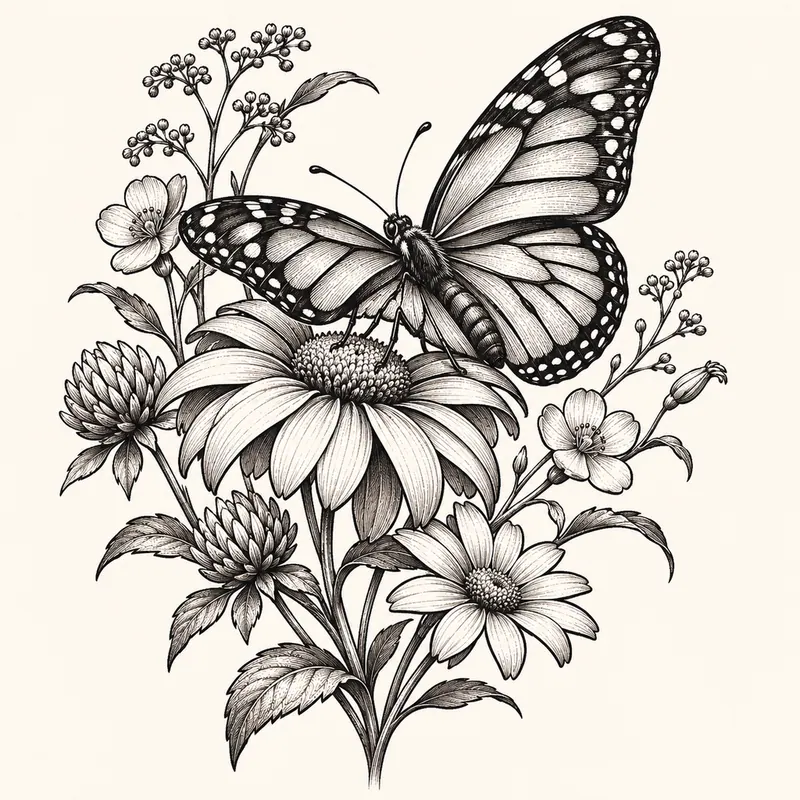
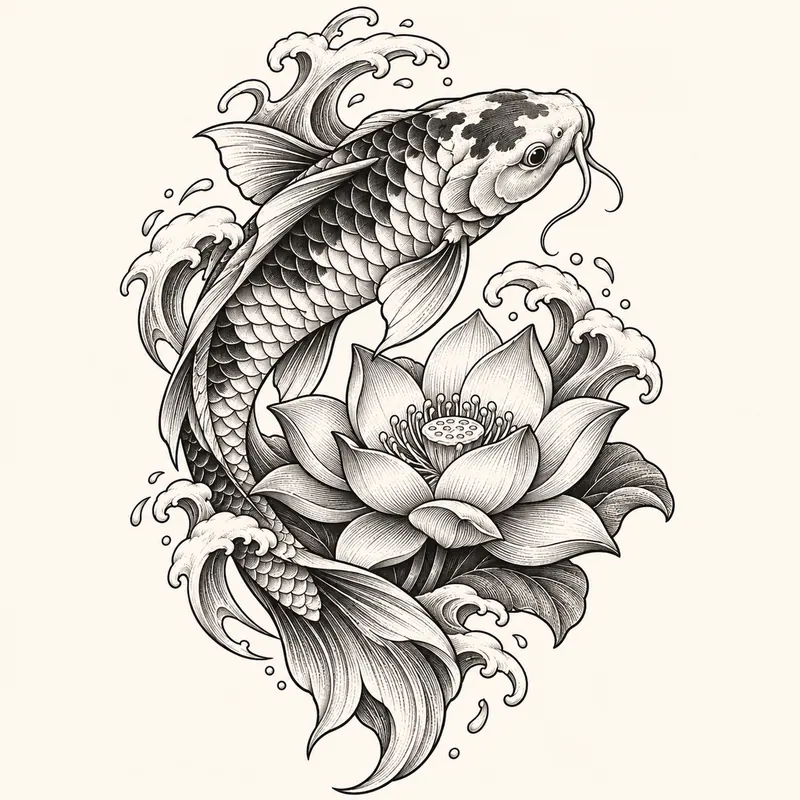
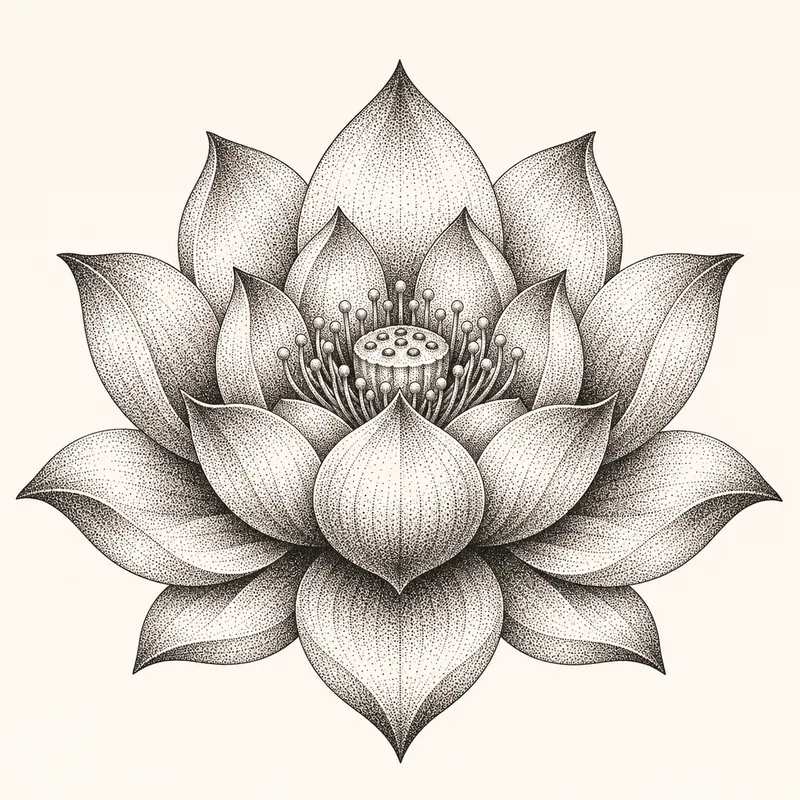
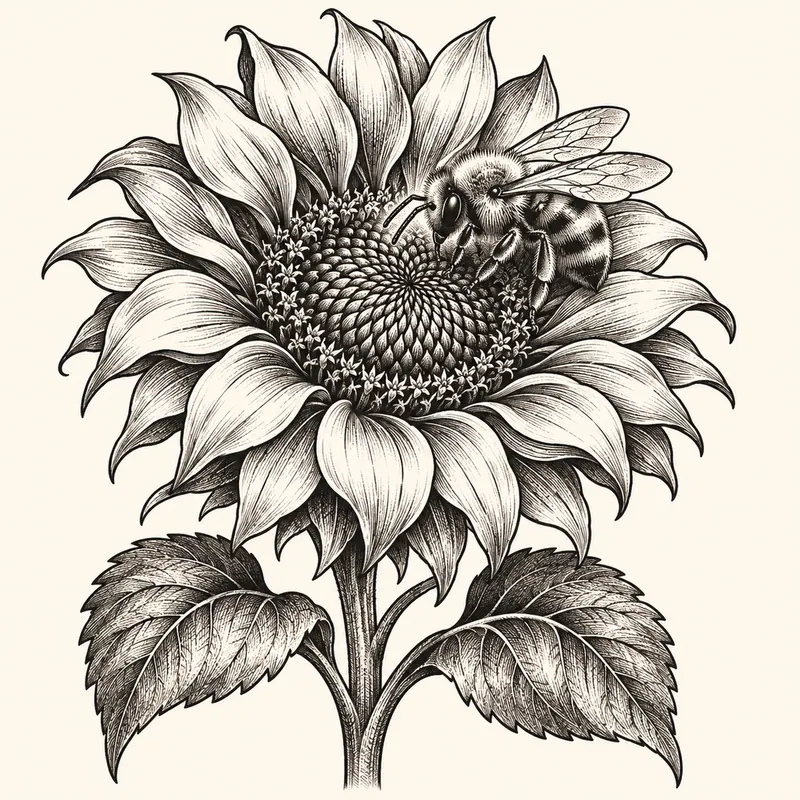
- Illustrative scenes. A snake winding through peonies, a butterfly on wildflowers, a sunflower with a bee and a koi fish with a lotus use the space for rich, detailed compositions.
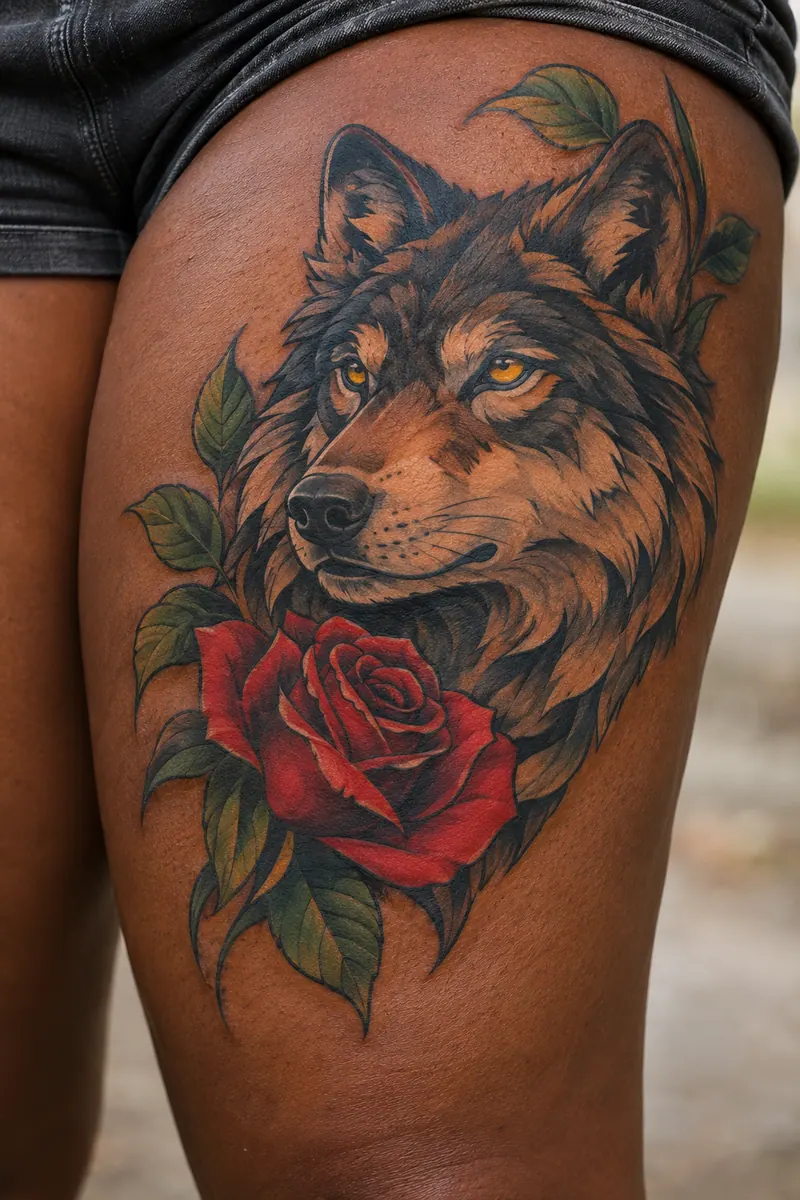
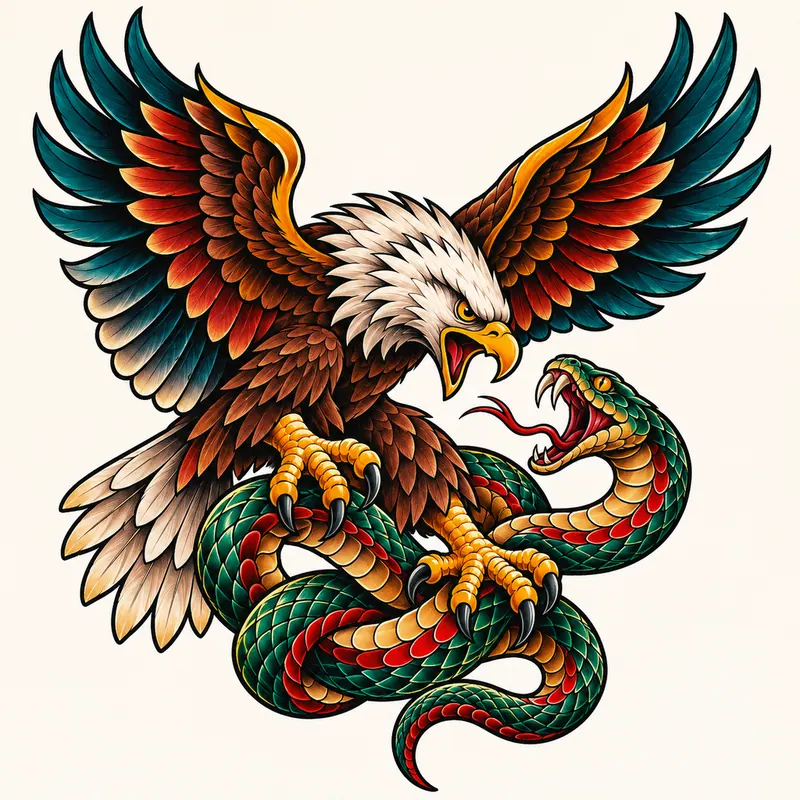
- Neo traditional. A wolf head with a red rose or an eagle fighting a snake brings bold outlines and saturated color.
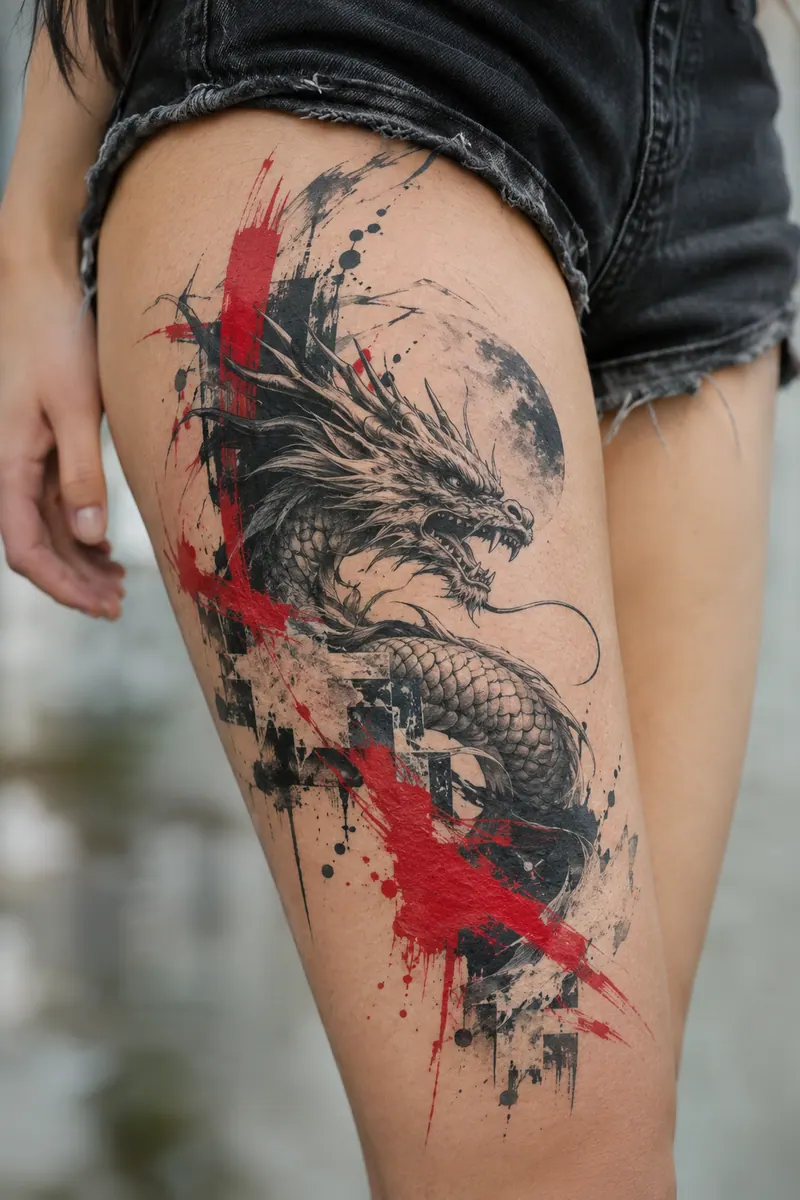
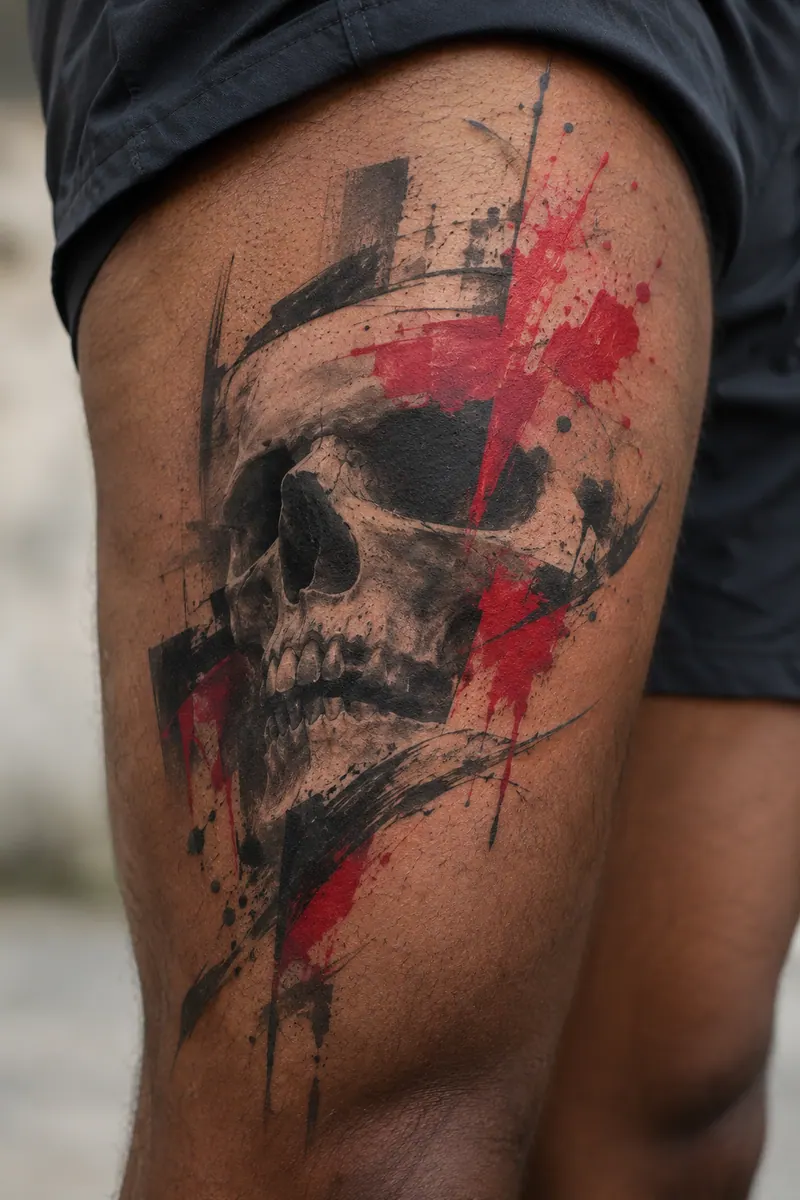
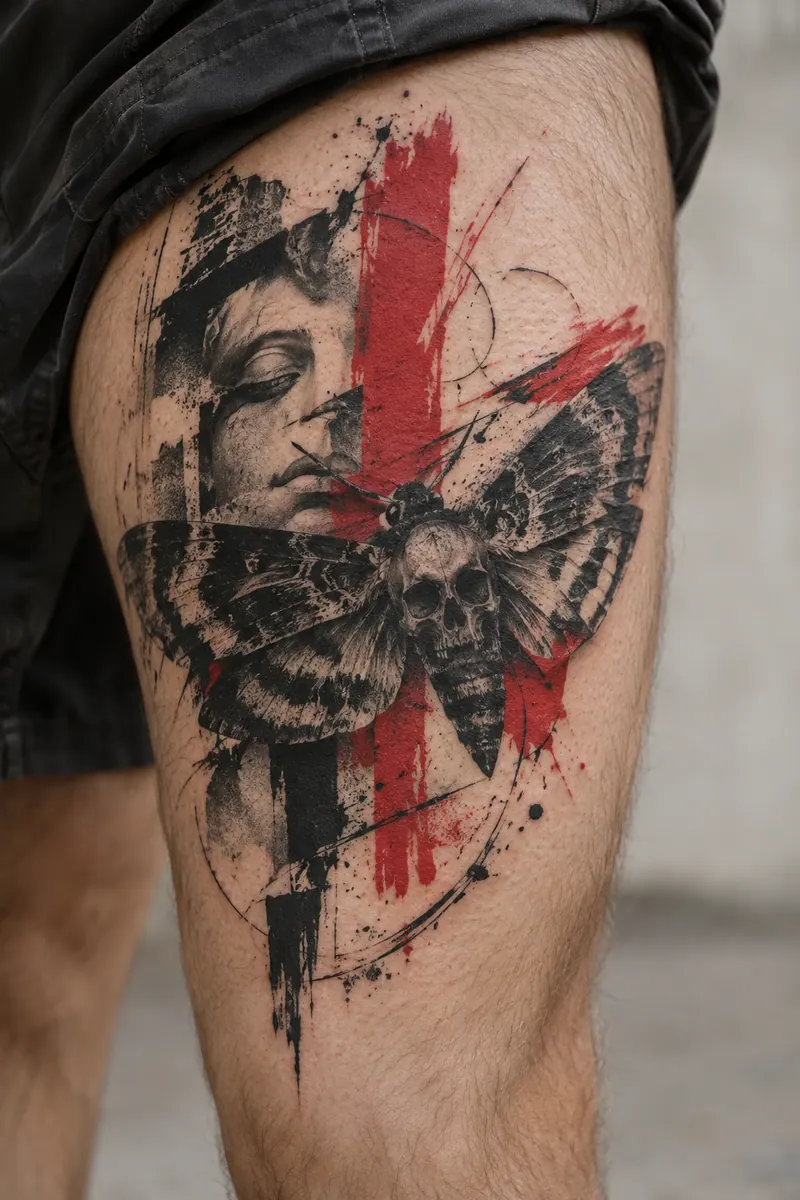
- Trash polka. A fierce dragon, a skull with paint splashes or a moth with a skull use the style’s black-and-red collage look on a large surface.
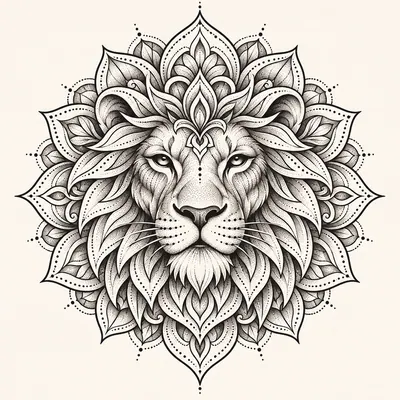
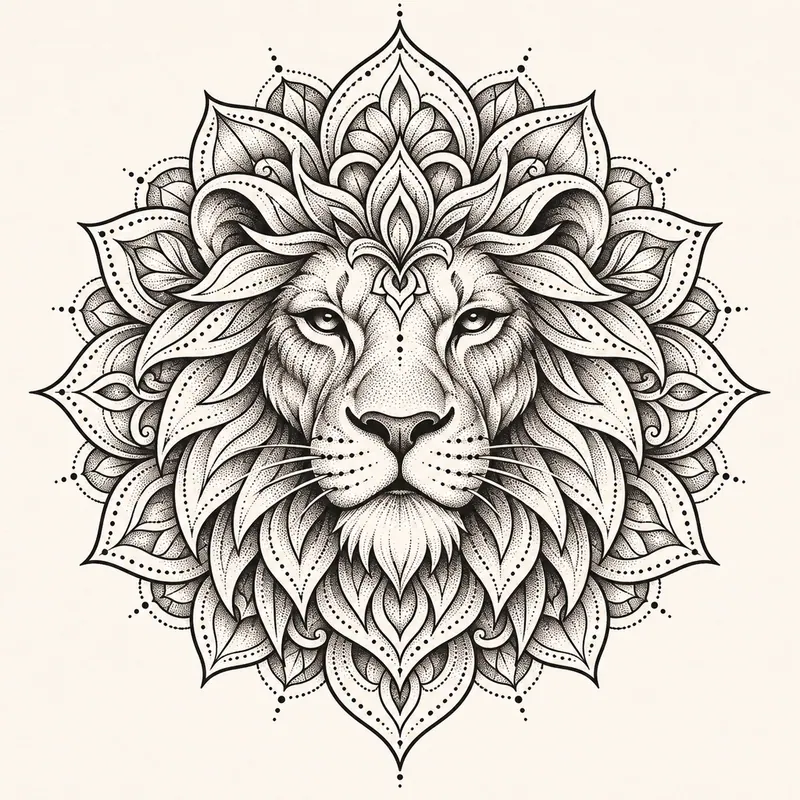
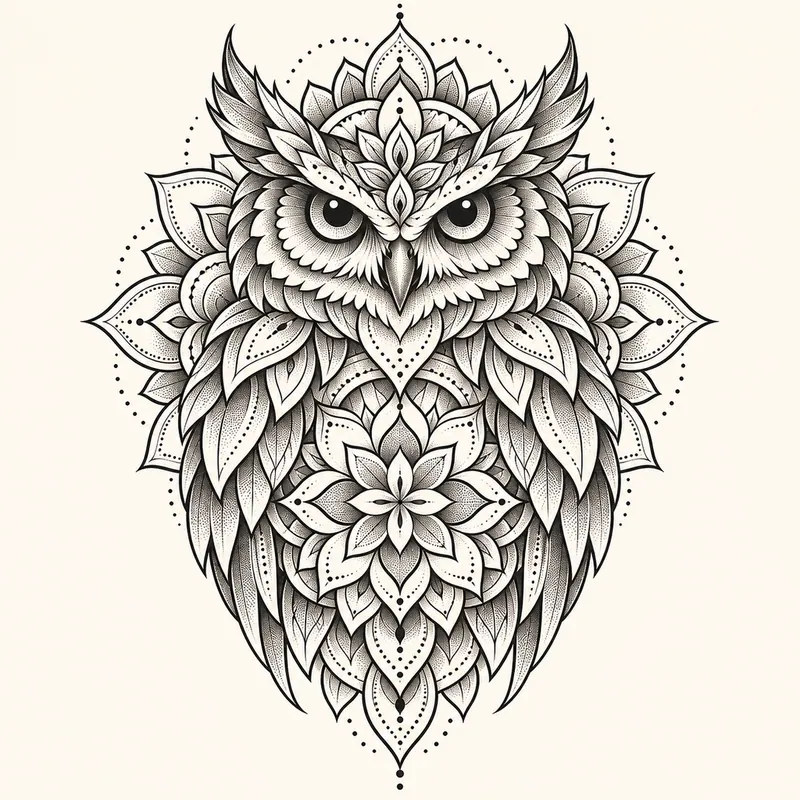
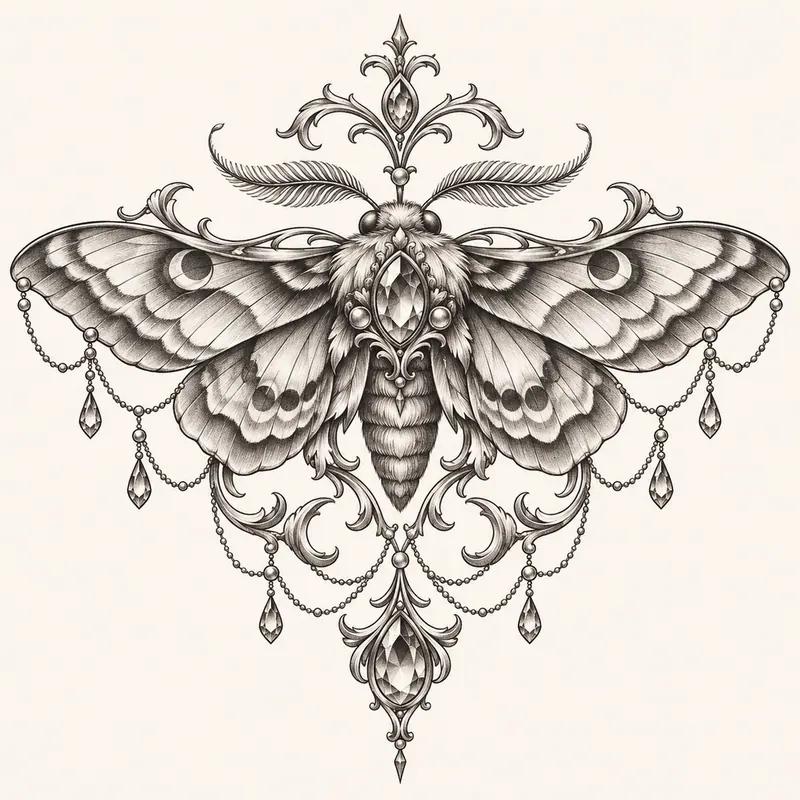
- Mandala and ornamental. A lion with a mandala mane, an owl with mandala feathers or a moth with jewel ornaments suit the front thigh’s symmetry.
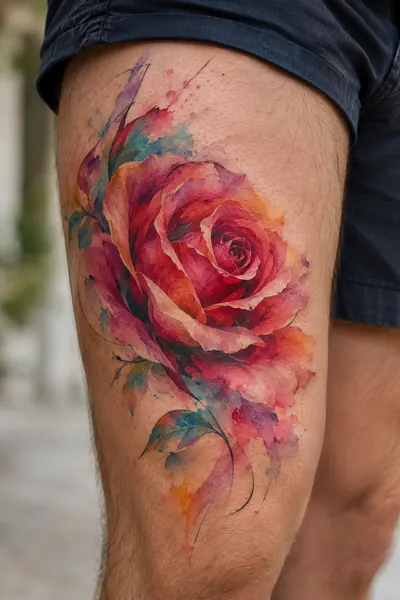
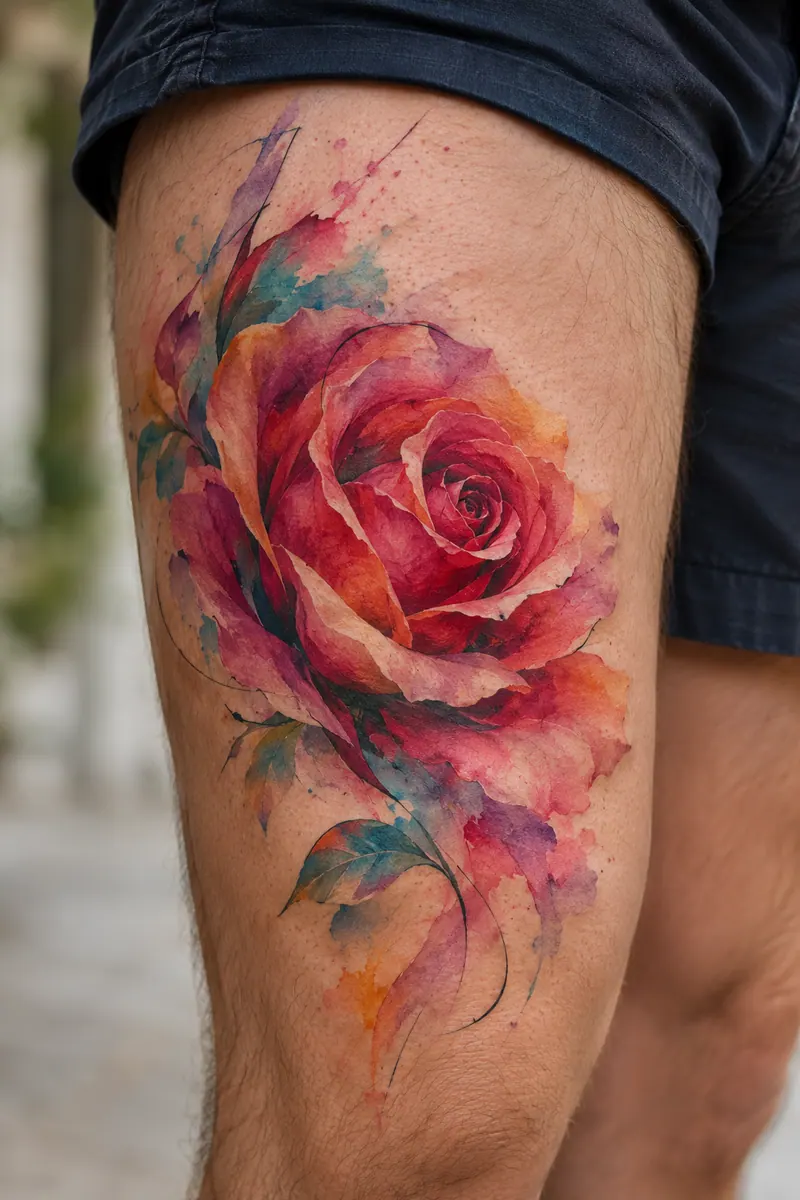
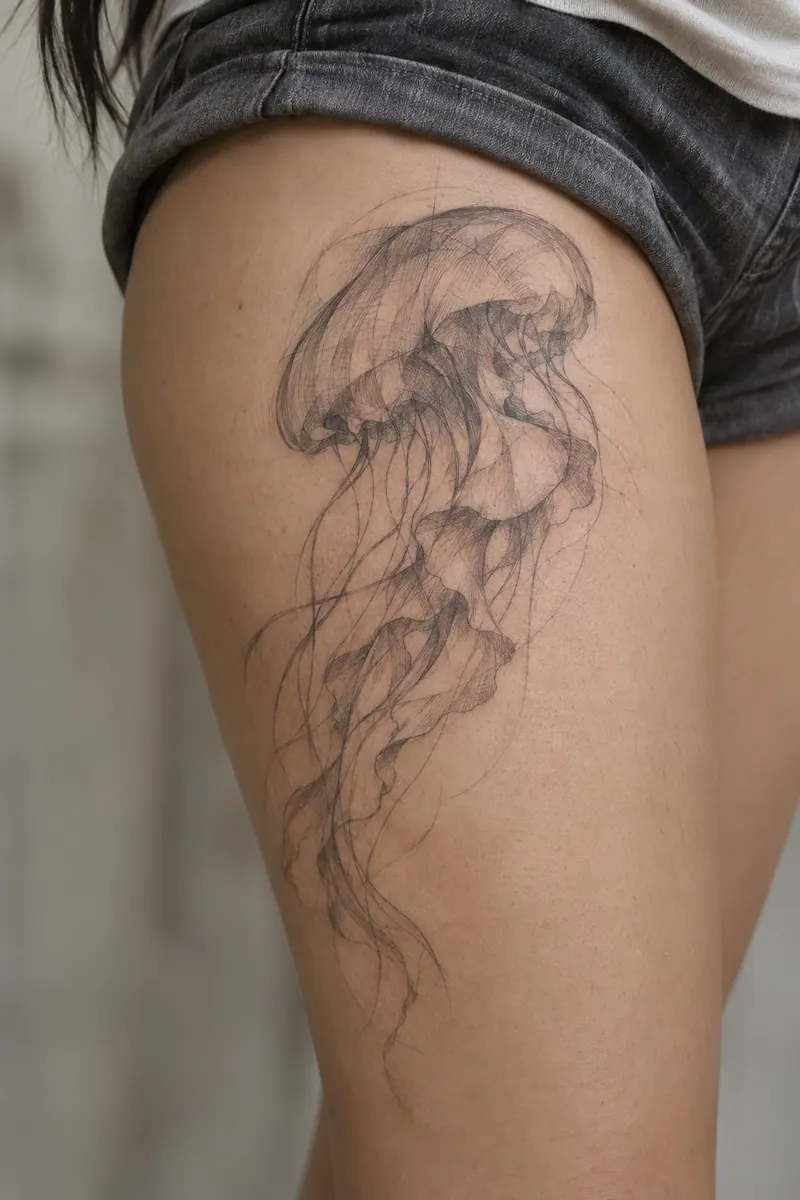
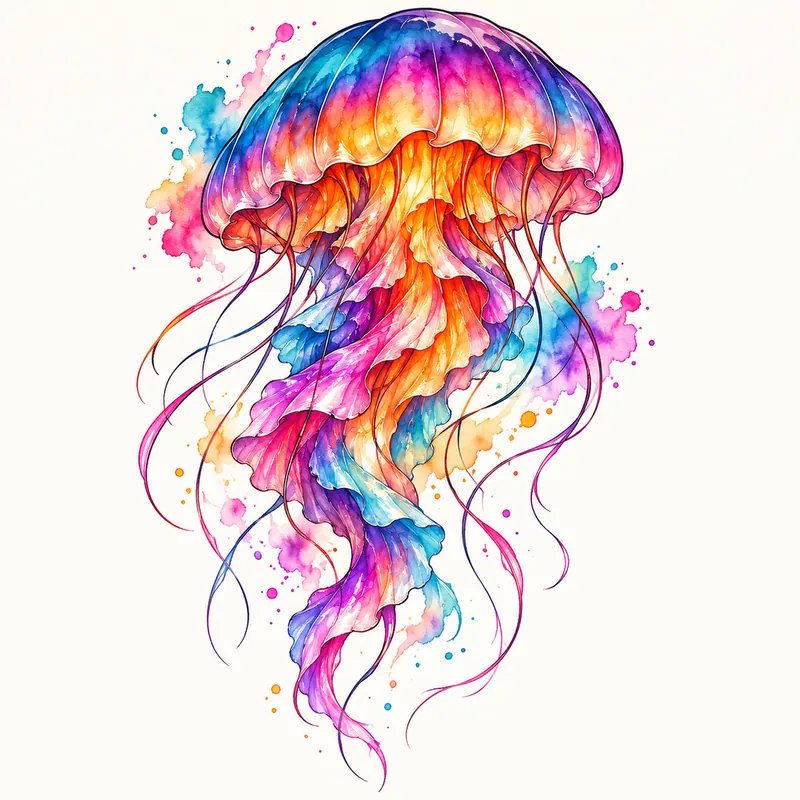
- Soft color. Watercolor roses with flowing petals and a glowing jellyfish show the thigh’s softer side.
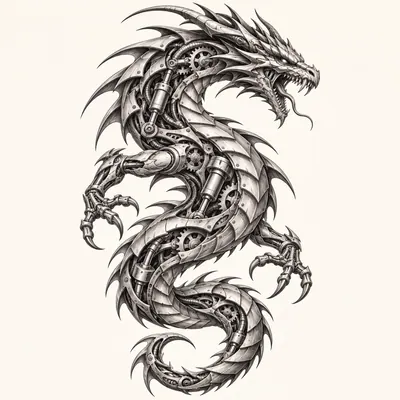
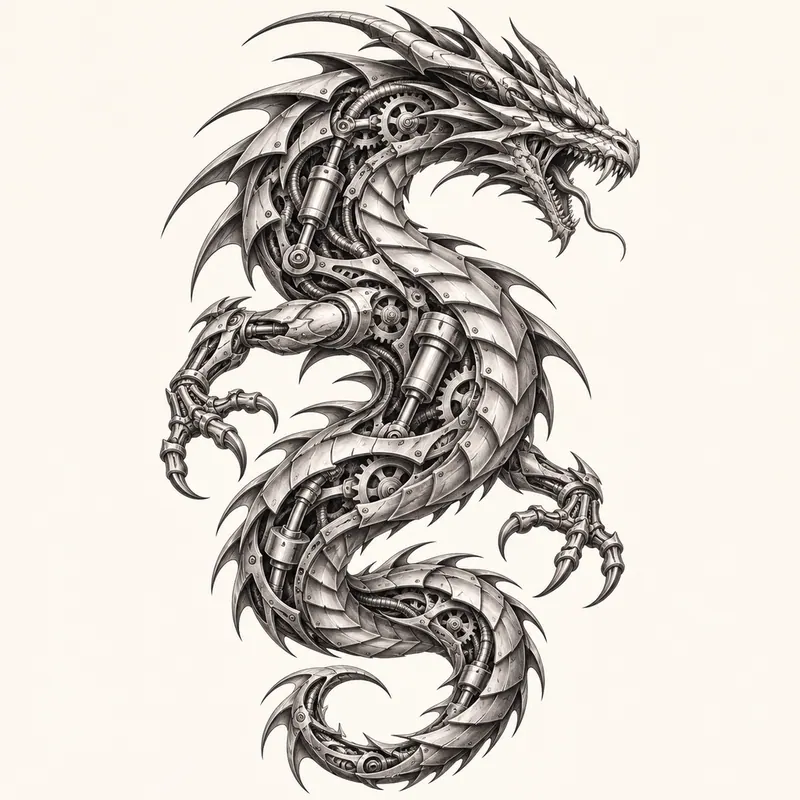
- Biomechanical. A dragon with mechanical armored scales uses the depth of the muscle for a three-dimensional effect.
Healing and aftercare on the thigh
Most thighs heal well; the main challenge is friction from clothing and movement. Your artist’s aftercare comes first, and these thigh-specific habits help:
- Clothing. Tight jeans, leggings and seams rub directly on the area. Loose shorts, skirts or wide pants are easier during healing.
- Sitting. Long periods of sitting press on the back of the thigh and can trap heat. Take breaks and let the skin breathe.
- Inner thigh friction. If the tattoo is on the inner thigh, walking can cause rubbing. Ask your artist how best to protect it.
- Exercise. Leg workouts, cycling and running stretch and rub the skin. Many artists suggest easing off for a while — ask yours how long.
- Sun. Thighs are often covered, which helps the tattoo stay vivid. When they’re exposed, use sunscreen once the tattoo is healed.
On a canvas this large, scale is the decision that matters most, and the thigh looks different standing and sitting. Take two photos of your leg, one standing and one seated, and use InkForge Try-On to place your generated design on both, positioning, resizing and rotating it by hand until it feels right in each. If a piece only works in one pose, consider a slightly different position or size. Bring both previews to your artist; they’ll fit the final stencil to your leg.