InkForge





Why people choose the shoulder
The shoulder sits in a sweet spot between private and on show. A regular T-shirt hides it, while a tank top or an off-the-shoulder top puts it front and center. That makes it a favorite for people who want a tattoo they can share on their own terms.
It is also one of the most flexible placements to build on. A piece on the shoulder cap can later flow down into the upper arm, across the collarbone toward the chest, or back over the shoulder blade toward the back. If you think you might want a larger project one day, the shoulder is a good anchor point.
Cap, front and shoulder blade
“Shoulder tattoo” covers three quite different areas, and each one suits different designs.
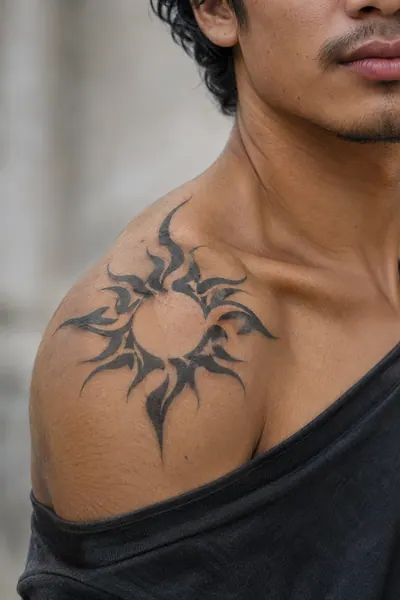
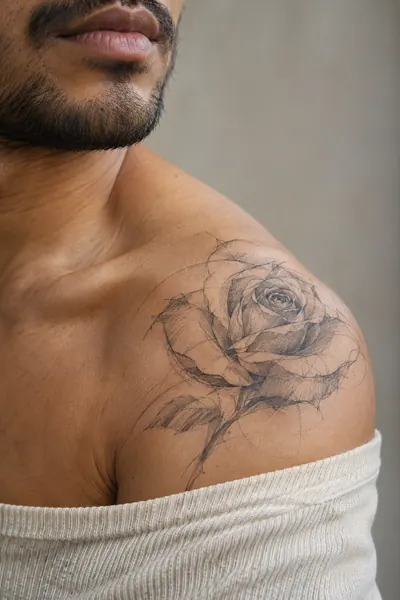
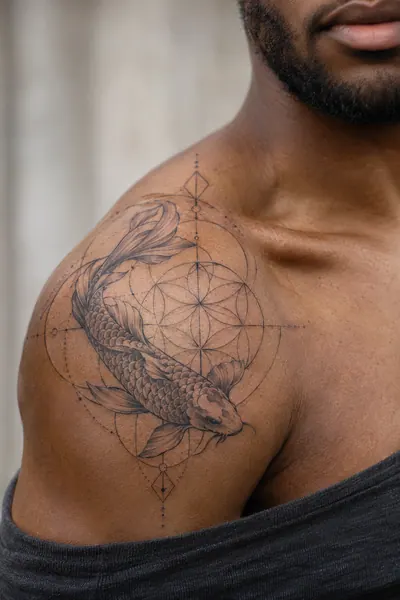
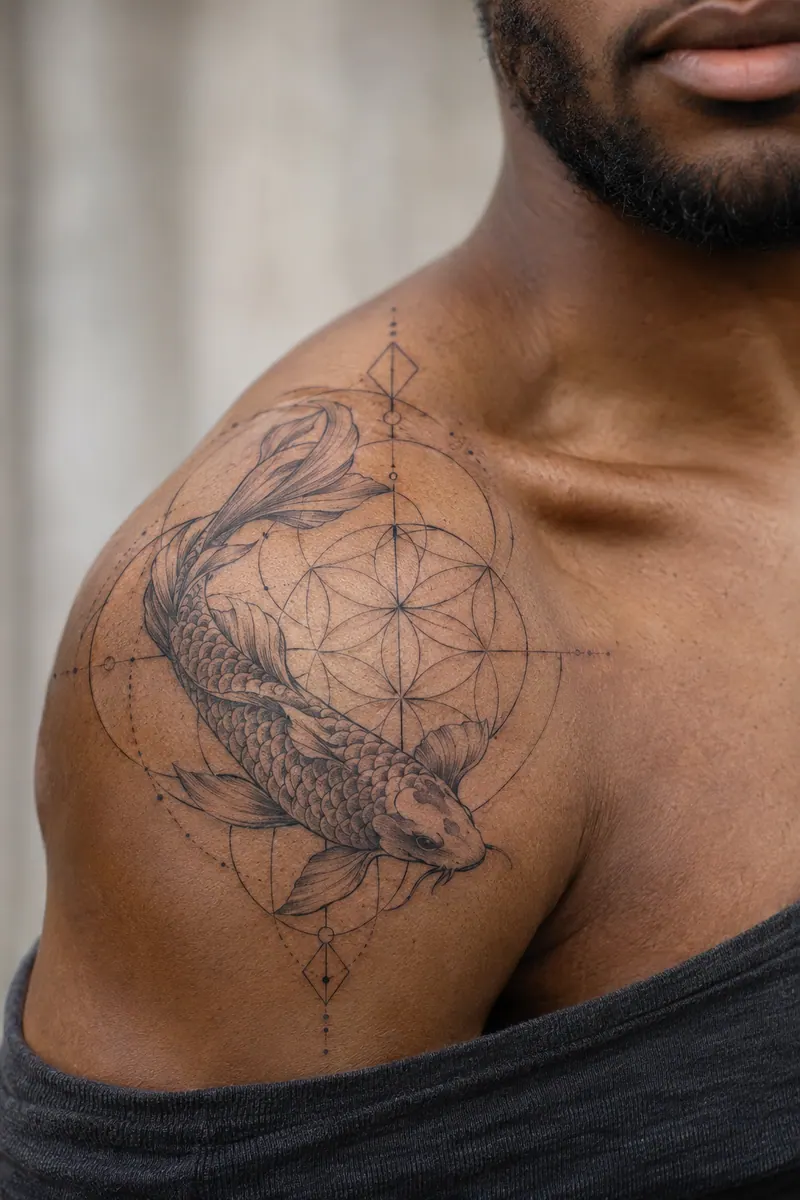
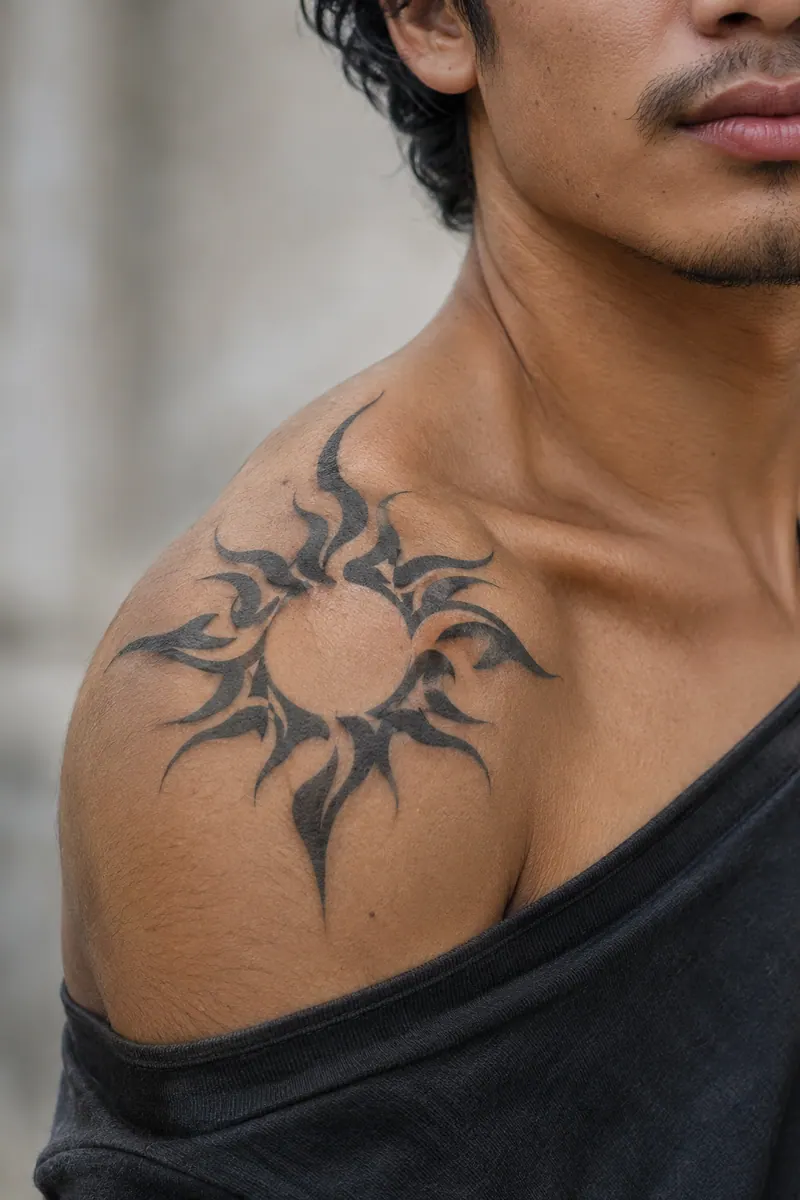
The shoulder cap (deltoid). The rounded top of the arm. Curved and circular compositions look natural here, as if they were made for the body. This is the classic spot for roses, suns, mandalas and medallion-like pieces.
The front of the shoulder and collarbone. A more delicate, visible area that pairs well with open necklines. Horizontal designs such as wings, branches, swallows or script follow the line of the collarbone. Skin over the bone is thinner, so it often feels sharper during the session.
The shoulder blade. Flatter and larger than it looks, with room for taller designs. It is easy to hide and good for pieces that are mostly for you. Because you can’t see it without a mirror, it suits tattoos with a quiet, personal meaning.
Do shoulder tattoos hurt?
Pain is personal, but most people find the outer shoulder manageable. The muscle and padding over the deltoid soften the sensation. Expect more intensity in these spots:
- The collarbone, where skin sits directly on bone.
- The top of the shoulder blade and anywhere close to the spine.
- The front of the shoulder near the armpit, which tends to be tender.
Longer sessions for detailed pieces add up, so ask your artist about splitting a large shoulder design into two appointments.
Designs that follow the curve
Shapes and sizes
The shoulder rewards designs that work with its curve rather than against it:
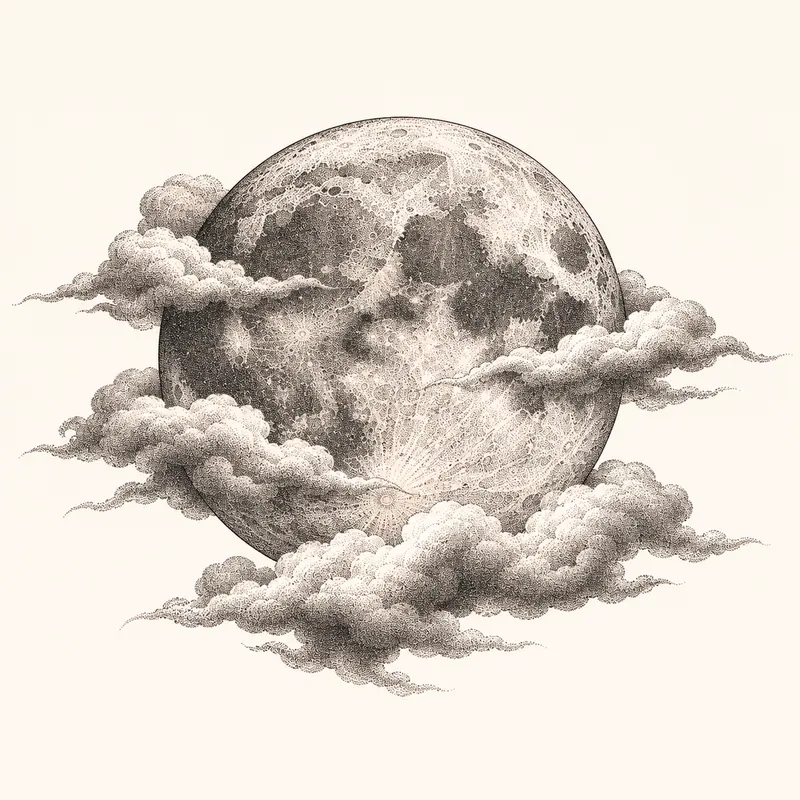
- Round or radiating designs — a mandala, a sun, an open rose or a stippled full moon — sit centered on the cap and look balanced from the front and the side.
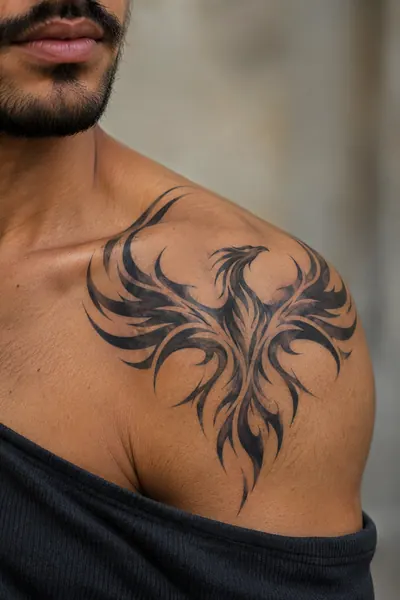
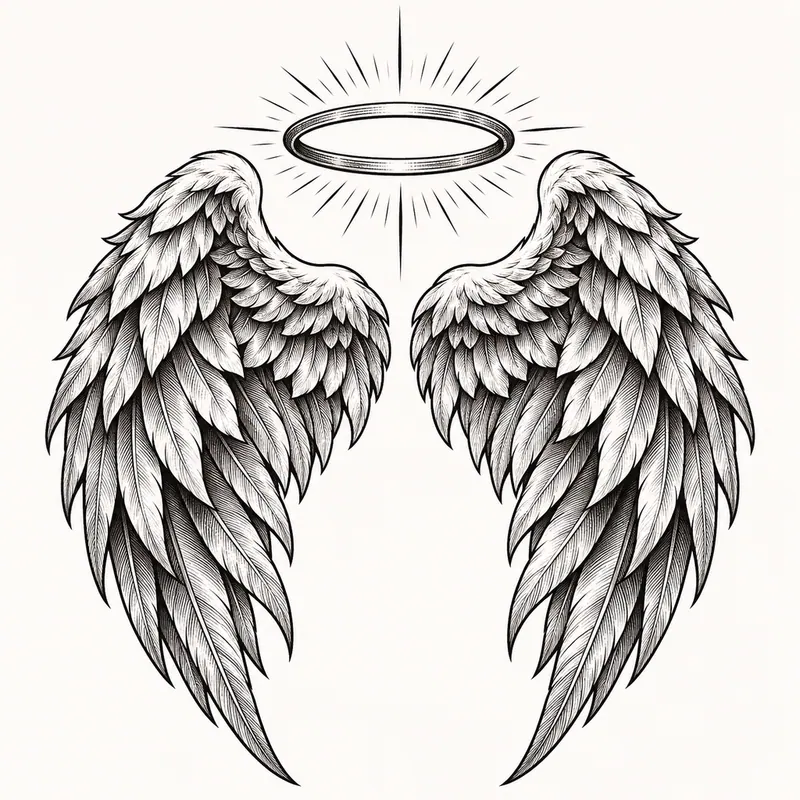
- Fanning designs like spread wings or flames can wrap from the cap toward the collarbone or the blade.
- Medium pieces, roughly palm-sized, are the most common. They read clearly from a distance without dominating the arm.
- Very small tattoos can get lost on the broad curve of the cap. If you want something tiny, the collarbone or the top of the blade frames it better.
Remember that the shoulder moves a lot. A design that looks perfect with your arm relaxed may stretch slightly when you raise it, so check placement in a few positions before the stencil goes on.
Design ideas for the shoulder
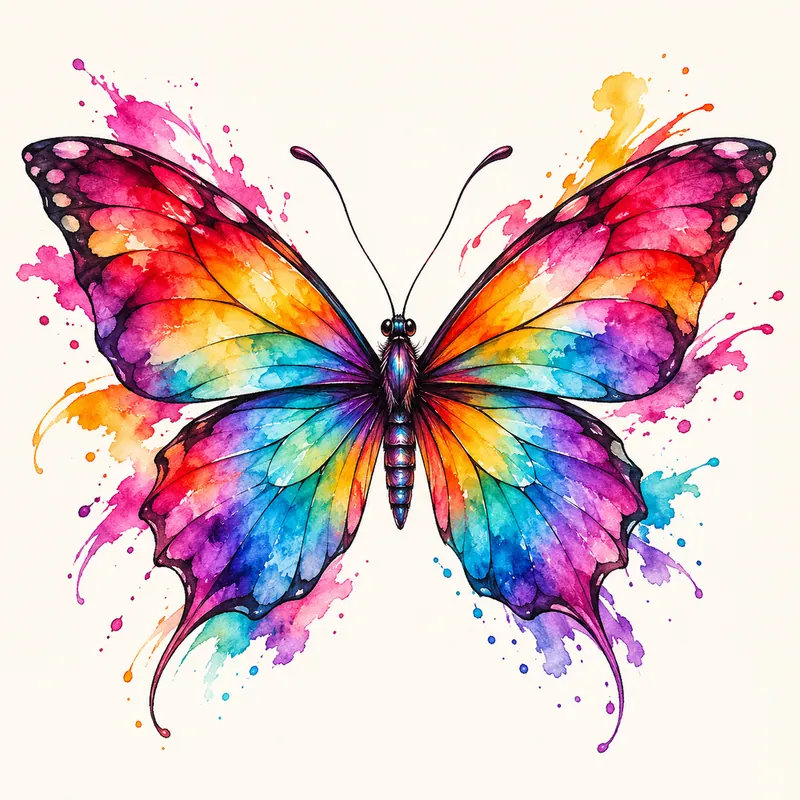
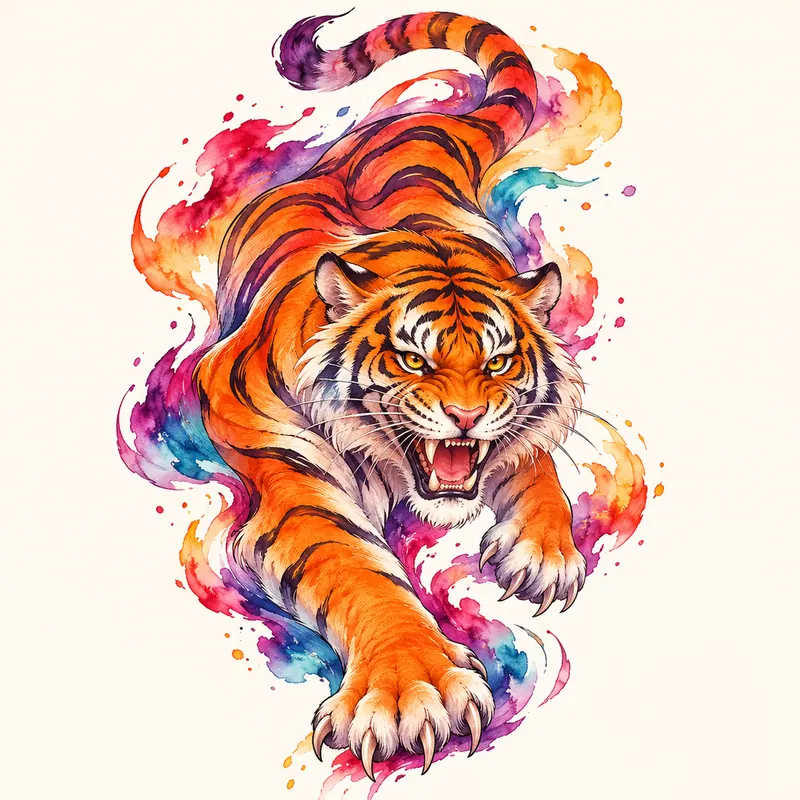
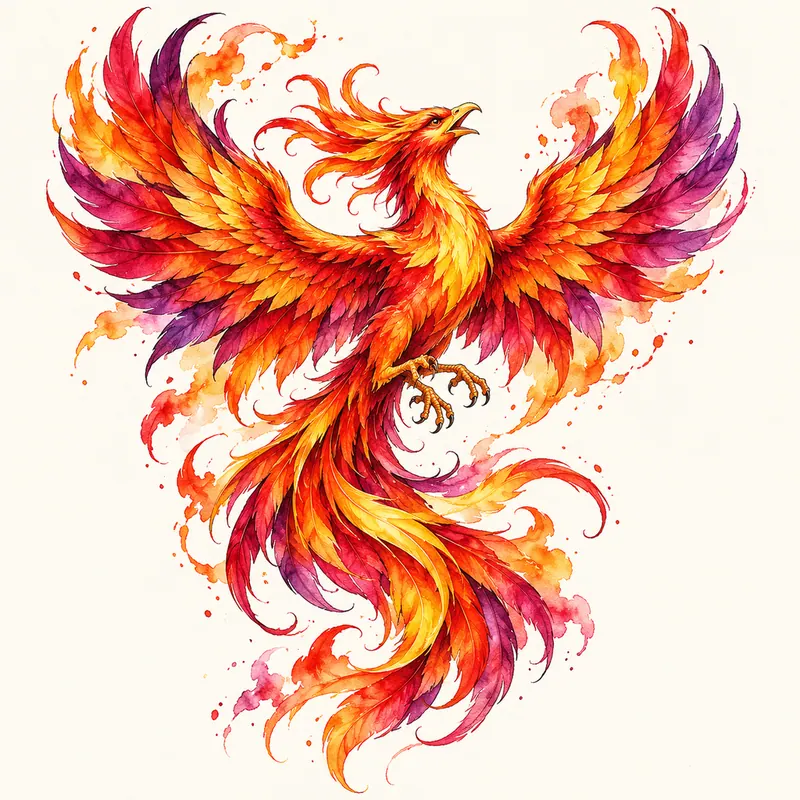
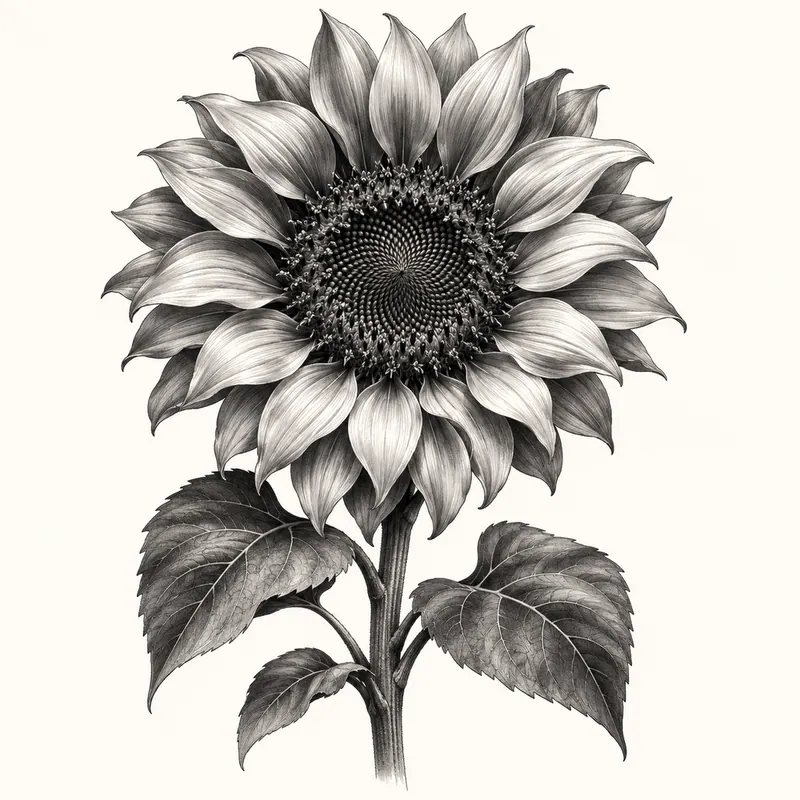
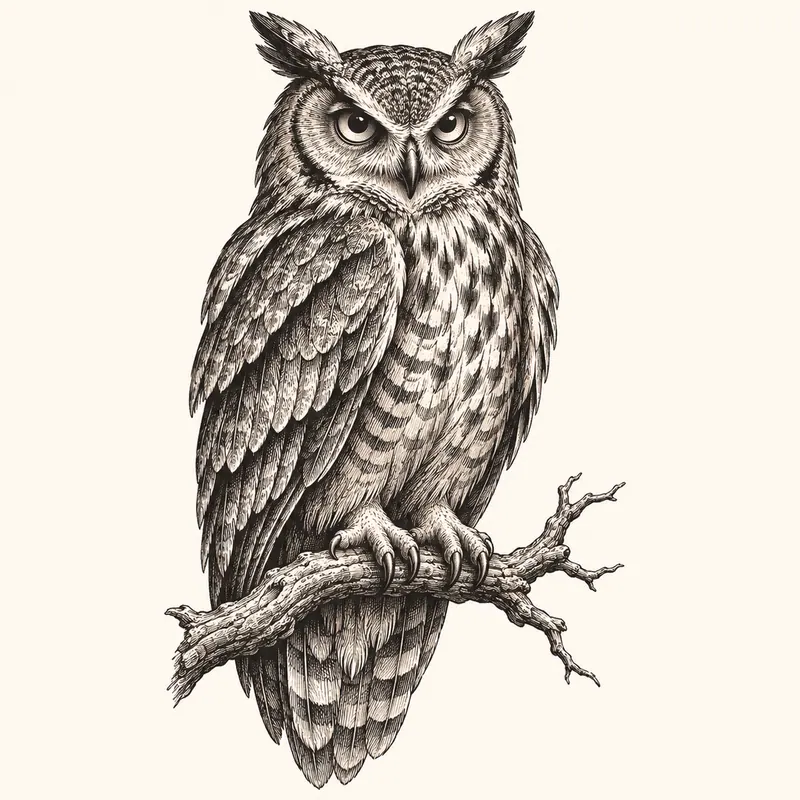
The gallery above shows how many directions the shoulder can take. A few that work especially well:
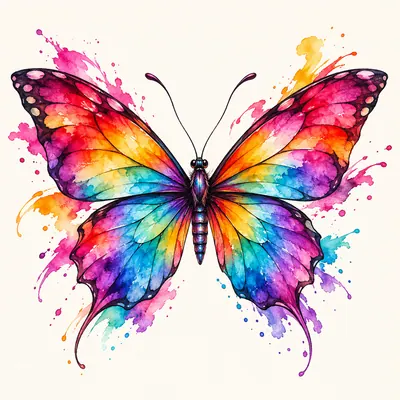
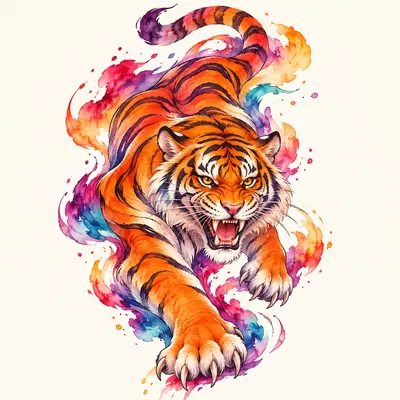
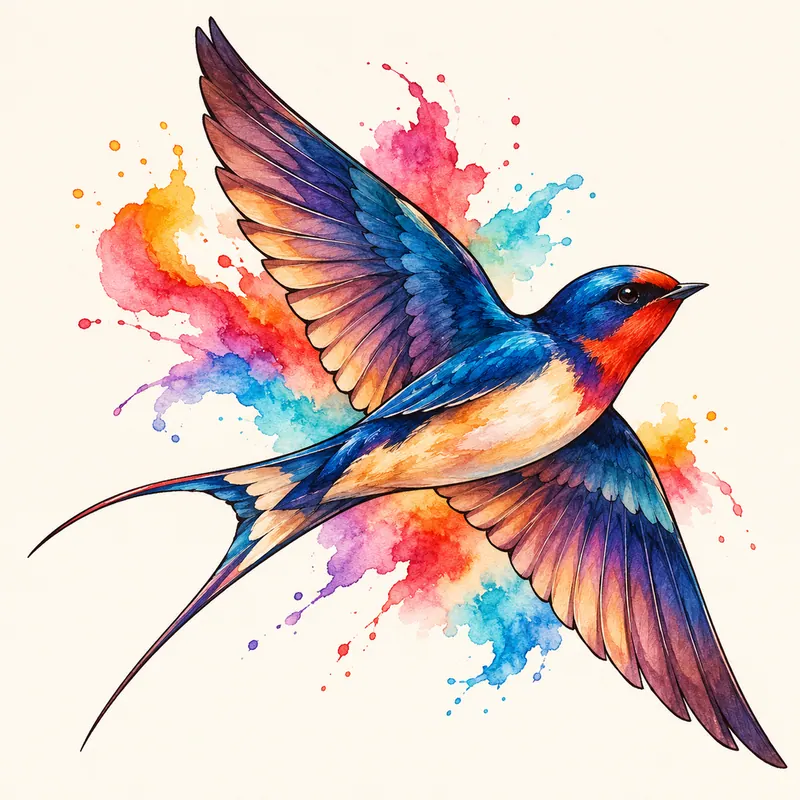
- Soft color. Watercolor butterflies, swallows, ocean waves and a phoenix made of fire all use the rounded cap like a canvas for loose splashes of color.
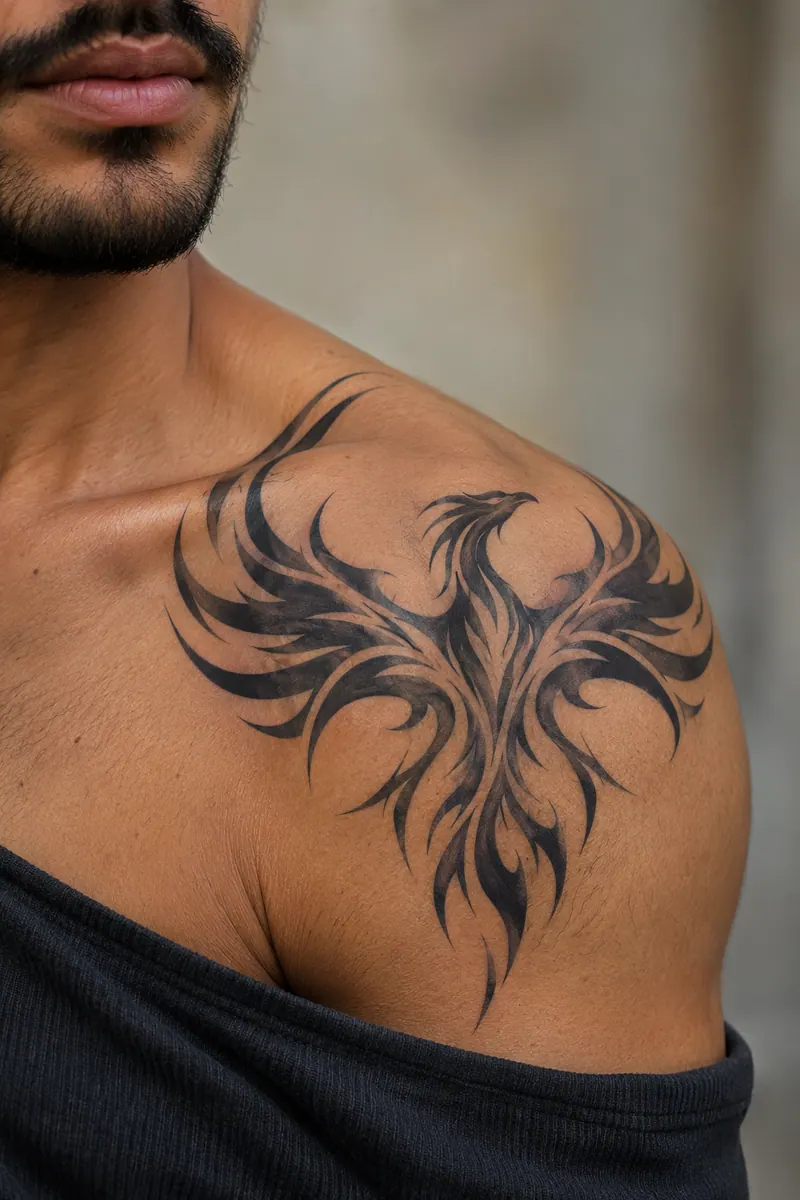
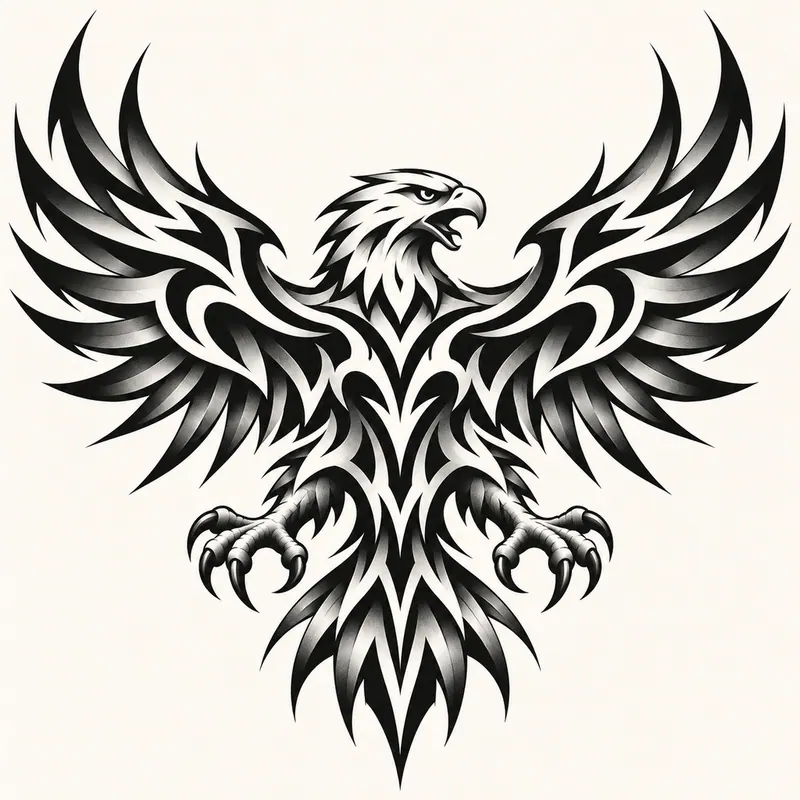
- Bold black. Sharp tribal suns, eagles and a phoenix built from flowing black shapes follow the curve of the muscle with strong, readable silhouettes.
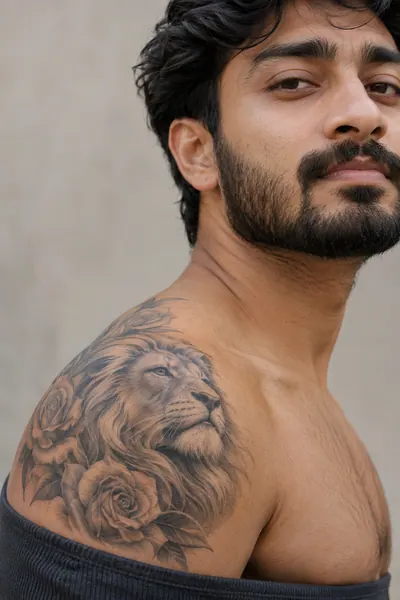
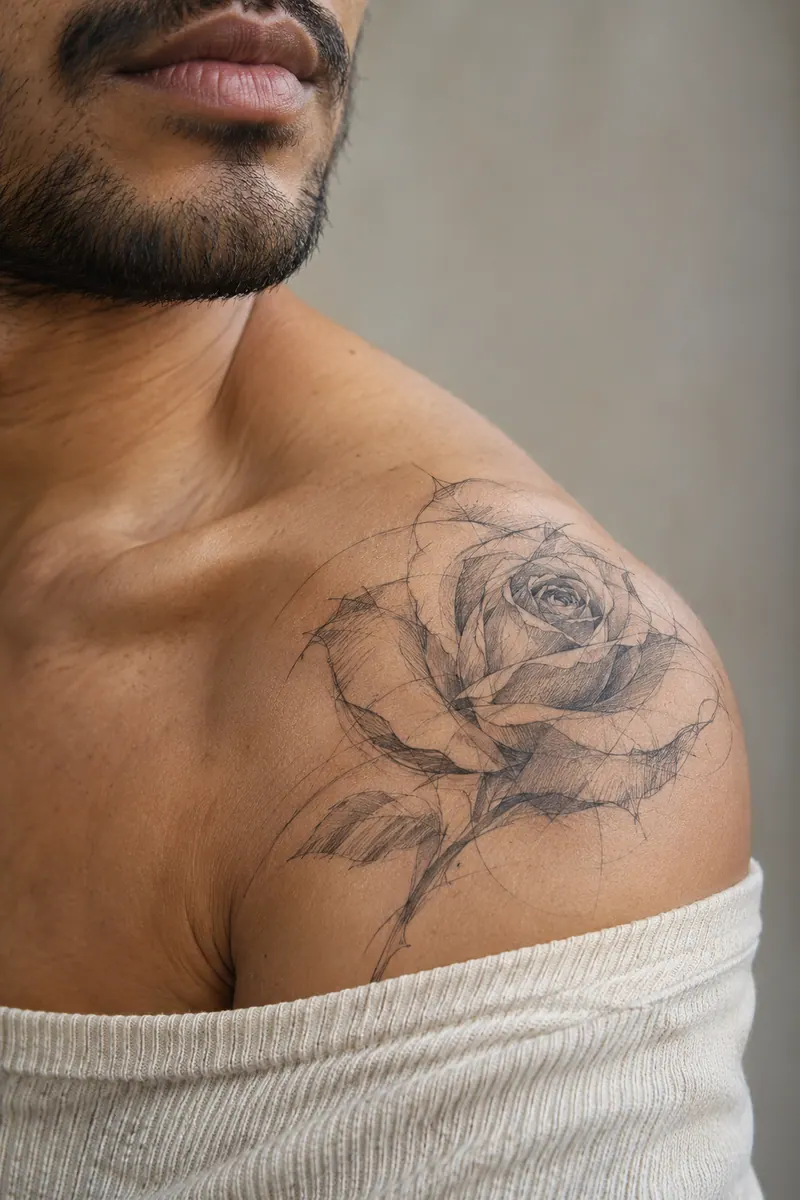
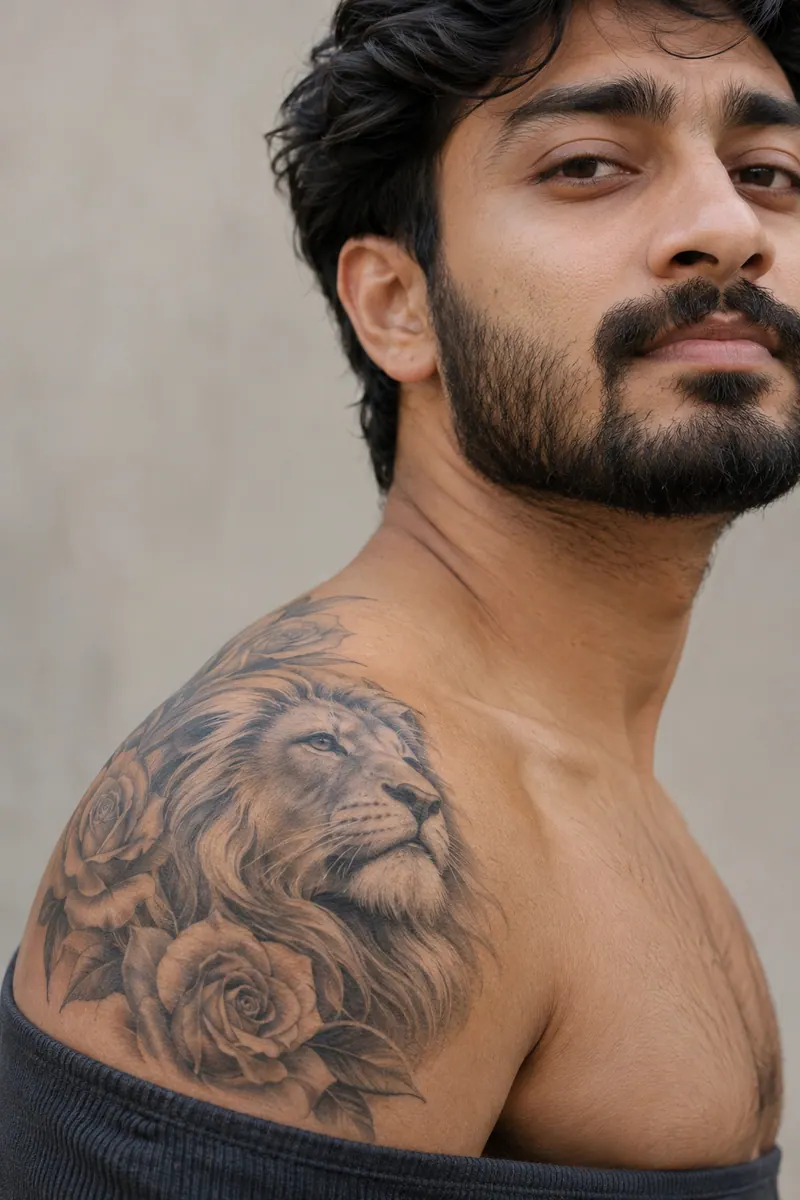
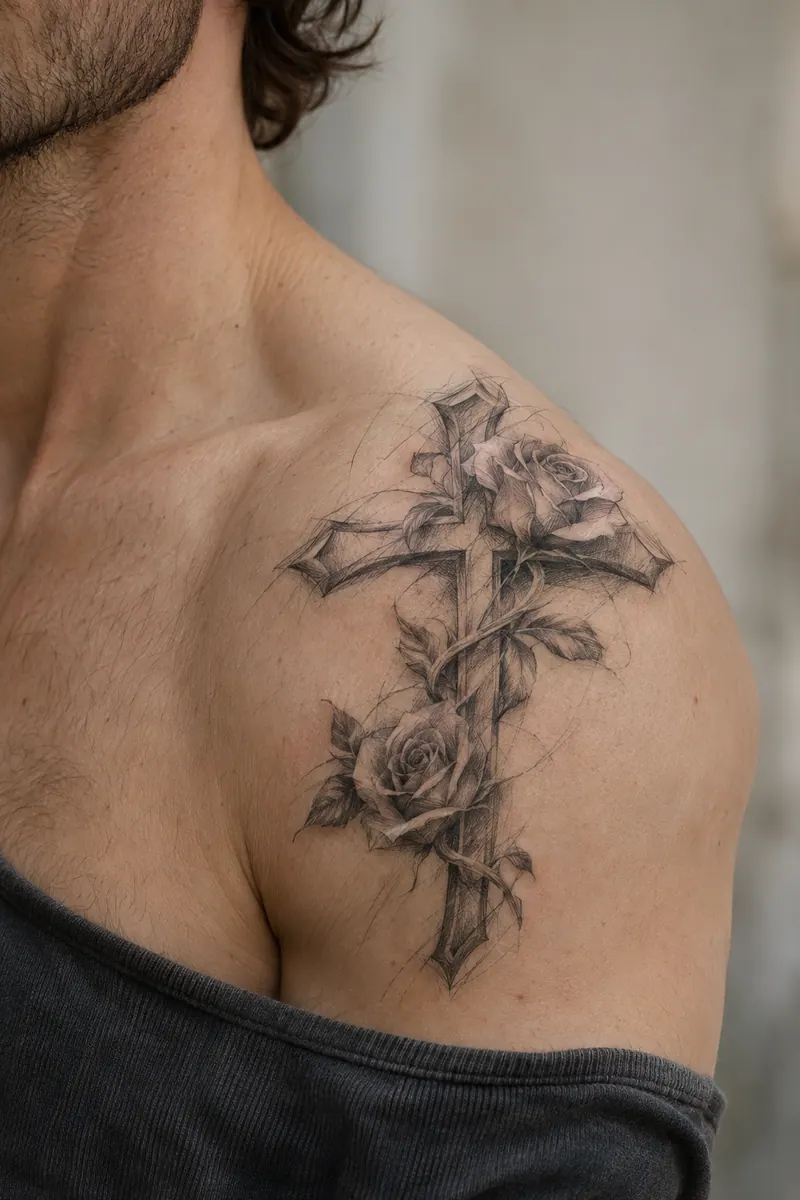
- Classic florals. A loosely drawn sketch rose, a cross wrapped in roses, or a lion with roses in Chicano black and grey suit the cap and the upper blade.
- Dreamlike pieces. Surreal designs such as a melting clock, an eye with a galaxy iris or a jellyfish floating among stars give the shoulder a quiet, otherworldly feel.
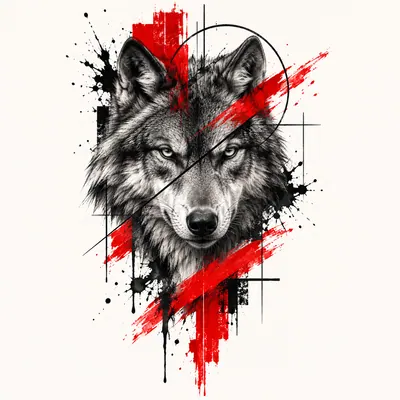
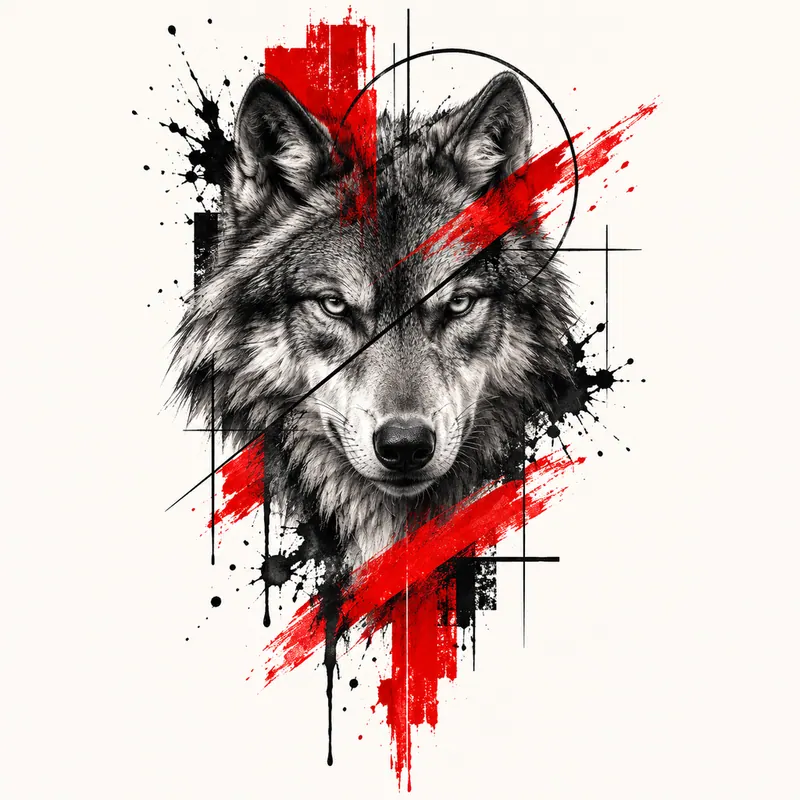
- Animal portraits. A wolf portrait in trash polka or a realistic sunflower in full bloom can fill the cap and spill onto the blade.
Healing and aftercare on the shoulder
The shoulder usually heals without trouble, but daily habits can get in the way. On top of your artist’s aftercare instructions, watch out for:
- Straps and bags. Backpack straps, handbags and seatbelts rub right across the shoulder. Many people switch sides or carry bags by hand while it heals.
- Sleep position. If you sleep on your side, try to stay off the tattooed shoulder for the first nights, and use clean sheets.
- Clothing. Loose, soft tops are kinder than tight sports tops or seams that sit on the design.
- Sun. Off-the-shoulder tops mean more sun. Keep a fresh tattoo covered, and once it is fully healed, sunscreen helps the colors and linework stay crisp.
Bringing a plan to your artist
Because the shoulder moves so much, check your idea in more than one pose. Take a photo with your arm relaxed and another with it raised or bent, then generate a few versions in InkForge and use Try-On to place them on both shots, nudging the position, size, rotation and blending by hand. If the design still looks balanced in both, you’re close. Try-On is a flat overlay rather than a 3D fit, so your artist will adapt the final stencil to the curve of your shoulder.