 InkForge
Why people choose the back
The back offers what no other placement can: a large, relatively flat and uninterrupted canvas. Detailed scenes, wide symmetrical designs and long flowing compositions all have room to breathe here. It is also one of the most private placements. Unless you are wearing a low-back top or swimwear, nobody sees it.
There is a flip side worth knowing: you won’t see it often yourself. Many people love that. The tattoo is something they carry rather than look at every day. Others find they miss seeing their art, so it is worth thinking about which camp you are in.
Upper back, spine, lower back and full back
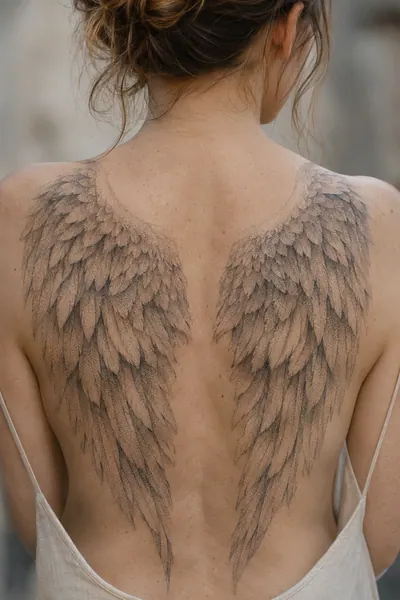
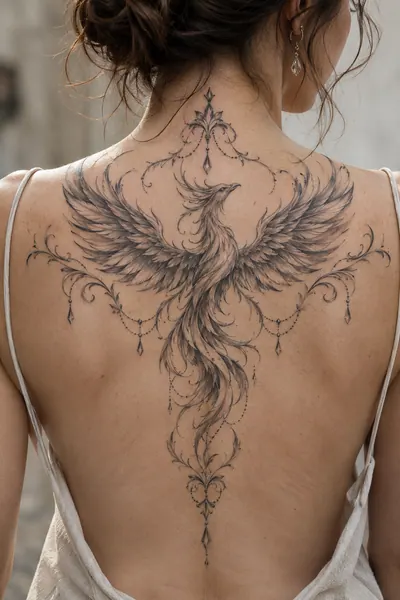
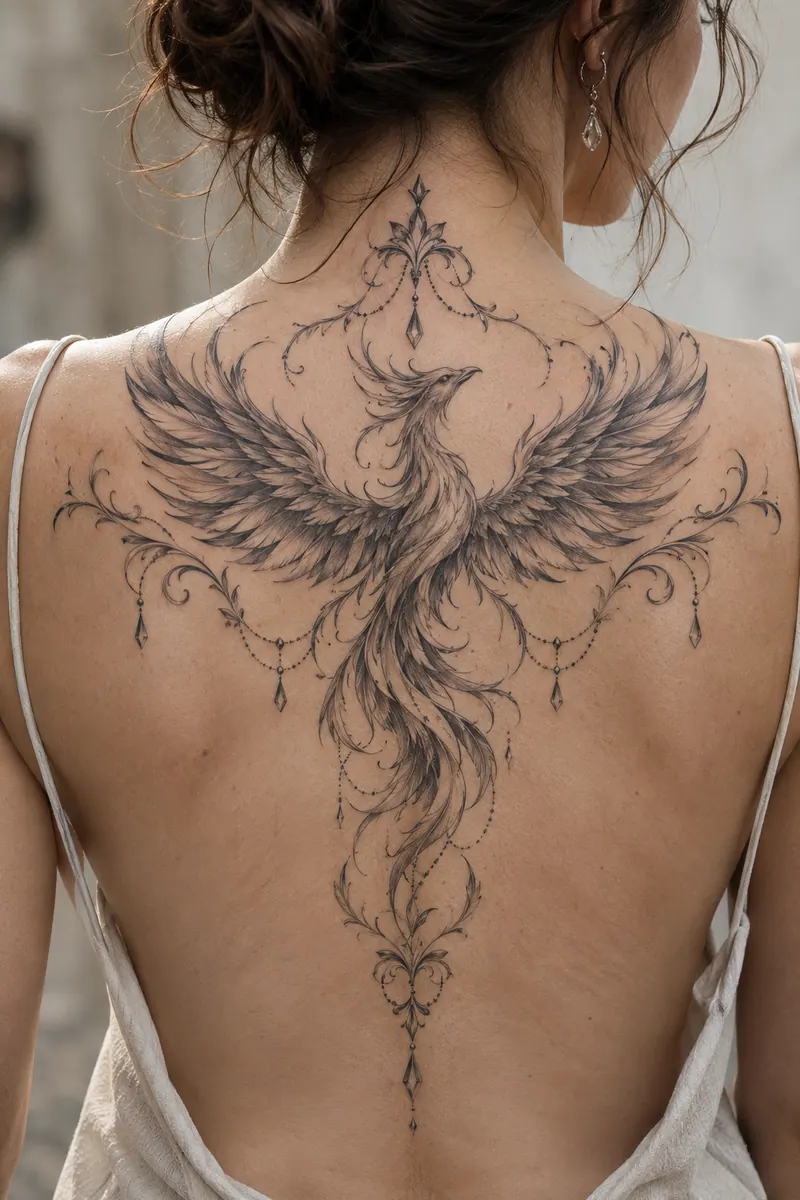
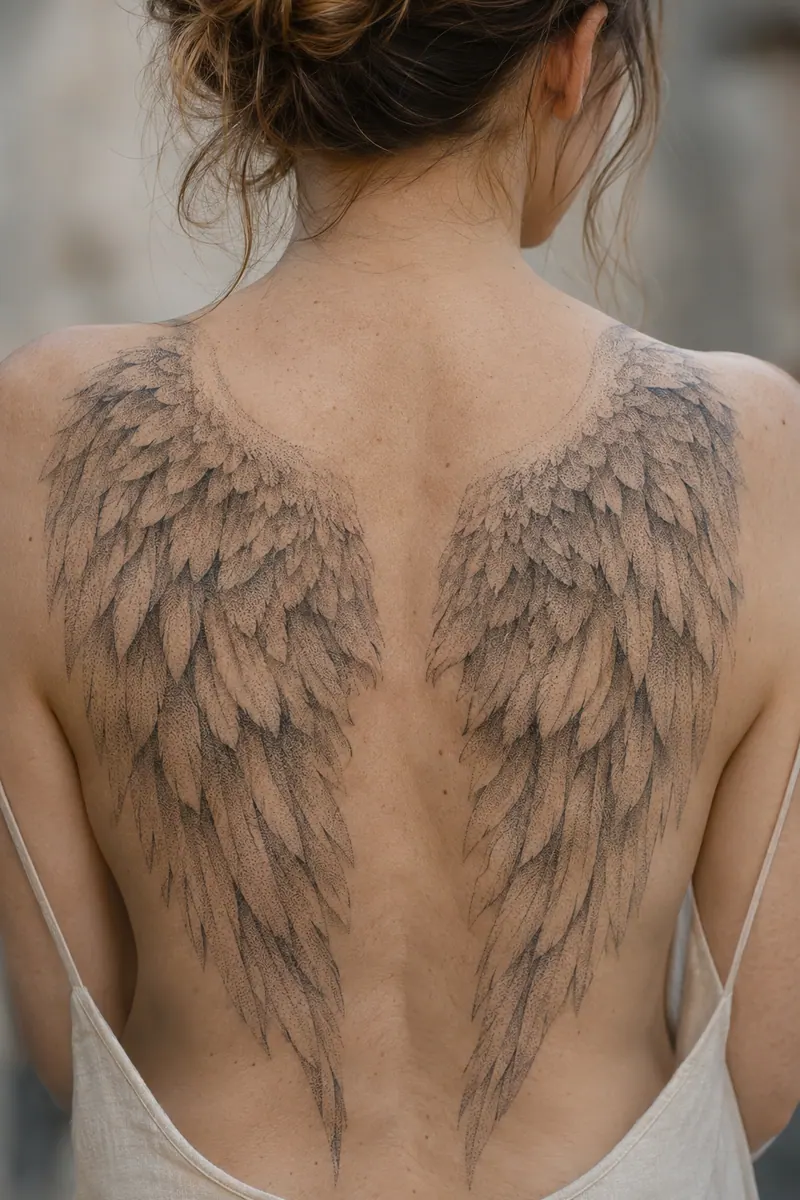
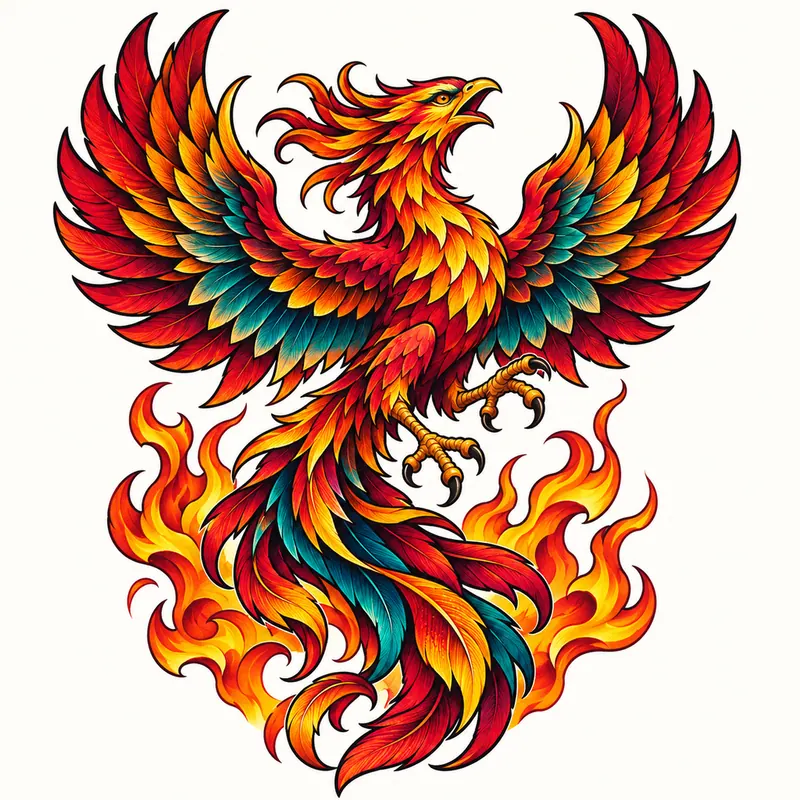
Upper back and shoulder blades. The most popular back area. Wide designs such as spread wings, a phoenix or a symmetrical ornament fit naturally across the shoulder blades. It is usually one of the more comfortable parts of the back.
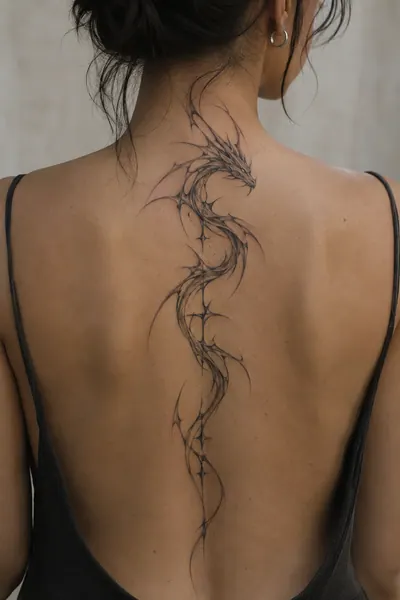
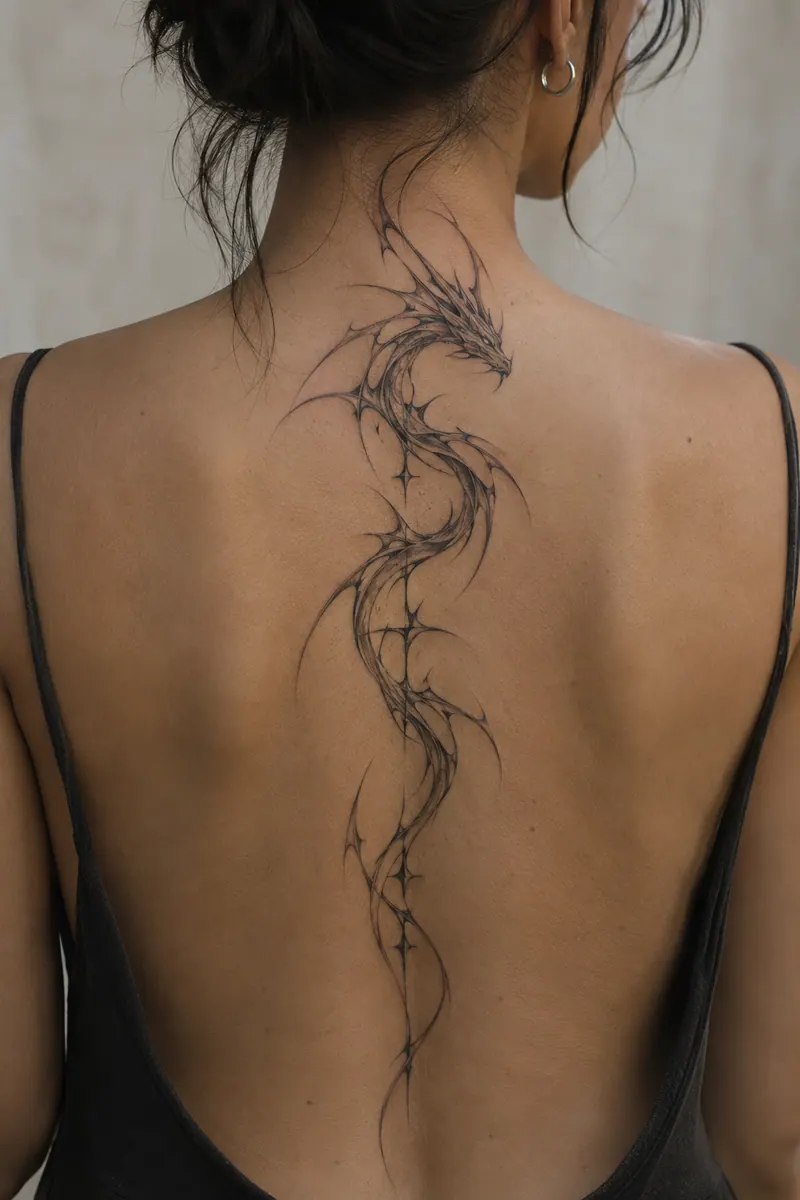
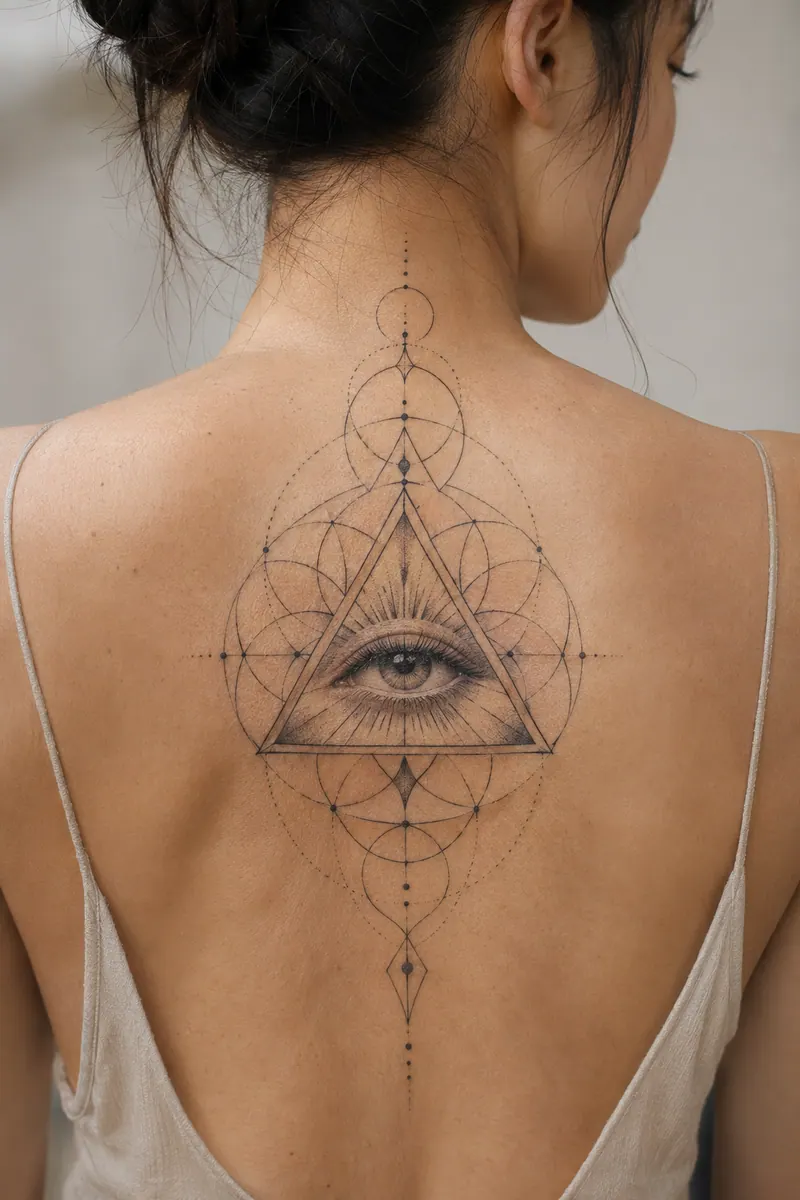
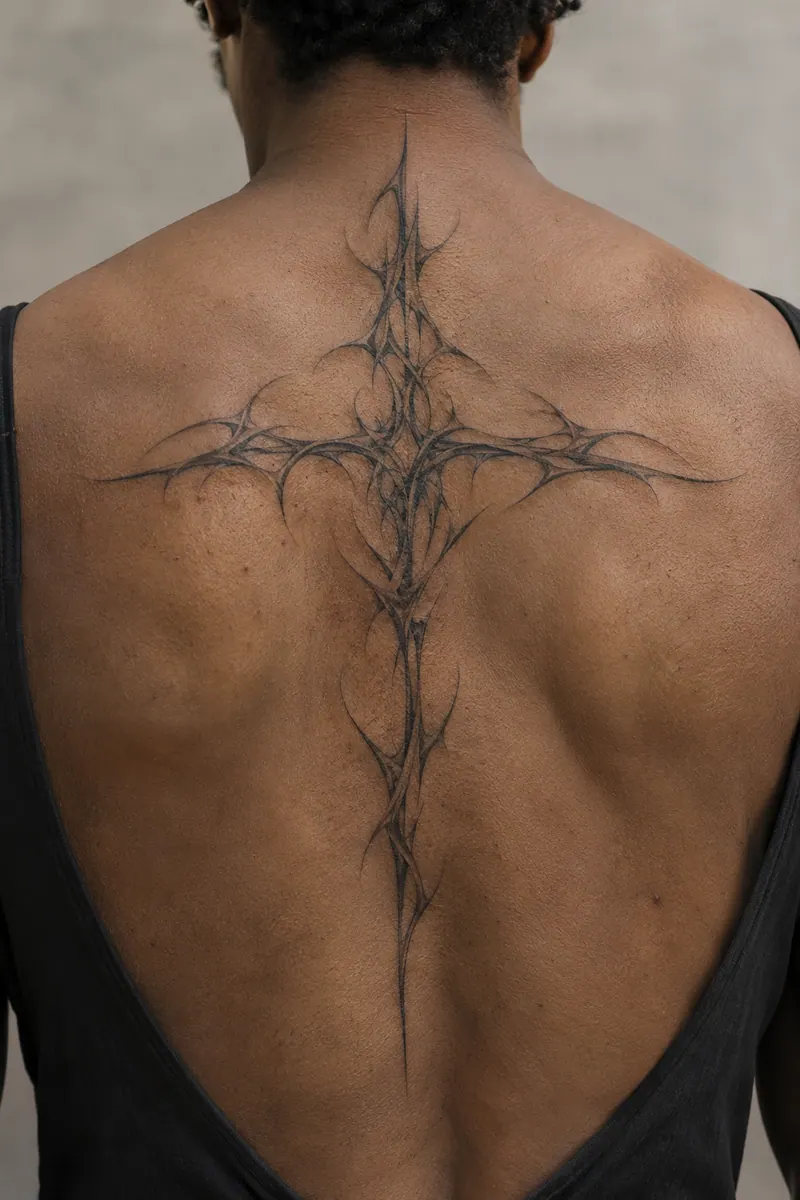
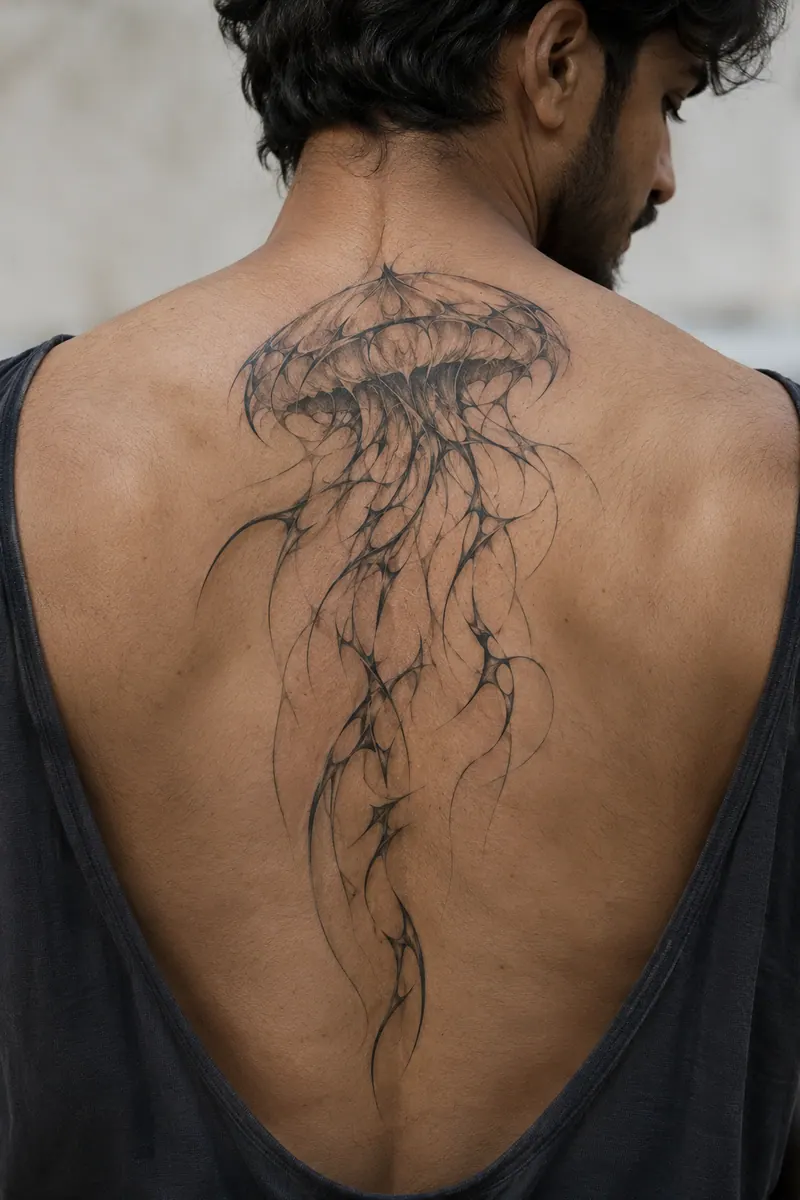
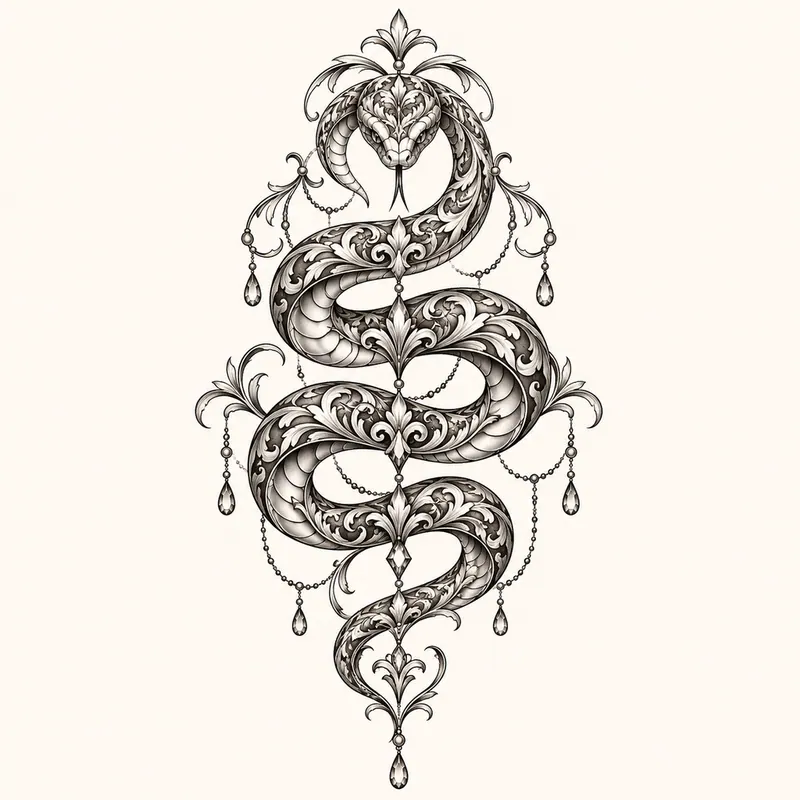
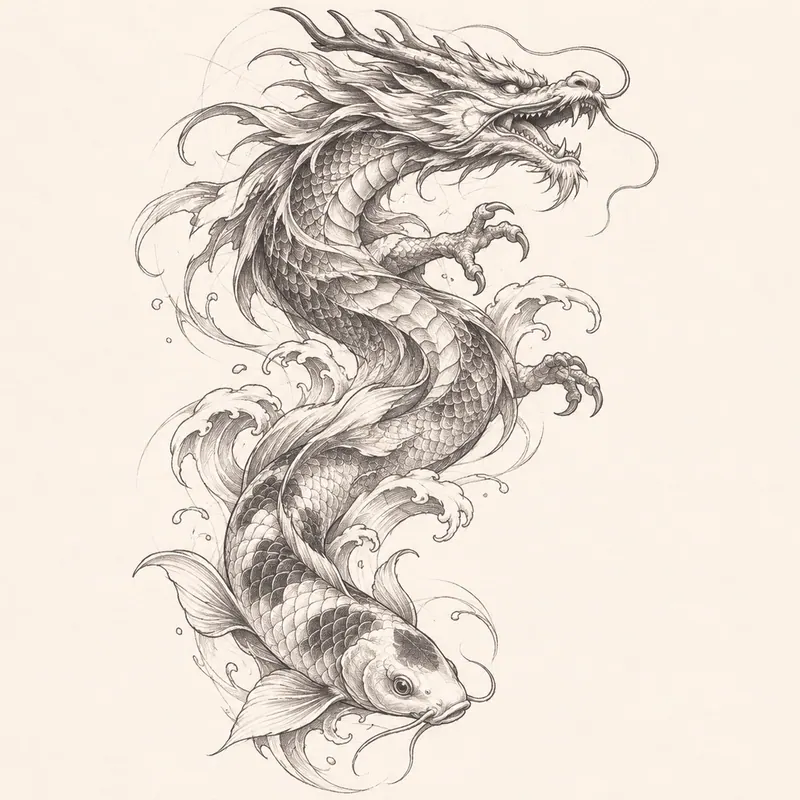
Spine. A slim vertical band from the neck down. Ideal for script, a column of symbols, or a long creature such as a slim dragon running down the spine. Cyber sigilism and fine line designs follow this line especially well.
Lower back. A horizontal area that suits wide, symmetrical designs. It is often more sensitive than the upper back.
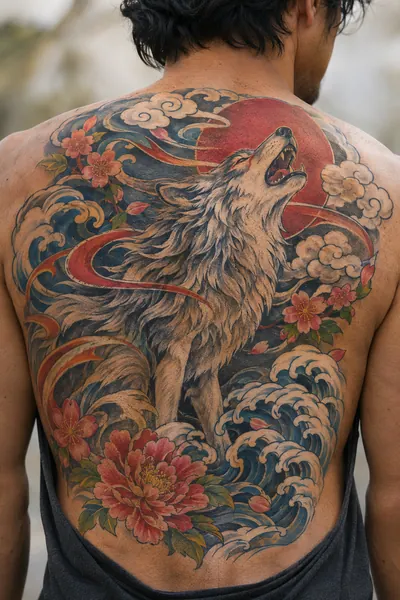
Full back piece. The whole back, from the shoulders to the hips. This is a long-term project, similar to a sleeve in that it is planned as one composition and built over many sessions.
Pain and practical considerations
For most people the back is moderate overall, with tougher spots:
- The upper back and the center of the shoulder blades are usually the easiest.
- The spine tends to be sharper because the skin sits directly over bone.
- The lower back and the sides toward the ribs are often among the most sensitive areas.
Practical points matter more on the back than elsewhere. You lie face down for long sessions, so comfort and breaks matter. You also can’t watch the work or easily check it at home, which makes trust in your artist especially important.
Visibility is low. A back tattoo stays hidden in almost every work setting, and an upper back piece only shows with low-back or strappy tops.
Designs that suit a large canvas
The back rewards ambitious ideas:
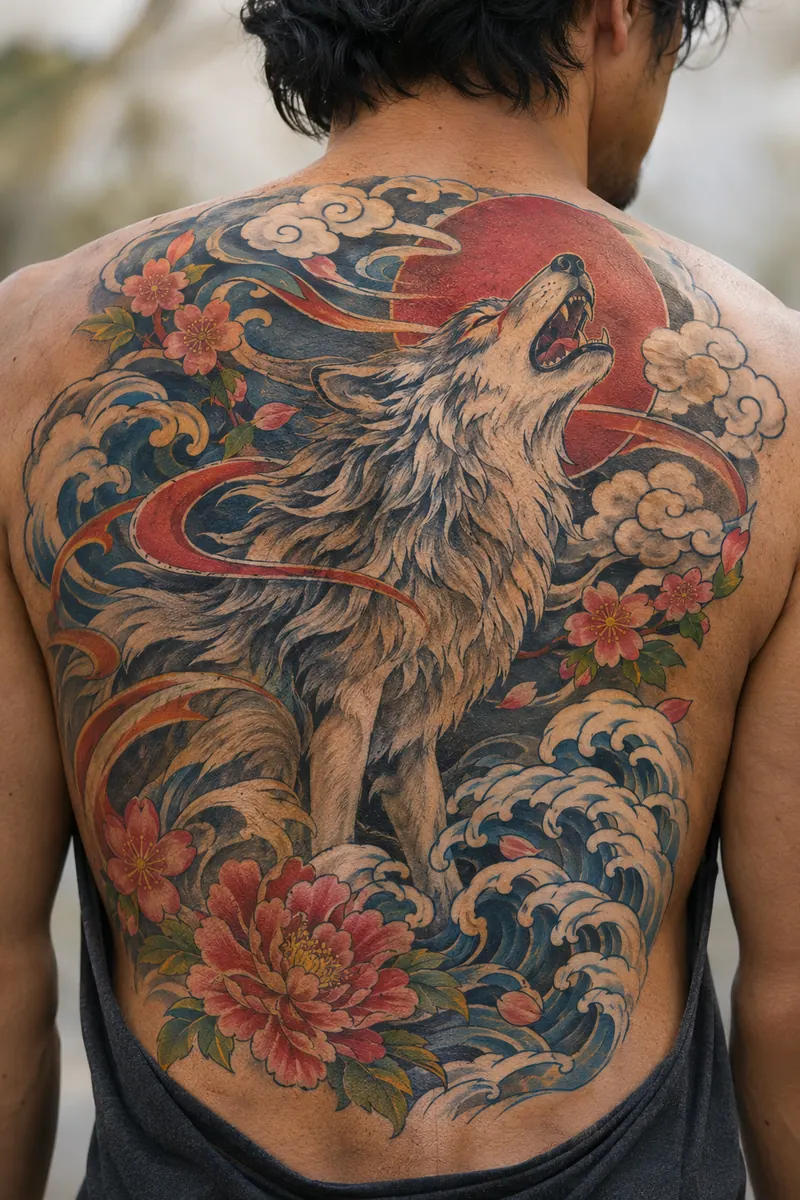
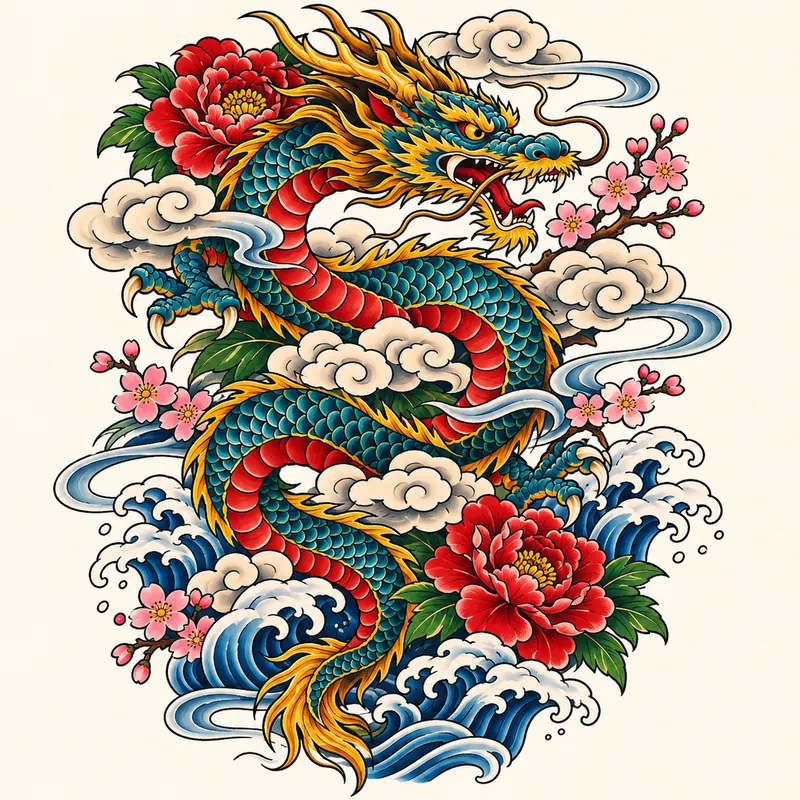
- Japanese back pieces. The back piece is a well-known format in Japanese tattooing, built around a central subject like a dragon coiling through clouds or a wolf with swirling wind, framed by waves, clouds or wind bars. It is a deep tradition, so a specialist artist is worth seeking out.
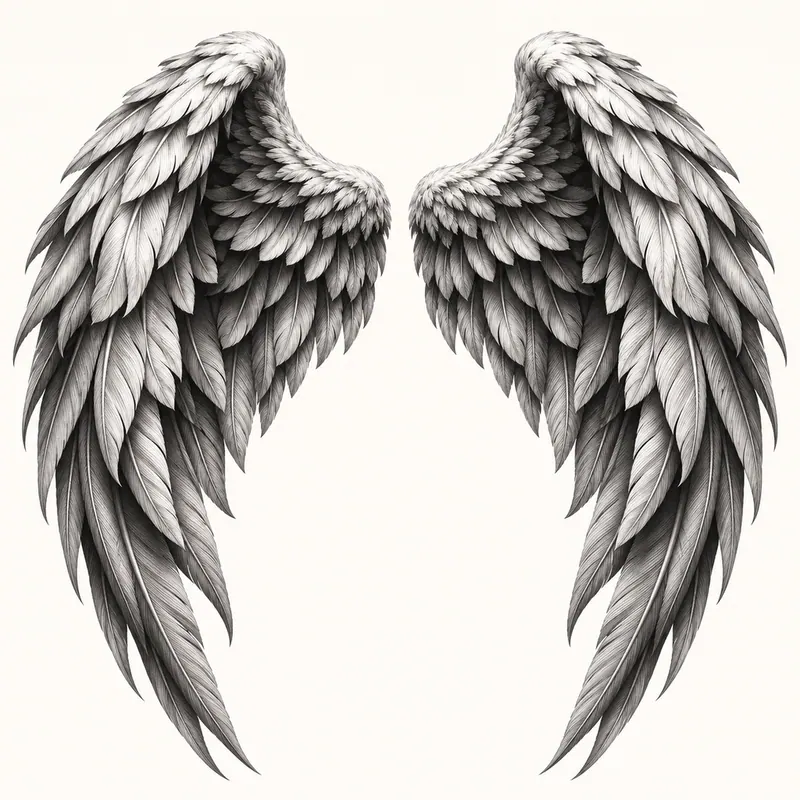
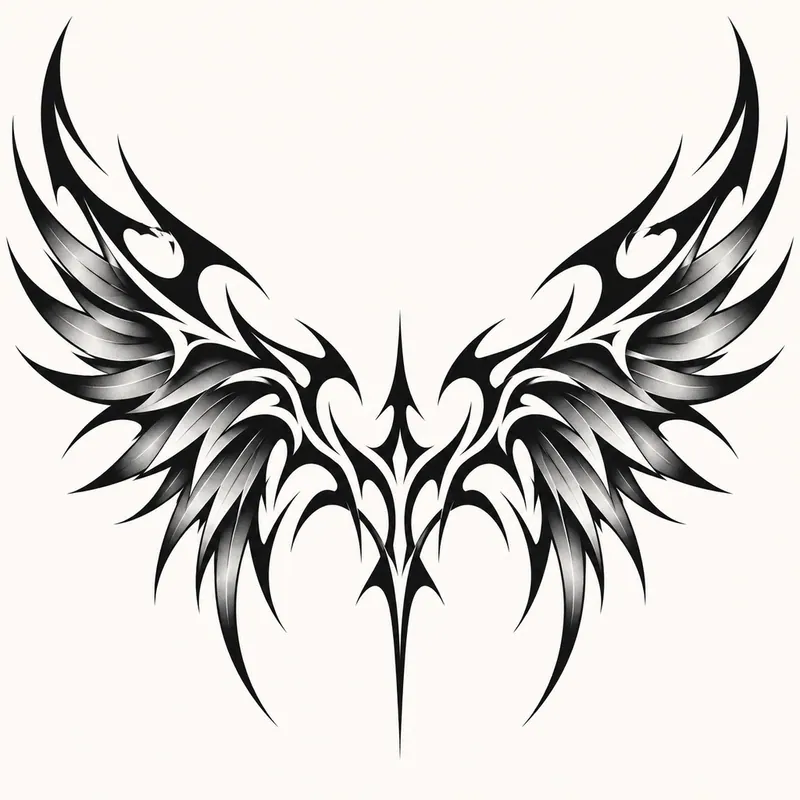
- Wings. Realistic angel wings, dotwork wings across the full back, or sharp tribal wings. Wings sit naturally over the shoulder blades and mirror the body’s symmetry.
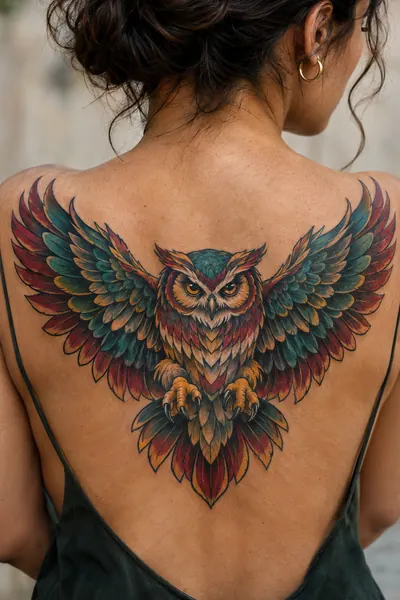
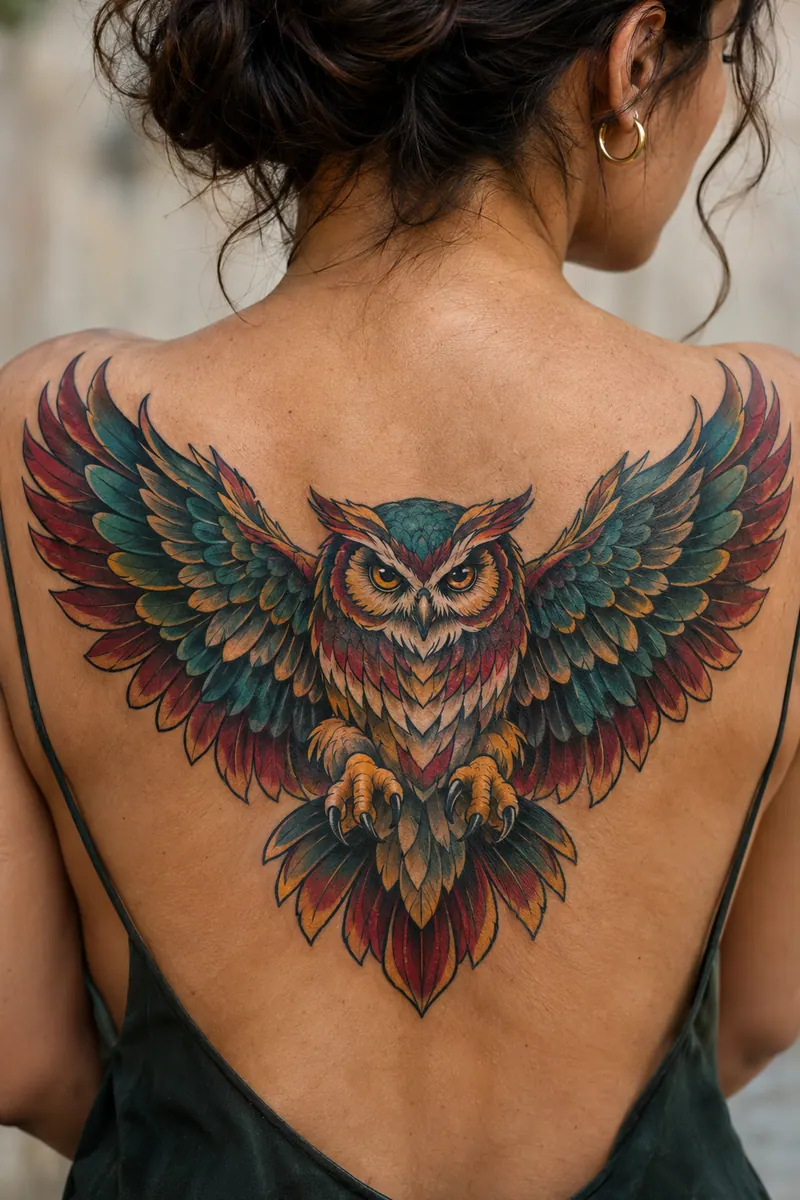
- Phoenix and birds. A phoenix rising from flames or with spread ornamental wings, or an owl with outstretched wings, fills the upper back beautifully.
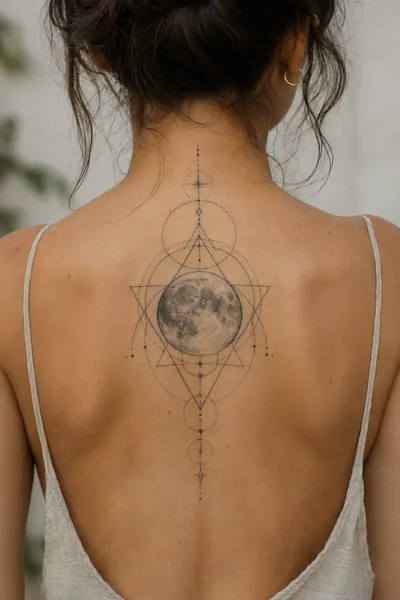
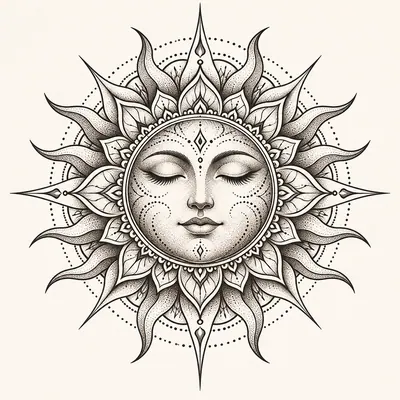
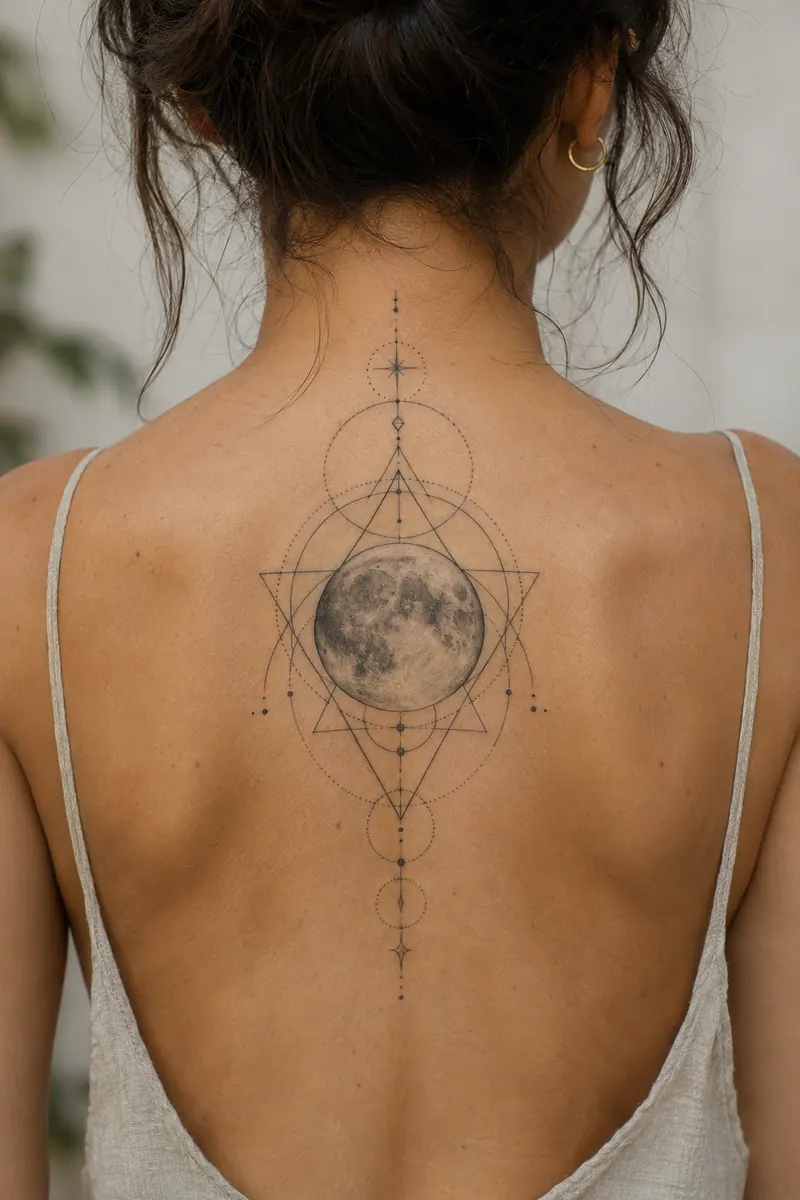
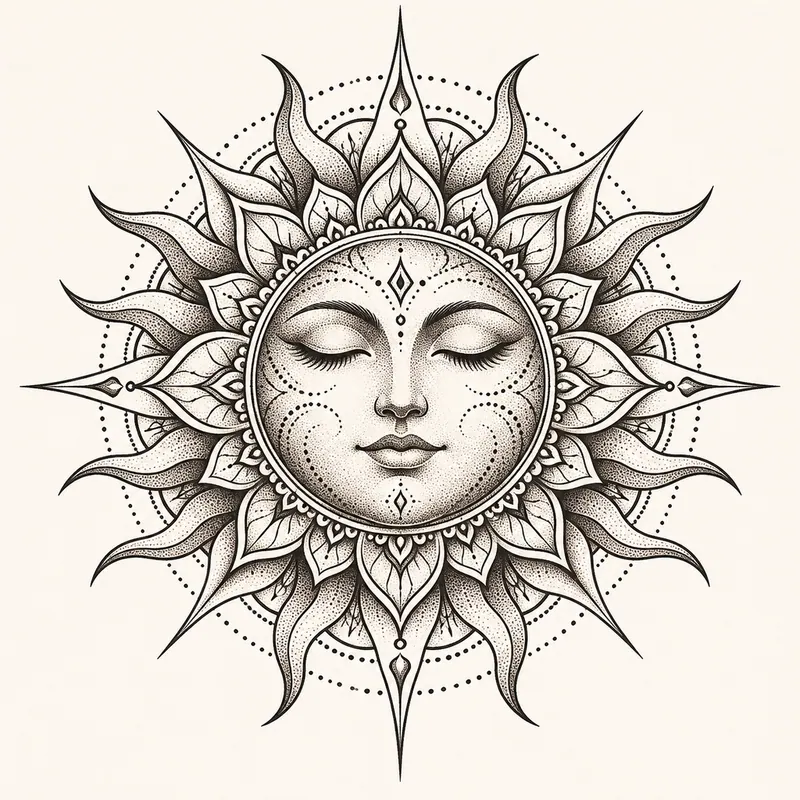
- Sacred geometry and mandalas. A moon inside sacred geometry, a sun with radiating mandala rays, or a third eye framed by geometric shapes, usually centered on the spine.
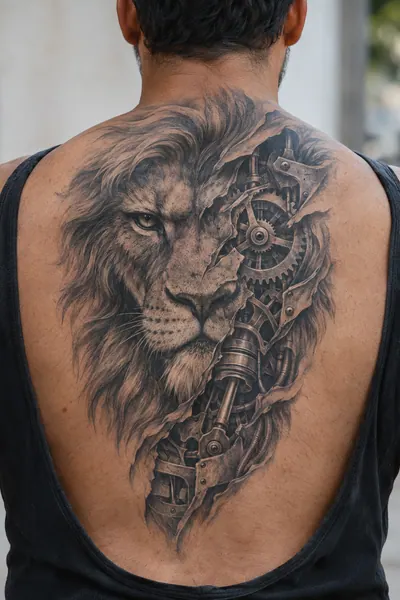
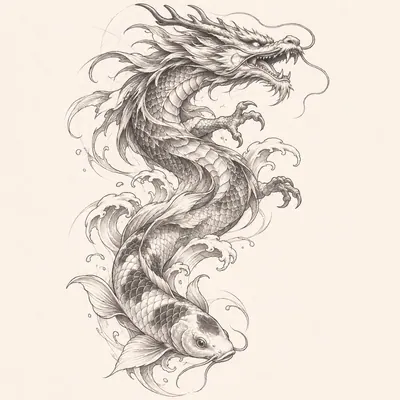
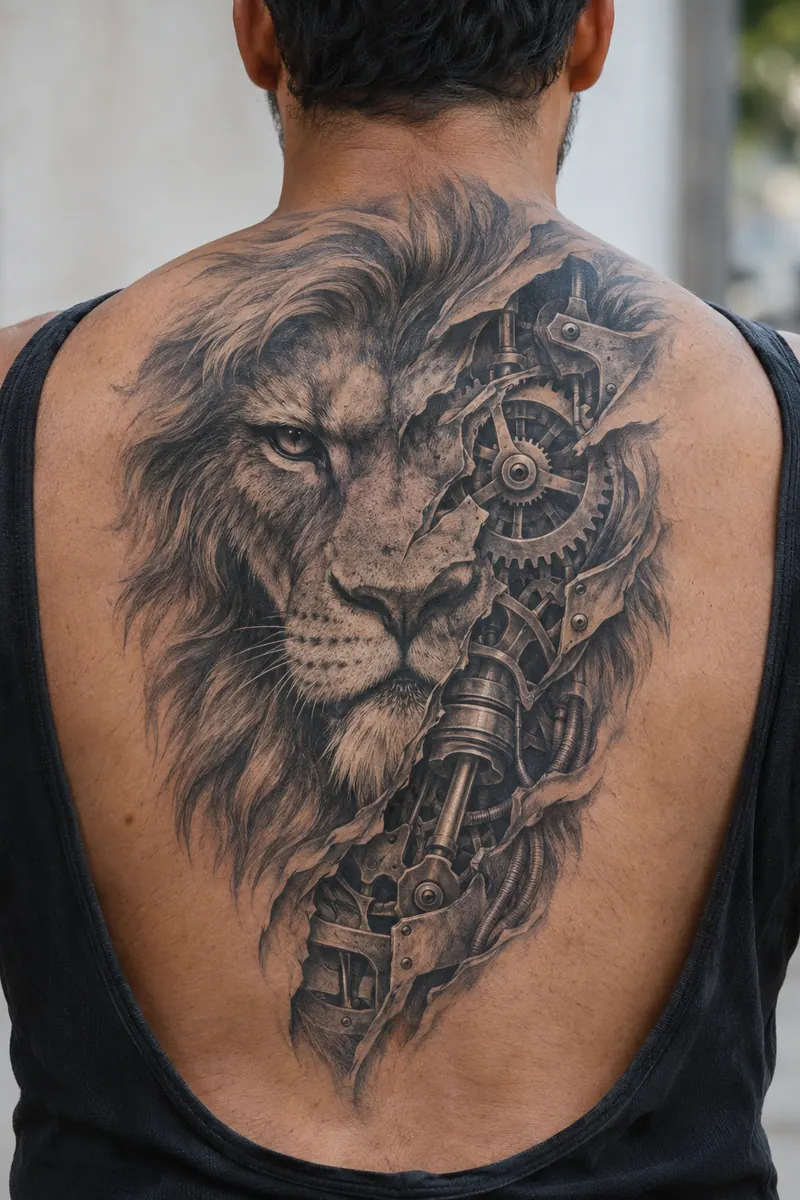
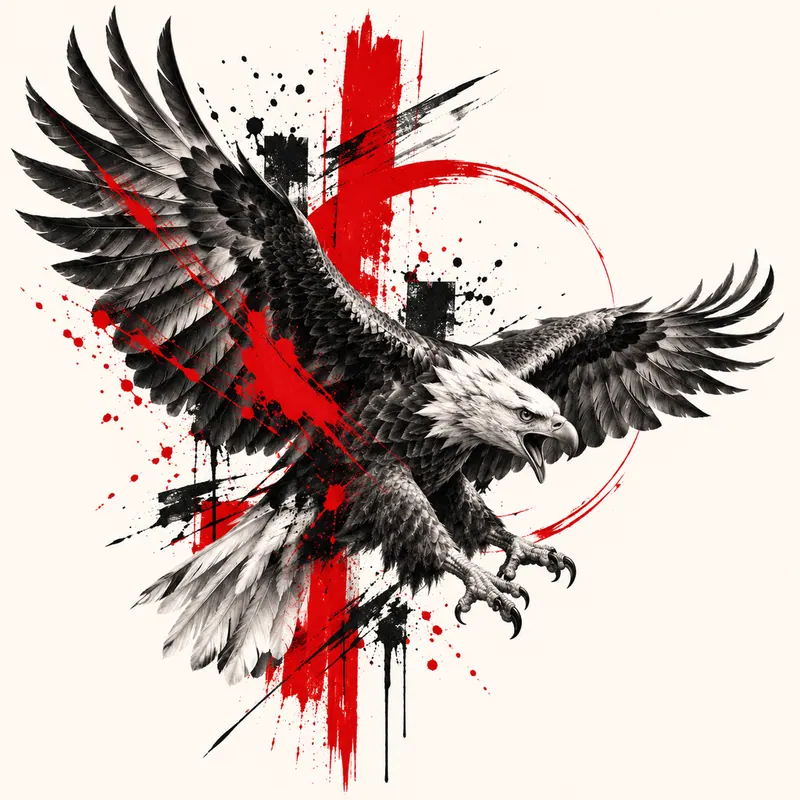
- Dynamic and experimental pieces. A trash polka eagle in flight, a biomechanical lion face, or a sketch of a koi fish transforming into a dragon, an image drawn from a well-known East Asian legend about perseverance.
Size is generous here, so use it. Small designs can look lost in the middle of the back; if you want something modest, consider placing it between the shoulder blades or at the top of the spine.
Back tattoo healing and aftercare
Back tattoos raise a unique challenge: you can’t easily reach them. Plan ahead:
- Arrange for someone to help wash the area and apply aftercare, or ask your artist which method they recommend.
- Sleep on your stomach or side so the tattoo isn’t pressed into the sheets for the first nights.
- Skip backpacks, bra straps and tight tops that rub the area while it heals, where you can.
- Avoid long baths, pools and the sun, especially for large pieces with lots of fresh skin.
- Space out sessions on big pieces so each section can heal before the next is added.
Always follow your artist’s aftercare instructions, and check in with them if something doesn’t look right.
Before your appointment
Because a back tattoo is large and hard to see, it pays to visualize it before the first session. In InkForge you can generate a back design in any of its 22 styles, then use Try-On on a photo of your back to position, resize and rotate it by hand and compare a few scales. Bring your favorite versions to your artist as a starting point for the final drawing.