InkForge
What defines Chicano tattooing
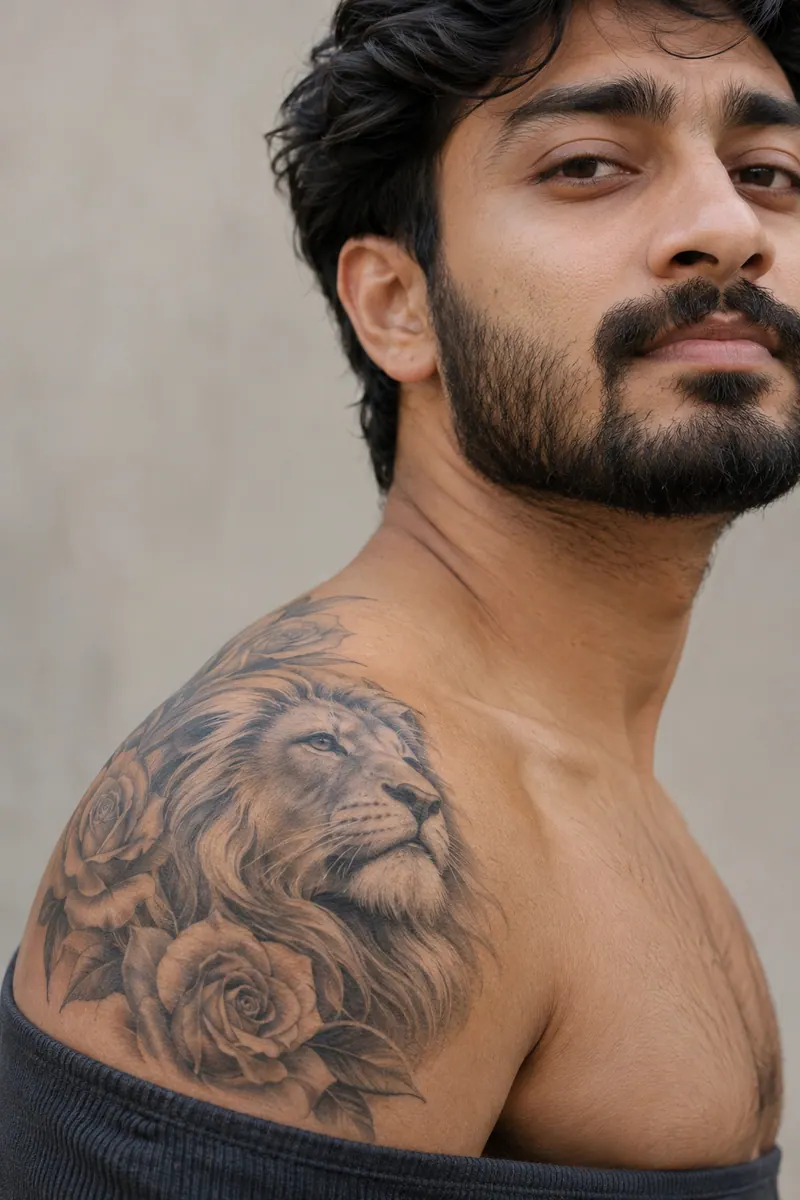
Chicano tattooing is a black-and-grey style built on fine, steady linework and smooth, smoky shading. Instead of bold outlines and flat color, it uses gradients of diluted black ink to model faces, roses and drapery almost like a pencil drawing or a charcoal portrait. Highlights are often left as bare skin, which gives the work its soft glow.
Just as important as the technique is the subject matter. Chicano tattoos tend to be personal and narrative: a loved one’s portrait, a saint or the Virgin of Guadalupe, praying hands, a clock marking a date, script lettering with a family name. The style is a visual language of faith, family, memory and pride.
Roots and history
The style is rooted in Mexican-American communities in the American Southwest, especially East Los Angeles, through the second half of the 20th century. It draws on pachuco culture of the 1940s, Catholic devotional imagery, Mexican art and the visual life of the barrio — lowriders, lettering, murals.
Much of its early development happened in prisons and neighborhoods where tattooers worked with improvised machines, a single needle and black ink, sometimes homemade. Those limits shaped the look: thin lines and grey washes instead of color. Over the following decades the style moved into professional studios and became one of the most influential black-and-grey traditions in the world.
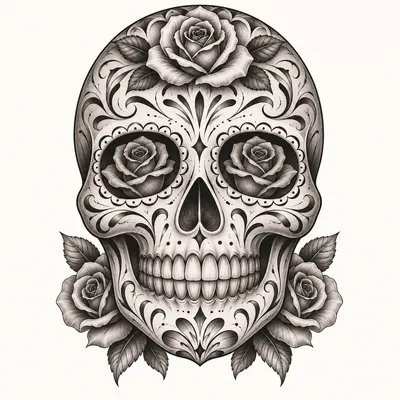
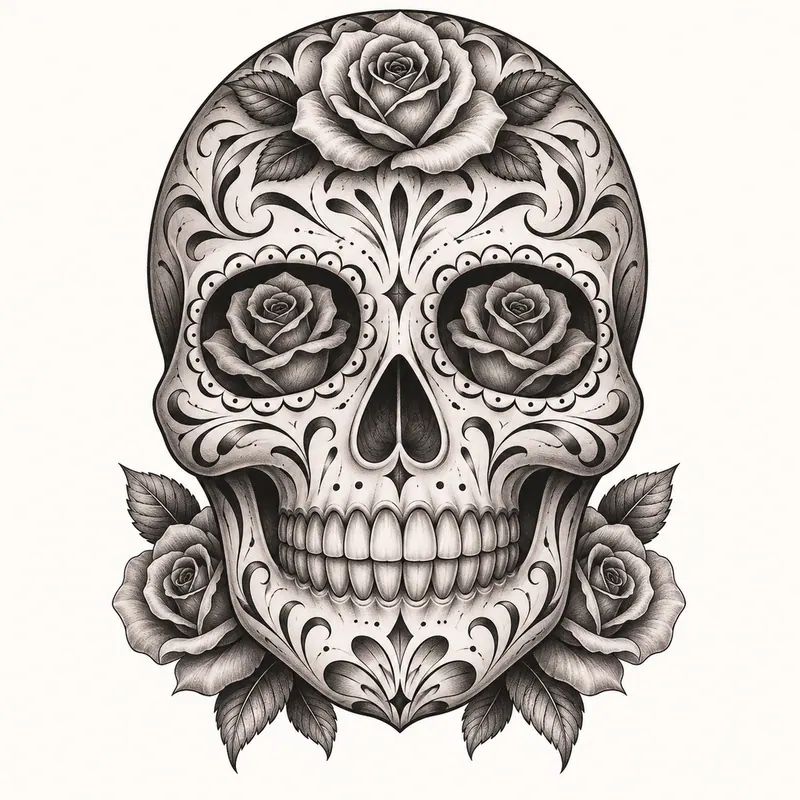
Because it carries this history, Chicano tattooing deserves respect. Many of its images — the Virgin of Guadalupe, the sacred heart, calaveras from Día de los Muertos — are sacred or culturally significant. If you are drawn to the style from outside the culture, take time to learn what the images mean and consider working with an artist who comes from the tradition.
Classic imagery and characteristics
- Fine lines and soft grey gradients, often with skin left bare for highlights.
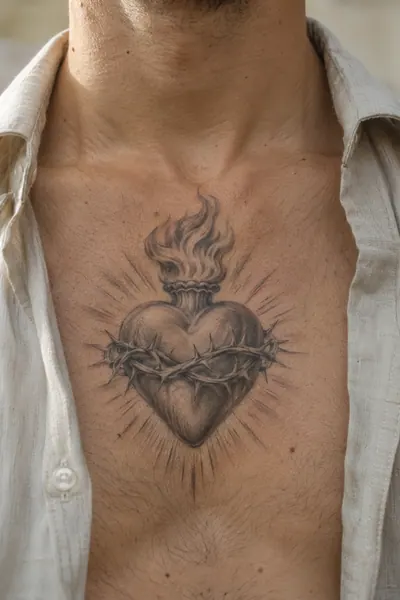
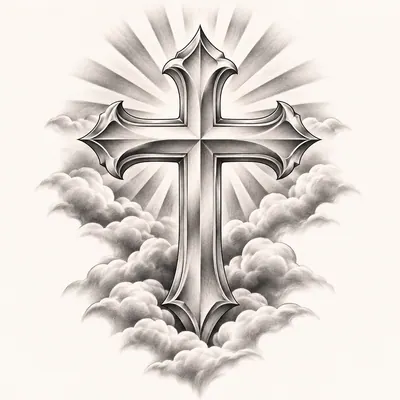
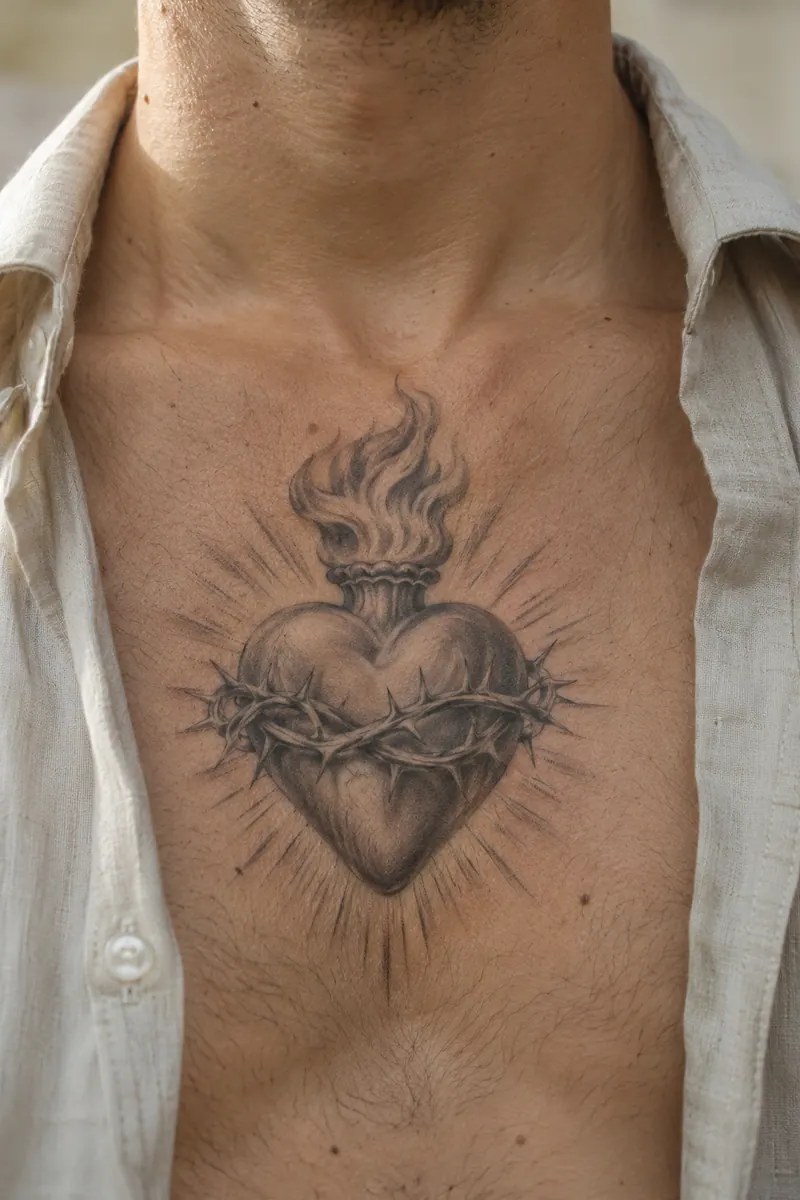
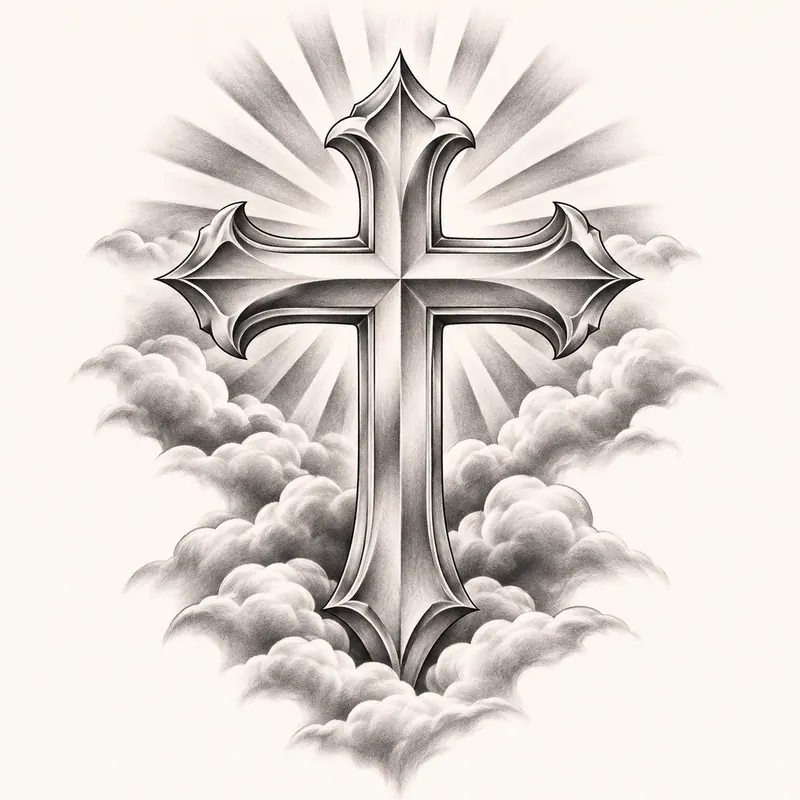
- Religious imagery: the Virgin of Guadalupe, praying hands, crosses with rays of light, a sacred heart with flames and a crown of thorns.
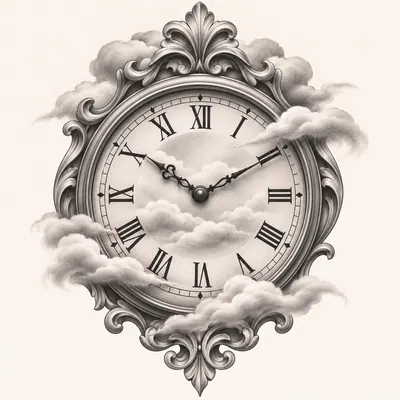
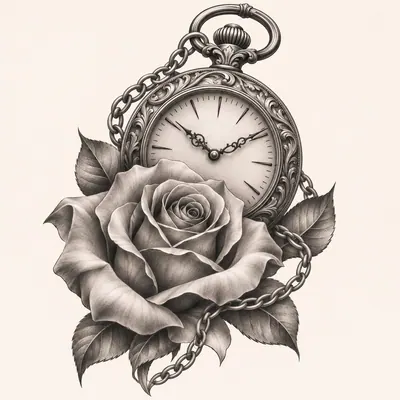
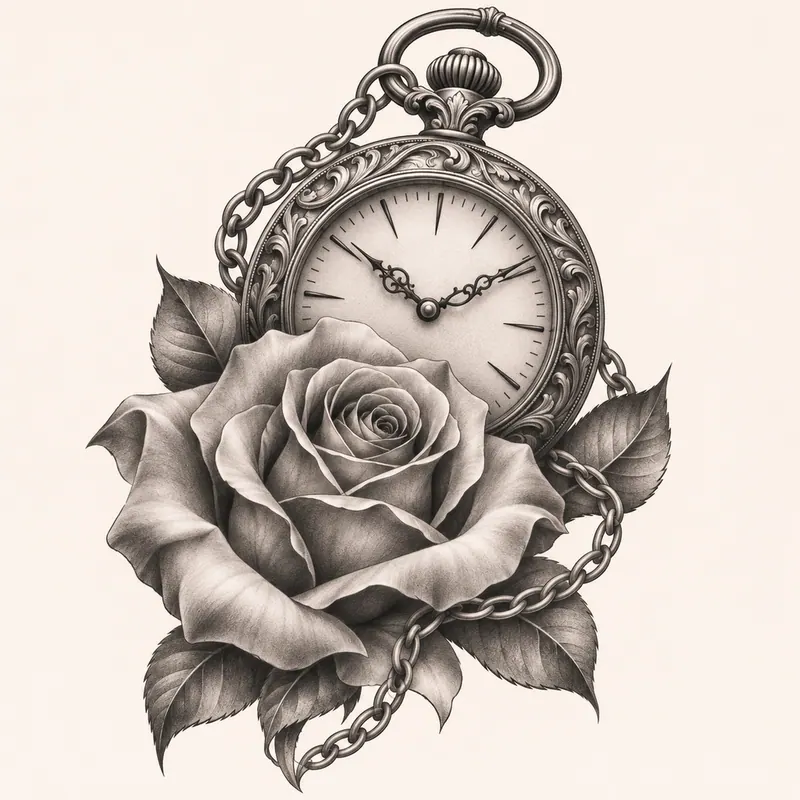
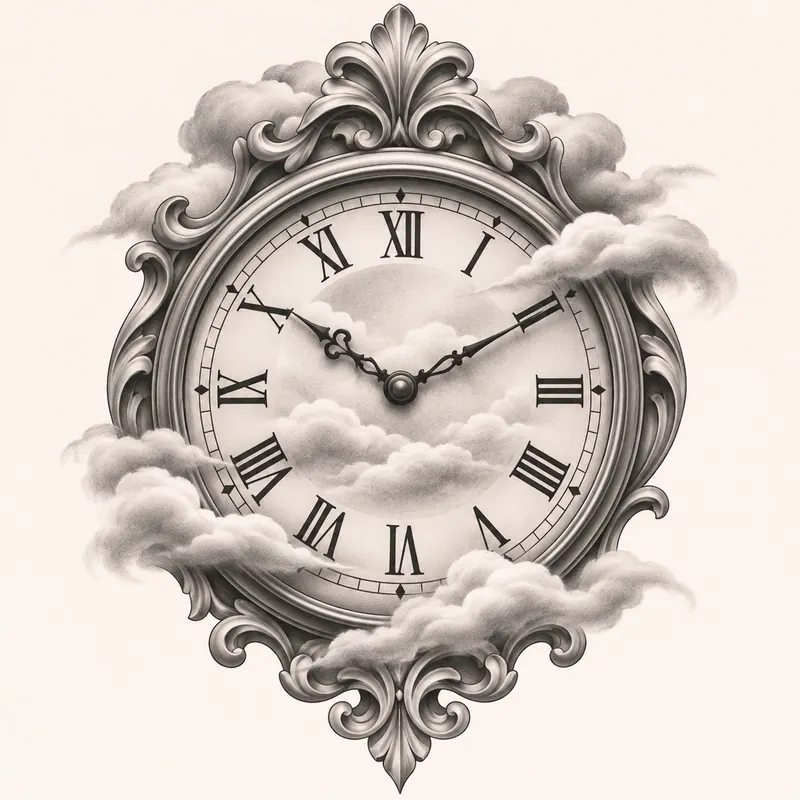
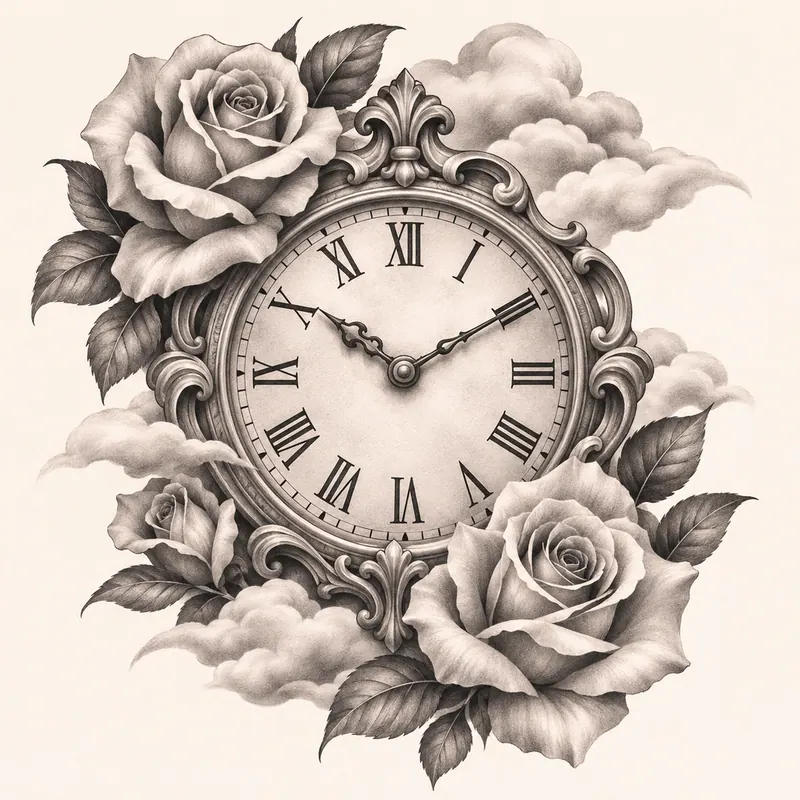
- Time and memory: clocks and pocket watches, often with roses or Roman numerals.
- Portraits: family members, women with dramatic makeup, clowns (payasos and payasas) symbolizing life’s highs and lows.
- Lettering: Old English and elaborate script for names, neighborhoods and phrases.
- Atmosphere: clouds, light rays and smoke that tie elements together.
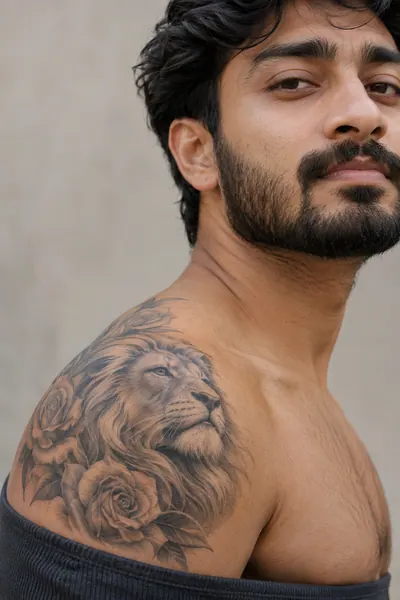
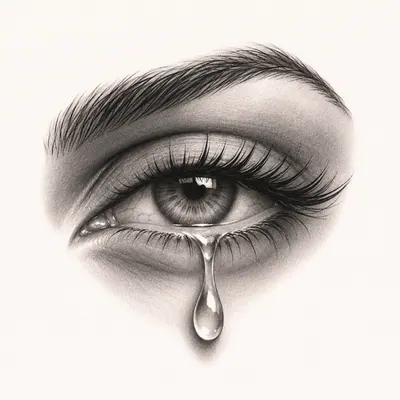
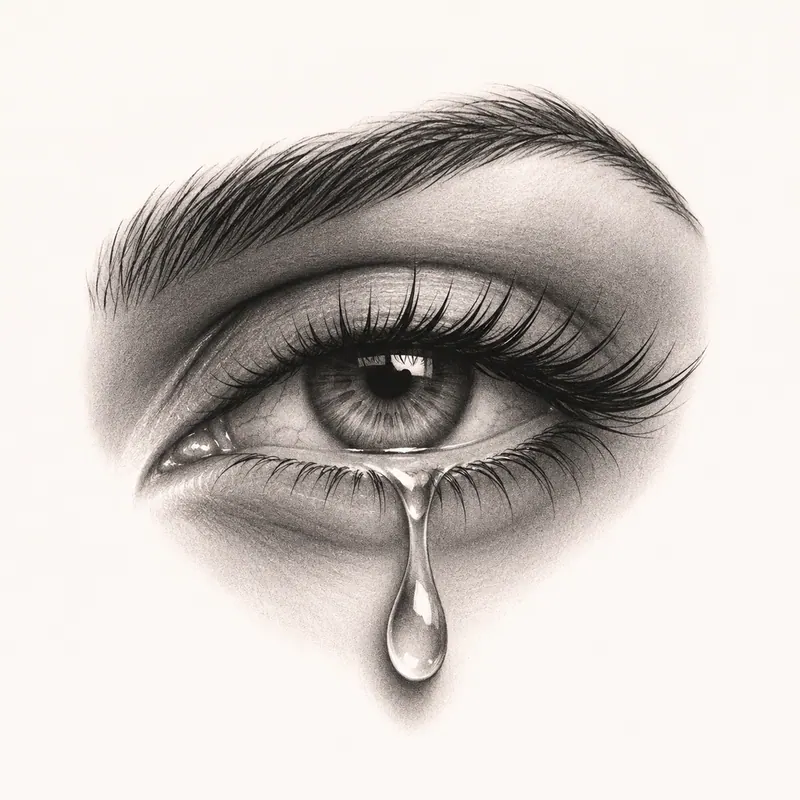
The gallery above shows this vocabulary: a rose with an antique pocket watch, a lion with roses on the shoulder, a decorated sugar skull, a sacred heart on the chest, a human eye with a single tear, a cross with clouds and light rays, and clocks with Roman numerals and roses.
How Chicano tattoos age
Black-and-grey work generally ages well because it depends on contrast and value, not on bright pigments that fade. The thinnest lines and lightest greys are the first to soften, so good Chicano artists build strong darks next to the highlights to keep the image readable for decades. Protect healed tattoos from the sun, and expect that very small, very detailed portraits will blur sooner than larger pieces.
Best placements for Chicano tattoos
Chicano designs are usually medium to large, because faces and soft gradients need room.
- Forearm: the classic spot for clocks, roses, eyes and crosses, which fit its vertical shape. See forearm tattoo ideas.
- Chest: sacred hearts, portraits and script across the upper chest.
- Back: large religious scenes and full compositions.
- Upper arm and shoulder: portraits with roses, skulls and clocks.
Chicano vs. neighboring styles
Black-and-grey realism aims for photographic accuracy and can depict anything. Chicano shares the grey palette but has its own subjects, a softer, more stylized finish and a strong cultural identity. Fine line uses similarly thin needles but usually leaves out heavy shading. Traditional tattooing is the opposite approach: bold outlines and saturated color.
Choosing a Chicano artist
Look for an artist whose portfolio is full of healed black-and-grey work, especially portraits and lettering, which reveal skill quickly. Check that greys are smooth rather than patchy and that highlights still read after healing. Ask about the meaning behind any religious or cultural imagery you want; a good artist will help you use it thoughtfully.
Start with the story: who or what the tattoo honors, and which symbols belong in it. In InkForge you can describe that idea, choose the Chicano style and generate several black-and-grey concepts, then try the design on a photo of your body to judge the size. Bring your favorite to an artist who knows the tradition as a starting point for their own drawing.