InkForge
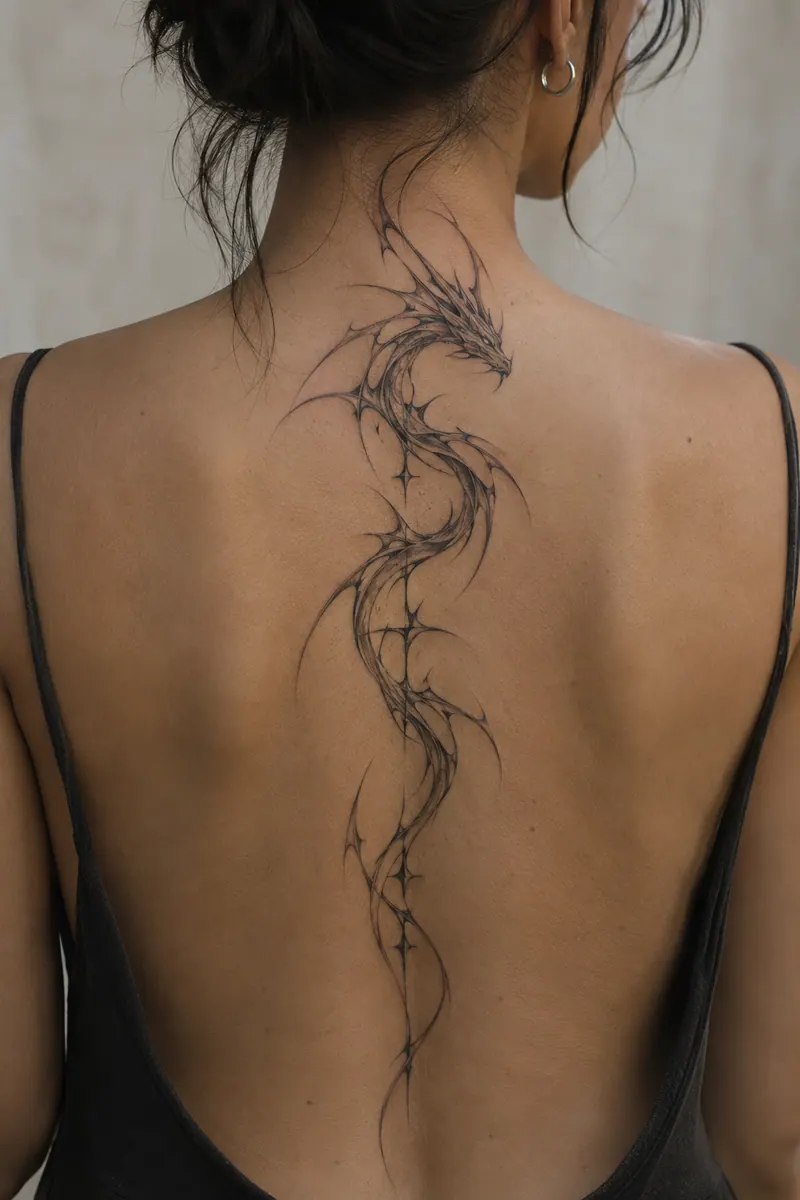
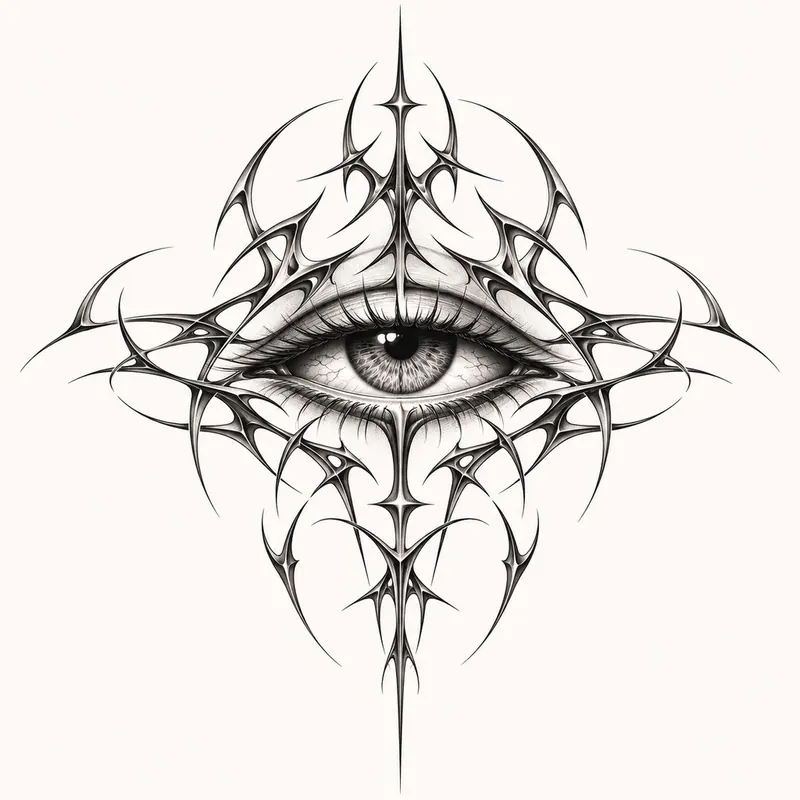
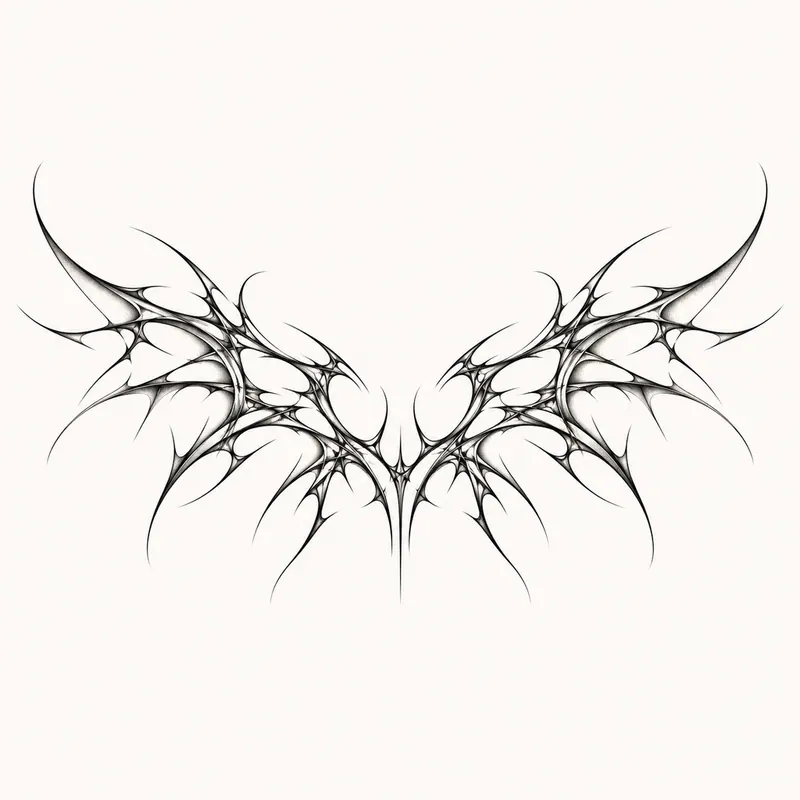
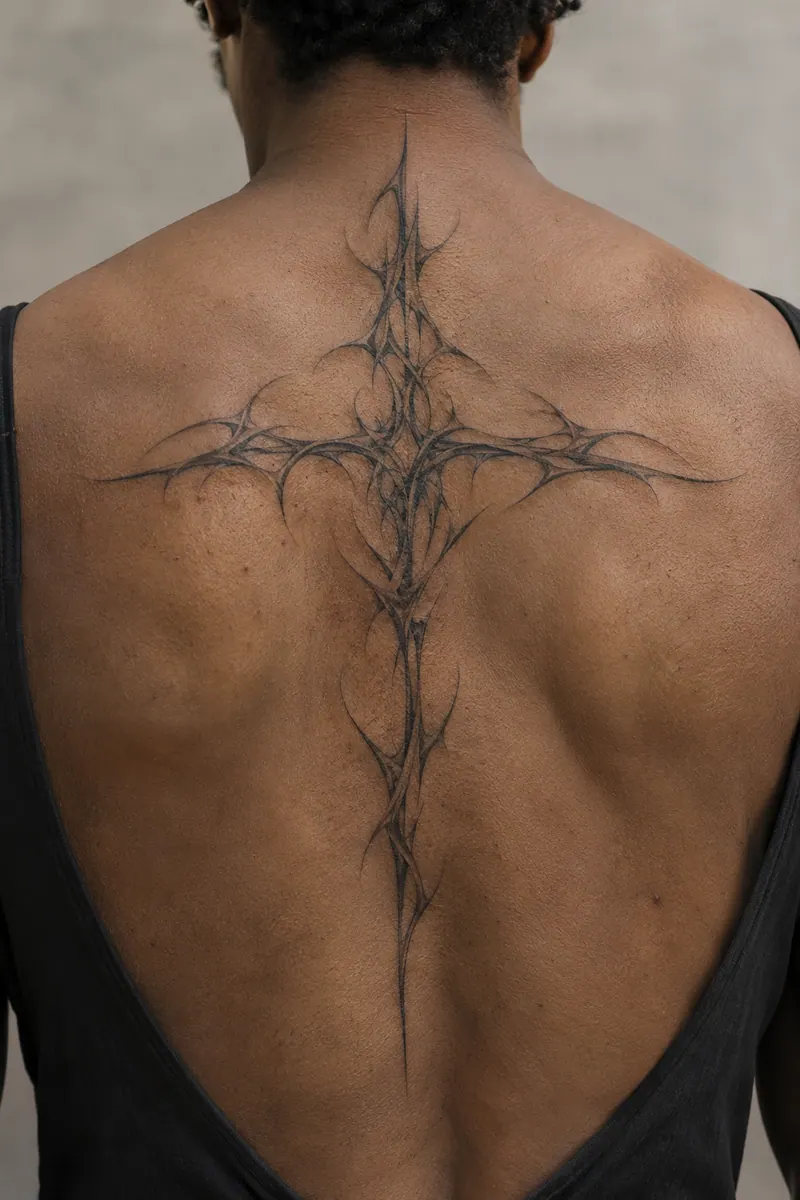
What defines cyber sigilism
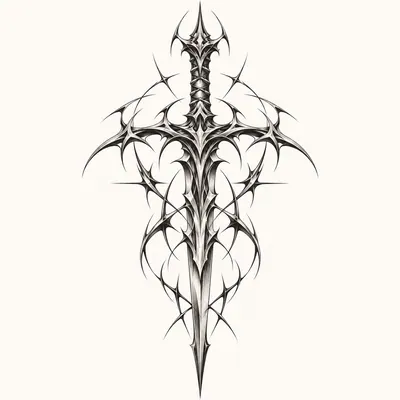
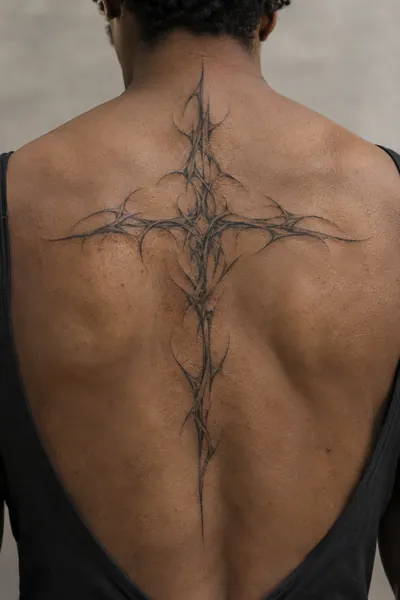
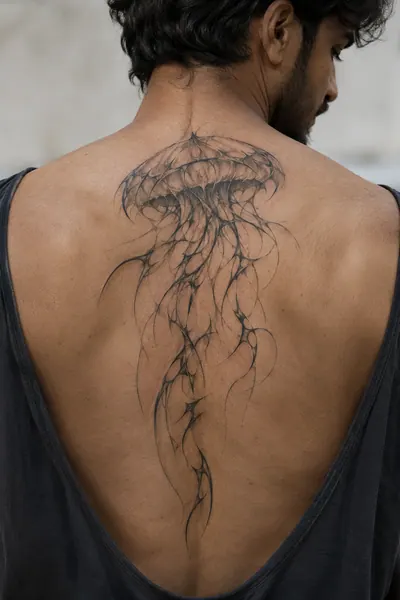
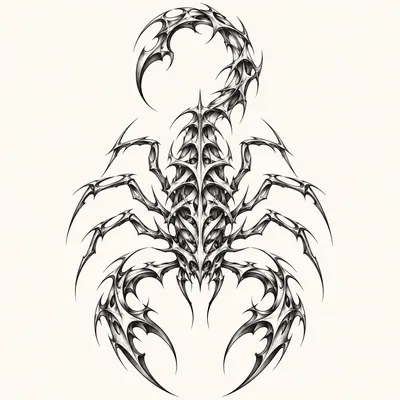
Cyber sigilism is built from thin, sharp lines that flow, split and end in points. Curves branch into thorns, hooks and barbs; shapes stretch along the body and are often mirrored left to right. The overall effect is part ancient glyph, part sci-fi interface, part gothic ironwork.
Unlike styles defined by shading, cyber sigilism is almost entirely linework. Negative space is crucial: the skin between the lines is what makes the pattern feel light, fast and electric.
Origins, briefly
Cyber sigilism is a recent style that emerged in the early 2020s, spreading largely through social media. It seems to draw on several sources at once: the revival of 1990s and early-2000s tribal tattoos, Y2K and techno graphic design, gothic and metal-inspired lettering and the idea of the sigil, a symbol created with a personal or magical intention in occult traditions.
Because it’s so new, there’s no settled definition or founding studio, and different artists interpret it in different ways. Treat it as a living trend rather than an established tradition.
What cyber sigilism tattoos look like
- Thin, high-contrast black lines, usually without shading.
- Thorny curves and sharp terminals where lines end in points.
- Symmetry along a central axis, such as the spine or sternum.
- Elongated compositions that stretch along limbs and the torso.
- Glyph-like motifs that suggest writing without being readable.
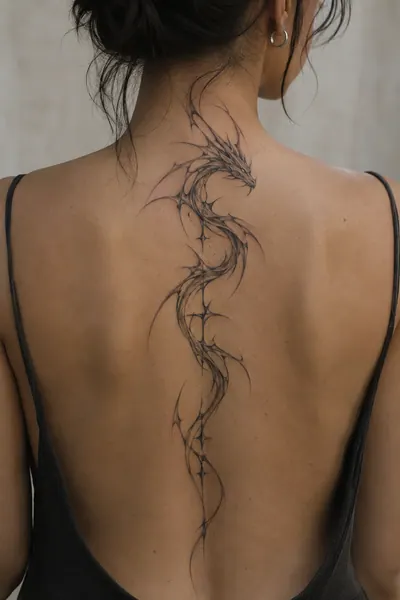
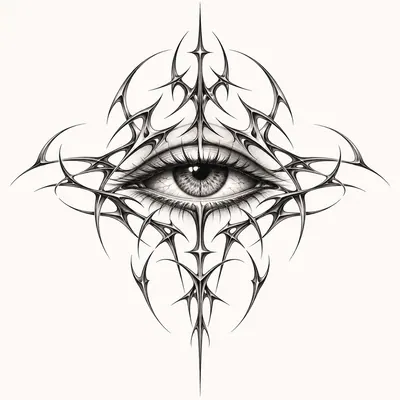
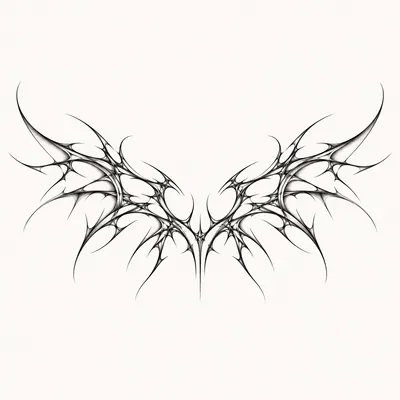
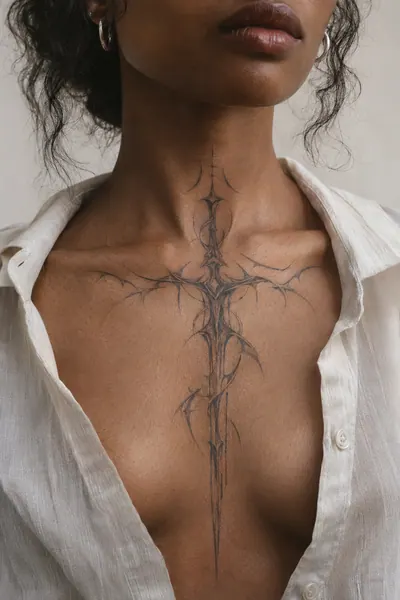
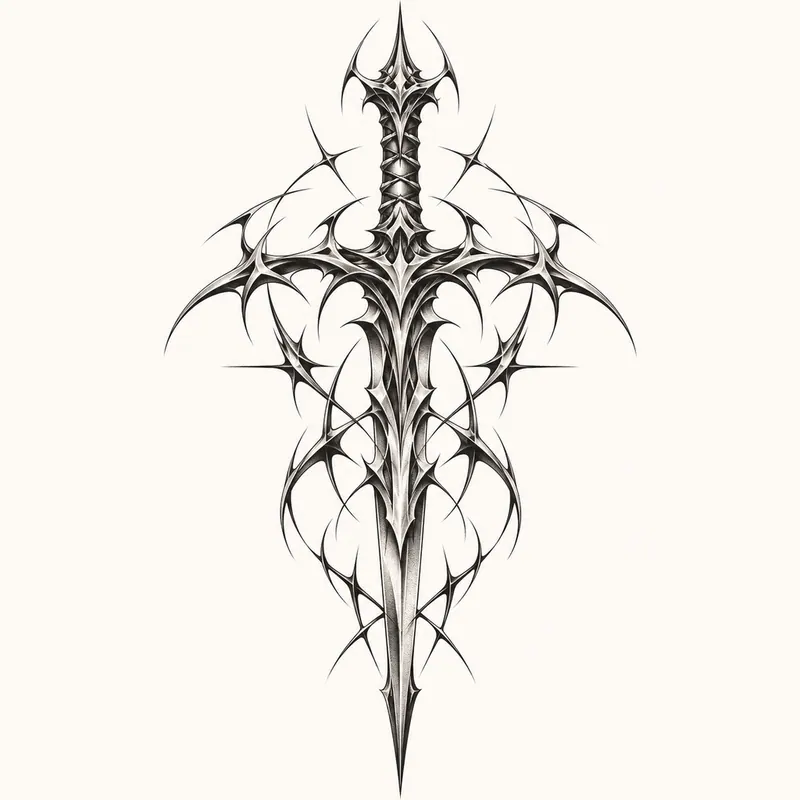
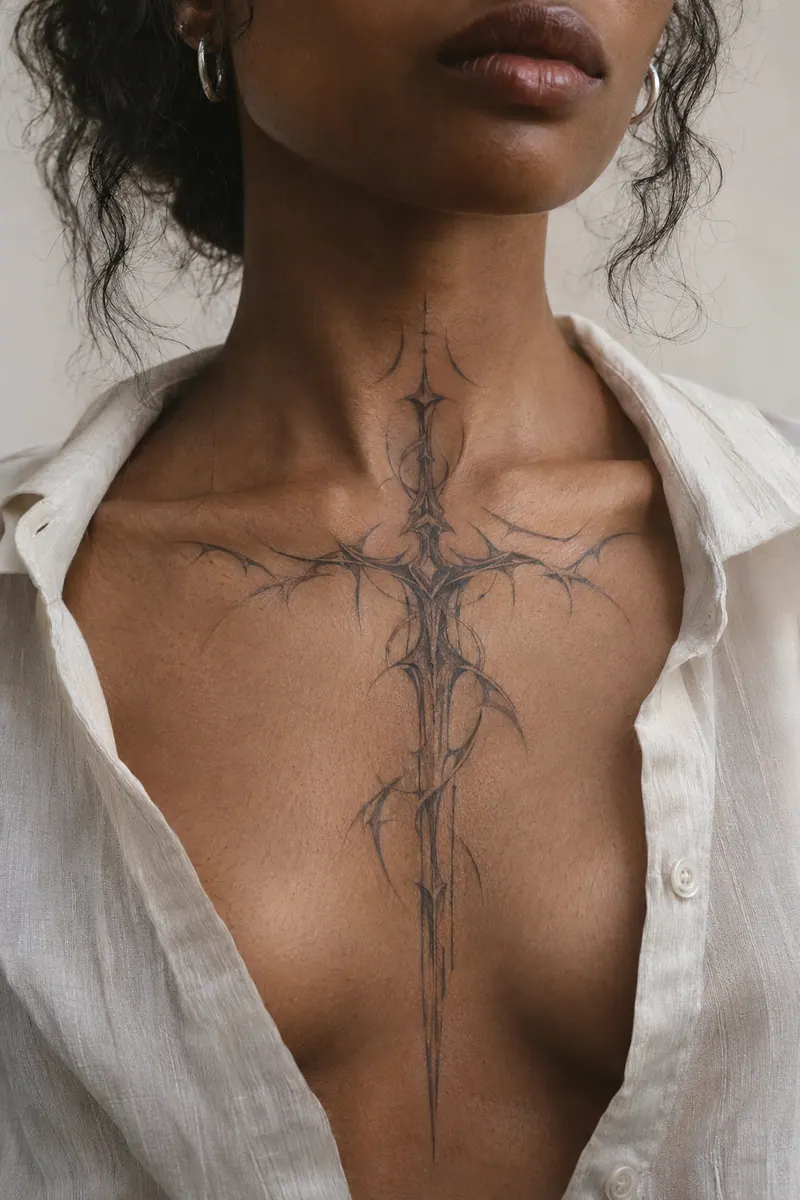
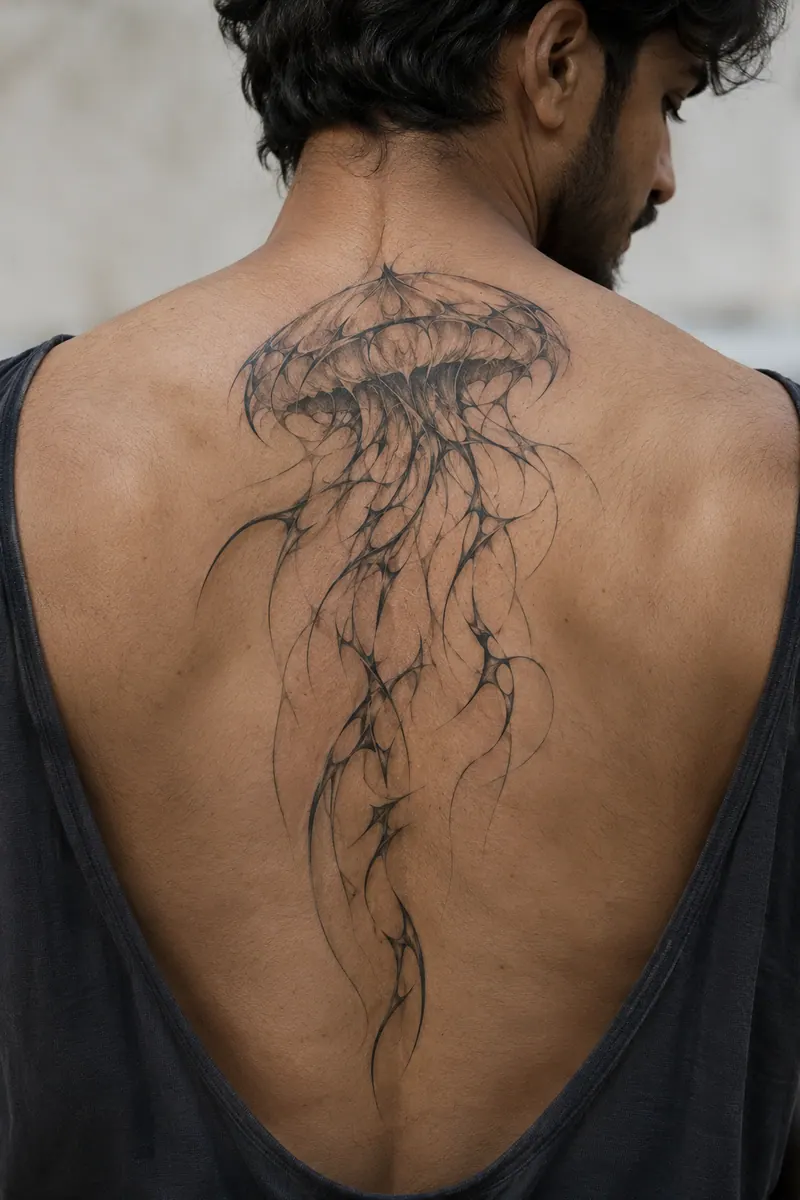
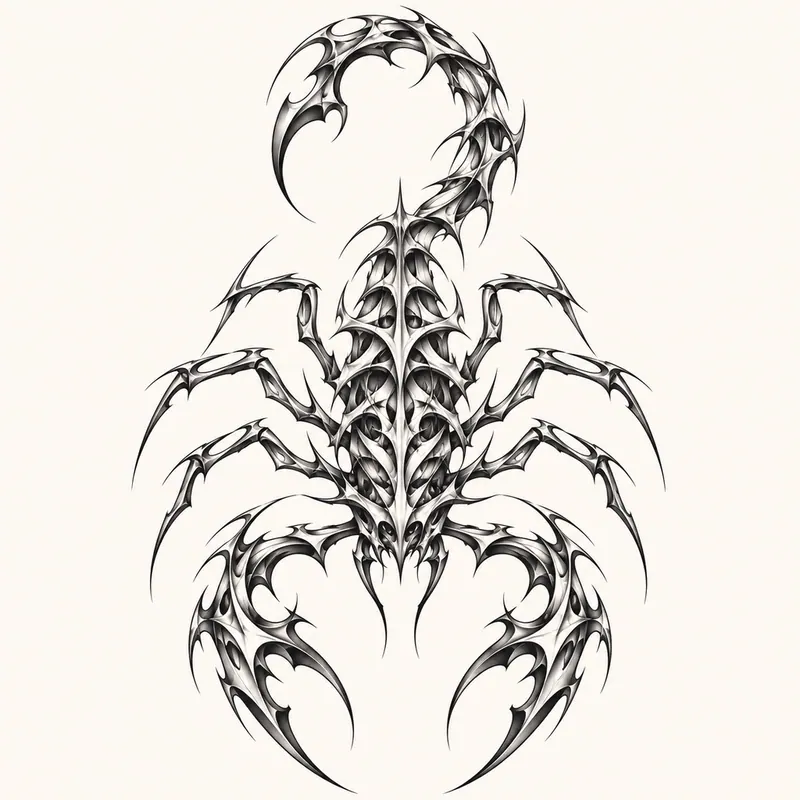
The style also works as decoration around a subject. The gallery shows a slim dragon running down the spine, an eye surrounded by glyph lines, small wings made of glyph lines on the neck, a cross made of thorny glyph lines, daggers with sharp glyph ornaments, a jellyfish whose tentacles turn into glyphs and a scorpion drawn entirely in glyph lines.
How cyber sigilism ages
Because the style is so new, there are few long-term examples yet, so it helps to think about how similar fine-line work behaves. Thin lines naturally soften and spread a little over the years, and the sharp points and tight curves that define the style are the first details to lose crispness. To help your tattoo last:
- Keep enough space between parallel lines so they don’t merge.
- Avoid shrinking an intricate design into a very small area.
- Choose an artist with steady, consistent linework.
- Protect healed tattoos from the sun.
A touch-up after healing is common for fine linework and can sharpen points that healed softer.
Best placements for cyber sigilism tattoos
Cyber sigilism is designed to follow the body’s lines, so long, flowing areas suit it best:
- Spine: the signature placement, with symmetric designs running down the back.
- Sternum and chest: vertical daggers or mirrored patterns.
- Side of the neck: small glyph wings or eyes that curve with the neck.
- Arms and forearms: wrapping designs or a single vertical piece.
- Hips and thighs: long curves that follow the leg.
Size depends more on length than width. A spine piece might be long but narrow; a neck piece can be small if the lines stay simple.
Cyber sigilism vs. neighboring styles
- Tribal: modern Western tribal uses bold, solid black shapes; cyber sigilism keeps the sharp flow but renders it in thin lines. Both are distinct from the specific cultural traditions, such as Polynesian tattooing, that are often loosely called “tribal”.
- Fine line: shares the thin needles but is usually delicate and representational, not spiky and abstract.
- Ornamental: also symmetric and decorative, but based on jewelry and filigree rather than sharp glyphs.
- Lettering: cyber sigilism looks like writing but isn’t meant to be read.
Choosing a cyber sigilism tattoo artist
Look for clean, unbroken lines and sharp points in healed photos, not just fresh ones. Symmetric spine and sternum pieces need careful stencil placement, so ask how the artist handles it. Many cyber sigilism artists freehand or adjust designs directly on the body to match its curves.
Try cyber sigilism on yourself
This style depends on how it flows along your body, so preview it before committing. In InkForge you can describe a design, pick the Cyber Sigilism style and generate several versions, then use Try-On to place one on a photo of your back, neck or chest and adjust its size, rotation and position by hand.